



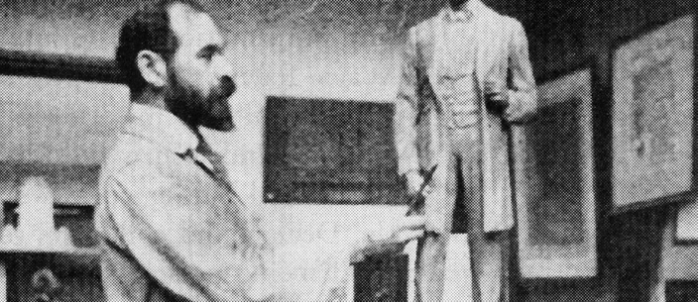
Exhibit of Works by Litvak Sculptor Victor Brenner in Šiauliai

brener

Victor David Brenner was born Viktoras Baranauskas April 12, 1871 in Šiauliai, Lithuania. His father was a jeweler and stamp maker. As an adolescent he helped his father complete easy orders. With his father’s help he set up an engraving shop in Šiauliai in 1887 and began to work on his own. In 1889 Victor and his parents moved to Kaunas where he achieved renown as a talented master engraver. He emigrated to the United States in 1890 and lived in New York. He took night classes at the Cooper Union college and worked at a New York metal ornament and medallion workshop.

Eight years later Brenner was in Paris, studying with the great French medalist, Oscar Roty at the Académie Julian. There he exhibited his work and obtained awards at the Paris Exposition of 1900. He returned to the United States, and from that time on his career prospered. He appeared to be on his way to the fulfillment of the splendid predictions made for his future by Rodin.


Israeli Ambassador Enchanted by Legendary Lithuanian Pastry

am
lr

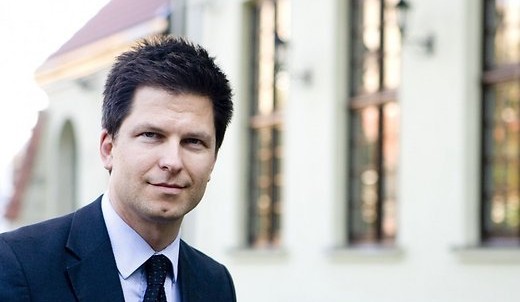
Not just family and military service, but also cooking and olive oil–these values have clearly insinuated themselves in the life of Israeli ambassador to Lithuania, Amir Maimon, 57. Despite the hectic daily schedule of colonel Maimon, who began his diplomatic service in Lithuania about one year ago, he still finds time for his favorite pastime, cooking. The Lifestyle section of the newspaper Lietuvos rytas reports ambassador Maimon’s family lives in Israel, but isn’t complaining about a lack of food. Instead, he spends his free time cooking all sorts of dishes.

Full story in Lithuanian here.

Darius Udrys: What Does Lithuania Owe Its Jews?

ud
Photo: by K. Čachovskis, courtesy Delfi.lt

Lithuanian Jews have contributed to the creation and success of the Lithuanian state from its very foundation.

This is an indisputable fact. As we sometimes like to say with pride (without thinking too much about what responsibilities history places upon us), the Grand Duchy of Lithuania was for its time a conspicuously liberal state which sheltered and safeguarded many tribal and ethnic groups as its own citizens.

One doesn’t have to look far back in the past to find the contribution made by Lithuanian Jews. Called upon and supported by their community leaders to do so, young Litvaks stood shoulder to shoulder with our grandfathers and great-grandfathers in the battle for Lithuanian independence from 1918 to 1920. As Donatas Januta reminds us in the Lithuanian-American newspaper Draugas, the volunteer battalion established and provisioned by Jews was one of the first armed units of the Lithuanian military. Many of its members were decorated for their bravery and sacrifice with medals, including the Order of the Cross of Vytis.

Lithuania’s Jews didn’t just support Lithuanian independence and consolidation through financing, weapons and their lives, they also supported it politically. Simanas Rozenbaumas, a Jew, successfully represented Lithuania in the Paris peace conference at Versailles and in negotiations with the Soviet Union, and Jews took part in the first Constituent Parliament as well. Jews also strongly supported the return of the Vilnius territory to Lithuania.

In Memoriam

rrr

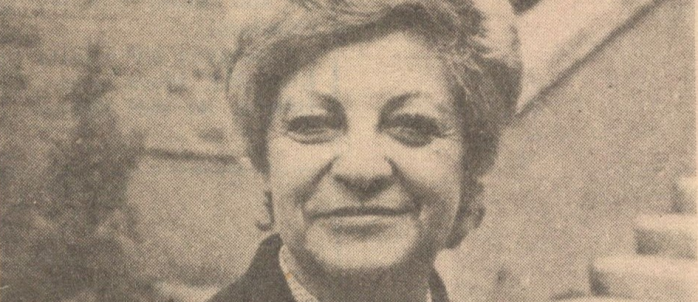
Sad news has reached the Panevėžys Jewish Community and the public that famous former Panevėžys doctor Mira Rozova has died in Israel after suffering from chronic illness. For half her life she was the senior doctor at the Panevėžys Infectious Hospital. In 1954 she was graduated from the Krasnodar Institute of Medicine. She performed a three-year residence in Kaliningrad and then moved to Panevėžys in 1957. She worked as a therapist at what was the Republic Hospital and Clinic. The infectious disease division was small at that time. The decision was made to open a separate infectious disease hospital and young and energetic Rozova was appointed the director of the new hospital. The Infectious Disease Hospital was established in the Panevėžys Jewish Hospital on Ramygalos street, which needed repair following the war. The hospital operated for 20 years in the unrenovated premises.

Makabi Athletics Club Tennis Tournament 2016

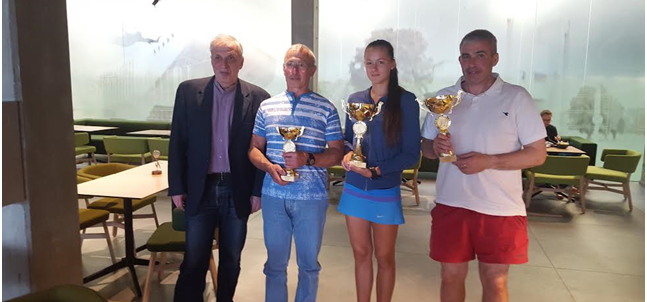
Iš kairės :varžybų organizatorius Michailas Duškesas, Anatolijus Faktorovičius, Alisa Gavronskytė, Grigorij Khiterer

The Makabi Lithuanian Athletics Club held a tennis tournament at the SEB Arena in Vilnius May 21 with seven contestants, 5 male and 2 female. All contestants received a participation medal and the women also received flowers.

A dinner party for the contestants followed. Young professional tennis player Alisa Gavronskytė took first place and Grigorij Khiterer and Kęstas Faktorovičius took second and third.

Results here.

Photo gallery here.

Work to Commemorate and Clean Up Jewish Cemeteries and Memorial Sites Continues in Kaunas

Kkapai3

Work to commemorate and clean up Jewish cemeteries and memorial sites in Kaunas continues, performed by the Kaunas municipal administration and city departments. The work was initiated by the Kaunas Jewish Community and Israeli ambassador Amir Maimon and their initiatives have the support of Kaunas mayor Visvaldas Matijošaitis and other ranking city officials.

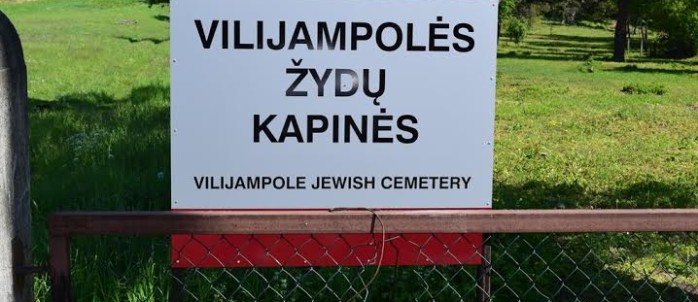
The photographs below show new information boards and signs at the old Jewish cemeteries in Slobodka (Vilijampolė) and Žaliakalnis neighborhoods and at the operating Jewish cemetery on H ir O Minkovskių street. The gate to the Slobodka cemetery is now being kept locked and automobile traffic prohibited. The territory of the Seventh Fort memorial was cleaned up and there are preparations underway to cut trees blocking the view of the site from the other side of Sukilėlių street. The mass murder grave site at the Seventh Fort should be cleaned up this year with a monument to mark the tragic location.

German Trio to Give Concert at Lithuanian Jewish Community

Three German musicians will give a concert open to the public at the Lithuanian Jewish Community, Pylimo street no. 4, Vilnius at 5:00 P.M. on Sunday, May 29. Entrance is free but a small donation may be left for the musicians at the door. The trio consists of Katharina Müther of Freiburg on accordeon and lyrics, Daniel Kahn of Detroit and Berlin on clarinet, accordeon and lyrics, and Roswitha Dasch of Wuppertal on violin and lyrics.

Kaunas Jewish Community Gets Together for Sabbath Every Friday

Šabatas Kaune

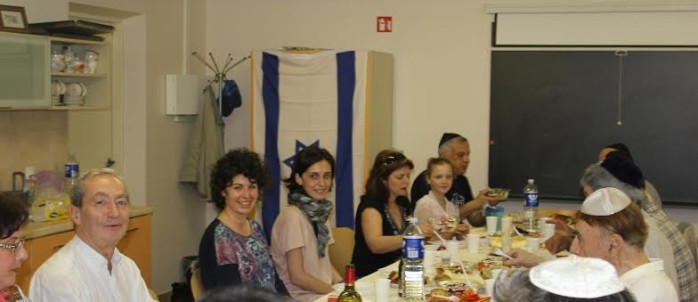
Every Friday evening about 30 members of the Kaunas Jewish Community gather to welcome in the Sabbath. They light candles, pray, provide commentary on a select passage of Torah, chat, eat together, remember those they have lost and offer congratulations on those personal milestones which come up. Often guests attend, whether they be Jewish students, teachers or tourists, who want to usher in the Sabbath with others, with the Jewish community. Often they are members of other ethnic groups who are interested in Jewish culture, traditions and history. Most recently two female students from Georgia and Serbia who are preparing a project about Jews in Lithuania at Vytautas Magnus University in Kaunas attended. As a rule the Kaunas Jewish Community offers its hospitality to those who show up. Almost always it turns out they aren’t strangers at all, only friends we haven’t met yet.

Media Ethics Commission Issues Finding on Complaint against Newspaper Laisvas Laikraštis

lllogo

We would like to inform you that the Commission on Ethics in Informing the Public considered on May 16, 2016, your complaint against the publication “Kodėl vėl gimsta antibaltizmas?” [“Why Is Anti-Balticism Growing Again?”] (in the December 12, 2015, issue no. 47 of Laisvas laikraštis [Free Newspaper]) and have found the publication did violate article 4 of the Ethics Code of Lithuanian Journalists and Publishers which prescribes that journalists and providers of information to the public must ensure an opinion is expressed honestly and ethically without distortion of facts or information, and article 23, which prescribes that a journalist must be professional and that adherence to linguistic norms is one of the highest requirements for professionalism in journalism, as well as article 55, which prescribes that a journalist, provider of information to the public or publisher is forbidden from directly or indirectly inciting hatred towards a group of people or to a person belonging to a group defined in article 54. The commission’s finding is attached.

Finding in Lithuanian available here:
Spr.6_pazeidim_160516.pdf

New Cultural Attaché for Lithuanian Embassy in Tel Aviv Hired

E.Keidosiute

Vilnius, May 23, BNS–Historian Elena Keidošiūtė has been hired as the new Lithuanian cultural attaché for the embassy to Israel. The Lithuanian Ministry of Culture, which conducted the job search, reported Keidošiūtė received the highest rating out of ten candidates. She studied the history of culture and anthropology at the History Faculty of Vilnius University and received a master’s in Jewish history and culture at Stony Brook Southampton, a campus of the State University of New York at Stony Brook located in Southampton, New York. She is now a visiting scholar at the Hebrew and Judaic Studies Department at New York University and Prins Foundation postdoctoral fellow at the Center for Jewish History in New York City.

Currently Saulius Pilinkus is serving as Lithuanian cultural attaché in Israel, according to the embassy’s website. Keidošiūtė could begin in the post as soon as she receives a certificate of reliability and upon receipt of written approval by the Lithuanian Foreign Ministry.

Start-Work Ceremony at Wooden Synagogue in Žiežmariai

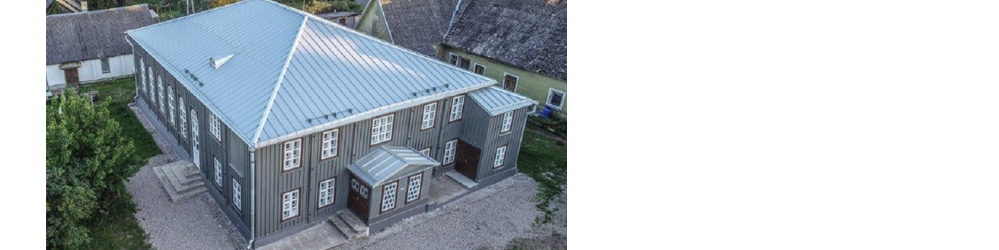
The Lithuanian Jewish Community’s heritage protection expert Martynas Užpelkis travelled to attend a ceremony in Žiežmariai, Lithuania to mark the beginning of work to renovate the unique wooden synagogue there, one of only a handful of wooden synagogues still standing in Lithuania. He took some snapshots which you can find below.

In related news, the board of supervisors of the Kaišiadorys regional administration, where Žiežmariai is located, approved the region’s membership in what is known as the Association of the Itinerary of Jewish Cultural Heritage, a new tourism network which includes the Kėdainiai, Ukmergė and Joniškis regional administrations now.

On July 30, 2015, the Kaišiadorys regional administration agreed to a 99-year lease agreement for the synagogue, the property of the Lithuanian Jewish Community, to be used by the regional administration without fee. In August an agreement was concluded between the LJC and regional administration on the uses to which the former synagogue could be put and for its restoration. Currently work has begun on the roof and façade and archaeological work is on-going. The regional administration has allocated 24,840 euros for restoration work. Further financing is being sought and the regional administration believes membership in the Association of the Itinerary of Jewish Cultural Heritage could open doors for new partners in Belarus and Poland under the Interreg program.

Sporting Event

The Lithuanian Jewish Community and the Lithuanian Jewish Makabi Athletics Club invite you to

a celebration of the grand opening of the summer season
for the entire family.

Program:

Soccer tournament for children and adults
Registration of teams: Pavel Guliakov, telephone: 370 685 42463, email: p.guliakov@gmail.com

Badminton tournament
Registration: Genadijus Plavinas, telephone: 370 699 40918, email: plavinas@takas.lt

Israeli dance marathon
with Karina Semionova, no registration required, 12:00 noon to 2:00 P.M.

Activities for younger holiday-makers
with Dubi and Dubi Mishpoha Club coordinators
Alina Azukaitis and Margarita Kožetova and the other guides

Event is free and open to the public!

Time: 11:00 A.M. to 4:00 P.M., Sunday, June 5, 2016
Location: The Vilnius Soccer Fan Stadium, Linkmenų street no. 8, Vilnius

In the Dock for Holocaust Denial

Pankevičius

The agenda item for commemorating the work of the American Jewish welfare organization the Joint Distribution Committee in the Lithuanian city of Panevėžys came up at city council in August, 2014. The main point was to celebrate 100 years of activities by the Joint in Lithuania and to commemorate the organization in Panevėžys. The proposal made at council was to set up a stele to honor the organization at what was formerly Joint Street, now Zikaro street, in the Lithuanian city.

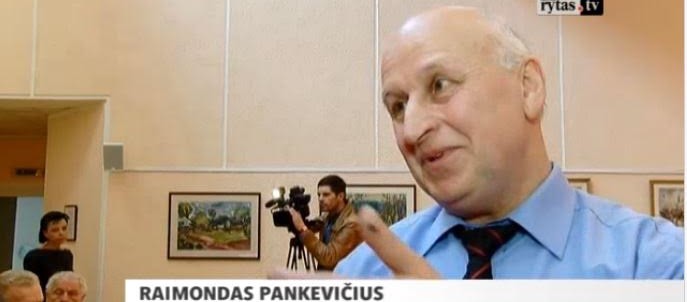
During consideration one council member, Raimondas Pankevičius, opposed the project. Pankevičius went beyond slandering the activities of the Jewish welfare organization and presented a false history of the Holocaust in Lithuania to his fellow council members.

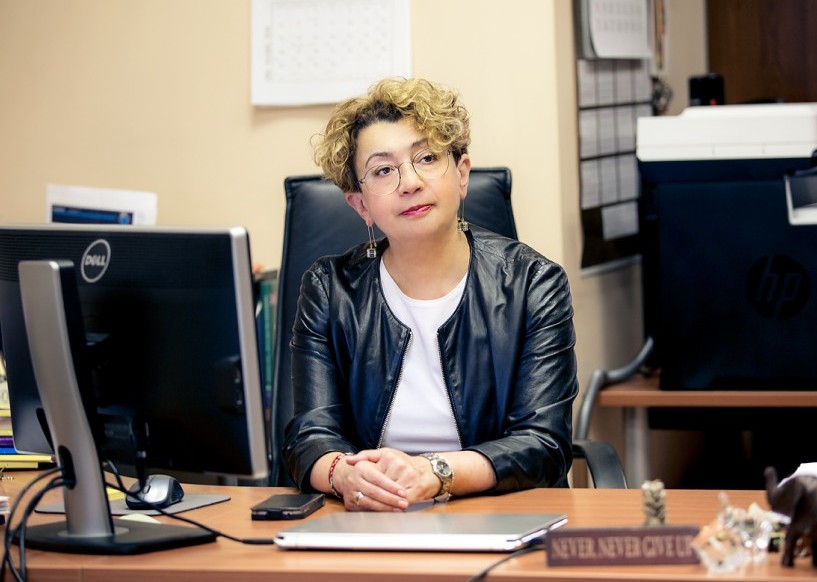
Over 90% of all Jews living in Lithuania were murdered during the Nazi occupation. Panevėžys Jewish Community chairman Gennady Kofman went to Lithuanian Jewish Community chairwoman Faina Kukliansky over the matter of these anti-Semitic statements, who in turn sent a complaint to the Office of Prosecutor General of Lithuania regarding the councilor’s words. Prosecutors began an investigation and laid charges against Pankevičius. At the first court hearing in March, Pankevičius said he had misspoken, and instead of saying “Jewish SS,” meant to say “Jewish police.”

What Should Be Done with the Law on Dual Citizenship of Several Years Standing

fa

Dear members of the Lithuanian Jewish Community and Litvaks living abroad,

I would like to explain in an understandable way what the current situation is regarding the Lithuanian law on citizenship and its provisions affecting those who seek to restore Lithuanian citizenship without renouncing their current citizenship, whether that be of the Republic of South Africa, Israel, the United States, Great Britain or another country.

To begin, we are not at war, although it almost seems like a war for the Jews in South Africa, and the great majority of Jews in other countries enjoy a higher standard of living than we do. It is also clear the Lithuanian law on restoration of citizenship was not written especially for Jews. We, the Lithuanian Jewish Community, care about the Jews of the world and their legitimate aspirations to restore Lithuanian citizenship. The first question which undoubtedly comes up is, when exactly did Jews lose that citizenship?

Jews who left Lithuania with Lithuanian passports before the war, and those who were deported from Lithuania to concentration camps, and those who were deported to Siberia did not renounce Lithuanian citizenship voluntarily. In fact they formally lost it when Lithuania became independent again as people of non-Lithuanian ethnic origin (it turns out Jews who come from Lithuania are not considered people of Lithuanian origin, and are not members of Lithuanian émigré organizations abroad), and moreover, some of them have “repatriated” from Lithuania.

A School Bar/Bat Mitzvah

barbatcake

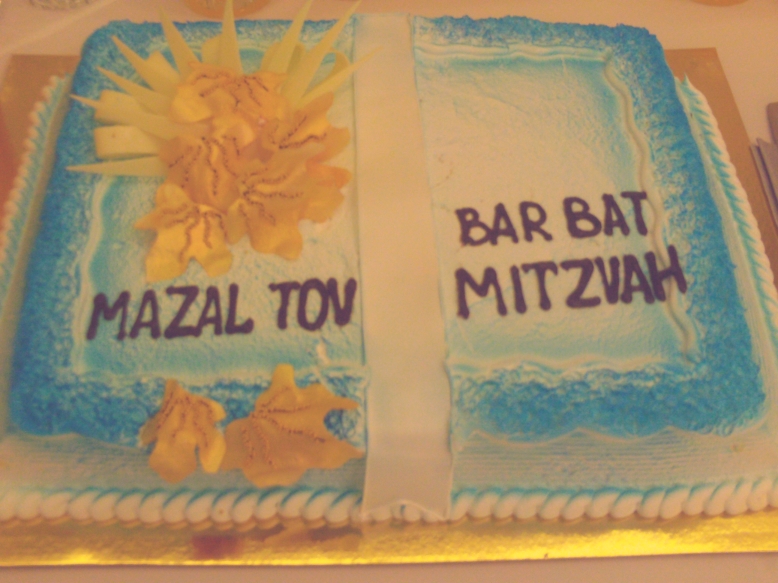
The ORT Vilnius Sholem Aleichem Gymnasium held a Jewish rite of passage Monday as a small group of Jewish boys and girls were ushered into adulthood at a public Bar and Bat Mitzvah on the third floor of the Lithuanian Jewish Community.

School principal Miša Jakobas greeted an overflow audience of parents, pupils, friends and Community members, and singled out the children undergoing the ritual, saying if he could wish them one thing, it would be patience.

Lithuanian Jewish Community deputy chairwoman Maša Grodnikienė congratulated the youngsters and spoke with evident joy about a new generation of Lithuanian Jews reaching maturity. She noted it was the 100th anniversary of the birth of the famous Yiddish writer Solomon Naumovich Rabinovich whose pseudonym was Sholem Aleichem, and wished everyone peace and health.

New Museum of Jewish Culture to Open in Slonim, Belarus

Synagogue Slonim2

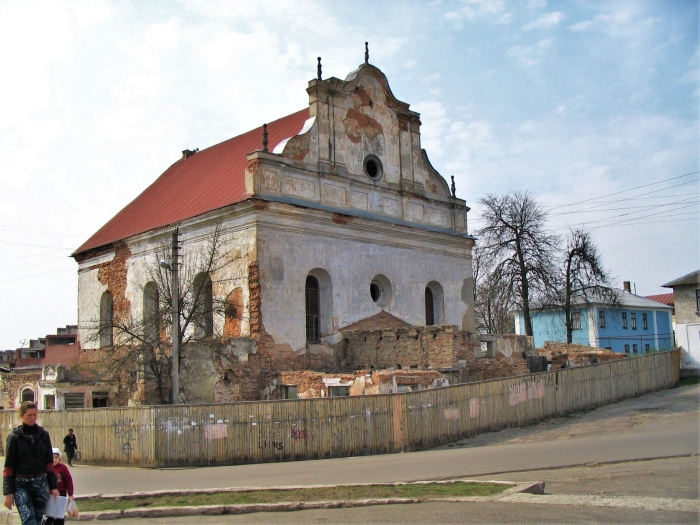
A new Museum of Jewish Culture will be housed in the 17th century synagogue in Slonim, Belarus, the BELITA news agency reports. The Slonim regional administration and the Slonim Jewish Association in Israel are to finance directly further restoration of the synagogue.

The synagogue, built in the mid-17th century, is located in the middle of the city of Slonim. Restoration work has been performed and the roof has been fixed. Original interior elements have been preserved.

“In earlier times Jews constituted more than 80% of the population in Slonim. Visitors from abroad continuously come to see the homes of their parents, grandparents and great-grandparents. Many visit the synagogue. The Jewish museum would be a tourist attraction and would draw more visitors to the city,” the regional administration observed.

Summer Camp Schedule and Registration

oll

Dear Parents,

Ensure your children’s place at the Dubingiai recreational site!
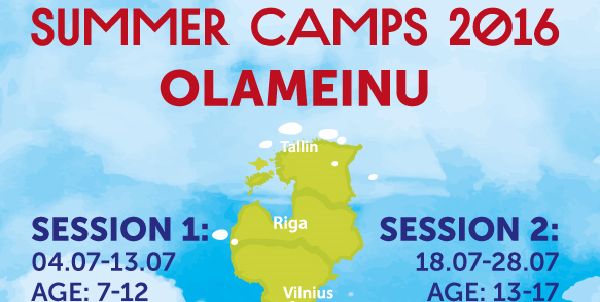
Camp sessions and dates:

  • First session: July 4-13, ages: 7-12
  • Second session: July 18-28, ages 13-18
  • Szarvas International Camp: August 4-21, ages: 13-17

Work to Renovate Žiežmariai Wooden Synagogue Begins

ZIEZM sin1

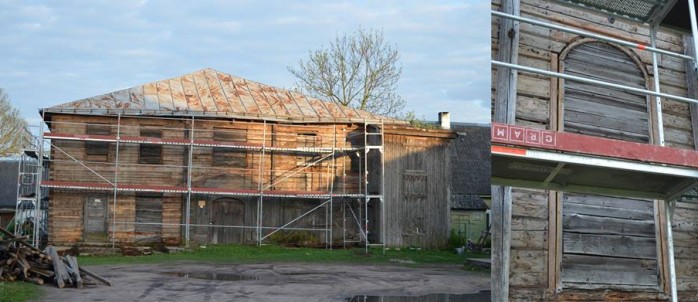
A ceremony was held at the unique wooden synagogue in Žiežmariai, Lithuania on May 19, 2016, to mark a new stage in its life: its resurrection. The ceremony marked the beginning of work by the Kaišiadorys Regional Administration and Lithuania’s Cultural Heritage Department to restore the house of worship and featured a concert by the Rakija Klezmer Orkestar and works of Paganini by violinist Gediminas Dalinkevičius.

An allocation of 85,000 euros from the Ministry of Culture to the Kaišiadorys Regional Administration and an additional 24,840 euros from the regional administration are to be used initially to fix the roof and repair the façade, stabilize the building and perform archaeological work. A total of 693,000 euros is needed for reconstruction of the synagogue and additional sources of funding are being sought.

“The Lithuanian Jewish Community agrees to turn the synagogue over for public use because the Jewish community of Žiežmariai no longer exists and the synagogue won’t be used as a house of prayer. The synagogue can be utilized very well for the cultural needs of the region and at the same time remain a place of commemoration for the Jewish community of the area,” LJC chairwoman Faina Kukliansky said.

Chess Tournament

The Lithuanian Jewish Community and the Rositsan and Maccabi Elite Chess and Checkers Club invite you to an amateur chess tournament!

Time: 11:00 A.M., Sunday, May 22, 2016
Location: Lithuanian Jewish Community, Pylimo street no. 4, Vilnius

Director: FIDE master Boris Rositsan

To register and for further information, contact:

email: info@metbor.lt
telephone: 3706 5543556

Lithuanian Jewish Community Celebrates Israeli Independence Day

Rakija

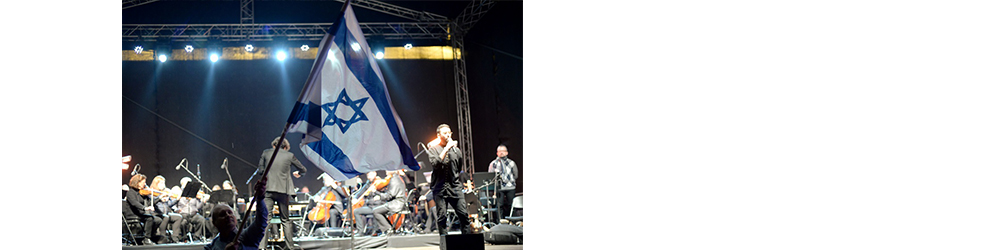
The Lithuanian Jewish Community celebrated Israeli Independence Day Monday. Happy 68th birthday, Israel! In 1948 David Ben-Gurion declared the independence of Israel from the British Mandated Palestine and became the country’s first prime minister. On November 29, 1947, the United Nations partitioned Mandate Palestine between its Arab and Jewish inhabitants with heavy lobbying in favor of the move from the United States. Fighting ensued in Palestine. The British were resolved to pull out by May 15, 1948, the day their League of Nations mandate ended, no matter what happened, and most diplomats though a direct UN trusteeship was the only solution. At 4:00 P.M. on the afternoon of Friday, May 14, Ben-Gurion as leader of the Jewish Agency proclaimed Israeli independence at the Tel Aviv Museum and the event was broadcast live on Kol Yisrael radio. Those present broke into singing Hatikvah, which was to become the national anthem. President Harry S. Truman in Washington, D. C., recognized the state of Israel at 6:11 P.M., just after midnight in Israel.

Israelis often spend the holiday with family outdoors at scenic locations around the country.

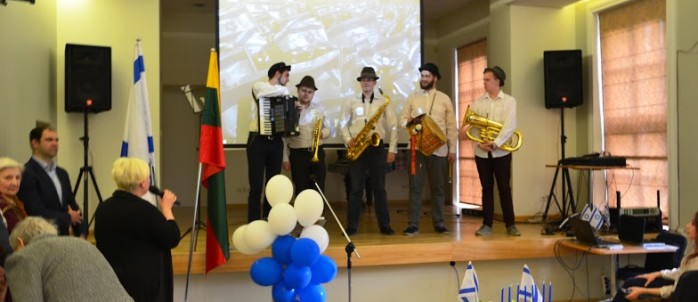
Our celebration featured holiday greetings from Israeli ambassador to Lithuania Amir Maimon and Lithuanian Jewish Community deputy chairwoman Maša Grodnikienė, and a concert by the Rakija Klezmer Orkestar. Guests also got to sample traditional Israeli treats and snacks. A big thank you goes to Žana Skudovičienė who not only organized the entire event, but also served as MC.