
Historical Context
Before the Second World War, Lithuania was for centuries an important center of Jewish life and the cradle of the distinctive Litvak tradition, marked by its own culture of Jewish learning, religious thought and communal life. From June of 1941 the Nazi occupiers and their collaborators murdered some 90% to 95% of Lithuania’s Jews, one of the highest mortality rates among all Jewish communities in Europe. After Lithuania restored its independence in 1990, the surviving Jewish community (today numbering a few thousand members) renewed its public religious and cultural life. Its activities are organized through the Lithuanian Jewish Community (LJC), an umbrella organization that brings together the country’s various Jewish organizations. At present the LJC unites 30 member organizations.
The LJC is a member of the European Jewish Congress and the World Jewish Congress.
Jewish Life
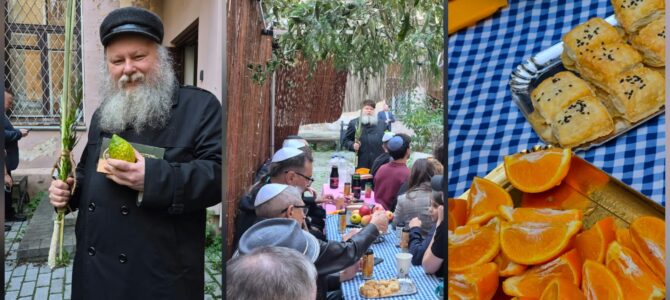
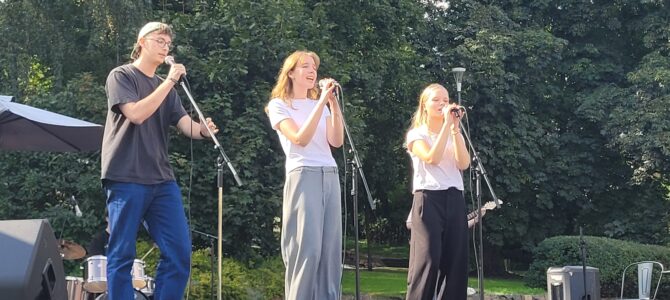
Today the Jewish community is active and through its institutions, programs and services offers activities for people of all generations.
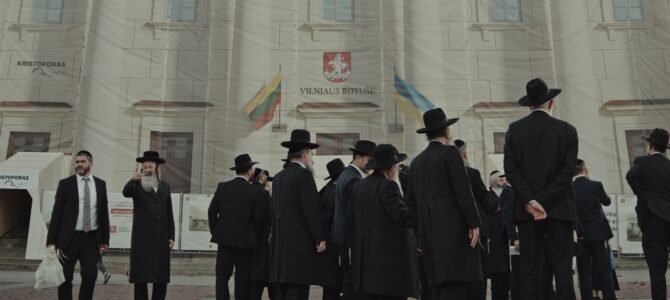
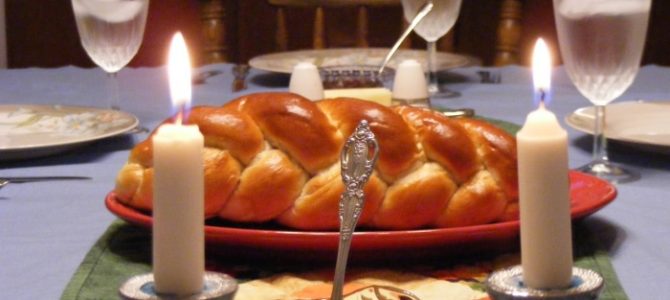
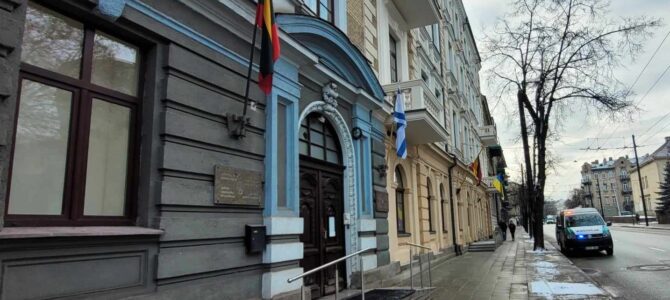
The Choral Synagogue in Vilnius is one of only two synagogues currently functioning in Lithuania and one of the main centers of the country’s Jewish religious life. Morning and evening services are held there every day, throughout the year and on holidays. They are attended by community members as well as guests from Israel and other countries. A permanent cantor leads the daily and festive services. The community is working to strengthen the involvement of rabbis in its activities: rabbis visit regularly, and it is currently looking for a rabbi who would work more closely with younger community members.