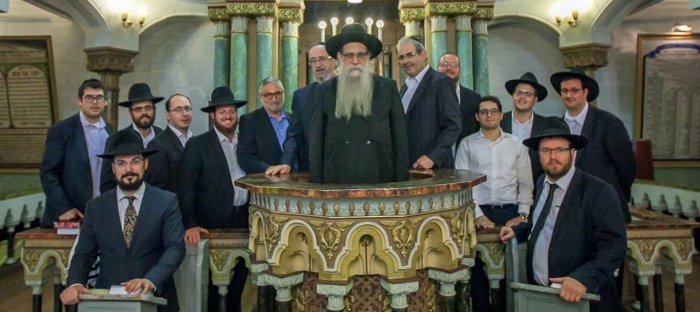





The Lithuanian parliament Thursday adopted amendments to Lithuania’s citizenship law to ensure the rights to citizenship of Jews who left Lithuania between the two world wars and their descendants. The vote was 98 for, none against and four abstentions. The amendments will come into force after president Dalia Grybauskaitė signs them into law. The new legislation was introduced to parliament this week and were scheduled for fast-track consideration and debate. The new language specifies citizenship is restored to an individual who left Lithuania before March 11, 1990, the date Lithuania formally declared independence from the Soviet Union, except for cases where the individual left Lithuania to live in another part of the Soviet Union after June 15, 1940, the date the Soviet Union occupied Lithuania. The current law on citizenship allows those who left Lithuania before March 11, 1990, to hold dual citizenship.
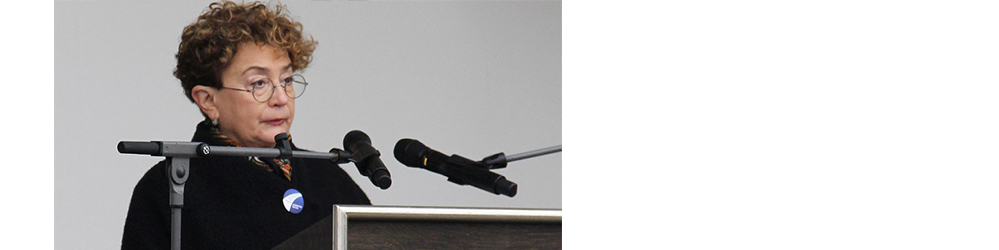
“I very much welcome the change in the law, and I am certain the Lithuanian state has lost nothing at all, and on the contrary, has received much more, a good name and living potential,” Lithuanian Jewish Community chairwoman Faina Kukliansky told BNS.
One of the authors of the new language, conservative opposition leader MP Andrius Kubilius, noted the current regulations needed to be better defined because Migration Department staff and the courts had begun to demand Litvaks provide proof they or their ancestors were persecuted in Lithuania between the wars. The new language makes it explicit that “withdrawal” or “flight” from Lithuania and “leaving the country” are all used synonymously and people in both alleged categories are included in the right to restoration of citizenship.