











LITHUANIAN JEWISH COMMUNITY
October 27, 2016
To: Juozas Mažeika, mayor, Kretinga
Diana Varnaitė, director
Cultural Heritage Department to the Lithuanian Ministry of Culture, Vilnius
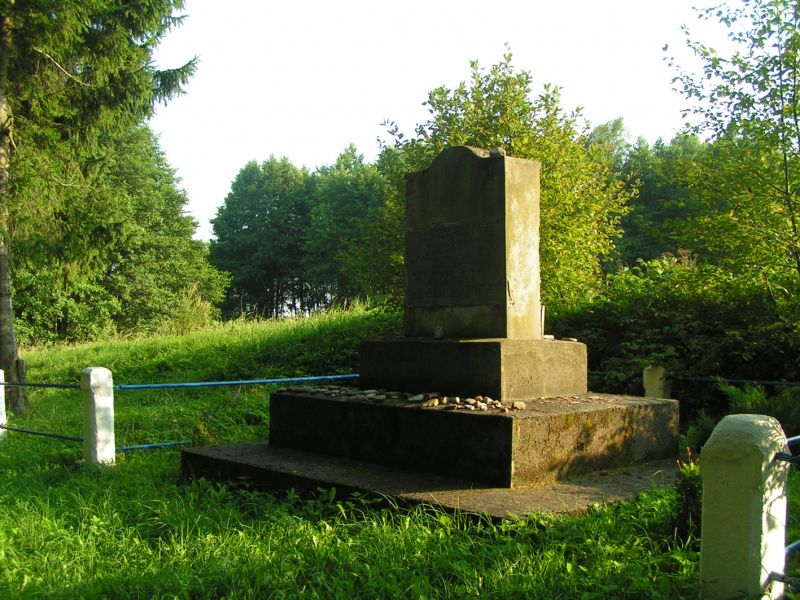
ON CONSTRUCTION NEXT TO THE OLD JEWISH CEMETERY AND MASS GRAVE IN KRETINGA AND EARTHWORK IN THE COMPLEX OF THAT LOCATION (CULTURAL REGISTRY UNIQUE SITE CODE 34983)
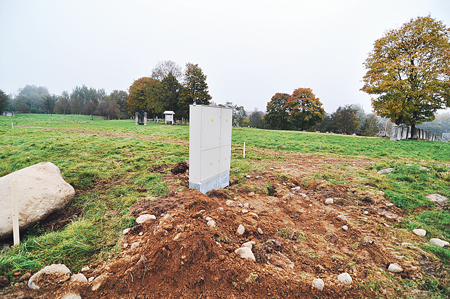
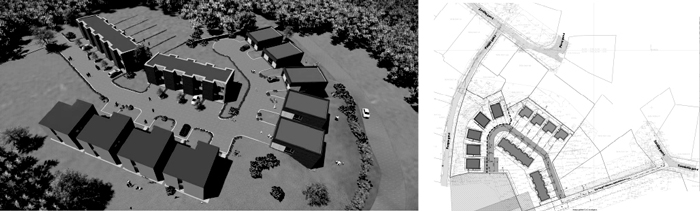
In our letter of August 9 of this year we brought your attention to a series of indications showing that the Old Jewish Cemetery of Kretinga and the Holocaust site located within it are not being protected and maintained adequately. Of special concern is the lack of a complete fence surrounding the cemetery and that the sections of the cemetery along the perimeter not fenced in are not marked in any way. Since these parts of the cemetery lie on the boundaries of private plots of land, there is the threat that economic activities could be carried out within the territory of the cemetery. This problem has been exacerbated, as we have learned from media reports, with the beginning of construction of a complex of individual residential homes right along the border with the cemetery.
Please assess quickly whether this above-mentioned construction does or does not pose a danger to the preservation of the site of the cultural treasure, and whether during construction or later as the buildings are being put to use and in the execution of commercial activities the eternal rest of the dead interred there will not be disturbed, whether access to the cemetery will be degraded and, if there is a foundation for this, whether or not to halt construction work until all necessary measures are taken to protect the cemetery and insure the integrity of the dead and access to the cemetery is insured.
Faina Kukliansky, chairwoman
Lithuanian Jewish Community

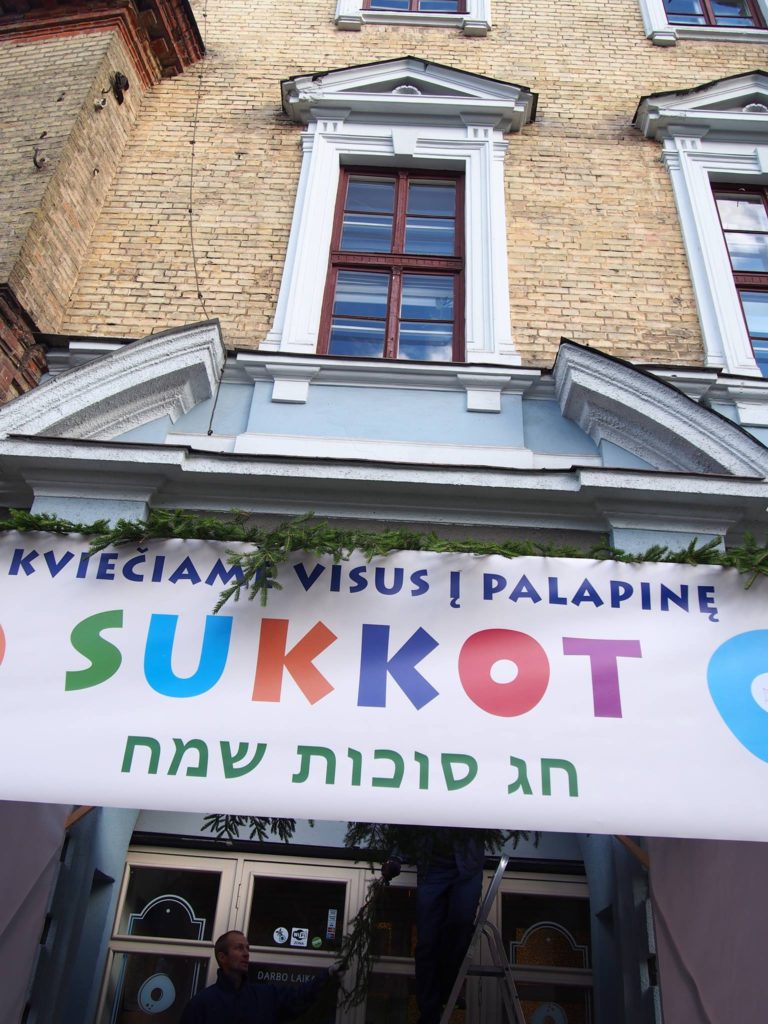 Sukkah at Bagel Shop Café on central Pylimo street in Vilnius