







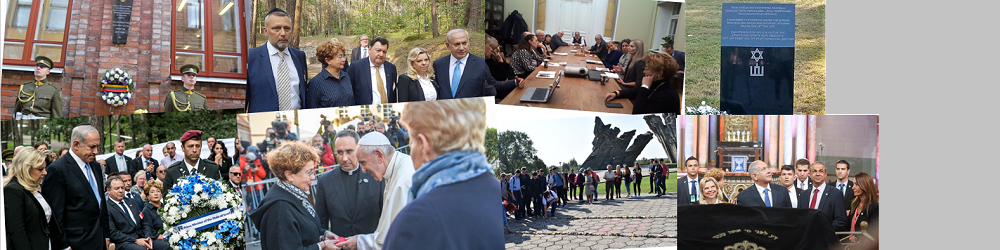
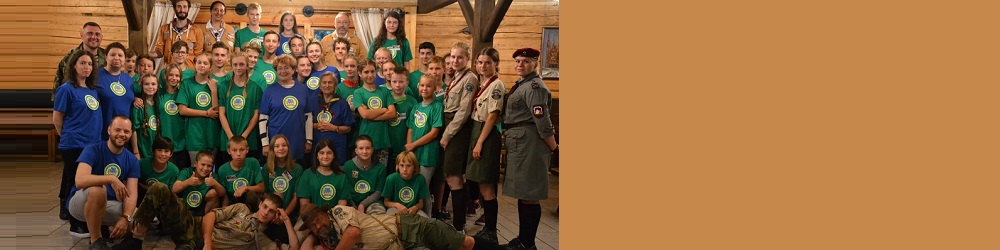







On May 21, teacher Nijolė Teišerskienė taught students about the history of the Šiauliai ghetto. Šiauliai Regional Jewish Community member Ida Vileikienė survived that ghetto and told the children her story, including how she was rescued by the Staškas family, how she lived in hiding and what she did after the war. She invited the children to learn to respect one another as a general life lesson.
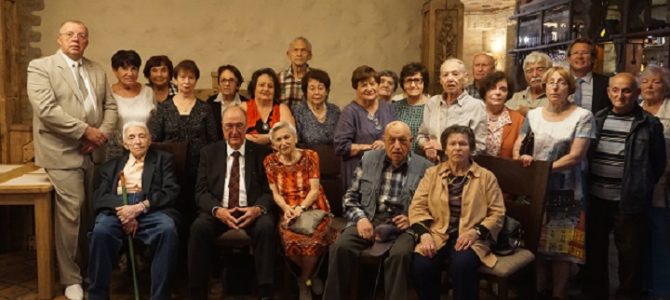
On May 23 Inga Kvedariene of the Šiauliai territorial medical system met with community members and talked about the payment system hospitals use and which services are free to those who have social insurance. She then fielded questions from the audience.
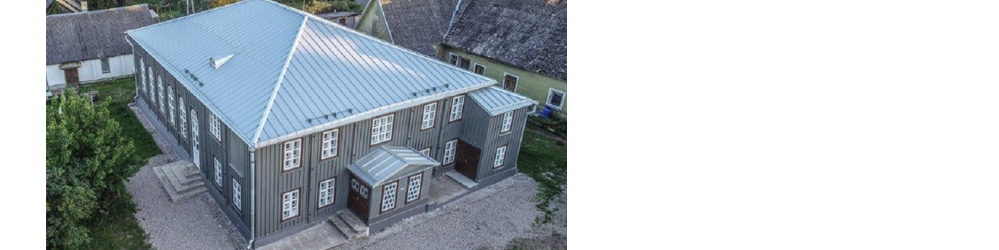
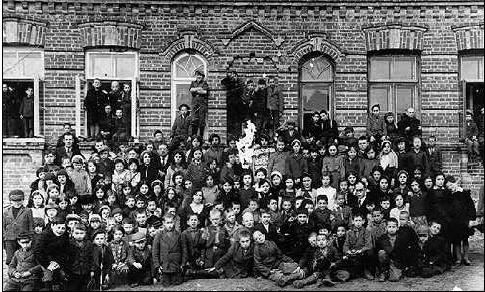
On June 14 members of the Šiauliai Regional Jewish Community visited the site of the former Lithuanian shtetl Zhagar (Žagarė) beginning with tours of the Žagarė Regional Park and the Naryškinas manor estate. Land management specialist Giedrė Rakštienė spoke authoritatively on the Jewish population of Zhagar and many community members learned new things about Jewish life there. Žagarė gymnasium geography teacher Alma Kančelskienė led the tour which included still-standing Jewish buildings which used to be synagogues, the house of the rabbi and a school, and members also visited the site of the former mikvah there. Members also visited the home of E. Vaičiulis. He is the owner now of the site of the former Jewish textile factory on the banks of the Švėtė river and of a wooden Jewish house where he now lives. Under several layers of wallpaper there are parts of old Jewish newspapers on his walls which the former owners glued there once upon a time. He has preserved the original exterior and the interior is decorated with period pots and dishes. Surrounded by a stone wall, Vaičiulis’s collection is a veritable museum of the former time when Jewish life was front and center in what is now a Lithuanian town. Pride of place is occupied by a Torah scroll discovered in Zhagar. Members also visited the Jewish cemetery and mass murder sites in and around the town.


 by Grant Arthur Gochin