
Jewish Community of Klaipėda

Contact Feliks Pozemskij, Klaipėda Jewish Community chairperson, tel. 8-650-21335 email felix.bonasta@yahoo.com

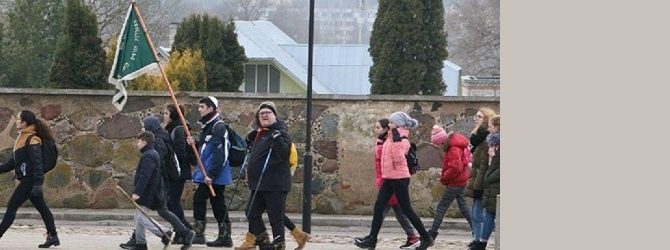
Activities of the Klaipėda Jewish Community The Klaipeda Jewish Community currently has more than 200 members. The community organizes celebrations of Jewish holidays, marks important dates on the Jewish calendar, holds cultural programs, organizes Sunday school for children and leisure activities for the elderly, and provides and distributes welfare, including money, services and material goods.

History of the Jews of Klaipėda

From the 15th to the 20th

Century Klaipeda was formerly called Memel. Jews appeared in Memel probably sometime in the 15th century, although the first historical source is from 1567. On April 20, 1567, Albrecht, Grand Herzog of East Prussia, ordered Jews to leave the city within 21 days and never to return. The ban lasted until the mid-17th century. Even after it was lifted, Jewish settlement in Memel was strictly controlled and limited.

Only in 1662 did Fredrich Wilhelm, elector of Brandenburg, grant the right to live in the city to an individual Jewish merchant. Frederich Wilhelm sought to strengthen Memel’s trade ties. Moshe Jakobson the Younger because the first legal Jewish resident of Memel. Within several years, however, he, his children and servants were exiled from the city for his overactive speculation in salt.

As late as the 18th century the ban on Jewish settlement in Memel was still in force. In 1777 Moses Mendelssohn came to Memel to trade. Besides being a merchant, he was also a famous Jewish philosopher, the spiritual father of the Jewish Haskalah (enlightenment dedicated to modernization and incorporation of secular culture in a renewed model of European Jewish life). He was also the grand-father of Felix Mendelssohn-Bartholdy, the well-known composer. Mendelssohn’s renown in Europe was of no aid to him in getting permission to settle in Memel. He was forced to live in Konigsberg.

The situation only changed a century later. The French Revolution gave equal rights to Jews of France. This revolutionary innovation spread to the countries conquered by Napoleon and partially survived even after Napoleon was toppled. The favorable situation of Memel (a large port that didn’t freeze over in winter and with autonomy, located far from the capital of Prussia) and a favorable turn of events (the Crimean War, which isolated Russia from the normal trade routes) led to a marked increase in the number of Jewish residents: from 45 people in 1813, to 887 people in 1867, to 1,214 people by 1880.
Jewish Community of Kaunas 

Contact: Žakas Gercas, chairperson of the Kaunas Jewish Community, tel. 8-686-54585 email kzb@pub.vdu.lt. Activity The Kaunas Jewish community currently has more than 400 members. The community is actively involved in the following:

  • Organizing Jewish holidays and marking important Jewish dates.
  • Commemorating sites and personalities, as well as people who have helped the Jewish people.
  • Organizing cultural programs: plays, films, concerts, museums and exhibitions.
  • Honoring Holocaust survivors and providing a space and framework and support for their activities.
  • Helping World War II veterans’ organization by providing facilities.
  • Helping members of the Kaunas chassidic community organize prayers at the synagogue, providing facilities and covering expenses.
  • Maintaining the working cemetery at Aleksotas and the old Jewish cemetery in Raudondvaris, and maintaining the graves of famous Jewish personalities of Kaunas and the Kaunas region.
  • Visiting old Jewish cemeteries and Holocaust sites in the Kaunas region, providing information about them to visitors from around the world.
  • Providing advice to courts in legal disputes.
  • Fostering a positive image of the Jewish people and community in the media and other public forums.
  • Providing Yiddish language classes to the elderly  (and hopefully soon for younger people too!).
  • Providing and distributing charity: money, services and material goods for Jews and Holocaust-era rescuers of Jews.
  • Visiting ill and elderly Jews and Holocaust-era rescuers in hospital.
  • Seeking out previously unknown rescuers of Jews, ghetto and Holocaust victims and possible new members of the Jewish community.
  • Honoring rescuers of Jews and righteous gentiles who fought against Hitler in World War II.

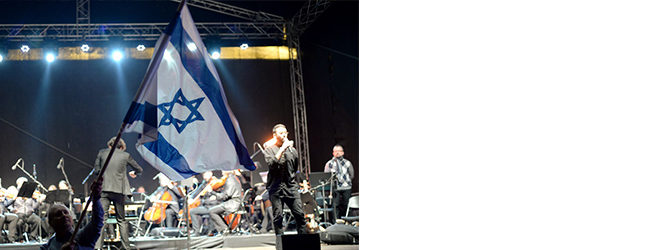
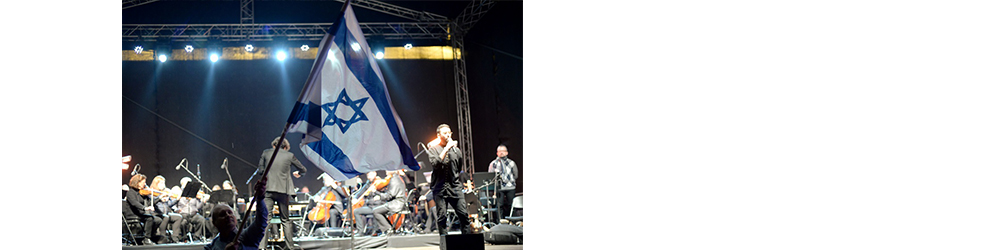
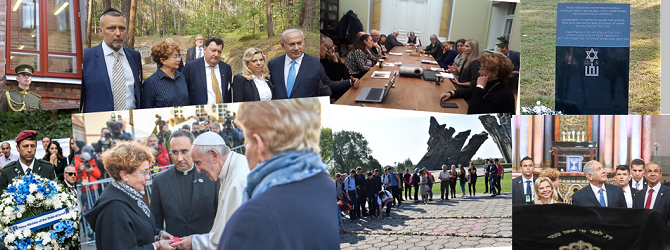
“Symphony from Jerusalem of the North” Mark Day of Lithuanian Jewish
Victims of Genocide in Presidential Courtyard

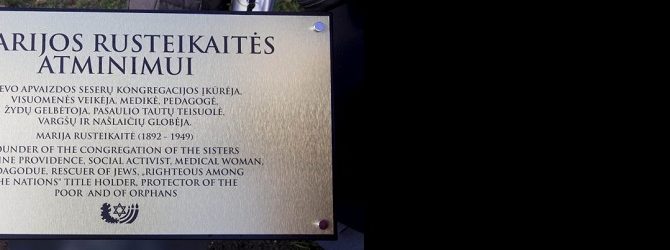
Šiauliai Opens Righteous Gentile Square at the Intersection of Vilniaus
and Ežero Streets at Former Ghetto Gates

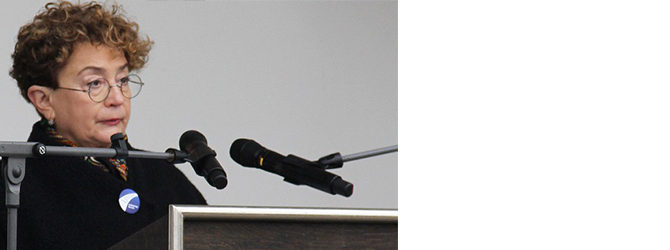
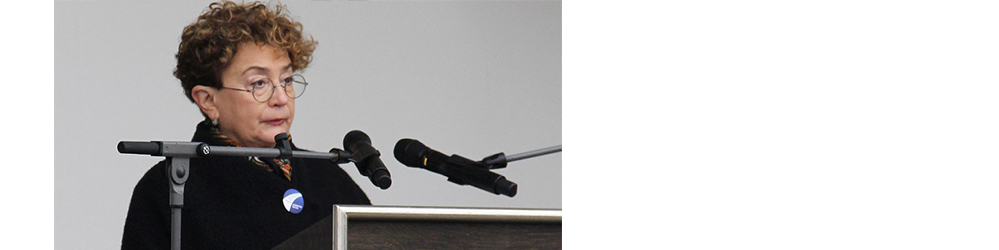
LJC Chairwoman Faina Kukliansky Speaks at Commemoration of Grosse
Aktion in Kaunas

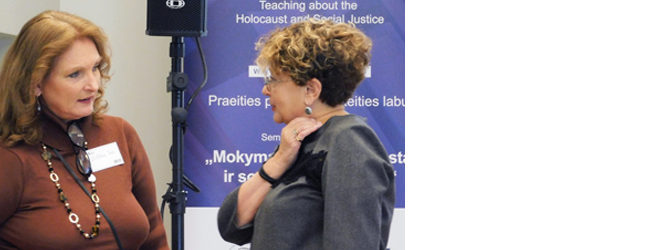
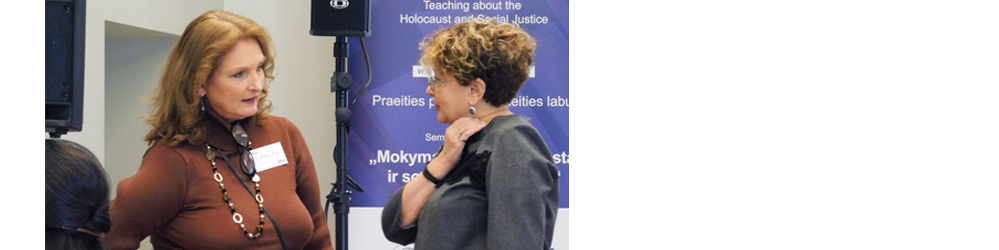
LJC, International Comminission and Olga Lengyel Institute Holding
Holocaust Seminars for Teachers

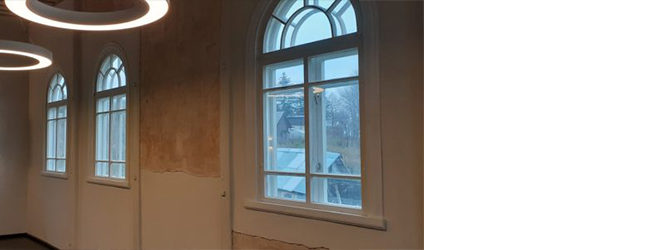
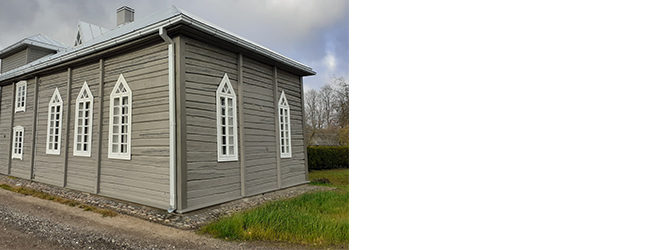
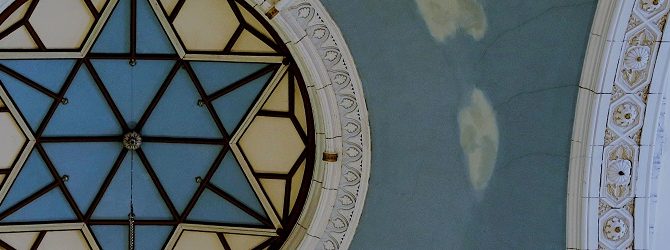
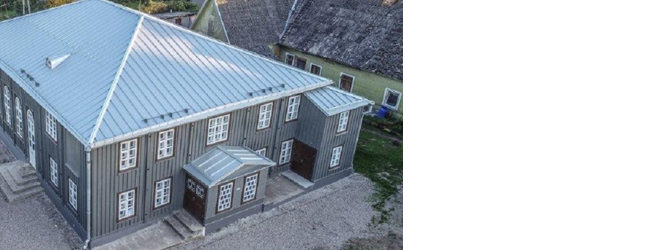
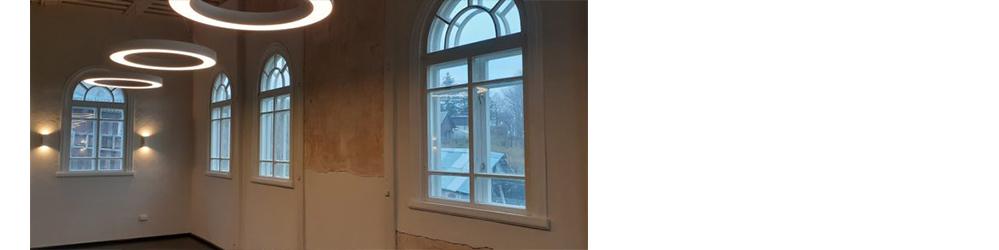
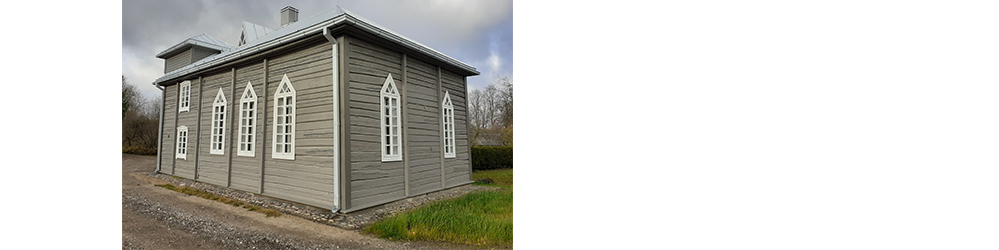
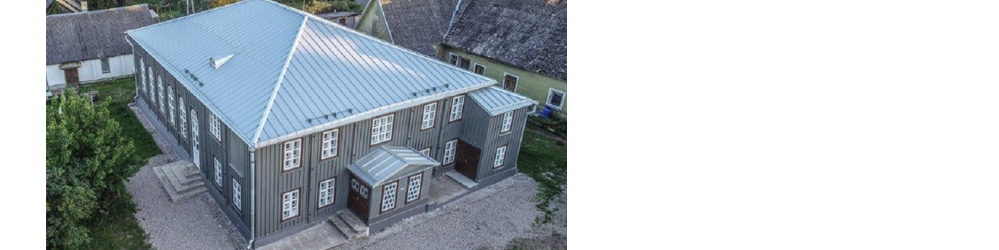
The renovated synagogue in Žiežmariai will become a new cultural center.
The first synagogue in appeared sometime between 1690 and 1696. In the
19th century there three synagogues. Not surprising, since the majority
of the population were Jewish. This synagogue which has survived and has
now been renovated stands in the southern part of town between Vilniaus
and Žalgirio streets, with the Strėva river flowing from southeastward from there.

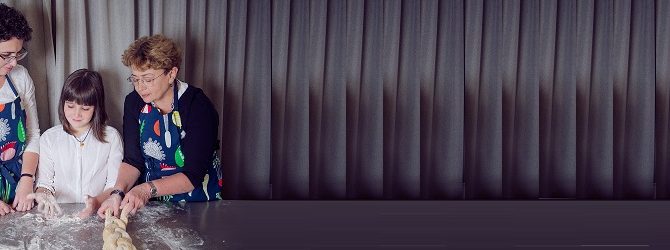
In the run-up to Hanukkah traditional fried dishes are being prepared: latkes (potato pancakes) and sufganiyot (doughnuts with jam filling). Children will receive Hanukkah gelt, foil-wrapped chocolate coins, and will be asked to make a donation of part of their hoard to the Jewish community, teaching them to share what they have with others from a young age.