Helping Israel’s Soldiers Celebrate Sukkot

Dear Friends,

After 6 weeks of war, Israel’s soldiers have returned to their bases. Though the war in Gaza has ended, Israel’s soldiers continue to tirelessly patrol our borders, defending our citizens from the Hamas threat in the South, and ISIS and Hezbollah on our Northern borders. That means that for many soldiers, the Jewish holidays will be spent not at home, but on their army bases, far from their families.

Or LaChayal wants to make sure that every soldier feels at home on his base. So, for the upcoming Sukkot holiday, we’re installing “giant sukkot” – great tents to help soldiers celebrate 40 years of wandering in the deserts of Egypt before entry into the Land of Israel. These sukkot house 1,000 soldiers at once, and will make the holiday even more joyous for our soldiers spending the holiday on their bases.

Please visit our campaign page and consider generously donating to the campaign.

Thank you for your support,

Rabbi Menachem Ofen
Chairman, Or LaChayal

See our campaign at: http://my.israelgives.org/en/sukkotforsoldiers

Europe’s Alarming New Anti-Semitism

This year, Europe’s Jews enter Yom Kippur, the holiest day of the Jewish year, with a degree of apprehension I have not known in my lifetime. Anti-Semitism has returned to Europe within living memory of the Holocaust. Never again has become ever again.

In France, worshipers in a synagogue were surrounded by a howling mob claiming to protest Israeli policy. In Brussels, four people were murdered in the Jewish museum, and a synagogue was firebombed. In London, a major supermarket said that it felt forced to remove kosher food from its shelves for fear that it would incite a riot. A London theater refused to stage a Jewish film festival because the event had received a small grant from the Israeli embassy.

More than once during the summer, I heard well-established British Jews saying, “For the first time in my life, I feel afraid.” Twenty years ago, launching a program to strengthen Jewish continuity across the generations, I published a book titled, “Will We Have Jewish Grandchildren?” Today, Jews are beginning to ask, “Will we have English grandchildren?”

And Jews are leaving. A survey in 2013 by the European Union Agency for Fundamental Rights showed that almost a third of Europe’s Jews have considered emigrating because of anti-Semitism, with numbers as high as 46% in France and 48% in Hungary. Quietly, many Jews are asking whether they have a future in Europe.

It would be wrong to exaggerate. Europe today isn’t Germany in the 1930s. Hatred of the Jews isn’t being incited or even condoned by European governments. Many political leaders, notably Angela Merkel in Germany and David Cameron in Britain, have been forthright in their denunciation.

Nor are such prejudices distributed throughout the British population. Britain has lower recorded levels of anti-Jewish sentiment than the U.S. But what is happening is immensely significant nonetheless. Historically, as the British Tory MP Michael Gove points out, anti-Semitism has been the early warning signal of a society in danger. That is why the new anti-Semitism needs to be understood—and not only by Jews.

Anti-Semitism was always only obliquely about Jews. They were its victims but not its cause. The politics of hate that begins with Jews never ends with Jews. It wasn’t Jews alone who suffered under Hitler and Stalin. It is hardly Jews alone who are suffering today under their successors, the radical Islamists of Hamas, Hezbollah, al Qaeda, Boko Haram, Islamic State and their fellow travelers in a seemingly endless list of new mutations.

The assault on Israel and Jews world-wide is part of a larger pattern that includes attacks on Christians and other minority faiths in the Middle East, sub-Saharan Africa and parts of Asia—a religious equivalent of ethnic cleansing. Ultimately, this campaign amounts to an attack on Western democratic freedoms as a whole. If not halted now, it will be Europe itself that will be pushed back toward the Dark Ages.

Some of what we are seeing in Europe is the old anti-Semitism of the far right and the radical left, which never went away and merely lay dormant during the years when attacks on Jews were considered unacceptable in polite society. That taboo is now well and truly broken.

But the driving thrust of the assault on Jews is new. Today’s anti-Semitism differs from the old in three ways. First, its pretext. In the Middle Ages, Jews were hated for their religion. In the 19th and 20th centuries, they were hated for their race. Today, they are hated for their nation state. Israel, now 66 years old, still finds itself the only country among the 193 in the United Nations whose right to exist is routinely challenged and in many quarters denied.

This isn’t to say that all criticism of Israel is anti-Semitism. Manifestly it is not. Israel itself is one of the most self-critical nations in the world, and criticism of its policies is a legitimate part of democratic debate. But the supporters of Hamas aren’t interested in this policy or that, these borders or those. They are committed as a matter of principle, stated in their charter, to the complete destruction and elimination of the Jewish state.

There are 102 nations in the world where Christians predominate, and there are 56 Islamic states. But a single Jewish state is deemed one too many. And the targets of terror in Europe are all too often not Israeli government offices but synagogues, Jewish schools and museums—places not of Israeli policy-making but of ordinary Jewish life.

Second, the epicenter of anti-Semitism has moved. Jews have long been attacked because they are the archetypal “other.” For a thousand years, they were the most conspicuous non-Christian presence in Europe. Today, they are the most conspicuous non-Islamic presence in the Middle East.

But the anti-Semitism that has taken hold in the Middle East isn’t endemic to Islam. Coptic and Maronite Christians introduced the blood libel—the slander that Jews use the blood of gentiles in religious rituals—into Egypt and Syria in the 19th century. Nazi Germany, via its ally, the Grand Mufti of Jerusalem, added to this mix the notorious conspiracy tract “The Protocols of the Elders of Zion.”

These two myths entered Islam from the outside. Now Islamist radicals have brought them back to Europe. Whenever you hear that “Jews control the media” or “Israel targets Palestinian children,” you are hearing “The Protocols” and the blood libel yet again.

Third, the legitimation of anti-Semitism has changed. Hatred, when taken into the public domain, is singularly difficult to justify, which is why anti-Semites have always sought vindication from the highest source of authority in the culture. In the Middle Ages, it was religion. In 19th-century Europe, it was science. German anti-Semitism was based on the so-called “scientific study of race” and social Darwinism, the doctrine that in human history, as in nature, the strong survive by eliminating the weak.

In the era since World War II, the great authority has been the Enlightenment ideal of human rights. That is why the new wave of anti-Semitism was launched at the U.N. Conference against Racism at Durban, South Africa, in the summer of 2001. There Israel was accused of the five cardinal sins against human rights: racism, apartheid, crimes against humanity, ethnic cleansing and attempted genocide.

Human rights matter, and they matter regardless of the victim or the perpetrator. It is the sheer disproportion of the accusations against Israel that makes Jews feel that humanitarian concern isn’t the prime motive in these cases: More than half of all resolutions adopted by the U.N. Human Rights Council since 2006 (when the Council was established) in criticism of a particular country have been directed at Israel. In 2013, the U.N. General Assembly adopted a total of 21 resolutions singling out Israel for censure, according to U.N. Watch, and only four resolutions to protest the actions of the rest of the world’s state.

Anti-Semitism has always been, historically, the inability to make space for differences among people, which is the essential foundation of a free society. That is why the politics of hate now assaults Christians, Bahai, Yazidis and many others, including Muslims on the wrong side of the Sunni/Shia divide, as well as Jews. To fight it, we must stand together, people of all faiths and of none. The future of freedom is at stake, and it will be the defining battle of the 21st century.

—Lord Sacks is the emeritus chief rabbi of the United Hebrew Congregations of the British Commonwealth. He currently teaches at New York University, Yeshiva University and King’s College London.

online.wsj.com

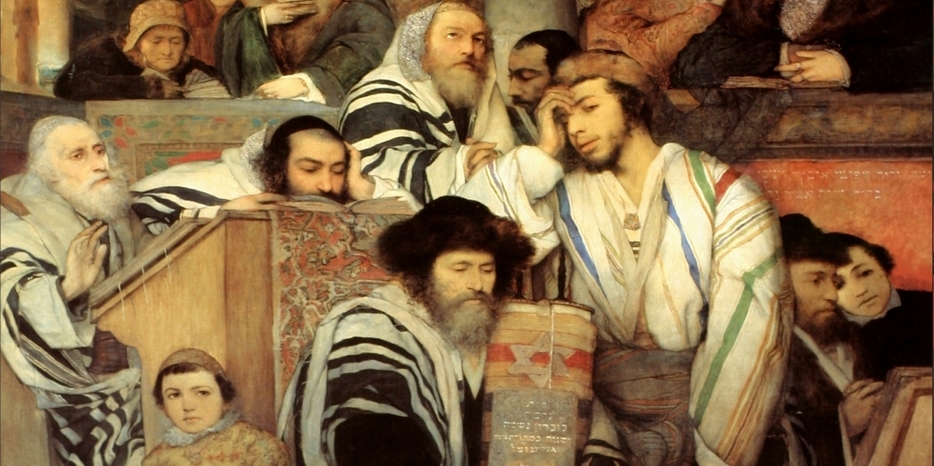
Yom Kippur: Why Doesn’t It Work Outside of the Synagogue?
Yom Kippur: Why Doesn’t It Work Outside of the Synagogue?
By DONNIEL HARTMAN
Judaism is an aspirational religion which, while accepting the reality of failure, believes in the human capacity to transcend and achieve levels of excellence in our everyday lives. “You shall be holy, for I the Lord God am holy.” (Leviticus 19:2) “You shall be to me a kingdom of priests and a holy nation.” (Exodus 19:6) These are but two of the more potent examples of the aspirational quality of our tradition and its immense respect for the capacity inherent within the human being. As beings defined as being created in the image of God, there is nothing that we cannot do, a factor which created a tradition defined by commandment and expectation.
A significant manifestation of this future is the commandment of tshuva. We expect people to honestly assess the content and the quality of their lives, regret and admit their failures, and commit to embarking on a new direction. This expectation is brought to a climax during Yom Kippur, where the vidui (confession) which lies at the nucleus of the Yom Kippur liturgy places before us the realities of our sins and challenges us to honestly confront what we have done with our lives.

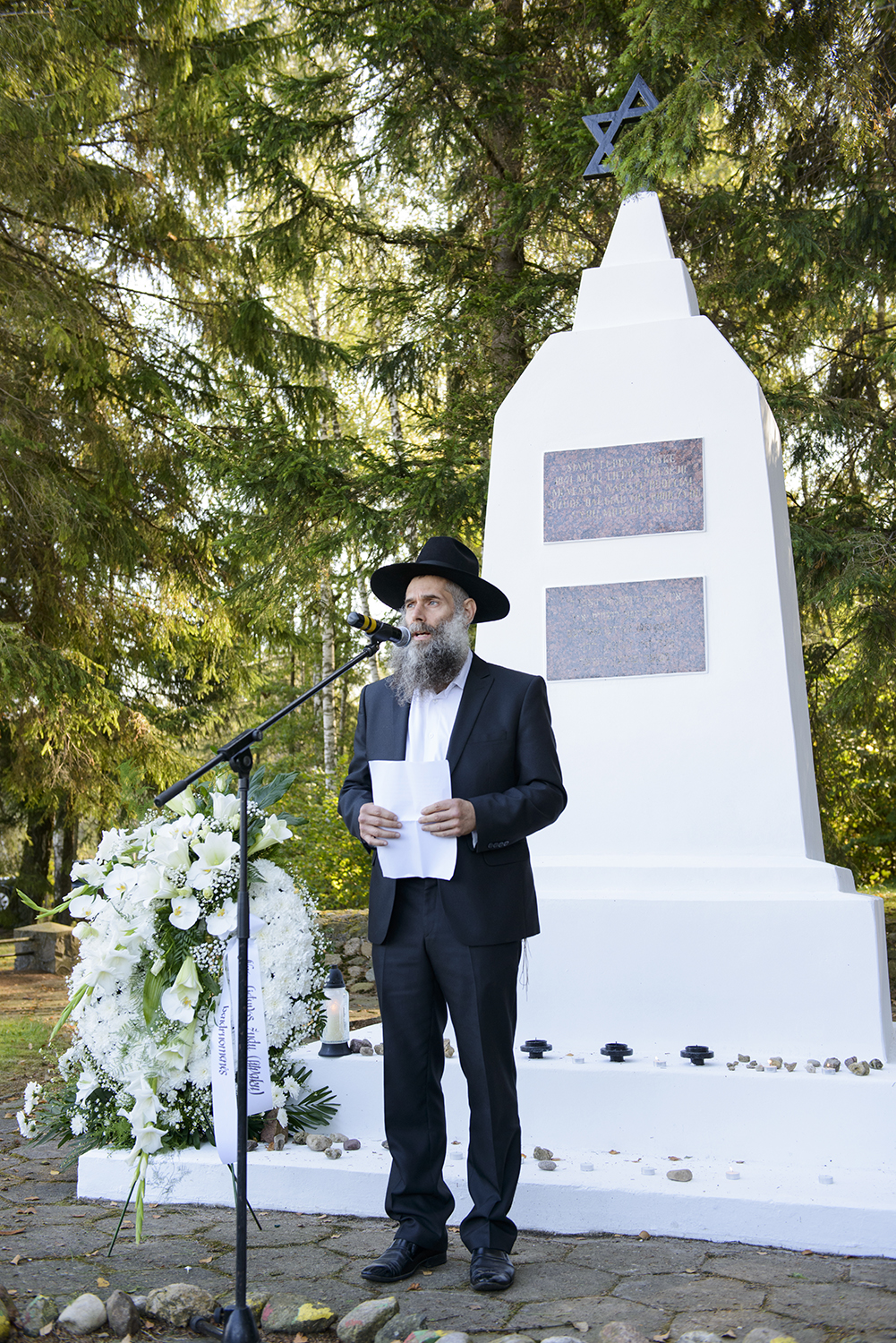
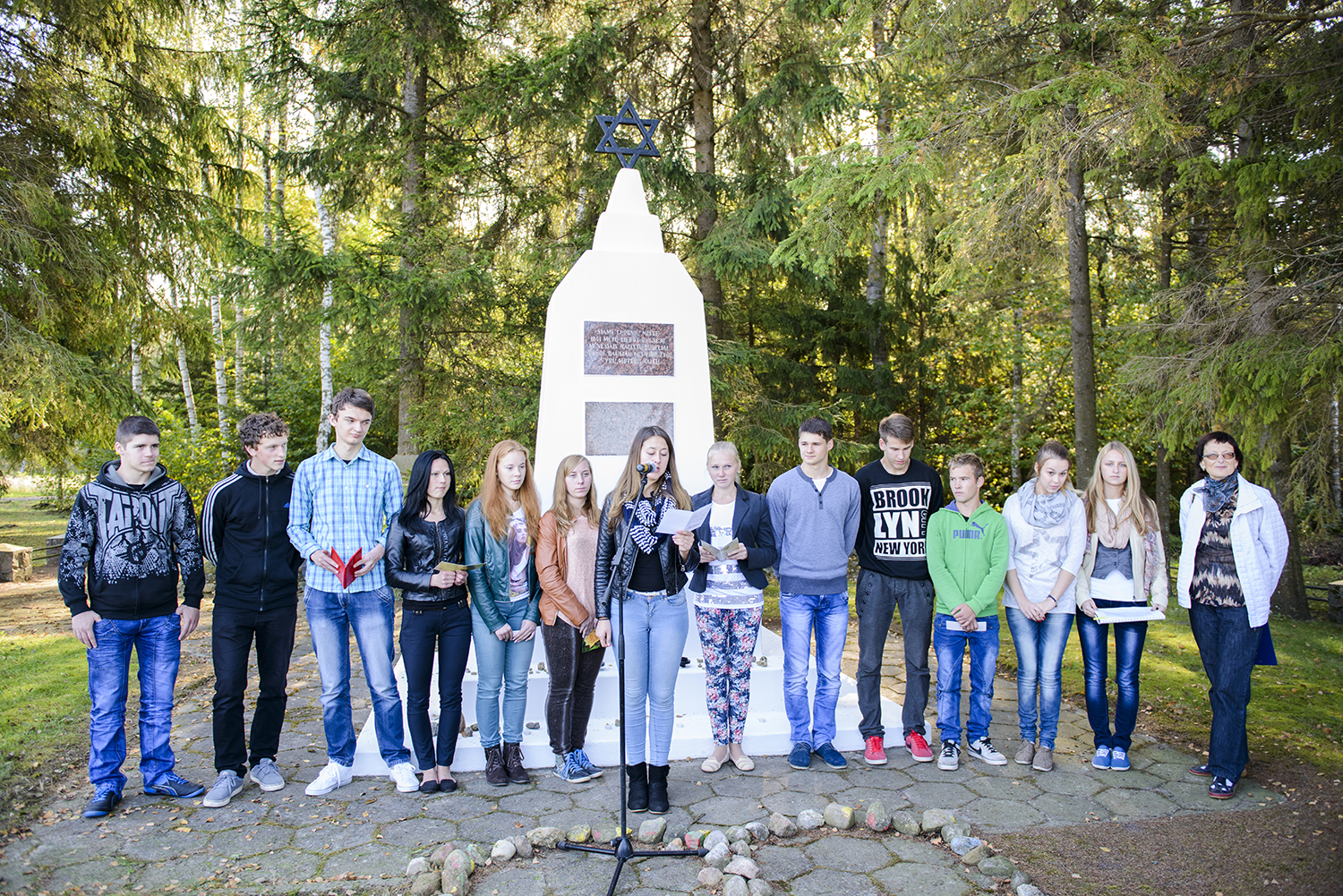
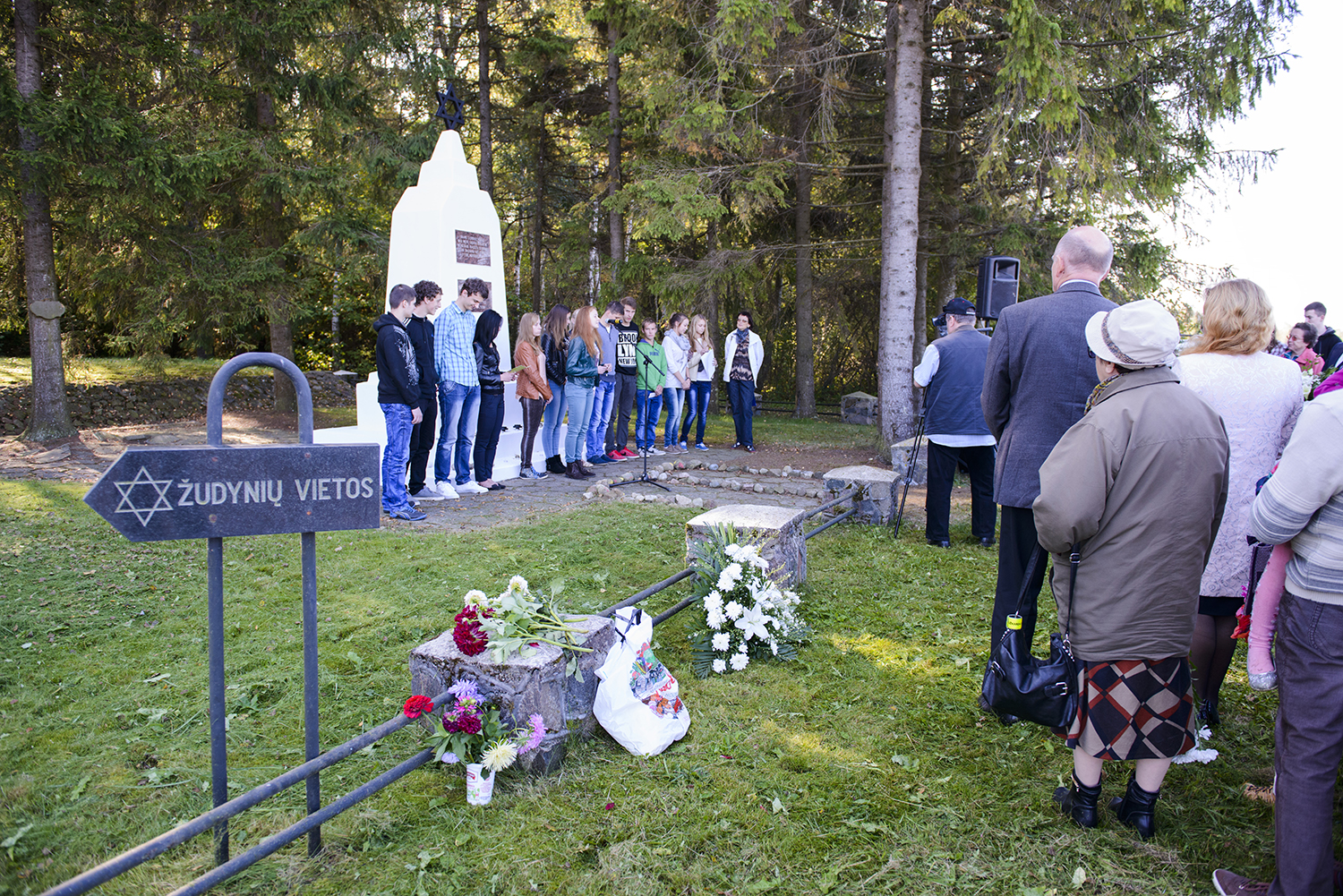
Commemoration Next Sunday October 5th 2014 for the Jewish Communities of the Svintsyán (Švenčionys) Region

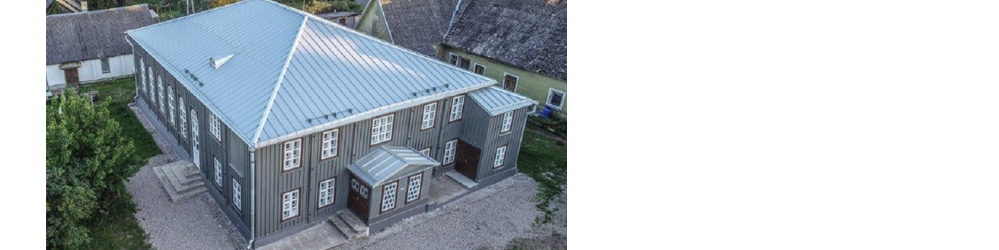
Friends in Lithuania and western Belarus: The annual commemoration for the annihilated Jewish communities of Švenčionys (Svintsyán) and its district will be held next Sunday October 5th at 12 midday sharp at the mass grave site “Poligón” right outside Švenčionėliai (Svintsyánke, Nay-Svintsyán) where around 8,000 Jewish citizens were murdered on 7 and 8 October 1941 after being incarcerated and humiliated for many days.
Everybody is welcome at the commemoration, which is organized each year by Moisej Shapiro of Pabradė, head of the area’s remnant Jewish community, a constituent part of the Jewish Community of Lithuania.
The gravesite, and the annual memorial the first Sunday each October, include the Jewish populations of: Dugáleshik (Naujasis Daugėliškis), Duksht (Dūkštas), Haydútsetshik (Adutiškis), Ignalíne (Ignalina), Koltnyán (Kaltanėnai), Kaméleshik (Kimelishki, Belarus), Lingmyán (Linkmenys), Líntep (Lyntupy, Belarus), Maligán (Mielagėnai), Podbródzh (Pabradė), Stayátsehik (Stajotiškės), Svintsyán (Švenčionys), Svintsyánke (Švenčionėliai).
Our report on the 2010 commemoration:
For a tentative list of Lithuanian towns with prewar Jewish populations, and their names in Yiddish, see:
corrections welcome & many more links to sources need to be added.]
Dovid Katz

SHANA TOVA!

On behalf of the Rabbinical Board of the CPJCE and the Committee members, as we approach the Eve of Rosh Hashana- The Jewish New Year, I hereby take the opportunity to extend our best wishes for a Happy New Year.

We greatly appreciate all your continued help and assistance in our holy and important task of preserving and safeguarding the Jewish cemeteries in Europe in accordance to Jewish Law and Tradition.

Our positive co-operation and your understanding and sensitivity to this important issue, has helped us in our worthy cause and has achieved great results.

We hope that this cooperation and understanding will continue in the future and we look forward to work with you in the future.

May the New Year bring you lots of health and prosperity to you and your family with continued success in all your worthy endeavours.

Sincerely yours

Rabbi Abraham Ginsberg

Executive Director

Committee for the Preservation of Jewish Cemeteries in Europe

34A Fairholt Road

London N16 5HW

Defending History Names 7 Prophet Amos Awards for Human Rights Courage in Lithuania

On the occasion of the Jewish new year, 5775 (Sept. 2014 — Sept. 2015), starting this Wednesday evening 24 September at sundown, Defending History has announced seven symbolic (non-material) awards to individuals of extraordinary individual achievement in the field of human rights and tolerance in Lithuania. By “individual achievement” we refer to people to stood up, spoke out, and rose to the moral imperative of saying what needed to be said in the spirit of the prophets who felt an inner voice compelling their rising up, rather than in the context of a human rights or tolerance related position, foundation, or NGO. These two genres are harmoniously complementary, and in no way mutually demeaning.

The inspiration has come from an infinitely more established set of awards, theBeigel Shop Awards for Tolerance, which named six laureates, individual as well as collective and institutional, at an elaborate and beautiful ceremony in the government building in central Vilnius held on 19 September, graced by the presence of the prime minister and a former president of Lithuania.

Read more

Lithuanian Government Planning to Establish Special Working Group for Jewish Issues

Lithuanian Government Planning to Establish Special Working Group for Jewish Issues

VILNIUS, Sept 21, BNS — A special working group is to be established in the Lithuanian Government for dealing with the problems of the Jewish communities, Government Chancellor Alminas Mačiulis said.

This decision came last week during meetings with American Jewish Committee international affairs director Rabbi Andrew Baker to discuss emerging problems.

“We decided to create this entity, whatever we call it, a working group or commission, which would include institutions of the Jewish community, including Mr. Baker, and the Government. And step by step we will solve these problems,” Mačiulis said.

 Mačiulis said he will immediately propose to the prime minister to create this expert group. 

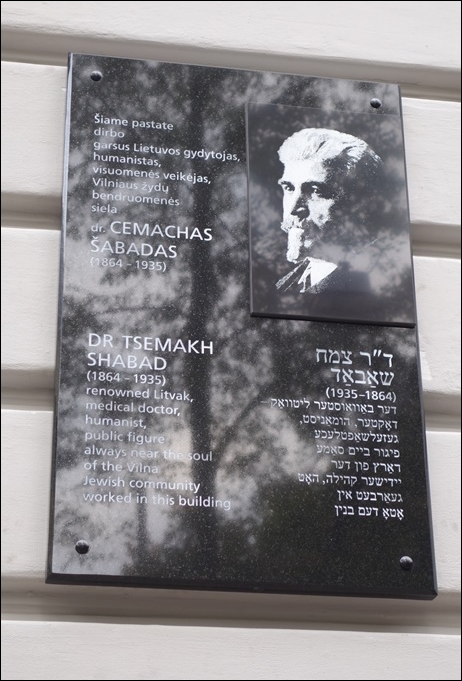
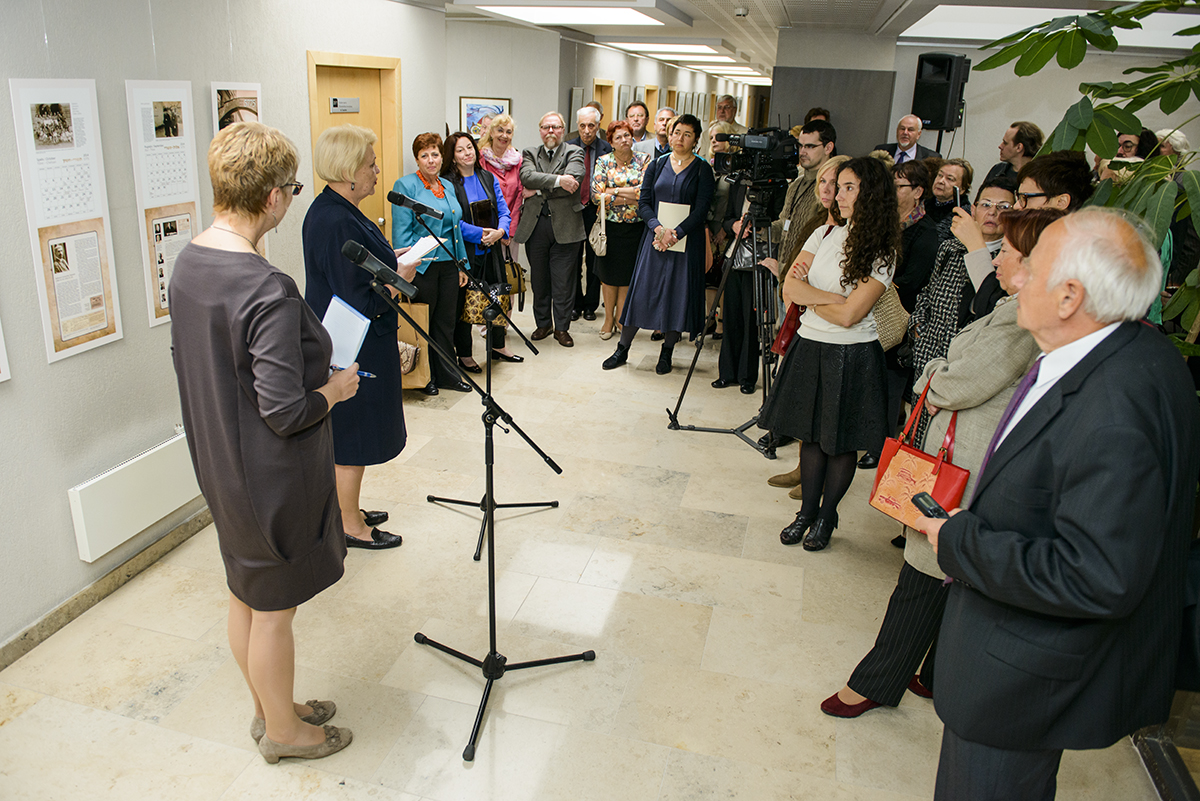
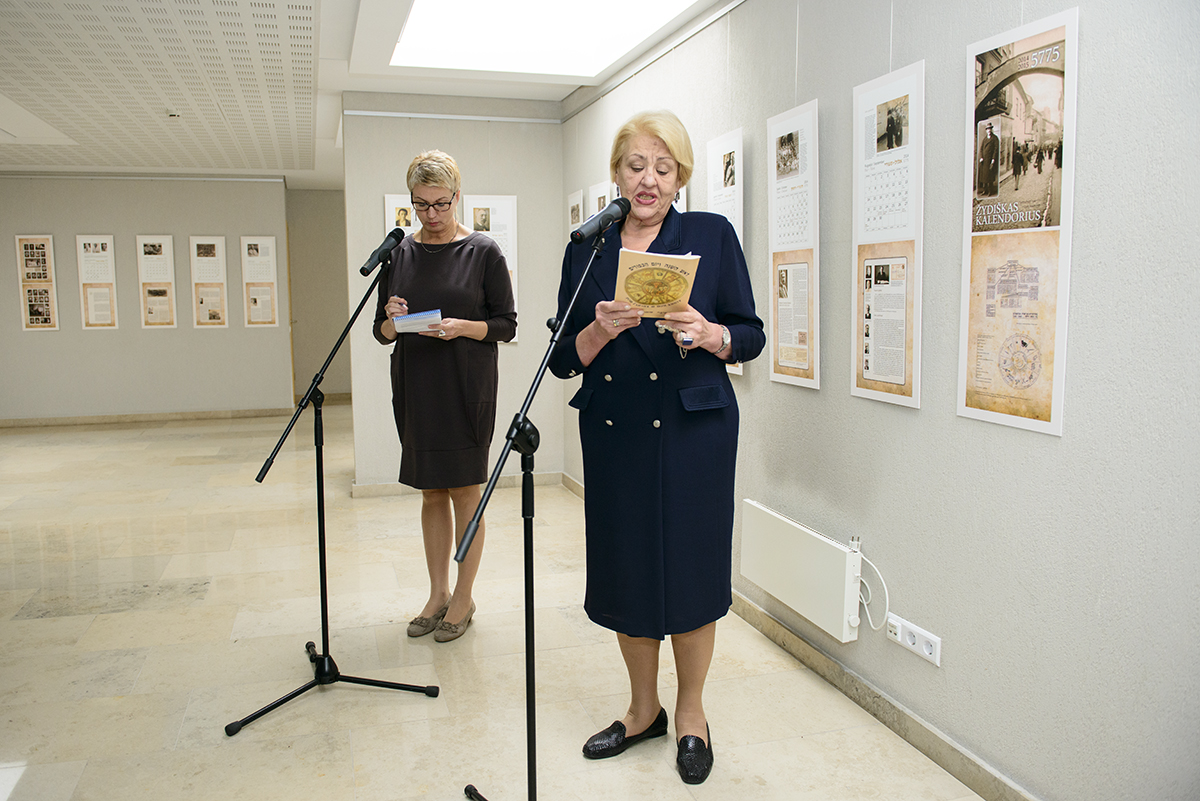
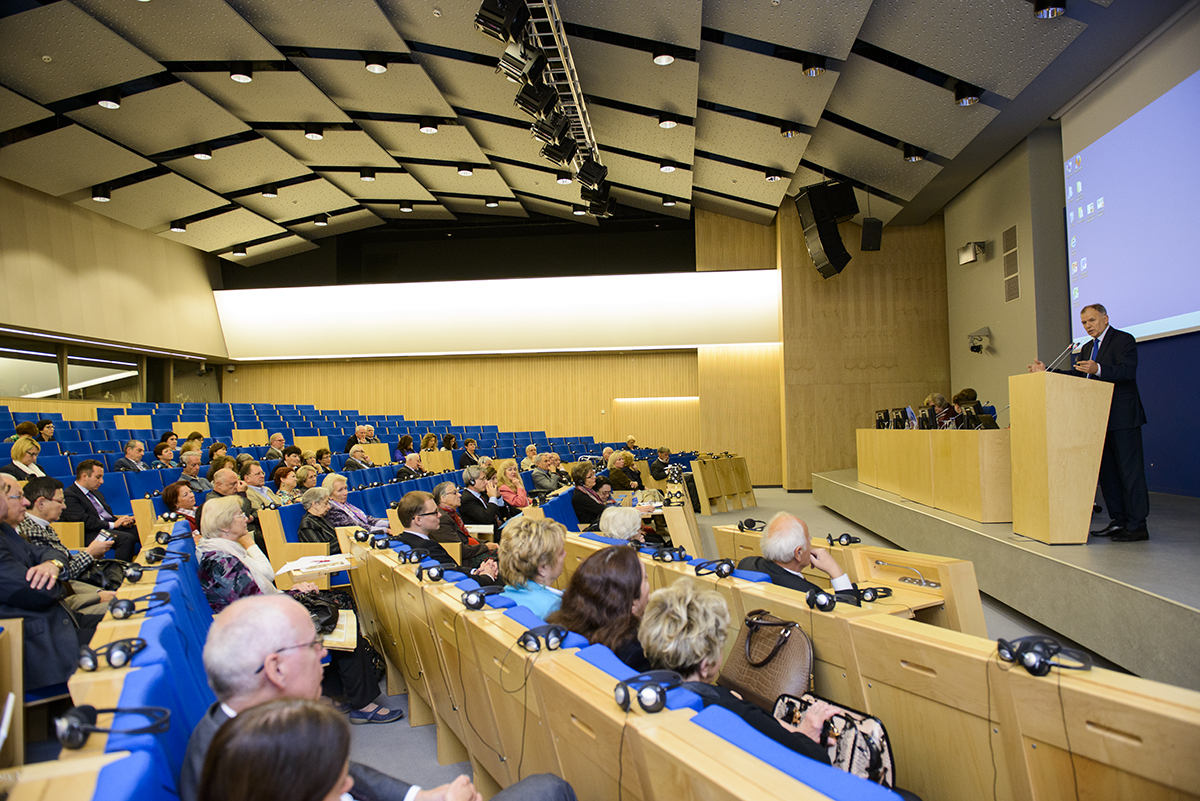
Tsemakh Shabad’s 150th Birthday Celebrated in Style at the Lithuanian Parliament

Tsemakh Shabad’s 150th Birthday Celebrated in Style at the Lithuanian Parliament

by Defending History Staff

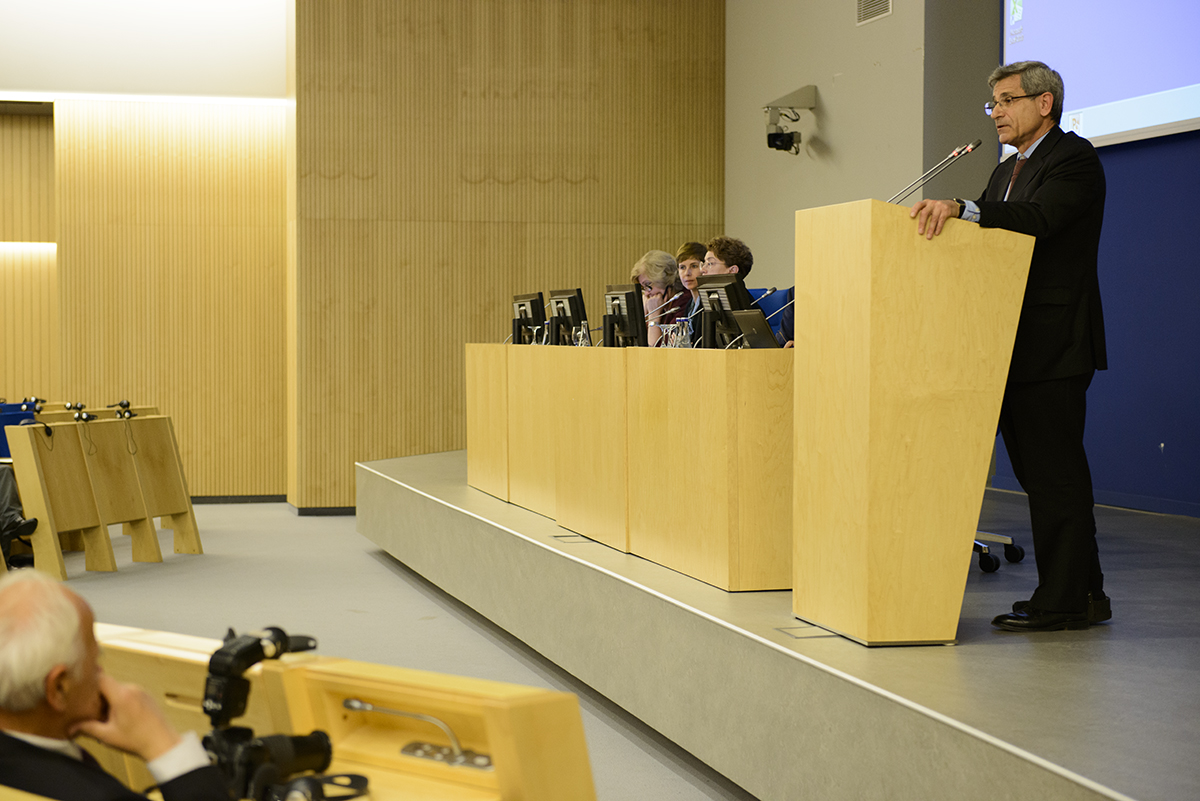
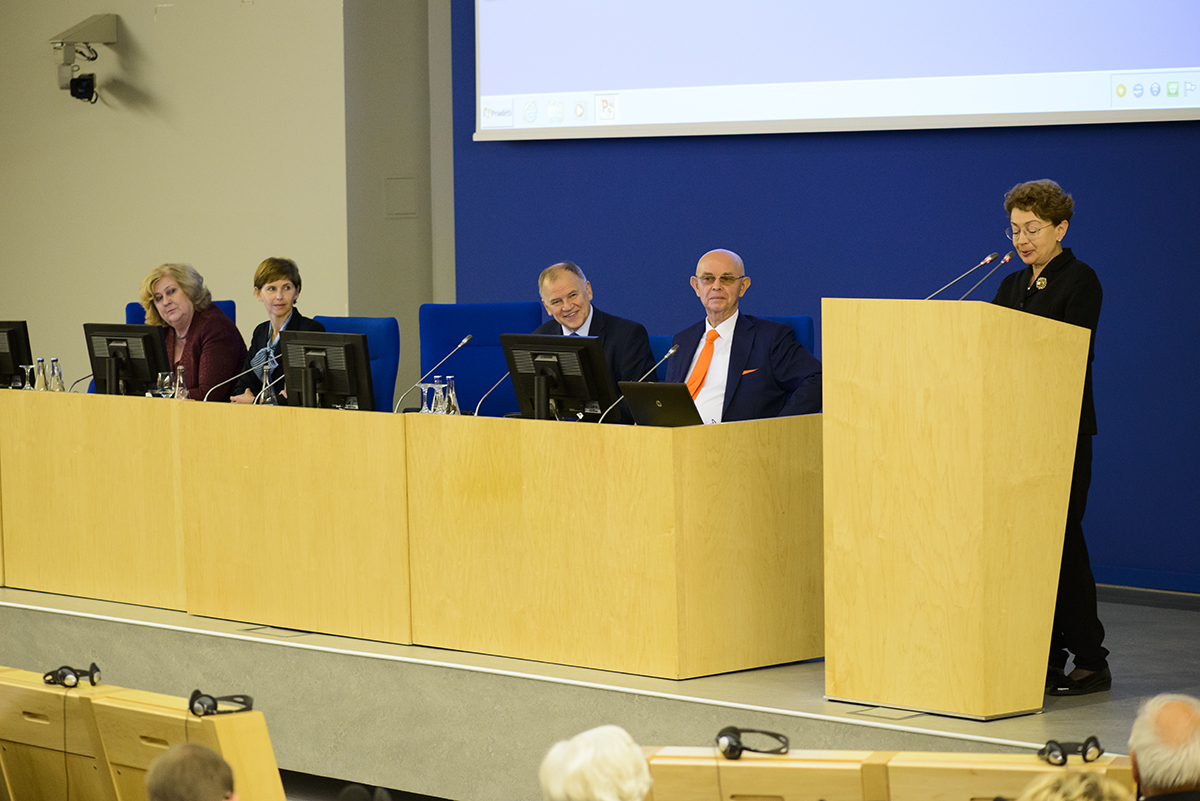
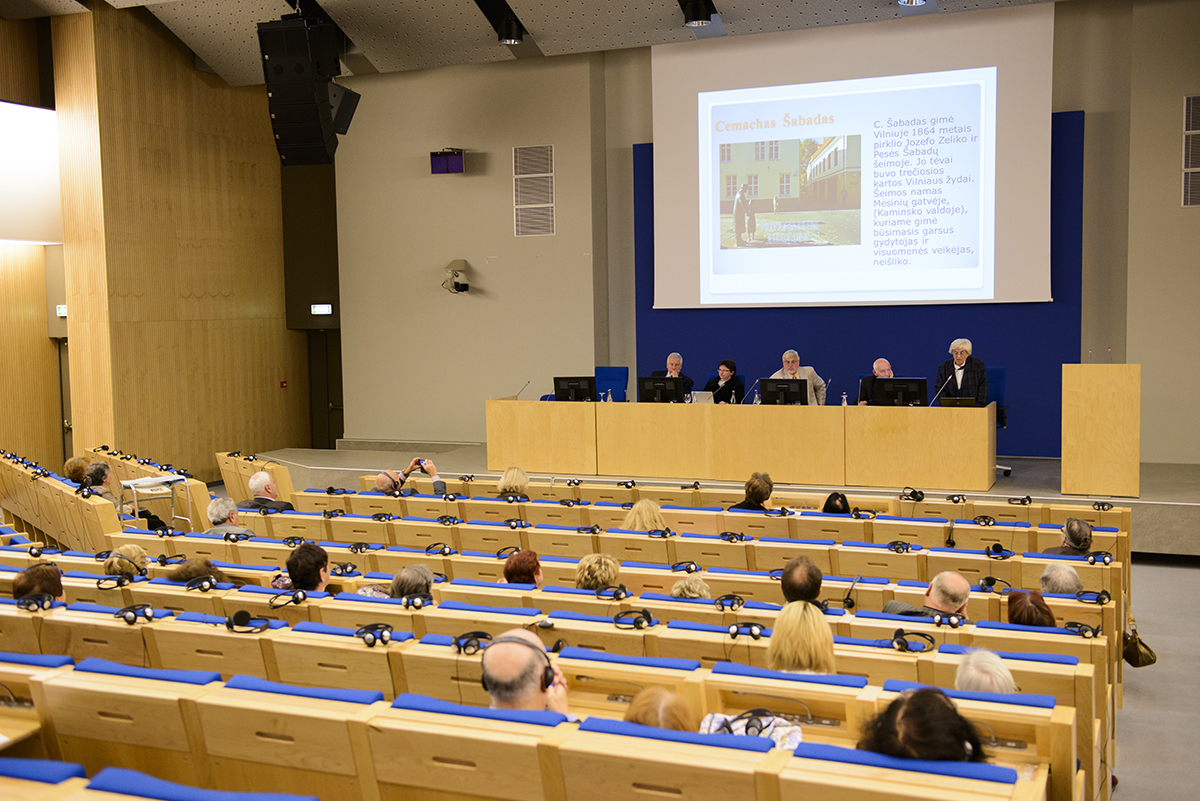
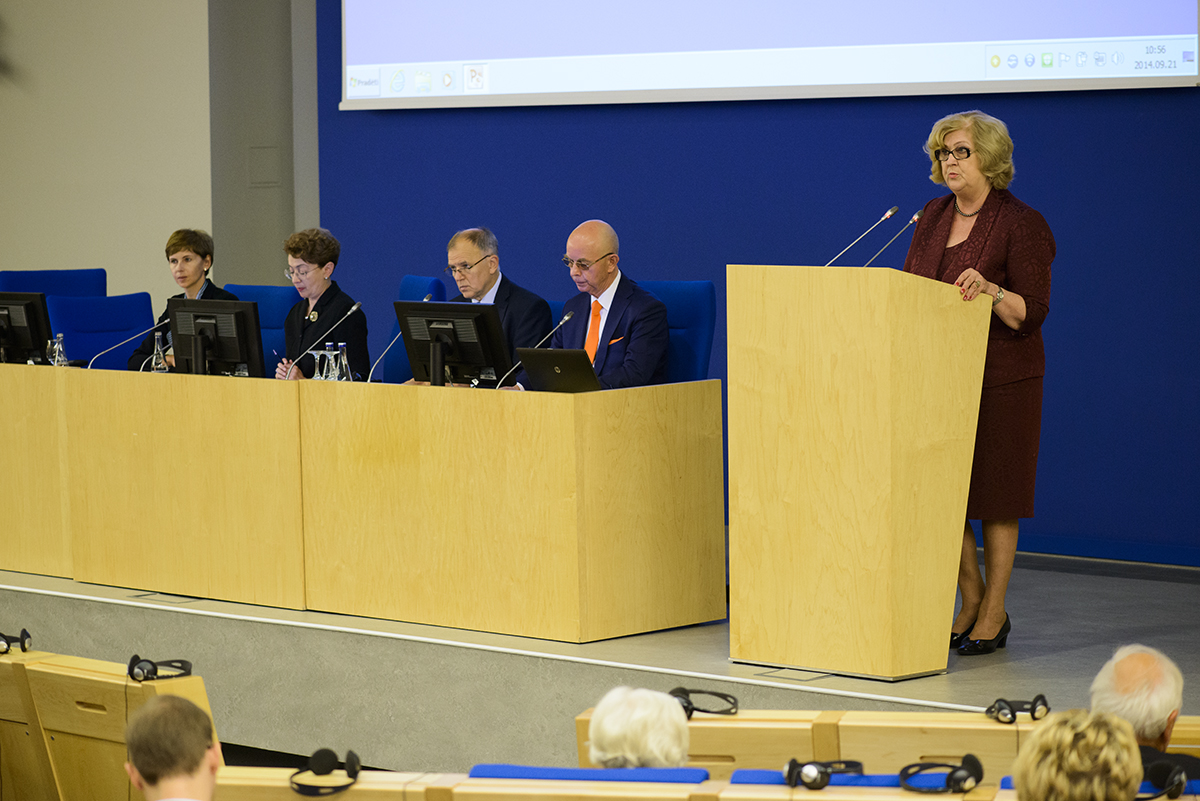
Asuccessful and intensive one-day conference, exhibition and city plaque unveiling were all held today in Vilnius, the Lithuanian capital, to mark the 150th birth year of the celebrated and beloved Dr. Tsemakh Shabad (1864–1935), Vilna physician, public health advocate, benefactor, Yiddishist theoretician and builder of the Yivo institute and exemplary modern Yiddish schools, who was also a  representative in the city’s municipality. Shabad was a legend in his own time. When poor sick children in any shtetl of Vilna province, of whatever nationality or background, were in danger of imminent death from disease, there were no greater words of relief than “Dr. Shabad is on the way.”

>>Read more

Moments from the events:

kalendorius (1) kalendorius konferencija (1) konferencija (2) konferencija (3) konferencija (4) konferencija

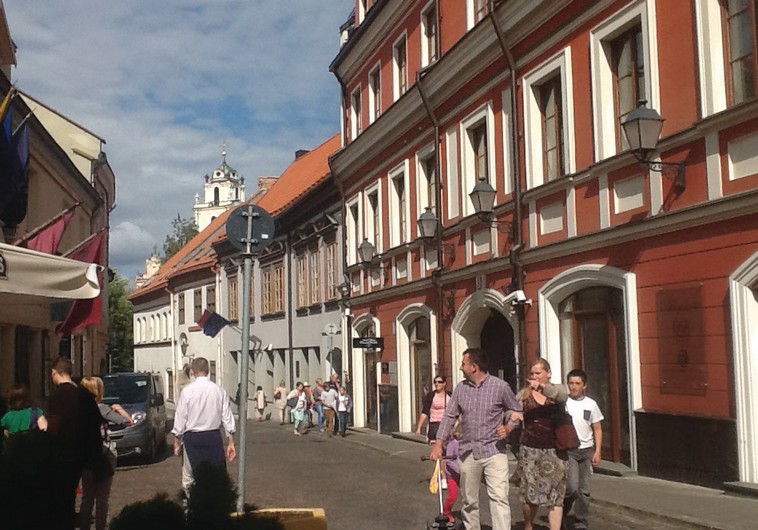
Travel: Let’s take it slow in Lithuania

Travel: Let’s take it slow in Lithuania

As the last European nation to abandon paganism – the Christianization of Lithuania took place only in 1387 – it’s not surprising to find that Lithuanians are great lovers of nature.

With over one-third of the country covered by forest, more than 6,000 natural lakes and only three million people in a territory around three times the size of Israel, Lithuania is certainly a land where nature comes to the forefront and time, occasionally, comes to a stop. And nowhere more so than at the traditional Lithuanian bath house – pirtis in Lithuanian.

Our group of five Israeli journalists visited the Angelu Malunas cabin (http://www.angelu-malunas.lt), situated on the edge of the Varniai Regional Park in the western part of the country. Built on the edge of a river, an old water mill has been turned into a bath house (don’t use the word “sauna” or you’ll really upset Richard, the owner), with a dining room above and some simple rooms for an overnight stay.

Invitation

Invitation

The Vilnius Jewish Community and the Vilnius Religious Jewish Community

INVITE YOU

at 6:00 P.M. on September 24 to attend at the Vilnius Choral Synagogue a celebration of

 ROSH HA’SHANA

 Program:

Quorum Ensemble (directed by Vitaly Neugasimov) performing passages of Jewish cantorial music.

Synagogue cantor Shmuel Yatom performing passages of Chazanut dedicated to the rebuilding of Jerusalem.

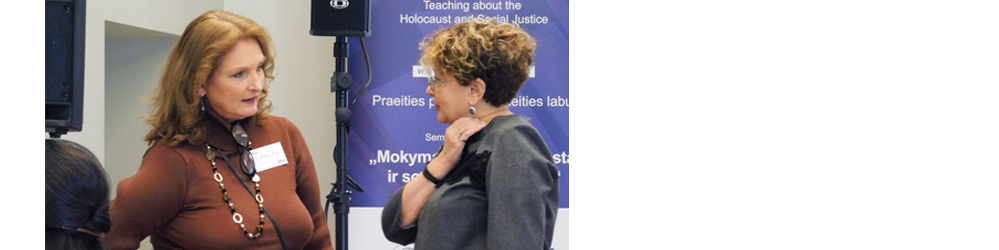
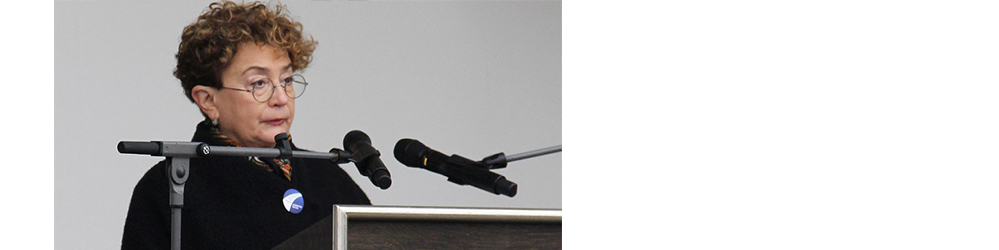
Holiday greetings from  Lithuanian Jewish Community chair Faina Kukliansky and chief Lithuanian rabbi Chaim Burshtein.

The event will begin with a short prayer.

There will be traditional Rosh Hashana food and free calendars for those who want them.

The event is scheduled to last from 6:00 P.M. to 9:00 P.M.

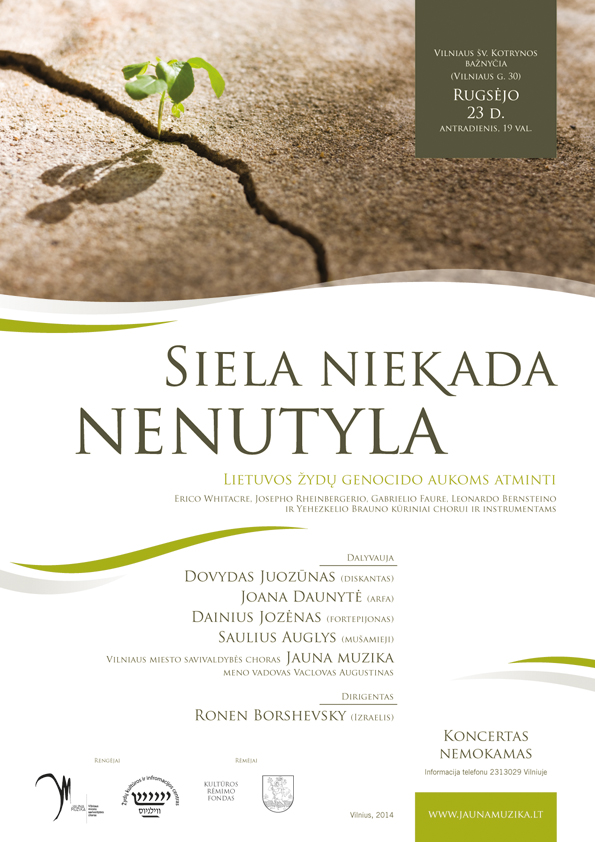
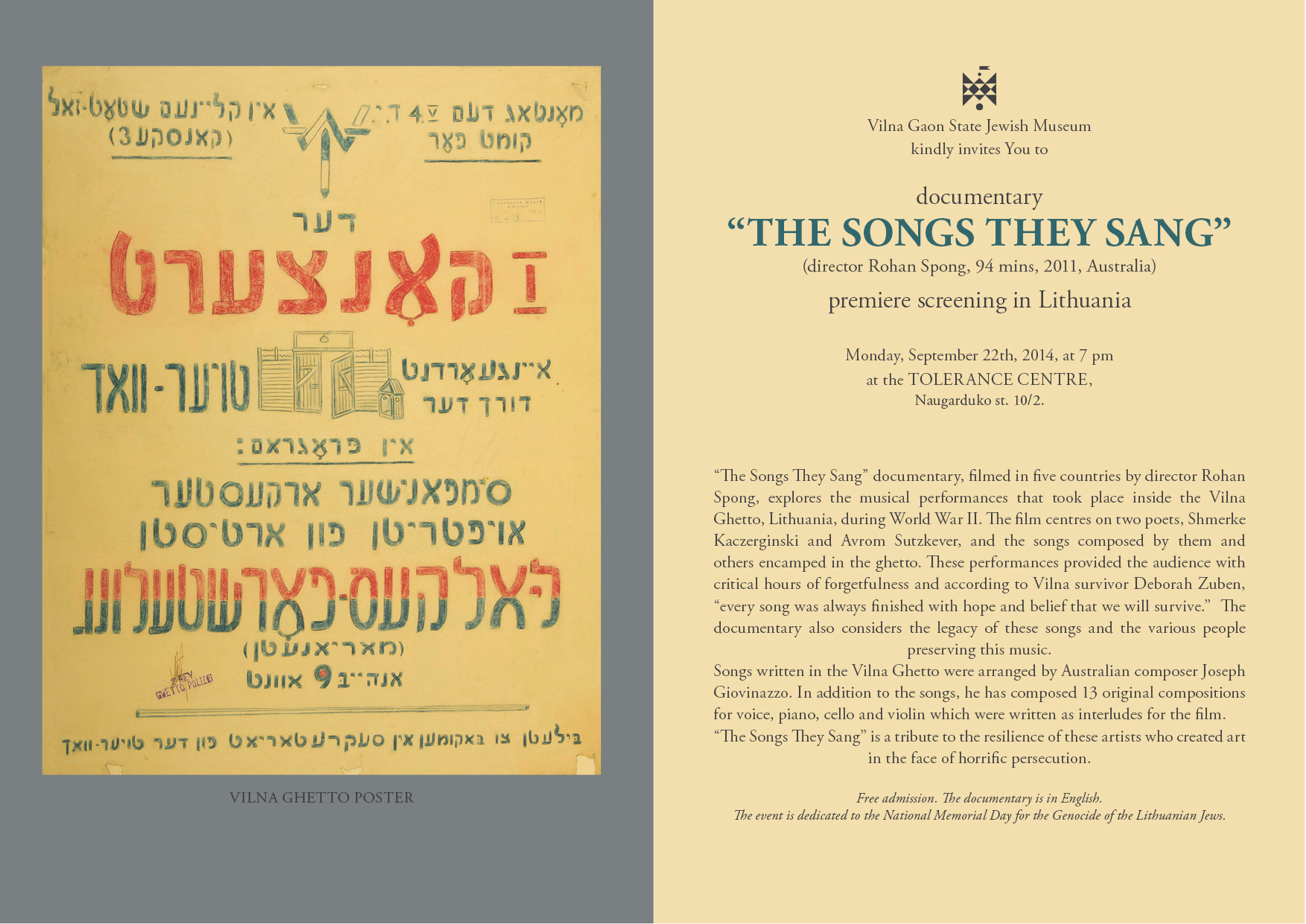
You’re invited to the concert “The Soul Never Rests”

You’re invited to the concert “The Soul Never Rests”

7:00 P.M., September 23, 2014

St. Catherine’s Church

Admission is free.

 There are certain pages of history you can never hide, pages important to the future generations as well as those of the present and past. One of these is the Holocaust.

We mark the Day of the Genocide of the Jews of Lithuania on September 23. On this occasion the Jewish Cultural and Information Center and the Vilnius municipal choir Jauna Muzika [Young Music] invite you to come and remember those who were part of our society, whose work, creativity and visions were ruthlessly exterminated. It is difficult to comprehend who we would be today if this hadn’t happened, and how our country and each of our lives have changed.

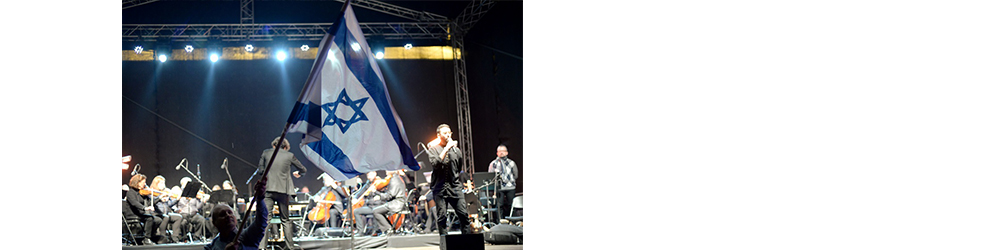
Ronen Borshevsky of Israel prepared the concert program. It includes a cappella choral works by Jospeh Rheinberger, one of America’s most beloved composers currently; Eric Whitacre and Israeli composer Yehezkel Braun; a choral and piano composition by Gabriel Fauré; and the culmination of the program will be Leonard Bernstein’s Chichester Psalms, performed by a young male soloist, a choir and an orchestra. The lyrics are taken from the Old Testament and will be performed in Hebrew and Latin.

The Vilnius municipal choir Jauna Muzika assisted by soloist discantus Dovydas Juozūnas of the Dagilėlis choir, harpist Joana Daunytė, Dainius Jozėnas on piano and Saulius Auglys doing percussion.

Economic relations with Israel growing stronger

Economic relations with Israel growing stronger

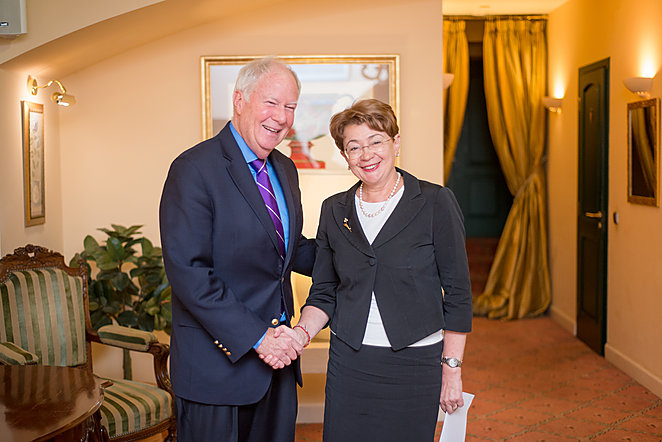
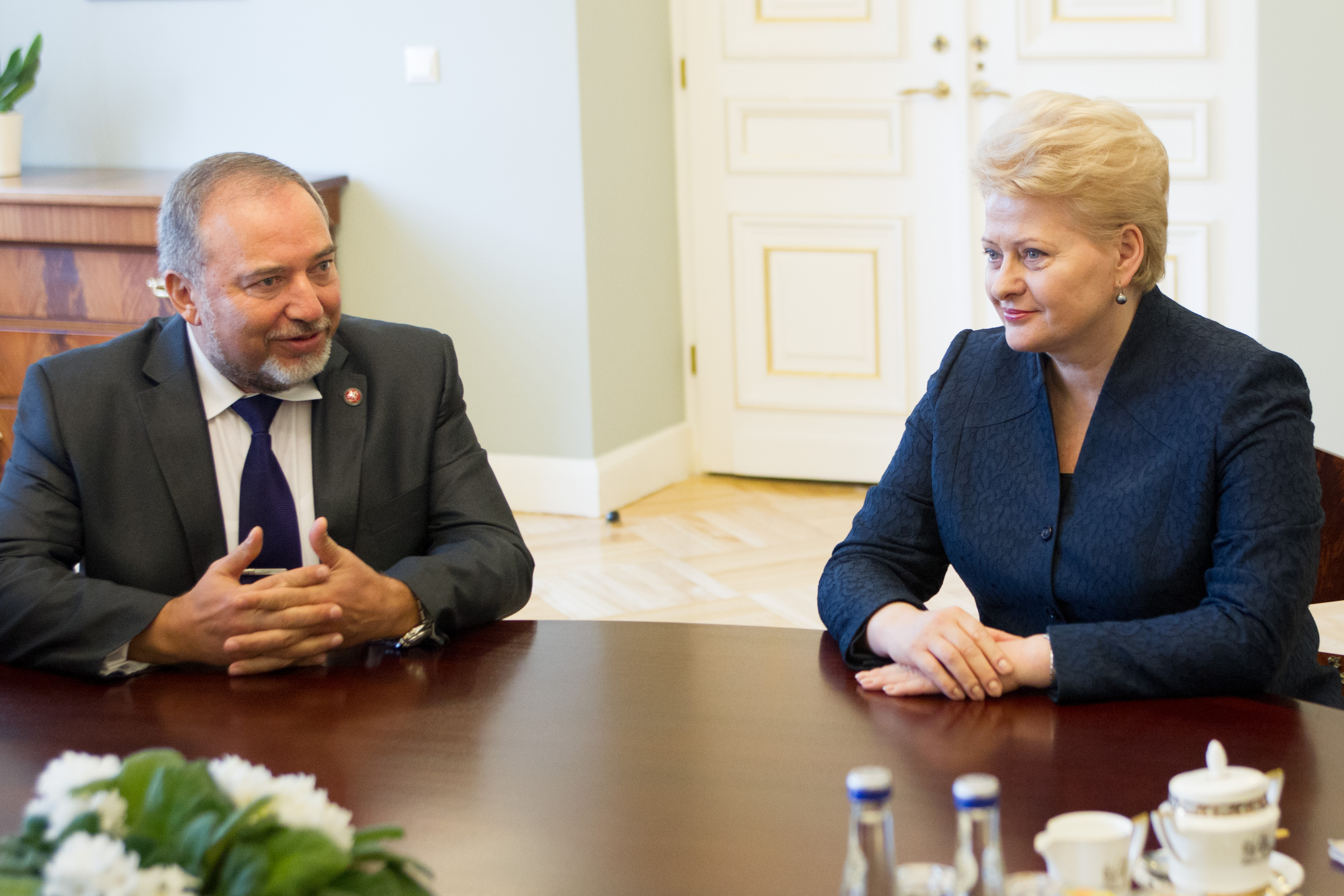
Thursday, September 11, Vilnius – President Dalia Grybauskaitė met with Israel’s Foreign Minister Avigdor Lieberman to discuss bilateral relations and the Middle East peace process.

 The President has underlined that Lithuania and Israel are the countries not rich in natural resources, but they have hard-working, talented, highly educated and skilled people. Therefore, especially great potential for bilateral cooperation lies in the spheres of research and innovation.

 According to the President, consistently growing and strengthening economic ties with Israel bring wider benefits to Lithuanian business and people. The two countries intensively cooperate in high technologies, life sciences and investment. Israeli scientists and entrepreneurs are active participants in the Life Sciences Baltics forum. Investments in Lithuania’s IT and research sectors are increasing. Tech Startup WIX, a famous Israeli web development and design platform company, has launched its information technologies development center in Lithuania this year.

 Bilateral trade and collaboration in tourism is growing. After launching direct flights from Vilnius to Tel Aviv last October tourist flows have doubled. Lithuania is also interested in opportunities to expand exports of food products to Israel.

 The President noted that bilateral cooperation and people-to-people contacts between the two countries would be further enhanced by the Embassy of Israel planned to be opened in Vilnius next year.

 As the Memorial Day for the Genocide Victims of Lithuanian Jews and the 70th anniversary of Kaunas and Šiauliai ghetto liquidation are approaching, the President and the Foreign Minister talked about the preservation of historical memory, Holocaust education and promotion of tolerance.

The Middle East peace process was also discussed at the meeting.

Copyright – V. Skaraitis/BFL

Press Service of the President
Israel to open embassy in Lithuania

Israel to open embassy in Lithuania

Foreign Minister Liberman thanks the Vilnius government for its support at the UN during recent Gaza conflict 

oreign Minister Avigdor Liberman announced on Thursday that Israel would be opening an embassy in Lithuania, in what he called another indication of improving ties between the two countries.

“The ties between Israel and Lituania have grown much stronger in recent years and that is expressed, among other things, by the opening of a Tel Aviv-Lithuania air service, and the development of economic and business ties between the countries in high-tech, technology, and medicine,” Liberman was quoted by Ynet as saying.

The embassy is set to start operating at the beginning of next year in the capital Vilnius.

Major Increase in Wealthy French Jews Seeking to Move Assets to U.S., Flee Anti-Semitism in France

An attorney at a top New York law firm representing high-net-worth clients told The Algemeiner on Sunday that he has seen a dramatic increase in inquiries from wealthy French Jews who are looking to relocate to New York and invest locally due to violent antisemitism on the continent.

“Until recently there wasn’t a huge interest in French Jewish families emigrating or making a big move of their assets somewhere,” noted Marlen Kruzhkov, ofGusrae Kaplan.

Latest statistics report that the 500,000 – strong French Jewish community has passed the former Soviet Union states as the largest source of Jewish emigrants to Israel.

Since the beginning of 2014 and especially since Israel’s recent Operation Protective Edge against Hamas rocket fire out of Gaza, “from two to three people a year, I’ve gotten calls from two to three dozen people in the last three months,” Kruzhkov said.

Kruzhkov’s clients average net worth is in the $50 to $70 million range, according to a report in the New York Observer. While he’s worked with French-speaking Jews for close to a decade, he pointed out that even some of his non-Jewish clients are aghast at what they see happening in France.

Rūta Vanagaitė: Lithuania is still competing with the Holocaust

Rūta Vanagaitė’s project “The Paneriai Lullaby”, which lets you interact with Jewish culture for a day, is one of the most successful projects financed by the European Commission (EC).

This year it once again received EC support. Rūta Vanagaitė, the initiator and implementer of the concept, told us what it was that most influenced the success of this project.

You said that you know that in your family there were people who, probably without any choice in the matter, collaborated in the tragic destruction of the Jews in Lithuania. You stated also that you have a choice and so started this project. How did the thought come about for this project and what inspired the initial idea?

I always do only what interests me. I don’t know Jewish Vilnius. I used to live in a house that once belonged to Jews. Where are they now? In Paneriai? I knew practically nothing about the Litvak culture or traditions of Vilnius. I am ashamed to say, I was asked by an artist once taking part in the LIFE festival to show him Paneriai and I couldn’t find it. And so the idea of creating this project came about, one that would expand my own knowledge and be of interest to my friends, my children and their friends.

More at delfi.lt