










February 10, 2015, M. and K. Petrauskas Museum of Lithuanian Music
The Kaunas branch of the M. and K. Petrauskas Museum of Lithuanian Music (K. Petrausko street no. 31) invites the public to attend the opening of an exhibit called “Prepared for Life: the ORT in Lithuania” at 4:00 P.M. on March 3. The exhibit illustrates the activities of the ORT organization in Kaunas including arts and crafts courses, daily school life, student-teacher activities, snapshots from school life, reminiscences of classmates and teachers, the importance of having a profession in the ghettos during the Holocaust and ORT activities around the world and in Lithuania today. The exhibit will run until April 4. Admission to the opening ceremony is free.
The mobile exhibition in Lithuanian and English was prepared by the Vilna Gaon State Jewish Museum and the World ORT with the cooperation of the Lithuanian Central State Archive and is dedicated to the history of the ORT as it operated in Lithuania between the world wars. The ORT is a Jewish educational and training organization which continues to operate today around the world.
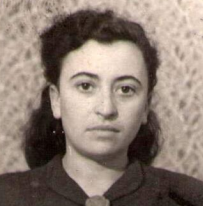
Our deepest condolences to Jewish (Litvak) Community of Lithuania chair,
attorney Faina Kukliansky, and to her extended family, upon the death of
her beloved mother, Mrs. Klara Toides-Kuklianskienė.
Mrs. Toides-Kuklianskienė was born in Šiauliai, Lithuania in 1930, and
lived and worked in Vilnius. She spent the last decades of her
life in Israel.
Jewish (Litvak) Community of Lithuania,
Vilnius Jewish Community,
Religious Jewish Community of Lithuania,
Religious Jewish Community of Vilnius,
The Good Will Foundation
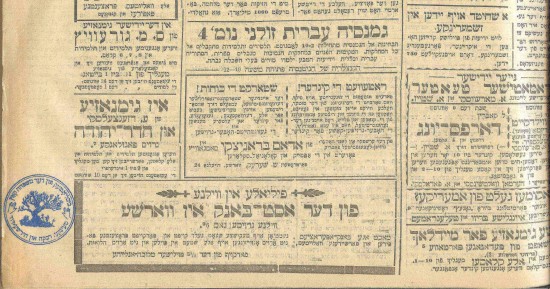
Latest addition to our Yiddish mini-museum of old Jewish Vilna (50th artefact): an advertisement from 8 August 1919 inviting parents to enroll their children in the Hebrew high school at Zaválne 4 (the gymnasium founded by Dr. L. Epstein in 1915). That is the building we all know here today as Pylimo 4, headquarters of the Jewish Community of Lithuania Lietuvos žydų bendruomenė). At that particular stage of the Hebrew movement in Vilna, the street name retained its final Yiddish shewa vowel (later to be hebraicized to -a).
The Lithuanian Jewish (Litvak) Community, deeply upset and concerned by recent anti-Semitic attacks in the Kingdom of Denmark and France and by the rise in neo-Nazi tendencies all over Europe, calls upon the government institutions of the Lithuanian state to take stock of the situation in Lithuania at the current time. By identifying the problem of ethnic hate early, we can prevent possible tragedy in the future.
The slogan chanted by the Lithuanian Union of Nationalist Youth, “Lithuania for Lithuanians,” although it might have made some sense in the past in a specific historical context, should have no place today in the modern person’s worldview. The negative subtext of the slogan–animosity towards other ethnicities–is obvious.

Far-right group invokes notorious Goebbels propaganda film in new video
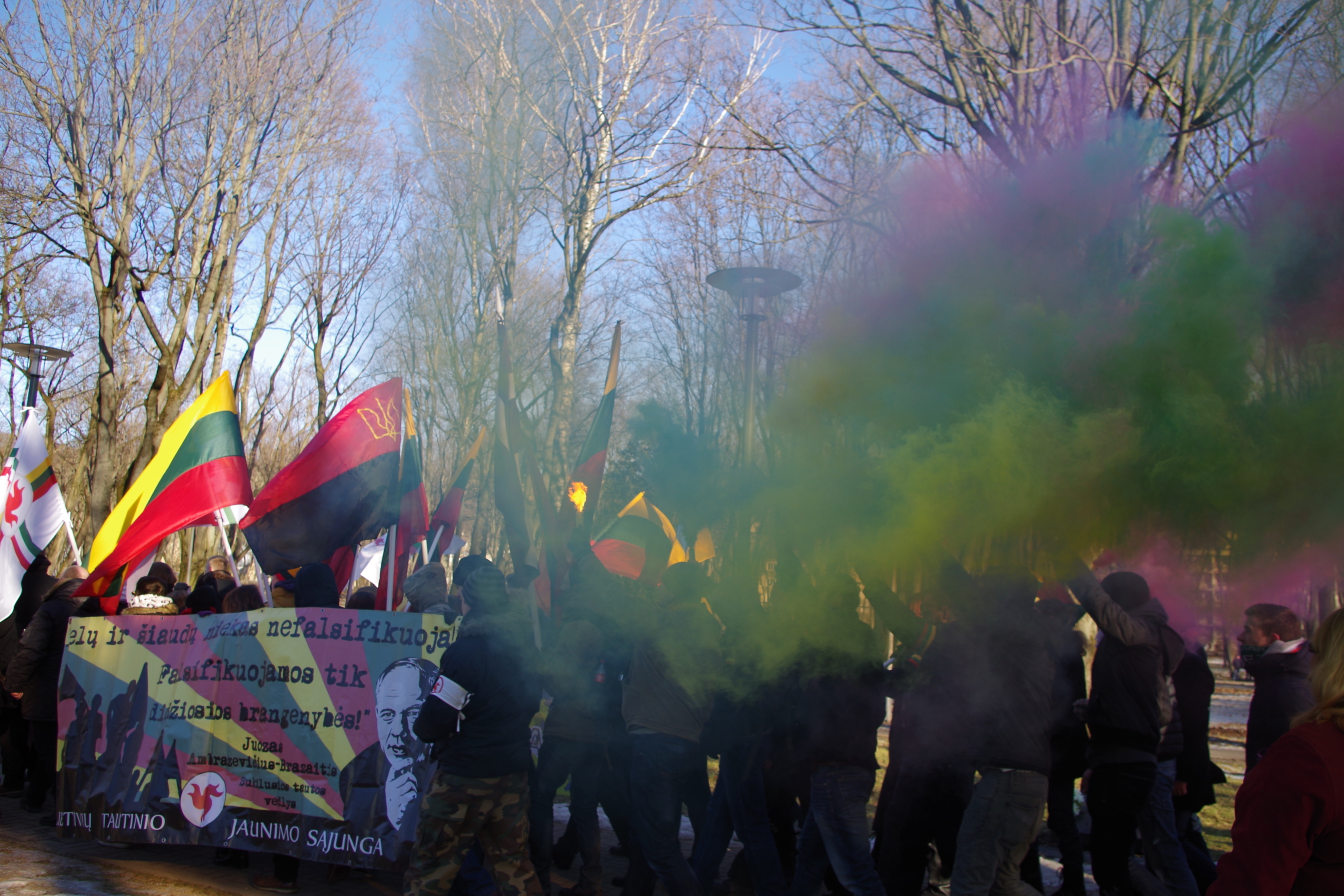
Following what appeared to be a series of diversionary actions, an annual march by Lithuanian nationalists, xenophobes and neo-Nazis through the center of Lithuania’s second largest city, Kaunas, appears to have failed this year.
In earlier years the number of marchers easily reached 1,000. This year barely 300 turned out, and the march began at least an hour and a half later than planned.
The reason for the small turnout seems to be a series of false reports in the mainstream and internet social media by the nationalists themselves, apparently designed to throw off the small but equally determined mix of local and foreign observers and protestors who come each year to document and oppose the hate event.
Baltic Nazi-Glorifying Marching Season Underway
COME JOIN US IN KAUNAS, MONDAY 16 FEB. at 1 PM (1300), AT RAMYBĖS PARK, TO MONITOR, SILENTLY PROTEST, & REMEMBER THE CITY’S MORE THAN 30,000 MURDERED JEWISH CITIZENS.
Some of the media coverage to date at:
AFTER THE EVENT: JTA; 15min.lt; Alfa.lt; Balsas.lt; Delfi.lt; FB; Info.smi; Interfax; Lrt.lt (+video); Lrytas.lt; Obzor; Simon Wiesenthal Center; Stormfront; RUN-UP TO THE EVENT: i24; Defending History (+correspondence with mayor’s office).
It gives us great honour to invite you to a special teleconference discussion between Jewish leaders from Europe and Mr. Naftali Bennett, Israel’s Minister for Diaspora Affairs, to be held: Tuesday 17th February, 2015, at 18:00 Israel time.
This discussion follows the horrific terror attack on a Synagogue in Copenhagen and in light of the growing threats facing Jewish communities in Europe from rising anti-Semitism and Islamic terrorists.
Interior minister decries ‘despicable act’; prime minister calls attack ‘anti-Semitic and ignoble’
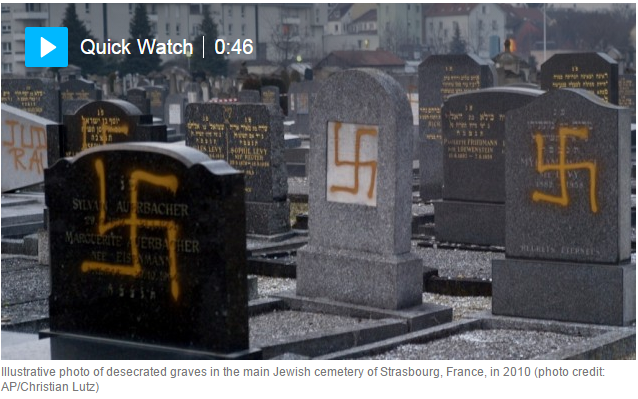
PARIS — France’s interior minister said Sunday several hundred tombs had been defaced at a Jewish cemetery in the east of the country, in what he called “a despicable act.

Below, (1) the text of DH’s letter to the mayor of Kaunas, (2) the response received today from his office, and (3) our further response, in connection with the annual neo-Nazi march planned for 16 February 2015 in central Kaunas. See also section on previous marches, and our 3 February 2014 correspondence with the Kaunas police. Note that a banner featuring a major Kaunas Holocaust collaborator, the Nazi puppet prime minister Juozas Ambrazevicius Brazaitis (reburied with full honors as a hero in Kaunas, in 2012), is depicted in a 2014 photograph used by the march’s organizers to advertise the 2015 event.
1
From: Dovid Katz
To: “meras@kaunas.lt”
Sent: Tuesday, February 3, 2015 12:28 PM
Subject: For the Honourable Mayor of Kaunas Andrius Kupčinskas
Dear Mayor Kupčinskas
I had the honor and pleasure of meeting with you at various memorial events in Kaunas in recent years.
The grandchild of Lithuanian Jews hidden during the Holocaust goes back
Maia Ipp writes in Tablet magazine: “In Lithuania, I felt connection – to my grandparents, to Jewish life and heritage, and to many individuals, Jews and non-Jews, who call Lithuania home.”
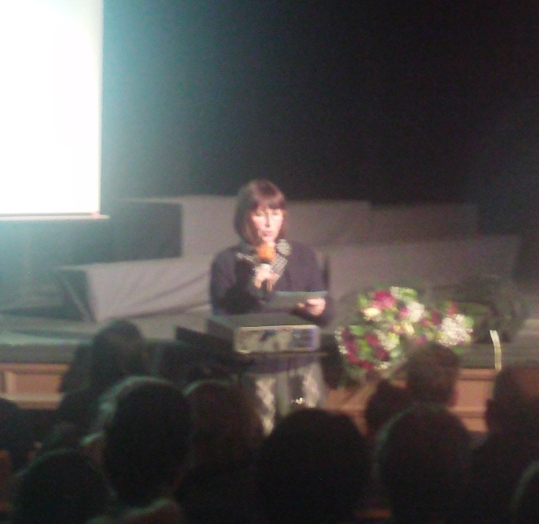
The Saulėtekis School in Vilnius devoted to education in the Russian language staged what school principal Reiza Zinkevičienė described as a “theatrical concert” at the Lelė Theater in the Vilnius Old Town on the evening of February 4.
The concert was also performed at the school two days earlier, and was conceived as part of on-going Holocaust education programs at the school. Principal Zinkevičienė, who is Jewish herself, said the event was organized together with Lithuania’s International Commission for the Evaluation of the Crimes of the Nazi and Soviet Occupation Regimes in Lithuania, which has been working in cooperation with Israel’s commemorative authority Yad Vashem to train teachers from Lithuania on how best to organize and teach the Holocaust. She said several of her teachers had been to Yad Vashem for the two-week courses, and that for them, for her and for their school, this was a spiritual mission more than merely an educational matter.
Israel’s first ambassador residing in Vilnius, Amir Maimon, says Lithuania should be more active in inviting tourists from his country and step up cooperation in the fields of defence and high technologies.
“Even it is very grey outside, you have a beautiful country. But I feel and sense that the average Israeli still didn’t discover Lithuania. And it will be for your side to take the necessary actions and promotion in order to attract more and more Israelis to come. Lithuania is not just Paneriai or the ghetto here in Vilnius. You have a lot to offer, but you need to ask yourself what can you do in order to be attractive to Israelis. The Israelis are well–known for their adventure characters. They like travelling, they like to discover new places,” the ambassador told BNS.
by Julius Norwilla
This year much of the world commemorates the seventieth anniversary of the liberation of Auschwitz in 1945. The day of its liberation, January 27th, is International Holocaust Remembrance Day. To mark the day this year, on the 26th of January, the Jewish Community of Lithuania organized three events, as reported in Defending History.
The final event of the day was the book launch for The Šiauliai Ghetto featuring as sole announced speaker its author, Dr. Arūnas Bubnys, director of the Genocide and Resistance Research Department of the Genocide and Resistance Research Center of Lithuania; for a critical view of the Genocide Center, as it is known for short, see Defending History’s page and news section on the institution.
There were about eighty people in the community’s elegant Yasha Heifetz Hall, mostly people from today’s Vilnius Jewish community. Among them were a number who have a very personal relationship towards the Šiauliai Ghetto: their family roots are in this city and its region, known in Yiddish and Jewish culture as Shavl. Many have lost most of their families in the Holocaust.
Commentary by Faina Kukliansky, chair of the Lithuanian Jewish Community
Auschwitz in the winter, during International Holocaust Day, was as moving as the Holocaust survivors who met here. My thoughts swirled around the people who are still alive. In Lithuania the only still living survivor is Meyshe Preis, who through some sort of miracle survived the Auschwitz, Stutthoff and Dachau concentration camps. His poor health didn’t allow him to attend the commemoration of Auschwitz victims on January 27. Kings, queens and heads of state did attend. I want the people of Lithuania, her politicians and high-ranking civil servants, and especially her decision makers, to understood that a trip to Auschwitz is not the same thing as travelling to Brussels for the usual meeting.
Seventy years ago the Jew were liberated, but they were persecuted en masse from 1939. Lithuanian president Dalia Grybauskaitė, foreign minister Linas Linkevičius and the chair of the Lithuanian Jewish Community travelled to the ceremony and were deeply affected by it. I believe their attitude is that of the state regarding Holocaust survivors, whose children and grandchildren now form the basis of our community. I will interject here that representing the community doesn’t mean that some high institutions choose a certain Jew for the post according to merit. That’s how it was for many years. If there’s a Jewish community which elects its chairperson democratically, then the chairperson must represent the community and Lithuania as well, if the community is loyal to the state and sees itself as a part of the country.
A unique Vilnius Jewish archive, which was scattered during the Holocaust, will be revived in a virtual library in a few years.
In January, the Lithuanian Central State Archive started preserving the documents collected by the Jewish scientific YIVO institute that operated in Vilnius between the two world wars to be able to later digitize them and upload on a special database on the Jewish life in Eastern Europe.
It is not surprising that experienced journalists and politicians as well as leaders of well-known Jewish institutions, who are following Ms. Kukliansky‘s activities devoted to expose Nazi criminals as well as to fight Neo-Nazism, were left in a complete state of confusion after reading Mr. Zuroff ‘s so called protest .
Perhaps it is much easier to simply demonize some small country‘s even smaller institution, unjustly accuse chair of local Jewish community and exalt her deceased predecessor than to engage in any kind scientific research or a civilized discussion.
Mr. Zuroff, as it shows in his letters (here and here) of January 28 addressed to Ms. Kukliansky, was extremely quick to judge the cooperation between Jewish Community and Genocide Center. While the Jewish Community and Genocide Center certainly do not agree on some issues, the recent cooperation between the two institutions has brought some positive results: