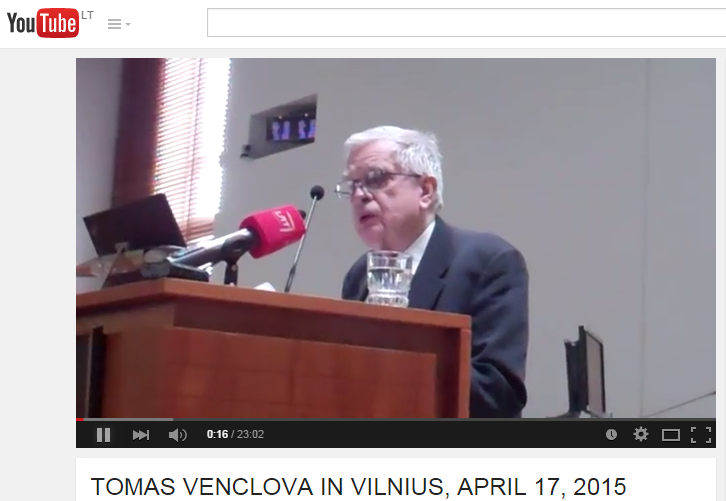
Informal video of Tomas Venclova’s talk at Ruta Vanagaite’s conference and related issues, 17 April 2015, held at the Vilnius Municipality.



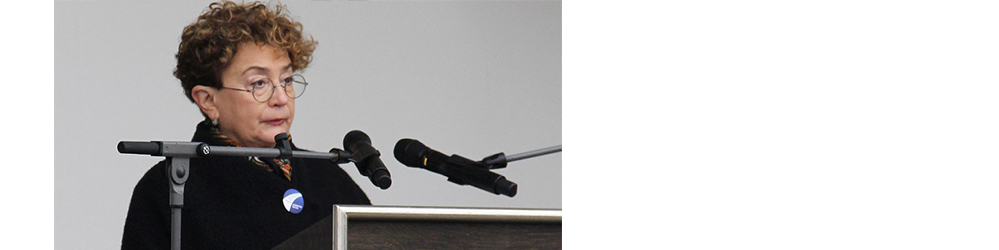





Informal video of Tomas Venclova’s talk at Ruta Vanagaite’s conference and related issues, 17 April 2015, held at the Vilnius Municipality.
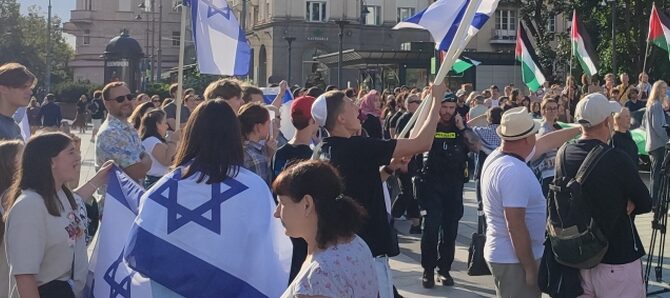
Hundreds of people attended the traditional March of the Living on the Holocaust Memorial Day from a railway station to the memorial where 70,000 Jews were massacred during World War Two.
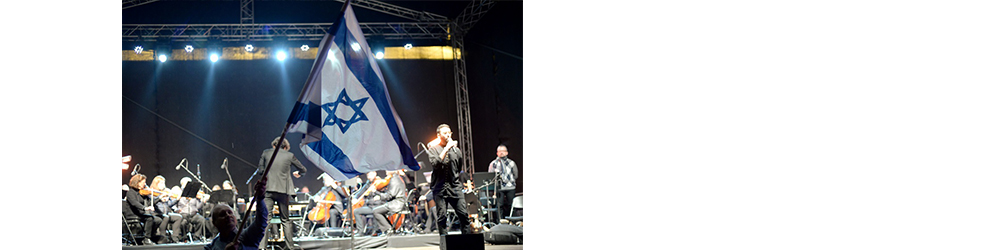
Under flying Lithuanian and Israeli flags, the rally included Jews living in Lithuania, people from Israel and a few hundred young people who formed a human David’s Star in front of the Vilnius Town Hall before the march.
“If we’re talking about Paneriai, it is a factory of death. The only word I can think of is horrible. I am here at this rally because I owe my family – I need to preserve their memory,” Fania Brancovskaja, 93-year-old survivor of the Holocaust in Vilnius, told BNS.
April 16, 2015, is Yom haShoah, Holocaust Remembrance Day, and the traditional March of the Living will take place in Lithuania, marking the route to Ponar where 70,000 Lithuanian Jews were murdered. This year 600 young people from Vilnius will take part along with the Jewish community. The march will have a unique start this year, with the 600 young people forming a human Star of David at 11:00 A.M. on the square outside the Old Town Hall in Vilnius on April 16.
Lithuanian Jewish Community chair Faina Kukliansky said Holocaust Remembrance Day marked by the March of the Living is an extraordinary event summoning many people to the Ponar memorial where they may travel the same path those condemned to death followed when they were brought in by train and forced to march their final march to the pits.
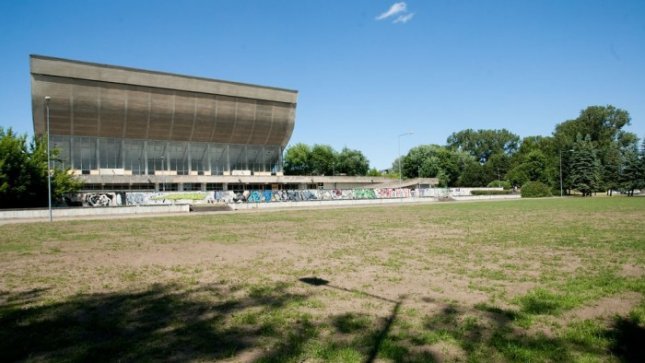
Baltic News Service reported April 14, 2015, that members of the delegation from a European Jewish cemeteries committee said they have no complaints over Lithuanian Government plans to refurbish the former Palace of Sports building complex located upon an old Jewish cemetery.
After the meeting Rabbi Hershel Gluck said: “This is an important day for the Lithuanian Jewish Community and for relations with Lithuanian state representatives and the Lithuanian people.”
He told reporters further that “this shows we can work together in a way beneficial to all sides. This is a new chapter in cooperation between the Jewish community and the Lithuanian Government. I want to express gratitude for these very positive steps.”

VILNIUS CONFERENCE 17 APRIL 2015
Final event of the project “Being a Jew” organized in Lithuania, Poland, Romania, Slovakia
Vilnius Municipality Council hall, April 17th
Conference agenda:
9.30-10.00 a.m .– Registration of Participants
Part I.
Discussion published by Andrius Kulikauskas on Monday, April 13, 2015 0 Replies
Greetings from Lithuania!
I share an article which I published at Dovid Katz’s website DefendingHistory.com, “How Did Lithuanians Wrong Litvaks?”
http://defendinghistory.com/how-did-lithuanians-wrong-litvaks-by-andrius…
It’s my English translation of an extended version of a talk that I gave in Lithuanian at the conference “Litvak Culture in Lithuania and Beyond” on December 11, 2014 at the Lithuanian Culture Research Institute in Vilnius.
I investigate the extent of Lithuanian responsibility for the Holocaust, but especially, the indiscriminate murder of roughly 80,000 Jews in Kaunas and the shtetls of Lithuania in 1941 as documented by the Jaeger report. The murder of women, children and the elderly was well under way even before September 1941, when Hitler made his decision to annihilate the Jews in his dominion, according to Christopher Browning.
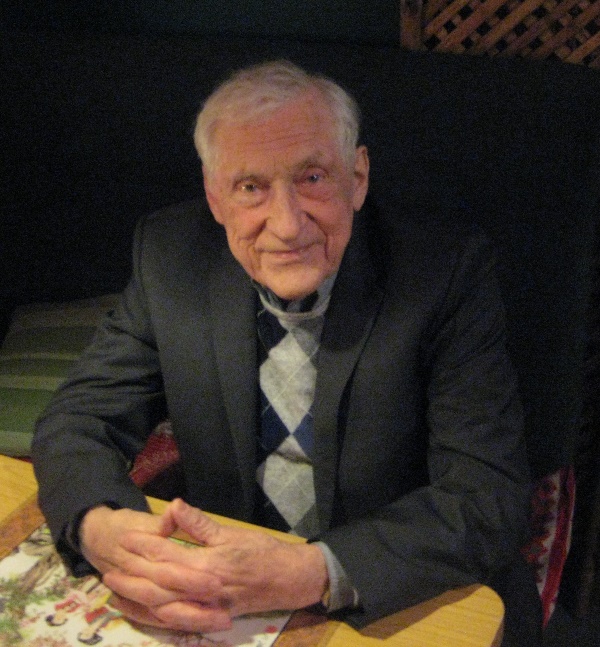
With profound sadness the Lithuanian Jewish Community mourns the loss on Thursday of one its founding members, Josep Levinson (1917-2015). Levinson was a pioneer in Holocaust research after World War II and located Jewish mass murder sites. He also led efforts to mark and commemorate such sites. His memory lives on in the his books “The Shoah: The Holocaust in Lithuania” and “The Book of Sorrow” he compiled and edited, monuments to the lost Lithuanian Jewish Community. The book contains information about and photographs of almost every Jewish mass murder site in Lithuania.
Josif Levinson grew up in the shtetl Vishéy (Lithuanian Veisiejai) in the Dzūkija ethnographic region of Lithuania. He was graduated from Vytautas Magnus University in Kaunas with a degree in engineering. In 1941 his father and relatives were murdered in the village of Katkiškė near Lazdéy (Lithuanian Lazdijai). He fought the Nazis as a serviceman of the 16th Lithuanian Division during World War II and was seriously injured. He was a founding figure of Vilnius’s Green House–the Holocaust exhibit of the Vilna Gaon State Jewish Museum–and was one of the primary historians in the field of Lithuanian Holocaust studies.
We mourn our great loss and offer our condolences to the immediate family of the esteemed scholar and tireless advocate of memory and justice.
Native of Vishéy (Veisiejai), Lithuania. Decorated hero of the Red Army’s war against Nazi Germany. Specialist engineer over half a century.
Fearless Litvak truthteller about the Holocaust in Lithuania who assembled the documents that outline the accurate history (as well as the intellectual history of “Double Genocide” revisionism).
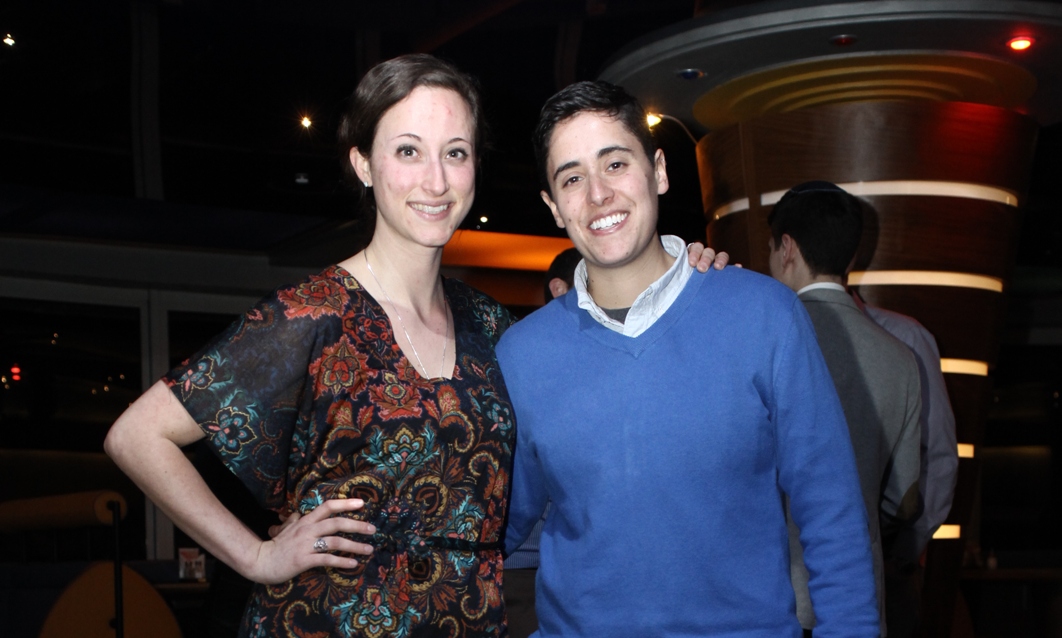
Two female rabbis, Rachel Logan and Hilly Haburn, decided to extend their study-tour in Lithuania this year in order to attend several different Passover seders here.
As usual, Vilnius had multiple public seders this year, including the usual Lithuanian Jewish Community seder, the Chabad Lubavitch Center’s seder conducted by Rabbi Krinsky, and the independent seder sponsored and organized annually by Rabbi Feffer. This year, however, Amit Belaitė, the president of the Lithuanian Union of Jewish Students, took things to a new level, literally. Her seder was held high above Vilnius, in the restaurant midway up the Vilnius Television Tower in the Karoliniškės neighborhood of Vilnius.
Belaitė’s luftseder was conducted by the two female rabbis who had been invited to stay on in Vilnius for this purpose, at 6:00 P.M on Sunday, April 5, 2015. On the first night of Passover they had attended the LJC seder, the Rabbi Samuel Jacob Feffer seder and the Chabad Lubavich seder of Rabbi Sholom Krinsky.
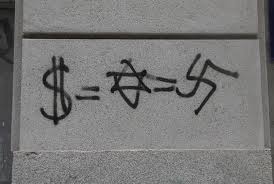
The Lithuanian news and variety magazine Veidas in their February 20, 2015 issue published a long article about the dangers of anti-Semitism in Europe and the prospects for an attack on Jews in Lithuania. The author interviewed several Lithuanian Jews, including Lithuanian Jewish Community chair Faina Kukliansky and head of the Sholem Aleichem Jewish school Miša Jakobas.
“The situation in Europe today is not very promising, it’s not looking good, and I am afraid it might get worse than it is now. I am a child of the post-war era. There are many people who say this generation whose parents experienced and survived the terrors of the war has many problems because we are always afraid. And I am personally afraid of the times past returning. Current events remind me of Nazi Germany, where everything also began from simple things: one person insults another, store windows are broken, and slowly things head towards what happened,” Jakobas commented for the Lithuanian magazine.
by Roland Binet (Braine-l’Alleud)
On November 17, 2013 I was invited and participated as a guest speaker at the Yizkor memorial event organized by the “Jewish Survivors of Latvia, Inc.” (New York). The event was held at the Park East Synagogue at 163 East 67th Street in Manhattan.
The really important speech, though, was given by Douglas Davidson, the US Special Envoy for Holocaust Issues. He dealt with the results of his numerous visits to Latvia pertaining to that specific issue: due restitution to the Jewish victims or their heirs. Their properties were stolen or requisitioned during the war and the massacres.
Mr. Davidson’s speech was interesting and gave the hundred or so listeners gathered in that beautiful synagogue a rather gloomy view of the chances that Jewish survivors, or entitled members of their families, would ever get back their stolen communal properties, or receive fair compensation.
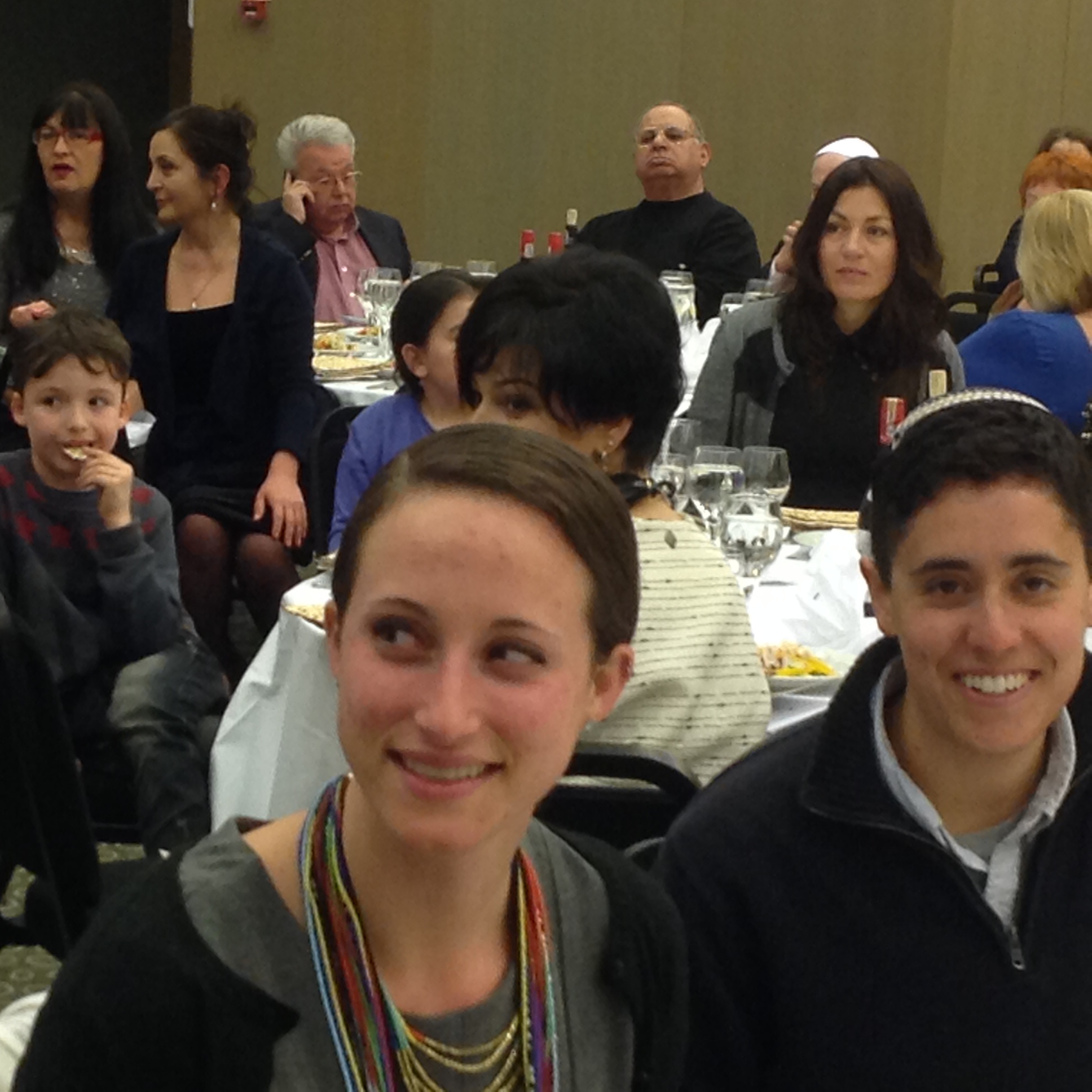
Two young female rabbis with a group of female rabbinical students from the USA and Israel took part in the annual Passaover Seder held by the Lithuanian Jewish Community on April 3 this year. The young Reform rabbis-in-training, who say talking about their beliefs does not in any way contradict anything in the Torah, stand in favor of sexual equality and diversity in Judaism.
The rabbis and students plan to attend a special Seder being held at the Television Tower on April 5 in Vilnius as well, an event organized by Amit Belaite, the president of the Lithuanian Union of Jewish Students and an active public Jewish figure in Lithuania.
Members of the public are invited to attend this seder with the two female Reform rabbis. The location is the Paukčių takas cafe, which is most of the way up the Vilnius Television Tower located at Sausio 13-osios street No. 10. The seder costs 10 euros (and the cost of riding the elevator to the cafe is included) and will begin at 6:00 P.M. on Sunday, April 5, 2015. Dinner will include soup, the tradition Passover foods, a hot dessert, wine, coffee and tea. There will be surprises, singing, ageless traditions as well as new friends made and a wonderful small bash of a party. The food will be kosher.
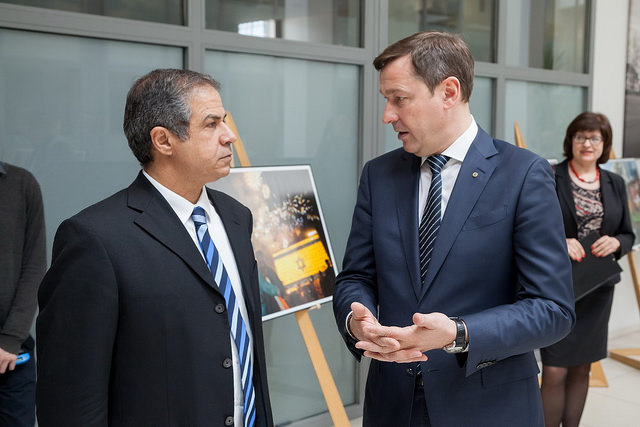
An exhibition of the famous Israeli photographer Zif Koren pictures is opened in Vilnius city municipality.
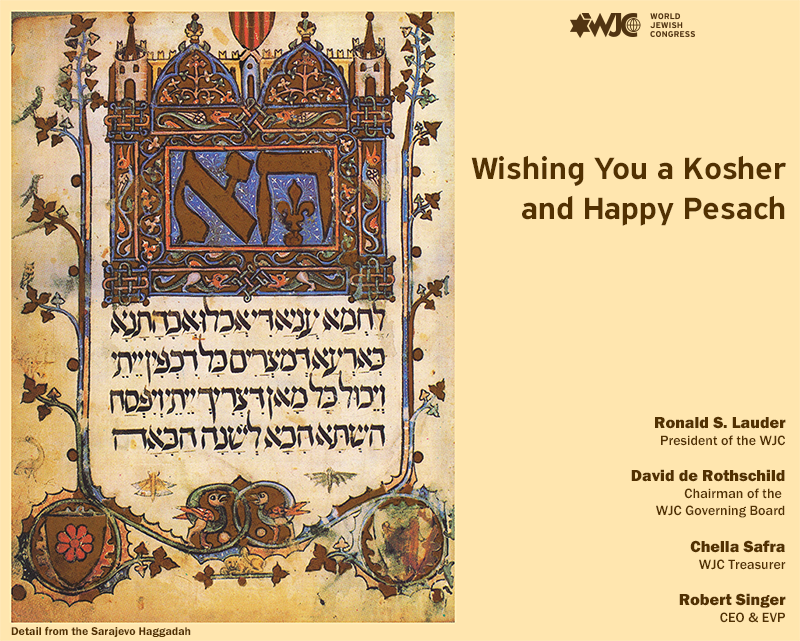

Passover is the major Jewish spring holiday celebrated in remembrance of the Jews’ liberation from slavery in Egypt. One often hears the name “Pesakh” used interchangeably for the same holiday, a word which, not coincidentally, refers to the Christian holiday of Easter in different forms in different European languages and cultures. Pesakh means “to pass over,” hence the English name of the holiday, Passover. In Hebrew and Aramaic there is another closely related word which sounds almost the same and means “I will have mercy, I will have compassion.” Both meanings come together in the Old Testament Book of Exodus, where the Jewish children are “passed over” by the angel of death and do not suffer the fate of the Egyptian children, demonstrating the mercy of the Most High.
Passover is first of all a holiday for teaching children Jewish history and culture. The Passover Seder is a dinner where the two prerequisite Passover offerings are savored: matzo bread, and bitter herbs. The matzo reminds us the Jews fleeing Egypt had no time to wait for their bread to rise, and the bitter herbs are tasted to remind us of the bitterness of slavery during the time of the Jews’ sojourn in Egypt.
There are special rules which apply when Passover begins on the Sabbath, as it does this year, on the evening of April 3. The holiday lasts for eight days.
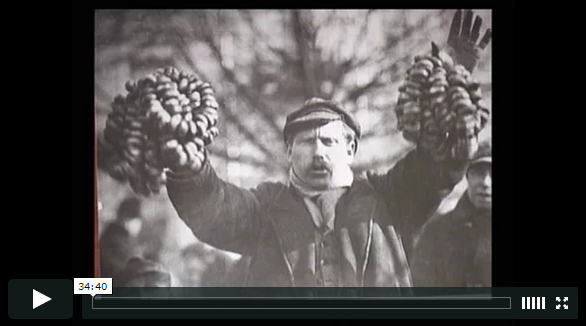
“Jaunystės Vilnius,” or “Vilnius of Youth,” tells the story of a city in a rural Polish province during the period between the two world wars which had its own rhythms of daily life and which has been completely forgotten in contemporary legends. The filmmakers have attempted to bring to lost Yiddish-speaking Vilne to today’s viewers.
Newspaper pages in five languages and archival footage tell the story of Vilnius in the period from 1925 to 1939 as residents of the city from that time remember their schools, their crushes, their dates and their families. They do so through the medium of their native Yiddish language. Strange details from that landscape emerge, such as the only Jewish girl on her street who ate bread with butter everyday, arousing jealousy…
Directed by Vaidotas Reivytis
Screenplay and scenes by Jonas Morkus
The filmmakers have also made four documentary films in a series called Saulėlydis Lietuvoje [Sunset in Lithuania] about the history of Lithuanian Jews.
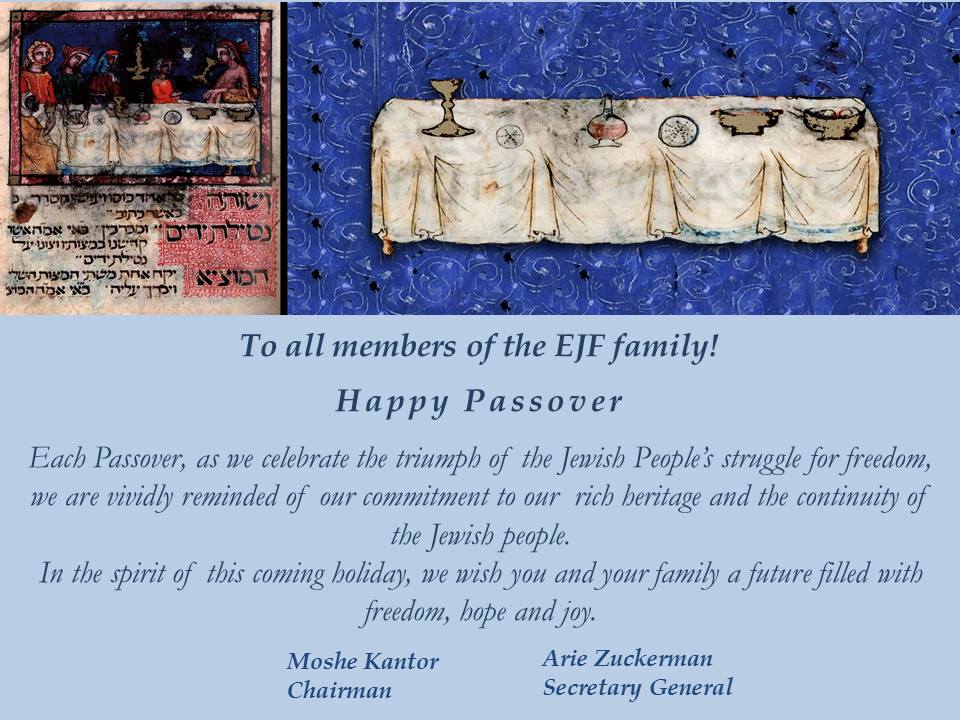
The Lithuanian Jewish Community, the Vilnius Jewish Community and the
Sholem Aleichem ORT Gymnasium send their greetings out to everyone on this
Passover and
invite YOU to a Seder
to begin at 6:00 P.M., April 3, 2015
at the Radisson Blue Hotel Lietuva at Konstitucijos no. 20 in Vilnius, Lithuania
Alanas Levinas will be master of cermemonies with performances by the
students of Sholem Aleichem and the Fayerlakh ensemble.
You may buy tickets from Julija Lipšic in room 206 at the LJC at Pylimo 4
in Vilnius, telephone 8 659 52 604, and from Ruth Reches, Hebrew teacher
at the Sholem Aleichem ORT Gymnasium, by contacting her by telephone at 8
686 89 530.
Tickets for adults are 15 euros and for children aged 3-15 just 10 euros.
Tickets will be on sale from March 23 till March 31 exclusively.
The number of tickets is limited!
Dear Friends,
You are kindly and cordially invited to meet film director from Australia
Rod Freedman
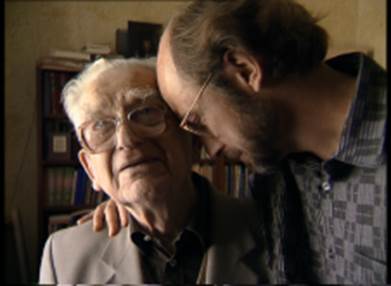
Who will be presenting his documentary “Uncle Chatzkel”
In Vilnius Jewish Public Library, Gedimino pr. 24,
on March 30, at 3 PM
(Please mind that screening of the same documentary with Lithuanian sound and communication providing interpretation services with Rod Freedman will be held on the same day at 6 PM)
Film director from Australia Rod Freedman presents his documentary “Uncle Chatzkel” in Vilnius Jewish Public Library.
On Monday, March 30, 2015, at 3 PM guests of the Vilnius Jewish Public Library will have a rare opportunity to meet a famous film director and producer from Australia Rod Freedman – an independent director, producer and executive producer whose documentaries have won many Australian and international awards and screened in dozens of film festivals. Rod is particularly interested in stories about people and their life’s journeys. Rod’s most recent film as producer is ONCE MY MOTHER, showing in the 2015 Vilnius International Film Festival in the ‘Lithuanians Abroad’ program. Rod’s grandparents were Jewish Lithuanian.