
Conference at Lithuanian Parliament: “They Rescued Jews, They Rescued Lithuania’s Honor”
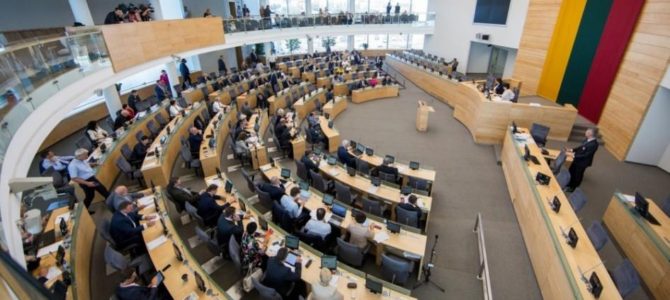
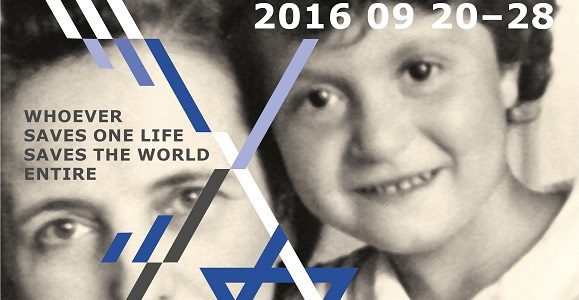
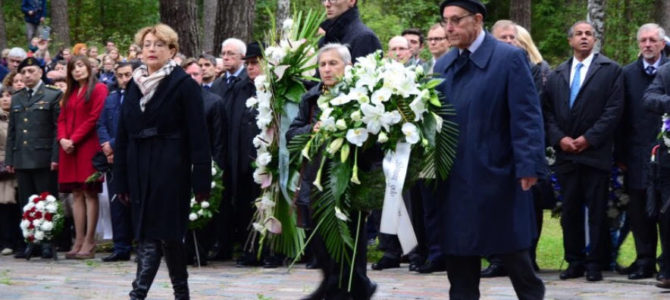
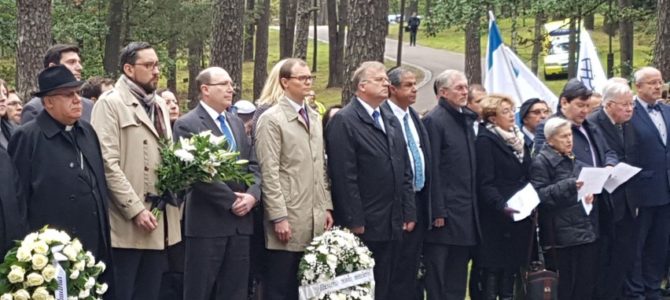
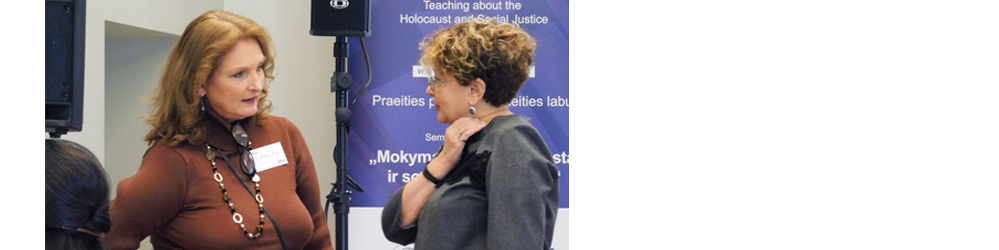
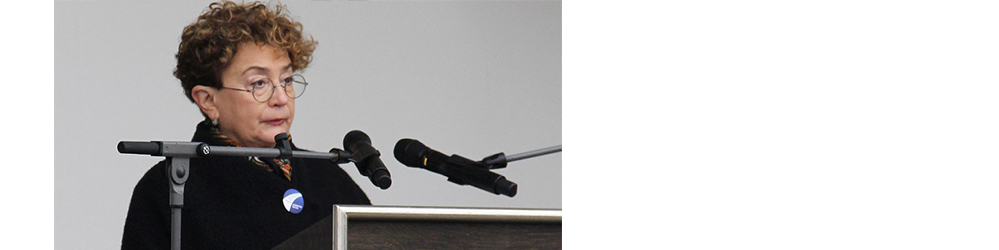
Vilnius, September 25, BNS–The Lithuanian parliament held a commemoration of the Lithuanian day of Holocaust remembrance Sunday. The Lithuanian Jewish Community organized a conference there called “They Rescued Jews, They Rescued Lithuania’s Honor.”
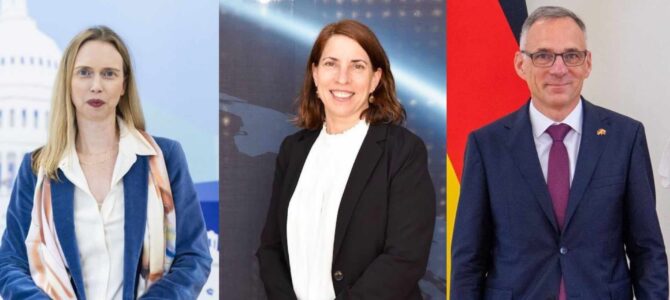
LJC chairwoman Fainia Kukliansky, American Jewish Committee international affairs director Andre Baker and US embassy chargé d’affaires ad interim Howard Solomon participated.
Historian Alvydas Nikžentaitis surveyed Jewish life in Lithuania, academic Joachimas Tauberis from Hamburg spoke about Hitler and Stalin’s policies and anti-Semitism in Lithuania from 1939 to 1941, historian Algimantas Kasparavičius gave a presentation about the policies of the Provisional Government of Lithuania and the beginning of the Holocaust in 1941 and recordings of testimonies by survivors and rescuers were played.
The Day of Remembrance of the Lithuanian Jewish Victims of Genocide has been marked in Lithuania since 1994. It is held on September 23, the day the Vilnius ghetto was liquidated in 1943.