Presentation of Book about the Maccabi Sports Club

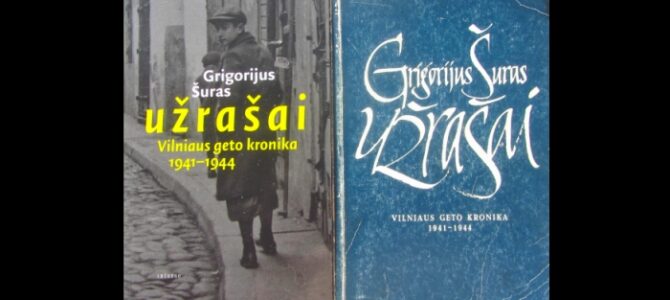
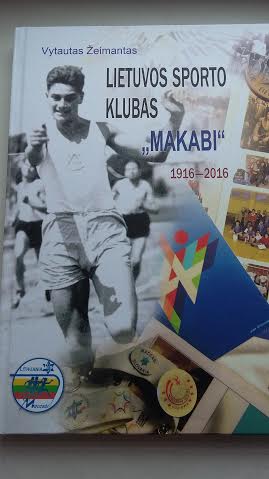
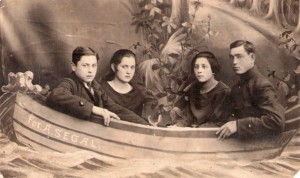
You’re invited to attend a presentation of V. Žeimantas’s new book “Lietuvos sporto klubas Makabi 1916-2016” [Lithuanian Sports Club Maccabi 1916-2016] by Maccabi Sports Club president Semionas Finkelšteinas at 5:00 P.M. on Monday, February 29, at the Lithuanian Jewish Community in Vilnius.

Makabi knyga

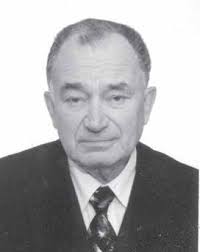
Boris Borisov, Composer, Former Chairman of the Vilnius Jewish Community, Has Died

B.Borisovas

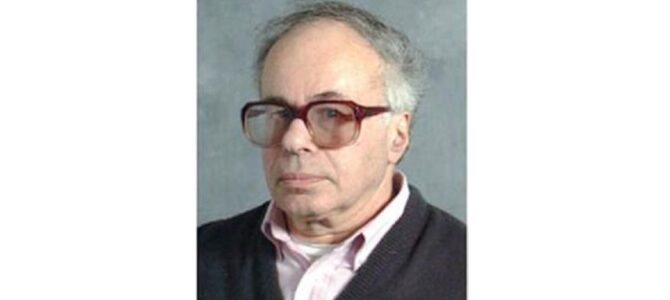
The Lithuanian Jewish Community and the Vilnius Jewish Community mourn the loss of former Vilnius Jewish Community chairman and composer Boris Borisov. Born in 1937, the maestro left us on February 14, 2016.

Although best known as a composer, Boris Borisov was also a pianist, conductor, teacher, author of many cultural publications and a public figure. As chairman of the Vilnius Jewish Community he set up the Jascha Heifetz Fund. He held over 300 concerts and held the Shalom Jewish Music Festival in Vilnius five times from 1994 to 1998.

Since 2000 he had been living in the United States.

Our deepest and heartfelt condolences to the family members, friends and colleagues of the maestro.

On Jewish Motifs, Historical Facts and Lithuanian Identity in Kristina Sabaliauskaitė’s Work

Kristina Sabaliauskaitė

The 24th meeting in the Destinies series of seminars and lectures took place at the Lithuanian Jewish Community on February 17, called “Jewish Motifs in the Works of Writer and Art Historian Dr. Kristina Sabaliauskaitė. Teacher and essayist Vytautas Toleikis moderated the meeting and LJC deputy chairwoman Maša Grodnikienė, the organizer, served as MC and introduced Sabaliauskaitė in person to the audience, noting she was very popular outside of Lithuania as well in Poland and Latvia.

Moderator Toleikis addressed the full hall saying “Kristina has returned Lithuania’s historical memory. She brought back 200 years of history which, due to [historian] Šapoka’s paradigm were lost to Lithuanian consciousness. ‘Silva Rerum’ [‘Forest of Things’ trilogy by Kristina Sabaliauskaitė, 2008, 2011 and 2014] is for us an unexpected historical good fortune, as if the nation had won the lottery. We are lucky Kristina has brought back centuries of history. The author’s memory is not selective, she writes about everything in the past, about Poles and Jews as if they were her own people. This is the attitude of a 21st-century person, it could not be otherwise.”

The conversation during the Destinies meeting revolved around Jewish characters and how the figure of the Jew came to be included in Kristina Sabaliauskaitė’s works in a way very different from the more common portrayal found in Lithuanian literature. Sabaliauskaitė chose the elite person of the doctor Aaron Gordon.

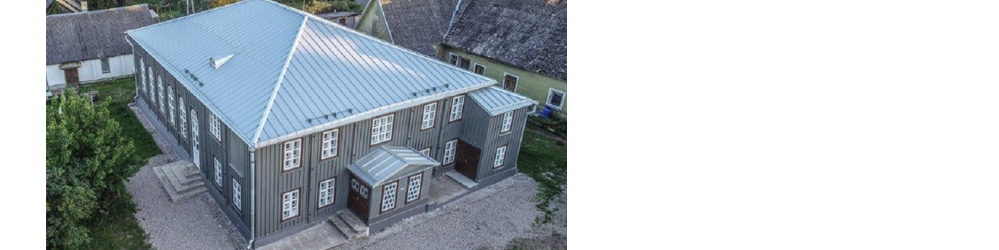
How Jews Were Exterminated in Molėtai: Locked in the Synagogue, Held without Food or Water

Moletų žydai, nužudyti 1941

Excerpts from the book “Molėtai 625 – žmonės, istorija, gamta: [Molėtai 625: People, History, Nature] by Vaidotas Žukas

According to the Lithuanian census of 1923, Molėtai had a population of 1,772, of whom 1,343 were Jews.

Even after Jewish autonomy was abolished in 1926, a very functional Jewish education system remained in place. The Lithuanian state had an interest in having Jews learn Lithuanian as well as Yiddish and Hebrew in order distance them from the influence of the Russian and German languages. The founding of the Lithuanian state allowed Jewish associations and welfare organizations to flourish.

There was a section of the Union of Jewish Soldiers in Molėtai as well where Jewish soldiers who fought for the reestablishment of Lithuanian independence operated. The union supported Jewish interests and was engaged in spreading Lithuanian patriotism among Jews. Also operating in Molėtai were the Palestine Foundation Fund [Keren ha’Yesod] and a local department of the Jewish National Fund [Keren Kayemet LeYisrael]. When the USSR occupied Lithuania in 1940, most Jewish associations, unions and organizations were shut down.

Rabbi Kalev Krelin Visits Klaipėda Jewish Community

Klaipeda

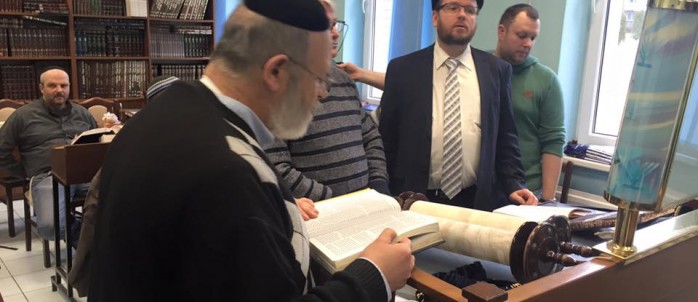
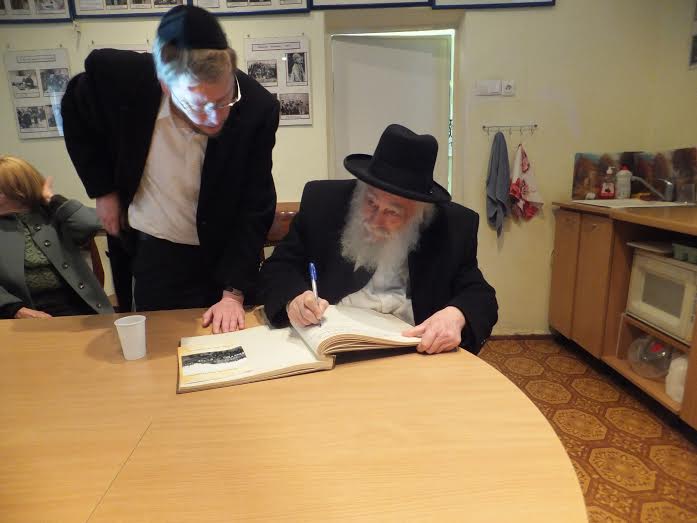
Rabbi Kalev Krelin, appointed the Gaon’s successor by the Lithuanian Jewish Community and himself a rabbi of the Litvak Mitnagdim persuasion, began his acquaintance with the regional Lithuanian Jewish communities with a trip to Klaipėda. Klaipėda Jewish Community chairman Feliks Puzemskij presented the rabbi to the audience and called for a continuation of work begun in Lithuania. The rabbi told them about himself and learned of the aspirations and problems in the small Jewish community. Rabbi Krelin shared his insights and later prayed with the congregation. The rabbi left a good impression upon the entire community with the clear explanations of his thinking he provided and his patent goodwill.

Vilnius Mayor Calls Crematorium in Jewish Cemetery Inappropriate

Šimašius

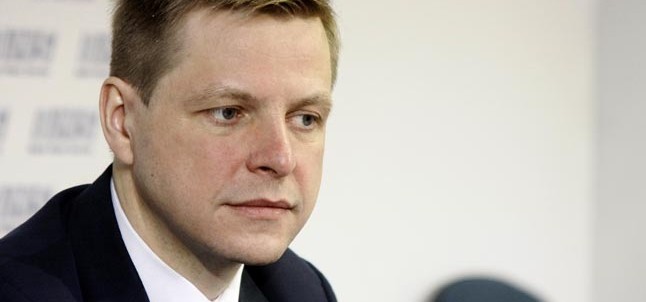
Vilnius, February 20, BNS–A plot of land next to the old Jewish cemetery on Olandų street is inappropriate for a crematorium and Vilnius residents will be asked their opinion on the need and location for such an operation, Vilnius mayor Remigijus Šimašius said.

“It has to be acknowledged that this is the territory of a Jewish cemetery and it’s obvious that in Vilnius, where 40,000 Jews lived before World War II, because of the association, a crematorium in the Jewish cemetery is simply inappropriate. For that reason alone there should be no crematorium at that location,” the mayor told BNS. He confirmed the council would be presented with the decision not to approve a crematorium on Olandų street in the Lithuanian capital. The mayor also said results of a poll of public opinion on the issue of the need for and location of a crematorium in Vilnius would be presented soon. “I think there is a need among some residents of Vilnius. We ordered a poll of residents of Vilnius to identify what sort of locations are most likely, where residents would like to see a crematorium,” mayor Šimašius said. He said a final decision would be made following the public opinion poll on “where to encourage investments” in the city.

Jewish Organization Proposal Increases Cost to Refurbish Palace of Sports

Sporto rumai

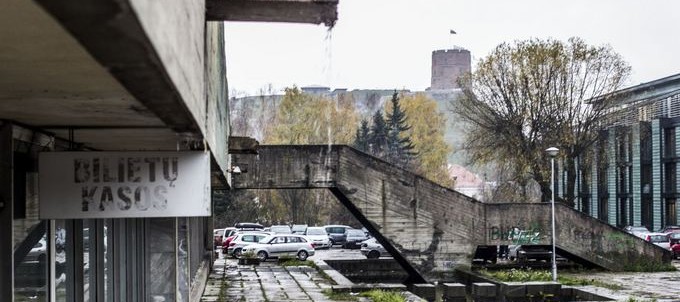
Vilnius, February 21, BNS–Proposals by a Jewish heritage organization for refurbishing the Palace of Sports located on top of an old Jewish cemetery in Vilnius without moving any soil would bring the cost of the project up by 2 million euros, Lithuanian Government vice chancellor Rimantas Vaitkus said.

“When there was analysis of whether it would be possible to set up an underground entrance, in their opinion that would enter into what is called the A section which can’t be touched, where earth cannot be moved. That would make the project 2 million euros more expensive. And we don’t know what’s going to happen now because Turto bankas, which is doing the construction, doesn’t have enough money to bring the project to completion. Either additional funding must be sought, or the whole project has to be reconsidered, but there no decision has been made yet,” the vice chancellor told BNS.

A Great Loss

Kaganas

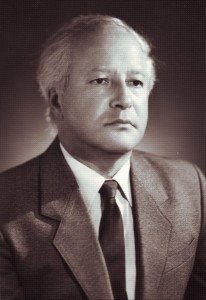
The Lithuanian Jewish Community is sad to report the death of Isaak Kagan (b. March 13, 1929 in Kaunas), Lithuanian attorney and public figure.

From 1947 to 1952 Kagan studied at and graduated from the Law Faculty of Vilnius University. He worked as a teacher and as legal consultant for different organizations, serving as a consultant on the judicial commission as well. He was a consultant for the Justice Ministry from 1971 to 1973 and worked as a lawyer at the 2nd Office of Lawyers of the City of Vilnius from 1974 to January of 2009.

Kagan wrote and had published a number of monographs and about 50 articles on law, some appearing in the books called “Selected Speeches by Lawyers in Court” and “On the Status of the Defendant in Criminal Proceedings.” He also delivered a presentation called “Communist Regimes: Perpetrators of Ethnic Genocide” as a member of the Lithuanian independence movement Sąjūdis, which he joined in 1988. He was a member of the executive committee of the Lithuanian parliament from 1992 to 1994, a member of the Lithuanian Sąjūdis Commission for Drafting a Constitution for the Republic of Lithuania in 1992, a member of the Public Constitutional Protection Commission, the Lithuanian Council of Attorneys, the Lithuanian Citizens Charter, the Supreme Election Commission and the vice president of the Lithuanian UN Association, among other organizations.

The Lithuanian Jewish Community sends all of our deepest condolences to his wife and family.

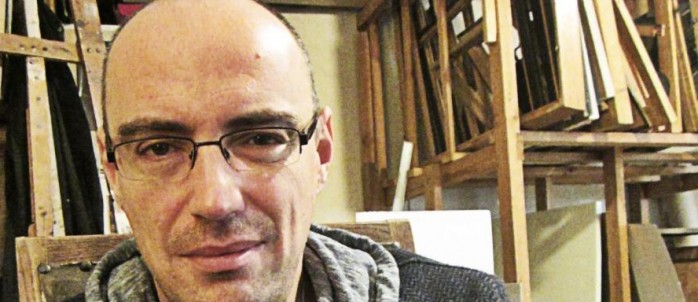
Marijus Jacovskis: “Every New Creations Begins in Existential Terror”

M.Jacovskis
Bernardinai.lt Austėja Mikuckytė

Scenographer Marijus Jacovskis’s worktable is covered with designs and drawing implements. He says the fall is a very productive time for him. The atmosphere of creative ferment is palpable in the artist’s studio. Jacovskis talks about his taste for drama, memorable works, relationships with directors and about authorities in the field, and gives an assessment of his own artistic tendencies.

How did you decide to study scenography?

It’s connected with family, of course. My father and aunt graduated from the Art Academy. It was almost a given I would study there, too. There was a moment, though, when I was thinking I would study painting, but I changed my mind at the last moment.

On the one hand, I realized painting is not a profession, but something intangible, something impossible to learn formally. On the other hand, painting is a very complex and complicated activity. I realized painting was too serious for me. I thought, well, I can paint without a studio just as well, but I didn’t become a painter. I only work in the theater.

Full interview in Lithuanian here.
bbb

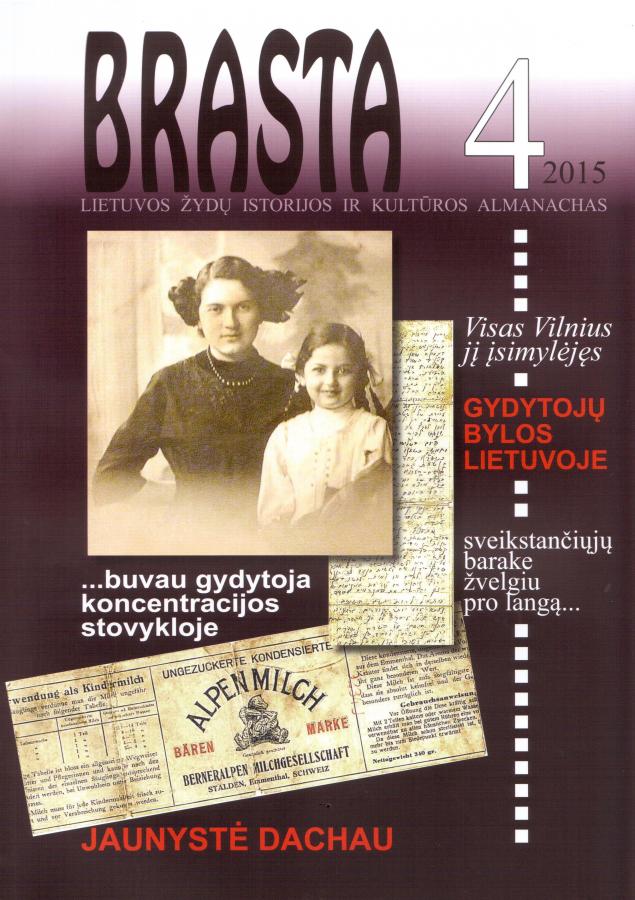
Presentation of New Issue of Brasta, an Almanac of Jewish History and Culture

You’re invited to attend a presentation of issue number 4 of Brasta, an almanac of Jewish history and culture, at the Vilnius Jewish Library at Gedimino prospect no. 24, Vilnius, at 4:00 P.M. on Friday, February 19. This issue is in English and Lithuania and is arranged on the theme of the origins of Jewish humanitarian medicine and Vilnius doctors.

Brasta

“This issue of Brasta is not just about showcasing famous or not-so-famous names from the world of medicine, but to make explicit the foundational principles of Jewish medicine and the loyalty of doctors to a centuries-old tradition. The publication attempts to bring into focus the core of Jewish medicine and its foundations enriching the practice and science of healing world-wide, to publicize the traditions Lithuania’s doctors held dear and which are still alive today,” editor-in-chief Dalia Epšteinaitė said.

Attending the event: MEP Petras Auštrevičius; chemist, biotechnologist, businessman and scholar professor Vladas A. Bumelis; historian Arūnas Bubnys; editor-in-chief, author and translator Dalia Epšteinaitė; and project director and director of the Vilnius Jewish Library Žilvinas Beliauskas.

Brasta is a publication published by the Vilnius Jewish Library’s Charity and Welfare Foundation. It describes itself as an almanac of Jewish culture and history which publishes popular, literary and theoretical pieces. The annual publication presents readers interesting positions and insights by Lithuanian and foreign authors, studies and ongoing research on Jewish cultural phenomena and insight and analysis of same.

Bernardinai.lt
bbb

February 16 Greetings from Japan

Dear Mrs. Faina Kukliansky,

Dear friends from the Lithuanian Jewish Community,

The Lithuanian embassy in Japan greets you on February 16, the day of the restoration of the state of Lithuania! We send for your information an article by Lithuanian ambassador to Japan Egidijus Meilūnas published today in the Japan Times. The article discusses Righteous Gentiles, the former Japanese consulate in Kaunas, Lithuania and their efforts to save Jews:

http://classified.japantimes.com/nationalday/pdfs/20160216-Lithuania_National_Day.pdf

We wish you a wonderful holiday!

Violeta Gaižauskaitė
Lithuanian embassy to Japan

Delegation from Argentine Rabbinate Visits Panevėžys Jewish Community

Panevez vasaris

Rabbi Shmuel Arieh Levin from Argentina visited the Panevėžys Jewish Community on February 15. He arrived with eight members of his religious community. The purpose of the visit was for the delegation to observe with their own eyes the state of the Jewish community in Panevėžys, to learn more about their history, to learn about the world-renowned yeshiva and to find out more about the founder of the Ponevezh yeshiva, Rabbi Yosef Shlomo Kahaneman, the Ponovezher Rov and chief rabbi and former member of the Lithuanian parliament who founded in 1919 the yeshiva where 500 students from Europe studied. Rabbi Kahaneman and his eldest son, who had diplomatic status, left for America in 1940, and during World War II moved the Ponevezh yeshiva to, or reëstablished it in Bene Berak (Bnei Brak, with a sister institution in Ashdod), Israel. Rabbi Levin was graduated from the Ponevezh yeshiva in Israel and personally knew Rabbi Kahaneman and his son Elias Kahaneman. Today the world-famous yeshiva where more than 1,000 students study is led by his grandson, Rabbi Eliezer Kahaneman (Cohenman).

LJC Gesher Club Meets for Havadalah

IMG_0016

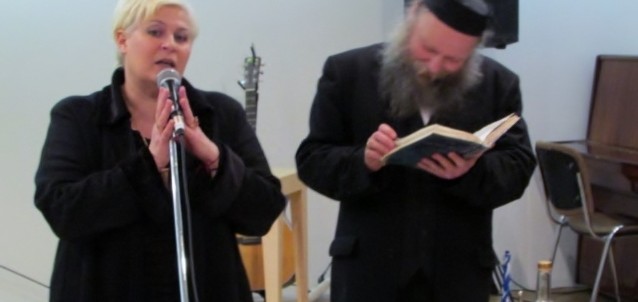
The Gesher Club of the Lithuanian Jewish Community invited members and friends to a ceremony to end the Sabbath, havdalah, on Saturday, February 13. Many community members attended a Gesher evening for the first time. The decorations, beautifully set tables and pleasant music set the mood for celebration. Organizer of the event and LJC program coordinator Žana Skudovičienė greeted each guest individually with a smile. Skudovičienė, who took over administration of the Gesher Club to fill the gap left by Junona Berznitski’s departure as administrator, has many years of experience doing organizational work.

Vilnius Choral Synagogue cantor Shmuel Yatom led the havdalah ceremony. He spoke about the significance of the ceremony and of maintaining tradition. “The word havdalah, it’s verbatim translation from Hebrew means to separate or usher out. This is the meaning of this brief but beautiful symbolic ritual of Judaism which ends the Sabbath, because havdalah separates the Sabbath from other days, in other words, it separates the holy day from daily life. The ceremony is not mandatory according to the Torah. According to the Talmud, Sabbath celebration began in the fourth or fifth century before the Common Era. The havdalah ceremony evolved as the conclusion of the Sabbath to prepare the individual for the coming work week, and the havdalah ceremonies are for our soul, to provide another opportunity to become focused together before the beginning of the week, to gather strength and to ask for G_d’s blessing. According to Judaic tradition, havdalah begins at dusk when you can see at least three stars in the sky. After darkness falls, the havdalah candle is lit.”

Lithuanian Nationalist Youth March Protests Migrants

The annual march by “Lithuanian Nationalist Youth” in Kaunas on February 16, Lithuania’s pre-war independence day, decided to go with the slogan “Lithuania is ours” this year, to protest the movement of refugees into Lithuania.

Julius Panka, deputy chairman of the Lithuanian Union of Nationalist Youth, told reporters: “The slogan of this march is ‘Lithuania is ours’ because we see a complicated geopolitical situation, a complicated situation in the EU where in fact the EU is teetering on the brink of dissolution. Hordes of hungry and angry immigrants are already knocking at our gates. Therefore we simply wanted to emphasize that Lithuania is the home of our people, that little patch of land which we must respect, love and fight for.”

Speaking to the crowd later, Panka said rapists, murderers and benefits-seekers should be allowed into Lithuania. During the march marchers chanted: “If you don’t want immigrants, clap your hands” and “Lithuania for Lithuanians.”

Lithuania Must Confront Its Past

by Dr. Efraim Zuroff

Until now, the glorification of the Lithuanian heroes who had played a role in Holocaust crimes was only one of several themes featured at the marches.

Baltic neo-Nazi/ultranationalist/fascist march-month is upon us once again. This Tuesday, February 16, the first of the marches will take place along the central avenues of Lithuania’s prewar capital of Kaunas, (Kovno) on one of the country’s two Independence Days, this one to mark the liberation from Czarist Russia in 1918. The second on March 11 marks independence from the Soviets, and will be the date of a similar march in the current capital of Vilnius (Vilna). Both marches are sponsored by the Union of Lithuanian Nationalist Youth. The two additional marches will be taking place in Tallinn, the capital of Estonia, on February 24, Estonian Independence Day, and the last march will be held in the Latvian capital of Riga on March 16, the date of an important battle fought by the Latvian SS Legion. It is the only one of the marches which is not held to mark the achievement of independence.

In Estonia, the march is being organized by Blue Awakening, the youth wing of the Estonian People’s Party, whereas the march in Riga is sponsored by SS veterans and their political supporters.

Happy February 16!

Happy February 16!

Dear community members,

Today we celebrate the 98th anniversary of the restoration of the Lithuanian state. Our greetings to you all on this, one of the most important dates in Lithuanian history, February 16. This holiday symbolizes the spiritual power of our country. Then as now, our highest hope is for our family, relatives, friends and countrymen to live in a free country. Freedom has become our everyday reality now and we often take it for granted without considering how much was sacrificed and how much freedom and democracy cost for us to live free and independently. A happy holiday!

Vampires in Medieval Jewish Texts: What Are They Doing There?

Vampires in Medieval Jewish Texts: What Are They Doing There?

Haaretz reports on an unexpected find in old Hebrew texts and commentaries from Europe.

Secure in their monotheism, Jews may scoff, but some of the earliest texts on vampires were written in Hebrew by their coreligionists.

by Elon Gilad

The vampires which abound in popular culture today are, for the most part, a literary embellishment of an old Slavic belief that under certain circumstances, the dead can rise from their graves at night and kill their neighbors, friends and family.

Modern Jews might scoff at vampire culture, secure their monotheism rules out belief in such nonsense. But they should hold their tongues. Some of the earliest texts on vampires were written in Hebrew by their coreligionists, albeit after learning about the plague of the undead from their neighbors.

Social Center Jewish Family Center Distributes Donations to Needy

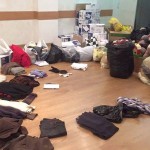
Donated toys, shoes, clothing and accessories were distributed last Thursday and Friday at the Lithuanian Jewish Community. The items were collected last year by Jewish Lithuanian Student Union chairwoman Amit Belaitė and others.

Jewish Family Center clients (young families with children and the temporarily unemployed) were personally invited by the coordinator to come and select clothing and footwear. About 80 people were invited.

Lithuanian Jews, Fostering Lithuanian Independence since 1918. An excerpt from Vilius Kavaliauskas’s book

sarasas2
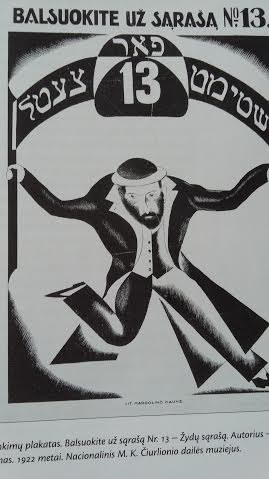
Election poster. Vote for List Number 13–the Jewish List.

A translated excerpt from Vilius Kavaliauskas’s book “Pažadėtoji žemė – Lietuva,” or “Lithuania, the Promised Land”:

After independence was reestablished and the Lithuanian state was established on democratic principles on February 16, 1918, one of the most important events in Lithuanian Jewish history was the Jewish Affairs Institute established by the independent state in 1919, which in essence performed the functions of a government ministry. Dr. Maksas Soloveičikas became minister without portfolio.

From 1918 to 1926 Lithuania’s Jewish population successfully involved themselves in the country’s governance structures and actively ran for posts in elections to municipal bodies and the parliament of the Republic of Lithuania. There were a number of Jewish members of the ministerial cabinet of the Lithuanian government as well: minister without portfolio for Jewish affairs [sic] Jokūbas Vygodskis, Maksas Soloveičikas, Bernardas Fridmanas (from Panevėžys, judge at the Panevėžys District Court in 1925) and Simonas Rozenbaumas.

Doctor of philosophy Maksas Soloveičikas (1883-1957) was exceptional for his erudition and education. He studied in Petropol [Petrograd, Leningrad, Saint Petersburg. etc.], Germany and Switzerland. He was an active member of the Zionist movement and a Jewish press correspondent. He spoke Russian with his fellow ministers. In 1921 he was elected to the World Zionist executive committee in London.

The cabinet of ministers tolerated the Jewish community’s aspiration to turn the ministry into a political institution while the Vilnius question remained unsolved. When the Christian democrats came to power in 1924, the accreditation for the ministry was withdrawn and the ministry ceased to exist.

Valdas Balčiūnas Named Person of Tolerance of the Year for 2015

tz

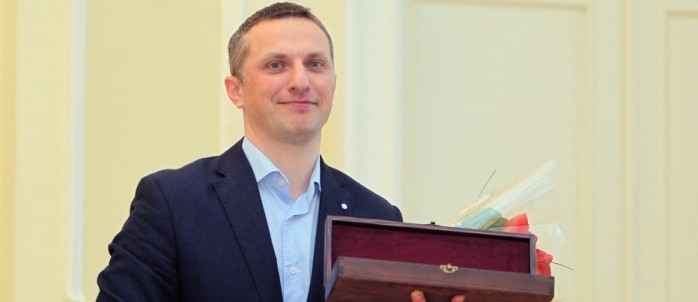
February 13, BNS–The Person of Tolerance of the Year for 2015 was named Saturday at a ceremony in Kaunas, the Sugihara Foundation informed BNS. Chiune Sugihara’s son Nobuki presented the award to the recipient. Recipients usually receive a commemorative medal designed by the sculptor Edmundas Frėjus and a certificate. The award is made annually to people who through their words and deeds stand against xenophobia and anti-Semitism and the persecution of members of minority ethnicities, religions and schools of thought, and who speak out against violence and radicalism in Lithuanian public life. This year the Sugihara Foundation had a field of five candidates to choose from, including businessman Valdas Balčiūnas, Lithuanian Lutheran bishop Mindaugas Sabutis, editor and journalist Rimvydas Valatka, psychologist Paulius Skruibis and author and activist Sergejus Kanovičius.
BNS_logotipas