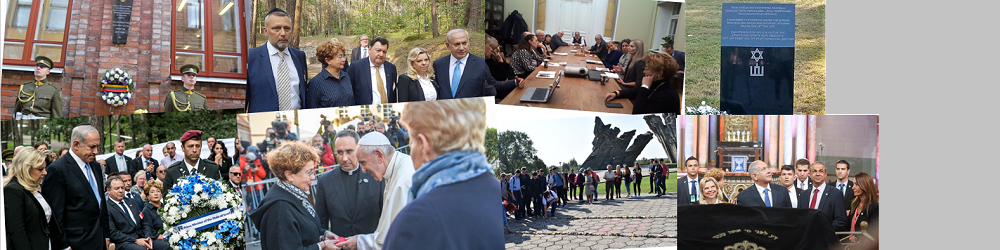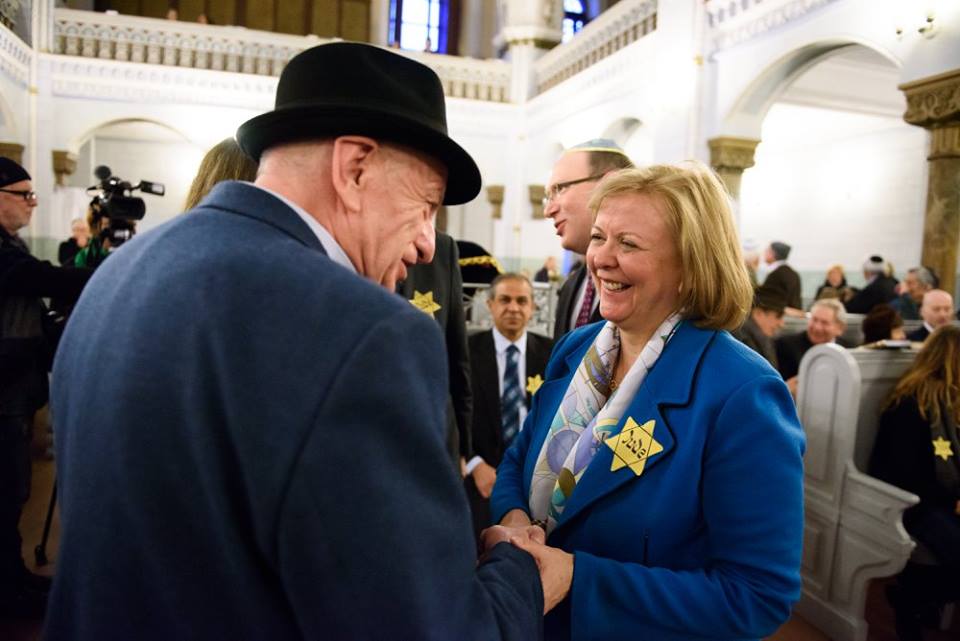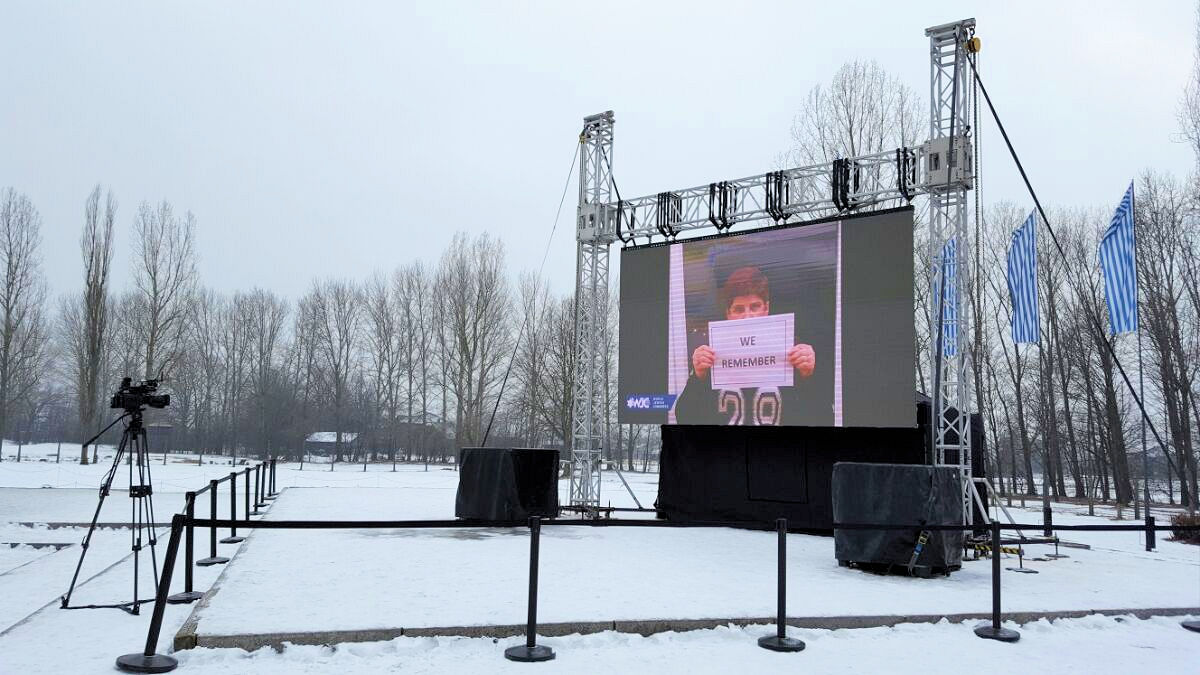
January 27 has been marked as an official day to commemorate Nazi victims since 1996. On this occasion the film “Karl Jäger und Wir – die langen Schatten des Holocaust in Litauen” [Karl Jäger and Us: The Long Shadow of the Holocaust in Lithuania], a multi-generational project, is to be screened in Waldkirch, Germany. A monument commemorating the Jews murdered in Lithuanian and Holocaust victims from 1941 and 1942 is also to be unveiled there on January 29.
The City of Waldkirch, the “Waldkirch in the Nazi Period” workshop and the Catholic pastoral care unit in Waldkirch are to unveil the new memorial on January 29. The public is invited to attend the unveiling.
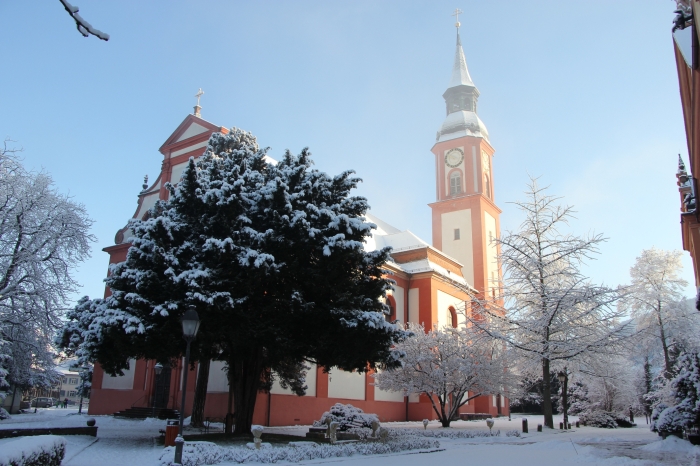
The “Waldkirch in the Nazi Period” workshop initiated the idea for the memorial in October of 2011 and it was approved by city council in 2015. It will be located by the Church of St. Margarethen and the Elztal Museum. The opening begins at 6:00 P.M. at the museum and will feature Mike Schweizer accompanied on saxophone.
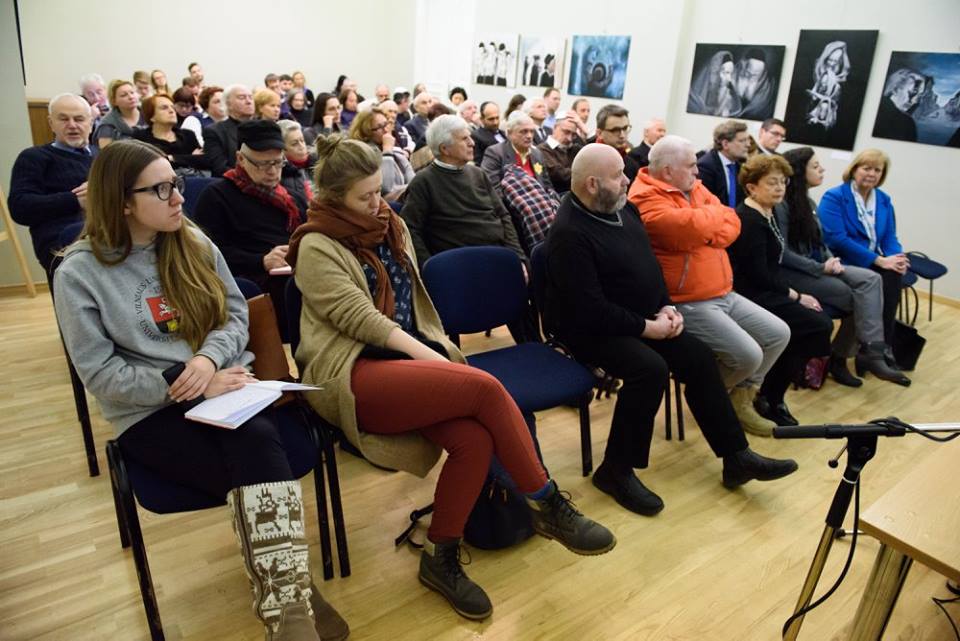
The second part of the event is scheduled to take place in the church and will feature Katharina Müther, who is renowned for Yiddish, Sephardic, Sinti and Roma songs from Eastern Europe. German MP Gernot Erler, who served as state minister in the foreign ministry from 2005 to 2009, will deliver a speech, as will historian Dr. Wolfram Wette and pastor Heinz Vogel, with possible discussion and reflection afterwards.
The film “Karl Jäger und Wir – die langen Schatten des Holocaust in Litauen” is to be screened at the church at 8:00 P.M. The film is the fruit of a multigenerational project by Black Dog eV.
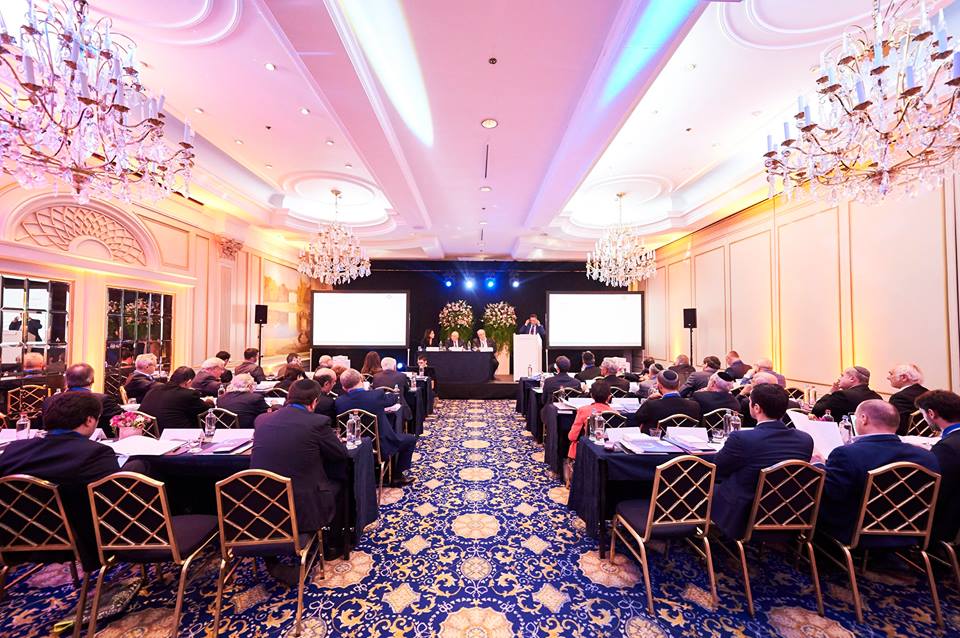
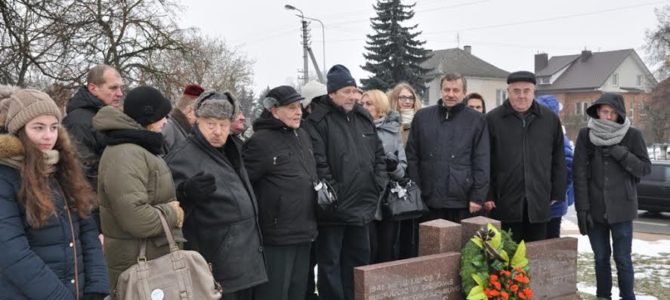
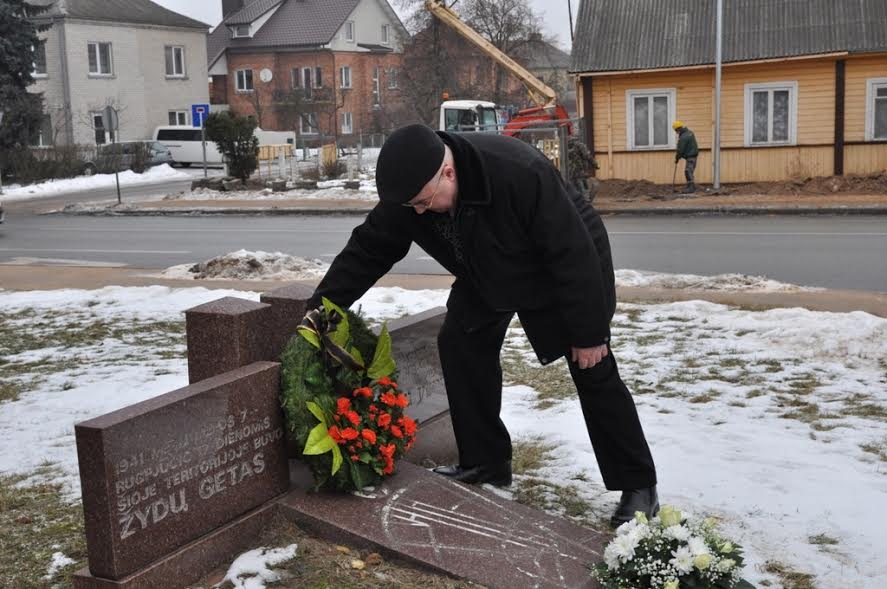
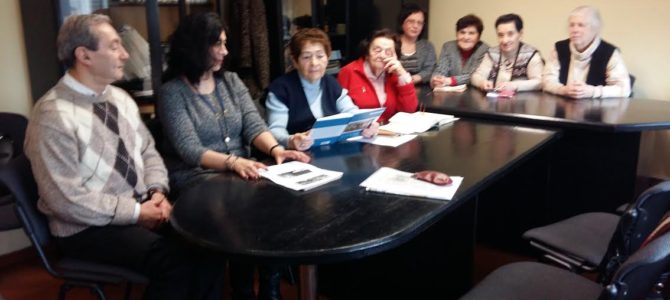
Representatives of the Lithuanian Jewish Community plan to attend the commemoration which has caused some surprise in Lithuania. It’s important to note Karl Jäger lived in Waldkirch as a young man, although he was born in Schaffhausen, Switzerland. Jäger, an SS colonel, was the main force behind the Holocaust in Lithuania. His report, known in Holocaust studies as the Jäger Report, is a detailed account of Nazi mass murder operations against Jews in Lithuania, listing mass murders by date and location and breaking down the number of victims in the categories of males, females and sometimes children.
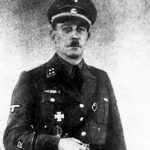
After the war Jäger evaded capture by the Allies using a false identity. He worked as a farm hand until his report was discovered in March of 1959. Jäger committed suicide in Hohenasperg prison near Stuttgart in the German state of Baden-Württemberg awaiting trial in June of 1959. The Soviet Union only released the Jäger Report to West Germany investigators in 1963 during the trial of Hans Globke in East Germany.
The Jäger Report is one of the primary documents witnessing to the scope of the Holocaust in Lithuania. The Jäger Report details the murder of 47,326 men, 55,556 woem and 34,464 children in Lithuania, for a total of 137,346 Lithuanian Jews murdered in the first months of the Nazi occupation of Lithuania in the summer and fall of 1941.
Full story in German here.