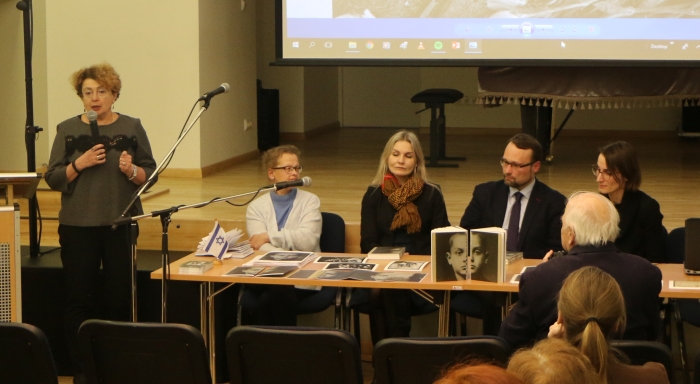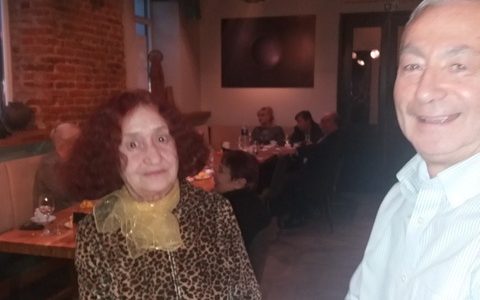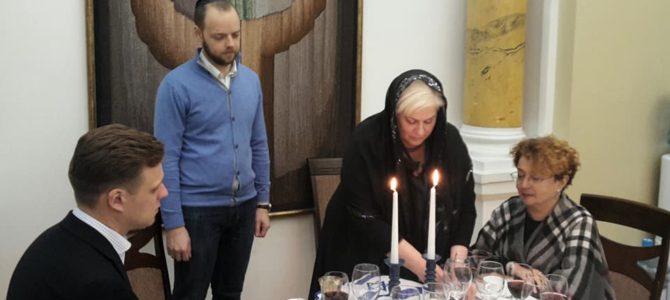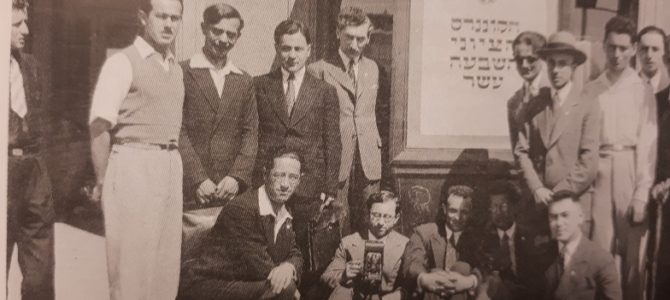


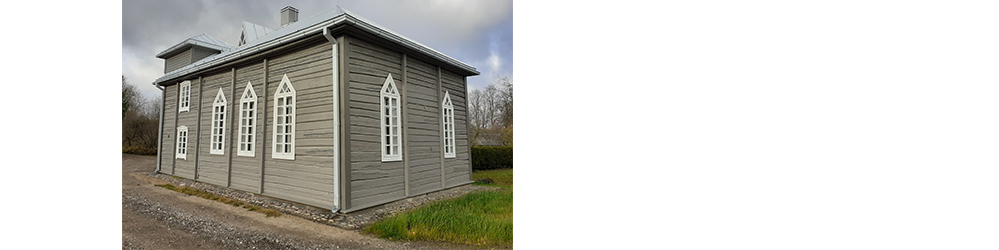
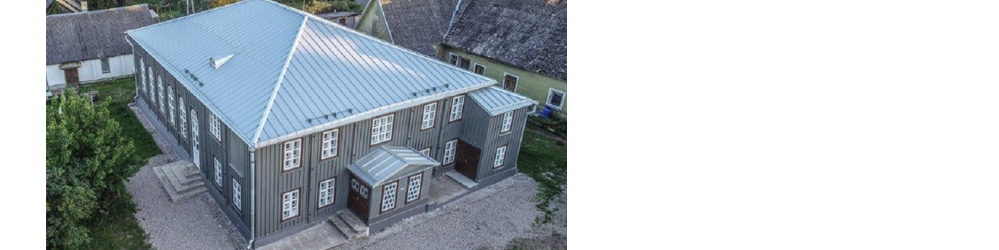


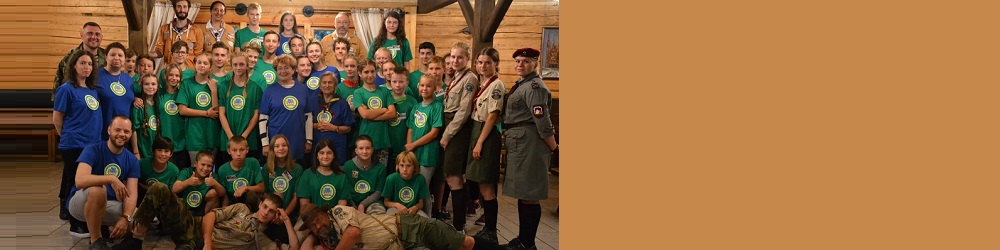

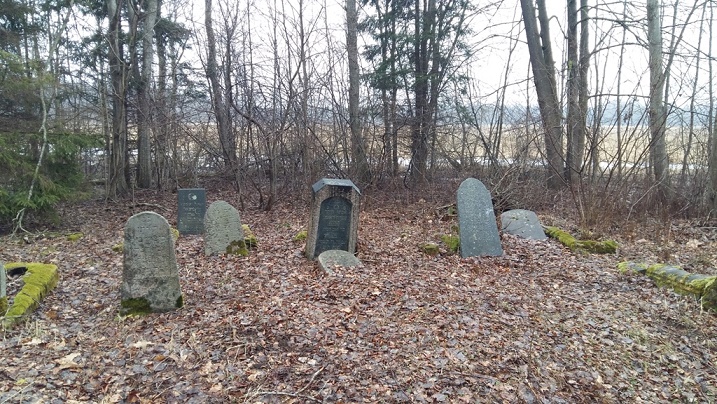
For the second time a group of 18-and-under young people from Odessa, Kiev, Minsk, Gomel, Moscow, St. Petersburg, Kherson and Krasnoyarsk–85 people in all–have visited Panevėžys as part of a project called Return to Roots. The goal of the journey was to learn about the culture, heritage and history of Litvaks in Panevėžys and Lithuania. Visiting surviving cemeteries, the synagogue and the school, the students witnessed Jewish heritage with their own eyes. Panevėžys Jewish Community chairman Gennady Kofman told the story of the destruction of a Jewish cemetery in 1966 to exploit the headstones as construction material. He said the local Jewish community had gone to great efforts to have the stones returned to the cemetery where the “Sad Jewish Mother” monument now stands. The students showed keen interest in the history of the Jews in the city and World War II. The delegation visited the former Ponevezh yeshiva established by the famous rabbi, Josef Kahaneman. After touring the city the students visited the town of Subačius and the Jewish cemetery there, where rainfall prevented any clean-up work. Alderman Vidmantas Paliulis came to meet the students there. Paliulis has exerted enormous efforts to clean up and maintain the Subačius Jewish cemetery, nicknamed “Paris.” He explained it was called that because of the name of the small neighboring village Paryžius.
The students were then received warmly and fed at the Panevėžys Jewish Community.