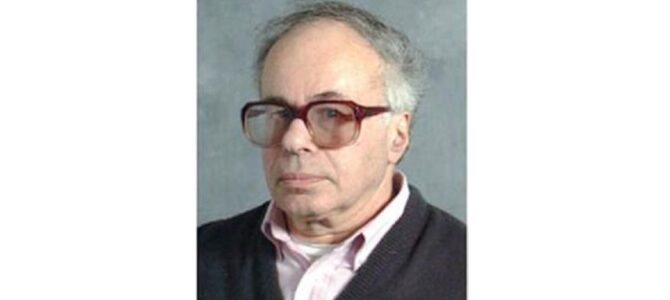
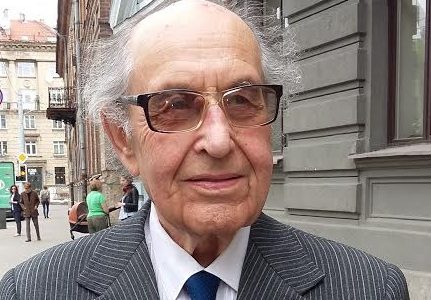
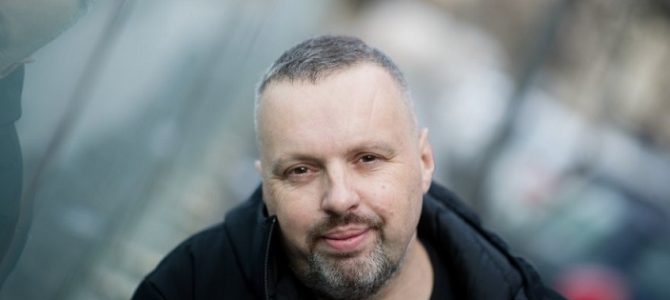
Photo: Andrius Užkalnis, © 2019 DELFI/Domantas Pipas
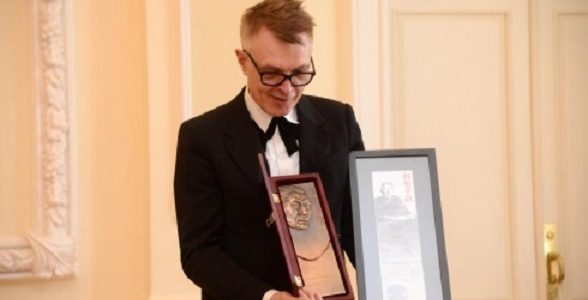
Lithuanian writer Marius Ivaškevičius, winner of the title Tolerant Person of the Year for 2017 and recipient of the Lithuanian National Prize for art and literature, was recently summoned to explain to police remarks he made on Lithuanian public radio about Lithuanians engaging in ethnic cleansing of Poles and the removal and mass murder of Jews during World War II. According to Lithuanian media reports, the Lithuanian General Prosecutor’s Office instructed Lithuanian police to investigate Ivaškevičius for hate-crimes against Lithuanians. The Lithuanian Writers Union, the Lithuanian Journalists Union, legal experts and some media have come to the defense of Ivaškevičius. The following is one of many editorials which have appeared recently.
The True Fascists Are Those Who Turned In Marius Ivaškevičius
by Andrius Užkalnis

This very angry text is about the playwright Marius Ivaškevičius, but you won’t find anything here about his work or the national prize he received.
The fact they demanded he not be given the [Lithuanian national] prize and that he received it nonetheless is one of the best things to happen in 2019, and no matter how Eurovision and the elections turn out, at least one good thing has happened. This is a great start to the year.
This article is about Ivaškevičius being summoned to the police to explain what he said on the radio about Poles and Jews.
The playwright didn’t call for killing, oppressing or insulting anyone. He spoke about our people’s (and Ivaškevičius is part of that people, too) historic crime against other peoples. There were people who considered this mocking the Lithuanian people and encouraging hatred of Lithuanians.