
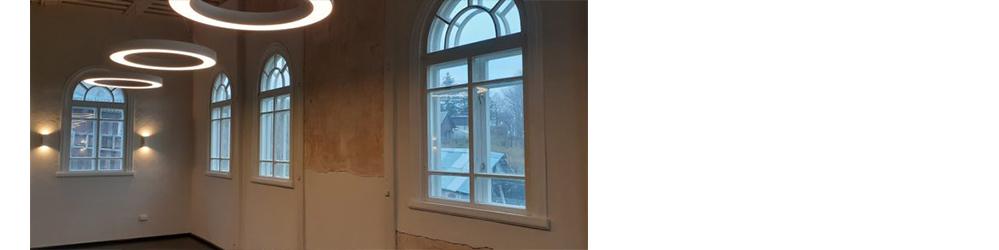
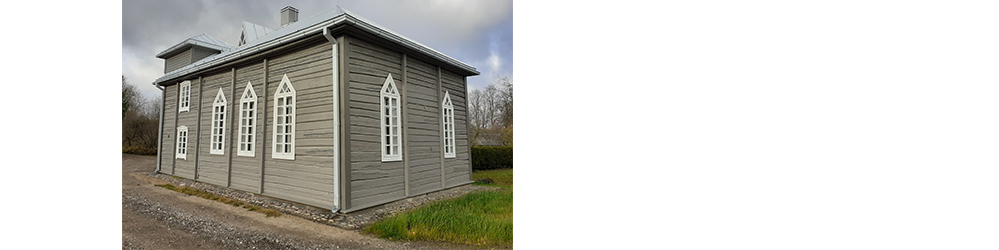
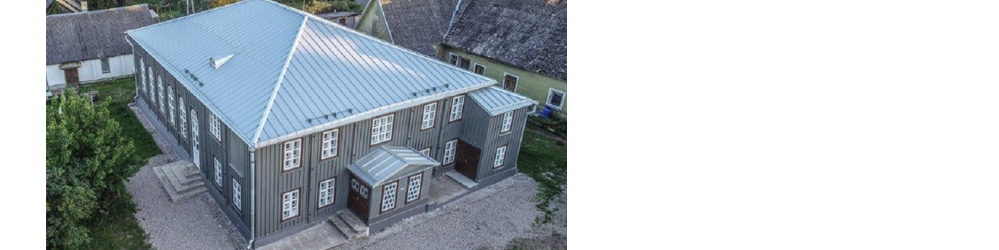
Wooden Synagogue in Alanta Renovated
Read more




The Sabbath begins at 7:59 P.M. on Friday, April 3, and concludes at 8:57 P.M. on Saturday in the Vilnius region. Sabbath candles should be lit at 7:41 P.M. and completed before sunset at 7:59 P.M. Sunday is Easter. Passover ends on Wednesday in Israel and Thursday elsewhere.

by Geoff Vasil
Australian prime minister Anthony Albanese began this spectacle Thursday with a rare address to the nation. According to accounts even in the friendly media, he didn’t really say anything about rising fuel prices. “It might not be easy,” Albanese said, strangely paraphrasing the election slogan the Liberals (=Conservatives down under) used against him in the last election, “It won’t be easy under Albanese.”
British prime minister Keir Starmer was next, again saying almost nothing, but seeming to posture in a New Labour kind of way, like Tony Blair’s famous “I have no reverse gear,” saying the UK would not be drawn into America and Israel’s war in Iran because it wasn’t in the interest of the British people. On rising fuel costs, Starmer parroted Albanese’s line, saying: “It won’t be easy.”
Donald Trump was next, delivering a speech late Thursday East Coast time, again saying nothing. Trump in fact read excerpts of his own posts made earlier on his social media outlet, Truth Social.
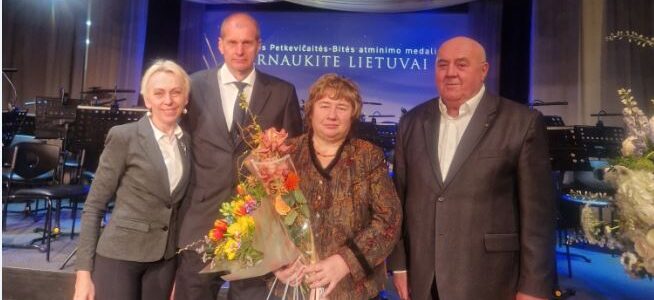
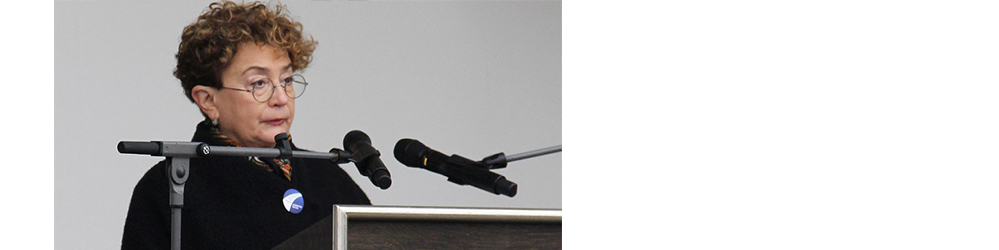
Aušra Jonušytė was recognized for her work on the history of Kupiškis and the former Jewish community there at an awards ceremony at the Panevėžys Regional History Museum on March 30. Panevėžys Jewish Community chairman Gennady Kofman and the entire Lithuanian Jewish Community congratulate her on receiving the Tarnaukite Lietuvai [Serve Lithuania] prize along with 15 others. The prize was instituted by the Lithuanian parliament 15 years ago and the awards are bestowed annually.
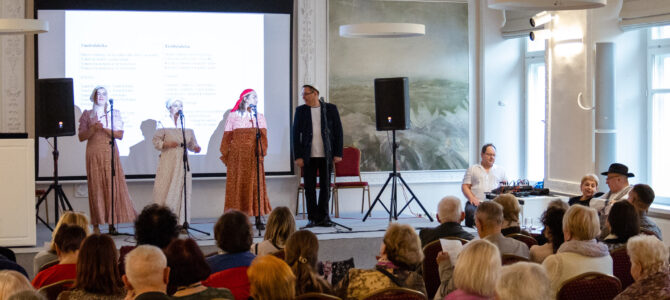
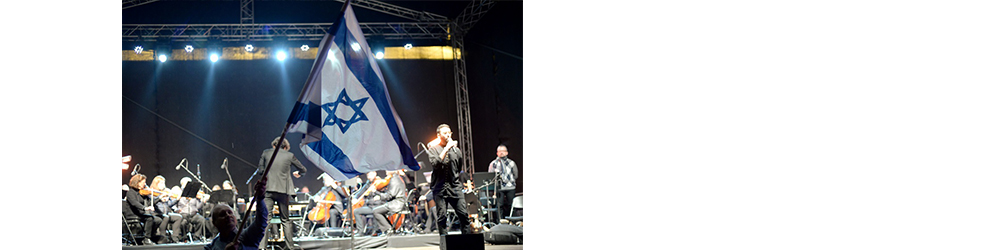
The Jewish song and dance ensemble Fayerlakh performed at the Adomas Mickevičius Public Library in Vilnius on March 30. They were invited to perform there by the library’s Song Club who wanted to learn more about Jewish song and whose members had bilingual lyric sheets in Lithuanian and Yiddish. Borisas Kizneris began on violin, demonstrating popular Yiddish songs, and invited the audience to join in, which they did. After the music, Fayerlakh director Larisa Vyšiauskienė spoke about Passover. Matzo was distributed to all attendees.
Photos by Mindaugas Masaitis
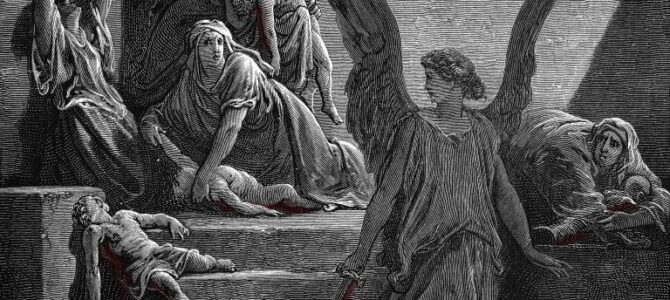
Passover begins tomorrow at sundown, April 1. As our forefathers escaped slavery and freedom from their enemies in the land of Egypt, so may the spirit of liberation warm our hearts and spirits during these dark days of upheaval and uncertainty, even as we pray for the liberation of our Persian brothers and sisters under the yoke of an evil and anti-human regime, and for the Lebanese peoples oppressed by that same evil. Am Israel chai.
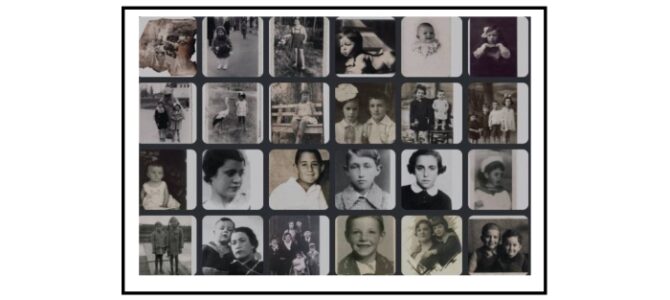
On March 27 tand 28, 1944, around 1,700 children, elderly and the infirm were rounded up in the Kaunas ghetto by Waffen-SS troops and murdered nearby. The almost-complete extermination of the children in the Kaunas ghetto on those days is called by its German name in the Holocaust literature, the Kinderaktion.
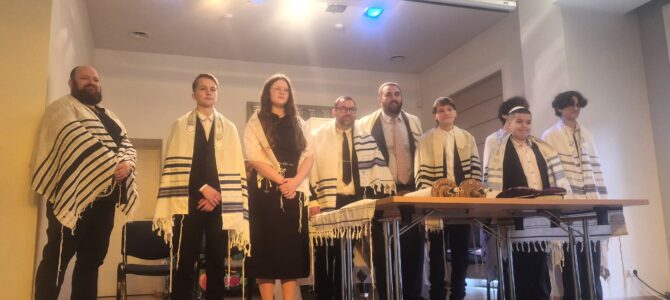
Seventh-graders from the Sholem Aleichem ORT Gymnasium gathered to read the Torah in public for the first time, thus becoming adults under Jewish law, as their parents, siblings, teachers and friends looked on last week.
Rabbi Natan Alfred and LJC’s own prayer leader Viljamas Žitkauskas led the ceremony and aided the young adults in their first readings.
A celebration was held afterwards.
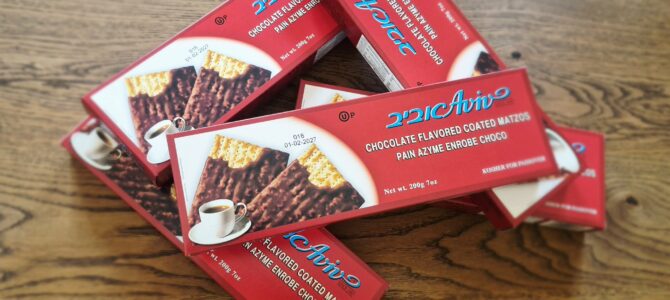
Children are invited to submit their drawings on any subject connected with the Passover story until April 7. Please write your name on your drawing or have your parents do it, and send a digital copy to info@lzb.lt. Participants will receive a box of special chocolate-covered matzo bread.
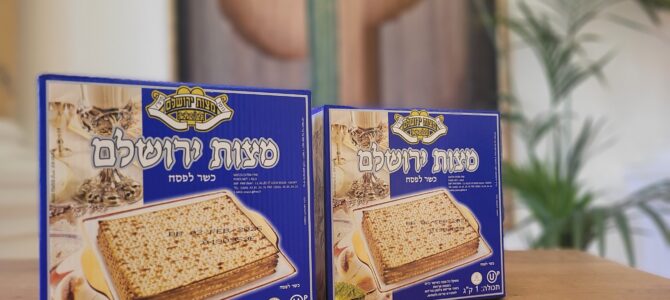
Matzo is available in 5 and 10 euro packages in the lobby of the Lithuanian Jewish Community in Vilnius, open from 10:00 A.M. till 6:00 P.M. weekdays, except for April 2 and 3.
The Sabbath begins at 6:46 P.M. on Friday, March 27, and concludes at 7:42 P.M. on Saturday in the Vilnius region. Sabbath candles should be lit at 6:28 P.M. and completed before sunset at 6:46 P.M. Saturday is Yom haAliyah. Sunday is Palm Sunday, marking the beginning of the paschal week. The eight days of Passover begin at sunset, 7:37 P.M., Wednesday, April 1, adjusted for Daylight Saving Time. Daylight Saving Time begins in begins at 2:00 A.M. on Sunday, March 29, in Lithuania. Set your time devices forward one hour, 2:00 A.M. jumping ahead to 3:00 A.M. on Sunday morning.
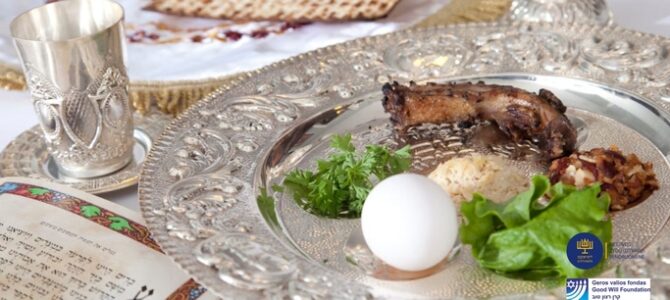
The Lithuanian Jewish Community is pleased to invite you to come celebrate Passover together with a seder led by ba’al tfillah (prayer leader) Viljamas Žitkauskas. The public seder will retell the Passover story in music performed by Fayerlakh and prayer. Registration is required by sending an email to zanas@sc.lzb.lt by noon Wednesday, April 1. The cost is 15 euros for LJC members, 45 euros for non-members and free entry for children 14 and under.
Time: April 4, Saturday
Place: Lithuanian Jewish Community, Vilnius

by Geoff Vasil
The US is sending two contingents of US Marines numbering about 5,000 soldiers and from 1,000 to 3,000 troops from the US Army’s elite 82nd Airborne Division to the Persian Gulf, to arrive sometime in the next week or so. The marines and the paratroopers are specially trained for taking and holding beachheads and islands, and higher ground positions in the case of the paratroopers.
There’s little or no doubt what their mission will be: open the Strait of Hormuz.
So far no one has challenged Iran at the Strait. Raising on a busted flush yet again, the Islamic Republic is trying to spin their image as global boogey-man into strategic control of the chokehold and over the world economy. Iran is seeking to put the blame on Donald Trump for their attacks on commercial shipping. While it’s true that the world’s leading exporter of terrorism could have been expected to act badly and attack neutral shipping, blaming Trump is a media PR ploy aimed at putting public pressure on Trump to end hostilities. Trump didn’t set fire to the 20 or so ships attacked so far.
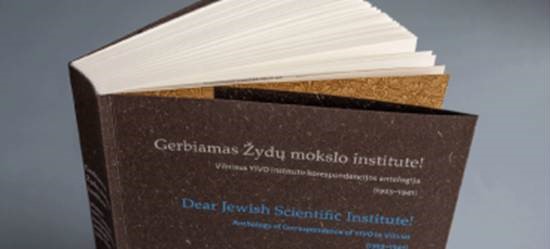
The Judaica Research Center of the Lithuanian National Library is launching the book “Dear Jewish Scientific Institute!” April 7. The book is a collection of YIVO correspondence presented in Lithuanian (and presumably English judging from the cover) providing readers a look at the textual legacy of the YIVO and their fruitful work in pre-Holocaust Vilnius.
Judaica Research Center director and editor of the book Lara Lempertienė, historian Juozapas Paškauskas, Yiddish translator Aistė Puidokaitė, English translator Dalia Cidzikaitė and book designer Deimantė Rybakovienė will speak on a panel moderated by Jolanta Budriūnienė.
Time: 6:00 P.M., April 7
Place: Lithuanian National Library, Vilnius

by Grant Gochin, March 25, 2026
In “The Impossibility of Ignorance” and “The Company He Kept,” I argued that Lithuania elevated Adolfas Ramanauskas-Vanagas into its head-of-state canon without producing the Holocaust-era due-diligence file that such elevation required, and that it did so from within a hero class already contaminated by exposed perpetrators, facilitators and state laundering. This article addresses the consequence. What does a democratic state do when a protected national myth collides with a morally devastating historical record?
Poland faced that question at Jedwabne. The reckoning was incomplete, contested, and politically painful. But the state still moved through investigation and presidential remorse. Jan Tomasz Gross’s Neighbors forced the issue into public view. The Institute of National Remembrance investigated. President Aleksander Kwaśniewski stood at the site in July, 2001, expressed “deepest remorse” and said the truth could not be denied. Poland did not silence the questioner. It investigated the question.
Lithuania has chosen the opposite order. It canonized first, insulated second, and prosecuted the question third.
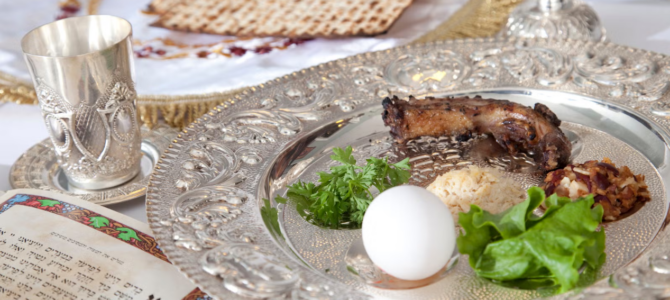
The Lithuanian Jewish Community invites you to come celebrate Passover together, with a musical seder scheduled for April 4. Stay tuned for more information.
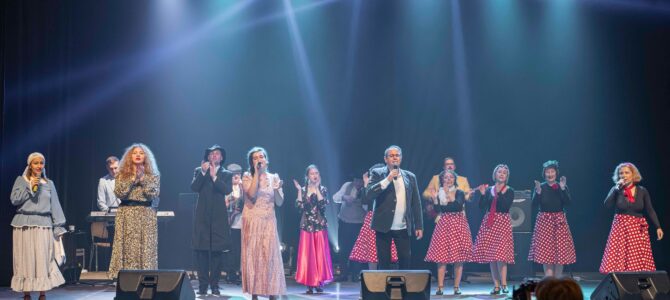
The Song Club at the Adomas Mickevičius Public Library in Vilnius is hosting a concert by the Jewish song and dance ensemble Fayerlakh at the end of March. Club members will receive instruction in singing Yiddish folk songs in Yiddish, with synchronous texts in Lithuanian and Yiddish, under the tutelage of Fayerlakh veterans. The event is free and open to the general public.
Time: 6:00 P.M., Monday, March 30
Place: Adomas Mickevičius Public Library, Trakų street no. 10, Vilnius
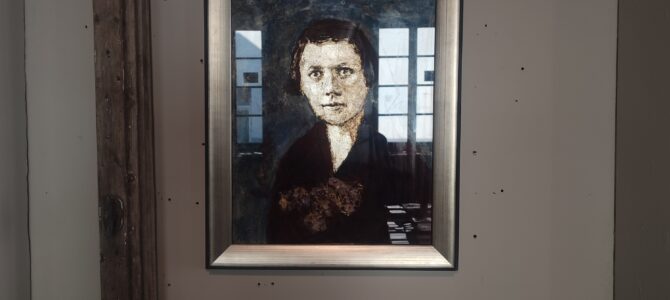
The Jonas Mekas Visual Arts Center in Vilnius is hosting an exhibit of works by the late Modestas Saukaitis. Saukaitis was an artist, art and book restorer and interior designer. He curated the first Fluxus exhibition in Lithuania with Gintaras Sodeika. Fluxus was an art movement started by Lithuanian-American artist, writer and filmmaker Jonas Mekas and was loosely associated with Guy de Bord’s Situationist International movement. Saukaitis passed away in 2024. He was deeply interested in Litvak history and his works on exhibit include a tribute to Righteous Gentile Ona Šimaitė and various takes on Jewish Vilna, with inscriptions in Hebrew and Greek characters, displayed in mirror-reverse for whatever reason. This exhibit is based on a previous exhibit of works by Saukaitis at the Shofar Gallery under the Jewish Culture and Information Center in Vilnius was based on texts by Abraham Sutzkever, the Yiddish poet and Litvak partisan (see below).
According to the host gallery, the exhibition features “verre églomisé works, assemblages, archival Fluxus material and video documentation as well as an overview of the artist’s work in interior design and restoration.” The exhibit opened March 6 and runs till May 23. The gallery is located at Malūnų street no. 8 in the Užupis neighborhood of Vilnius.
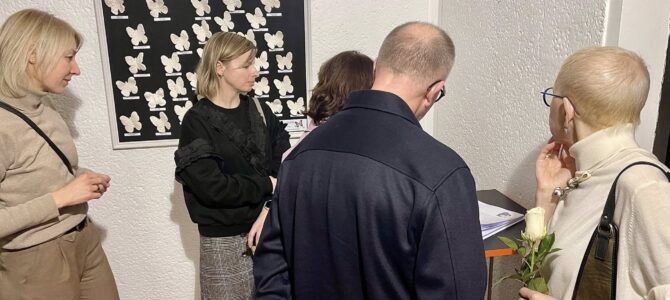
The Šiauliai Regional Jewish Community in concert with the Gegužės and Saulėtekis schools in Šiauliai are engaged in a project called “Road of Holocaust Memory: Lives Which Speak” to teach students about the Holocaust and human rights using first-person testimonies.
As part of that project, local students discovered and memorialized the biographies of 36 children who died in the Holocaust in Šiauliai. The older students from the Saulėtekis high school taught the younger students from the Gegužės junior high school about the lives of the Jewish children who were murdered.
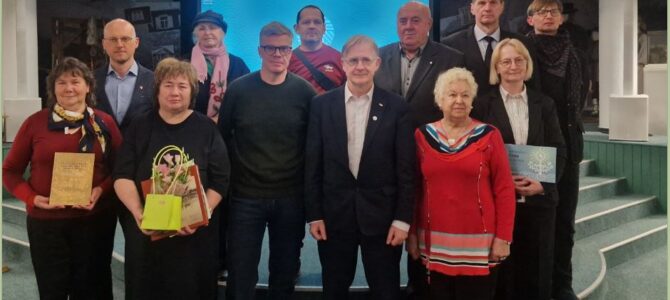
The Pasvalys Regional History Museum held a conference called “They Saved a World…” to mark Lithuania’s Day of Rescuers of Jews. Speakers included Arūnas Bubnys, Aušra Jonušytė, Gražvydas Balčiūnaitis and others. Pasvalys mayor Gintautas Gegužinskas and museum director Vitutė Povilionienė welcomed the audience, which included high school students, Panevėžys Jewish Community chairman Gennady Kofman and local residents.