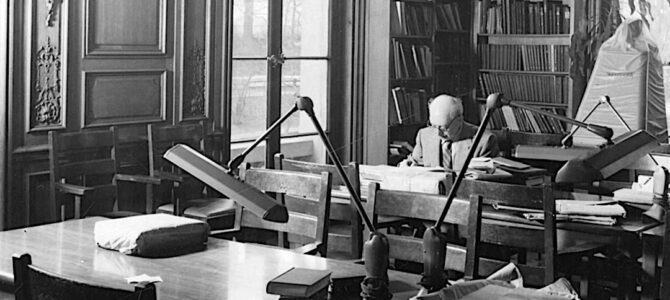
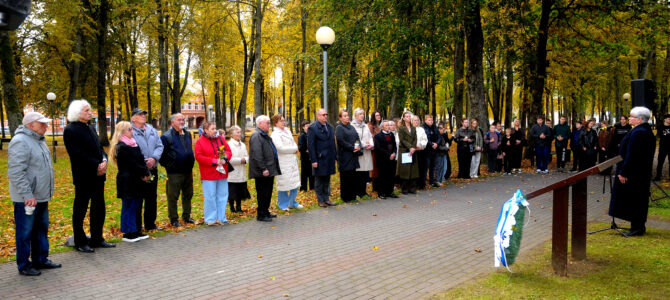
Photo: YIVO reading room at 1048 Fifth Avenue, ca. 1958. (YIVO Institute for Jewish Research)
by Andrew Silow-Carroll October 11, 2026
Kalman Weiser’s new history follows the institute from Vilna to New York where it had to preserve a vanished world and cultivate a future.
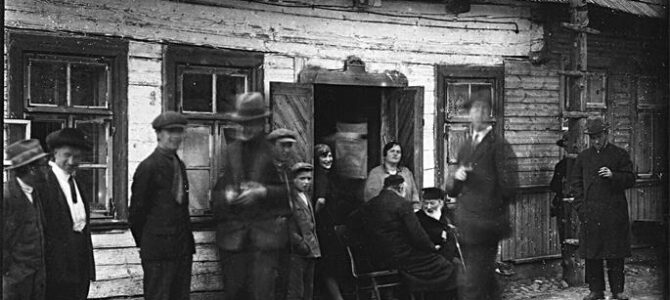
When YIVO was founded in Vilna in 1925 its mission was to study a living people.
The Yidisher Visnshaftlekher Institut was meant to be a national university for Jews scattered across Eastern Europe and increasingly the world. Its scholars studied Yiddish language and literature, but also Jewish sociology, psychology, history and contemporary life. YIVO was interested in how Jews actually lived and in helping them navigate modernity.
When the Nazis destroyed much of that world, YIVO’s surviving caretakers were forced to ponder how and why to keep their efforts going in a new world haunted by unimaginable loss.
Their efforts are explored in Kalman Weiser’s new history “Yiddish Scholarship Comes to America: The YIVO Institute at 100.” After World War II a relocated and heartsick YIVO had to become a guardian of a nearly vanished culture, a rescuer of its texts and artifacts and an institution which could somehow make that culture meaningful to Jews who were rapidly shedding Yiddish and embracing a distinctly American, English-speaking identity–all simultaneously.