
YIVO information

Vilna Gaon Museum Launches Kalmanovich Book

Vilna Gaon Museum Launches Kalmanovich Book

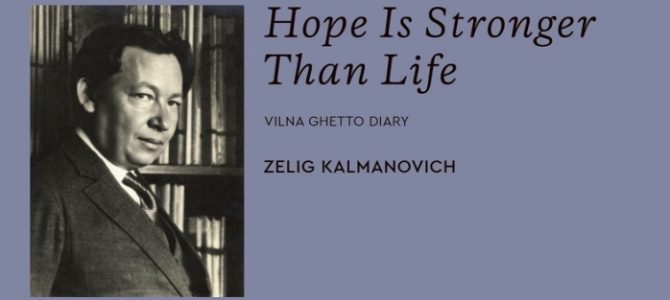
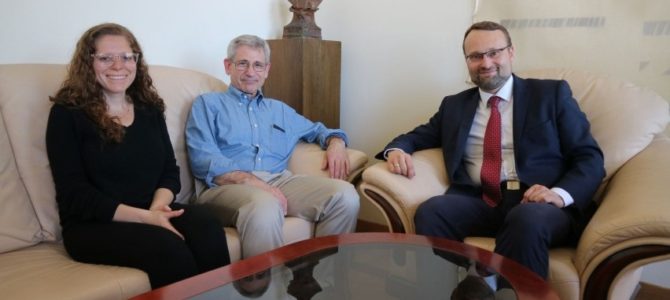
The Vilna Gaon Jewish History Museum is launching two editions of YIVO linguist Zelig Kalmanovich’s diary written in the Vilnius ghetto, in Lithuanian and English, titled Hope Is Stronger than Life. The book will be presented at 5:30 P.M. on Wednesday, November 24, at the Samuel Bak Museum, aka the Tolerance Center, at Naugarduko street no. 10 in Vilnius.

Lithuanian Pledges Made at Malmö Forum

Lithuanian Pledges Made at Malmö Forum

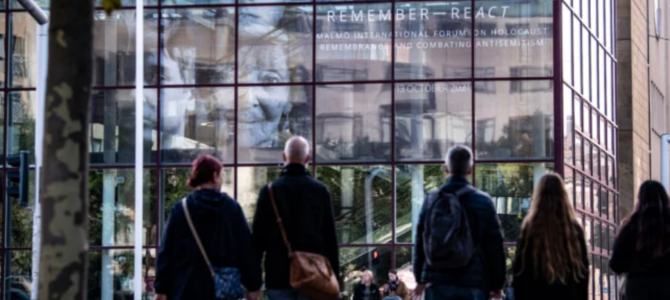
Statement by Lithuania at the Malmö International Forum on Holocaust Remembrance and Combating Anti-Semitism

Malmö International Forum on Holocaust Remembrance and Combating Anti-Semitism
October, 12-13, 2021

Pledges by Lithuania for 2021-2025

The Lithuanian government is engaged in a number of initiatives on Holocaust remembrance and education, which are to be implemented within a 5-year perspective. The most significant of them include opening new museum spaces and updating existing school curricula incorporating modern teaching recommendations on the Holocaust. This is an important contribution to raising awareness and educating society not only about the Holocaust but also the ages rich history of Jews in Lithuania. It was extensively presented during the year 2020, which was officially dedicated to the Vilna Gaon and saw a significant increase of interest in Jewish life, history and heritage in Lithuania.

April 23rd Marked 301st Birthday of Vilna Gaon

April 23rd Marked 301st Birthday of Vilna Gaon

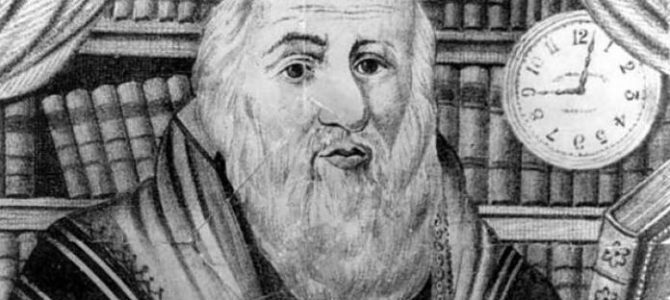
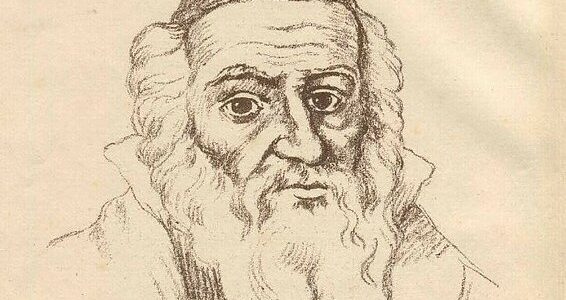
April 23 is the traditional date of the birthday of the Vilna Gaon, the most outstanding scholar of sacred Jewish texts in the modern era. Last year Lithuania was supposed to celebrate his 300th birthday with fanfare, but public events were canceled due to fears for public health.

YIVO’s Encyclopedia of Jews in Eastern Europe says the Gaon, also known by the acronym GRA, was a spiritual giant, an example to future generations, a source of inspiration and the central figure in Litvak culture.

Family Recipe for Hamantaschen

Family Recipe for Hamantaschen

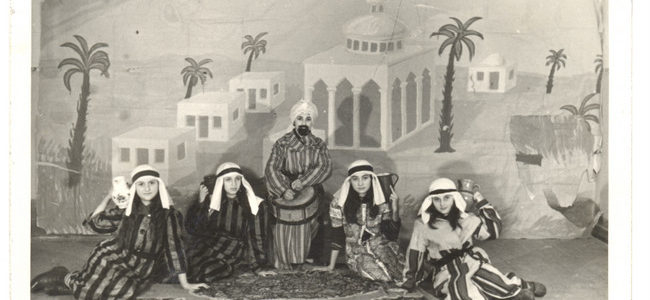
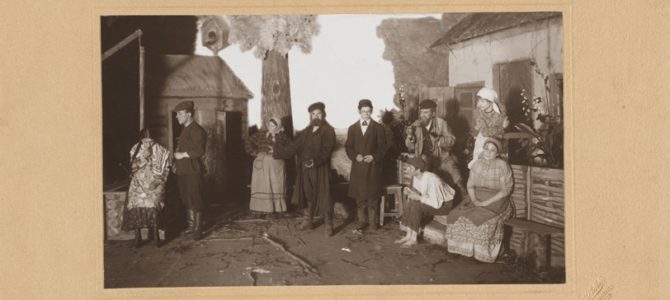
Photo: Tarbut Gymnasium students in Pabradė prepared for the Purimspiel, March 3, 1939. Courtesy YIVO.

Purim starts February 25 this year. Purim is the happiest of Jewish holidays dedicated to remembering the miraculous salvation of the Jewish people from destruction. Traditionally the triangular pastry Hamatasch are eaten on this day and the Lithuanian Jewish Community will share them with the leaders of the state this year as well.

“The essence of Purim is to celebrate life in all its fullness. This is a happy holiday, on this day you need to eat deliciously and much, especially the traditional hamantaschen pastry. This traditional treat reminds us that the plans of evildoers often turns back upon them, while wise rulers always receive the help to make the right decisions. We will also be sending hamantaschen pastry to the leaders of the country, wishing them to make wise decisions beneficial to the people,” Lithuanian Jewish Community chairwoman Faina Kukliansky said.

Vilnius Jewish Religious Community director Simas Levinas recalls the Purim story which reaches back into biblical times when the Jewish people were exiled from Jerusalem to Babylon. Although the king married the Jewish beauty Esther, the magnates and bureaucrats of Babylon really hated the Jews in their country, who weren’t there by their own choice. The vizier Haman came up with a plan to exterminate all Jews and cast lots (פור) to discover an auspicious time for this.

Lithuanian Jewish Community Chairwoman on Importance of January 13 to Nation’s Jews

Lithuanian Jewish Community Chairwoman on Importance of January 13 to Nation’s Jews

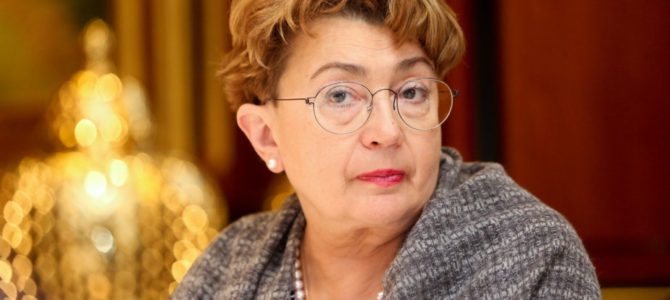
Photo: Faina Kukliansky, by Vidmantas Balkūnas, courtesy 15min.lt

Lithuanian Jewish Community chairwoman Faina Kukliansky remembers January 13. Lithuanian Jews, who restored their community finally 30 years ago after decades of restrictions, took part in events in those days [in 1991] Nowadays when they talk about the struggle for freedom, members of the community emphasize the greatest gift: the opportunity to speak freely.

What do you remember personally about that fateful night at the TV tower, the Lithuanian Radio and Television building and the parliament? What does the Jewish community remember about these events?

Jews did the same thing as everyone else in Lithuania. We have collected the recollections of our community members of that fateful night. They watched the television broadcast until it was cut off and they went to the barricades, in Vilnius but also in Kaunas and other cities.

We were there where the majority of Lithuania was. I remember when I travelled from Varėna during that time and saw the road full of tanks. At that time I had an elderly guest from America who said he was seeing tanks for the first time in his life.

On that particular night my friends and I–all of us were together with our young children–followed events, held vigil, waiting for our husbands who were there in the crowd by the barricades or who were doing their job as doctors.

My children are now grown up and always remember that night and the tension. It wasn’t clear what would happen and the tanks were already in place in the city. We didn’t have any information, we had seen the final frame when E. Bučelytė had to quit the [television] studio. We learned that night from medics that there were dead and wounded people.

The Unbelievable Story of the Kėdainiai Kloiz Being Restored

The Unbelievable Story of the Kėdainiai Kloiz Being Restored

by Rasa Jakubauskienė and Vaidas Banys for 15min.lt

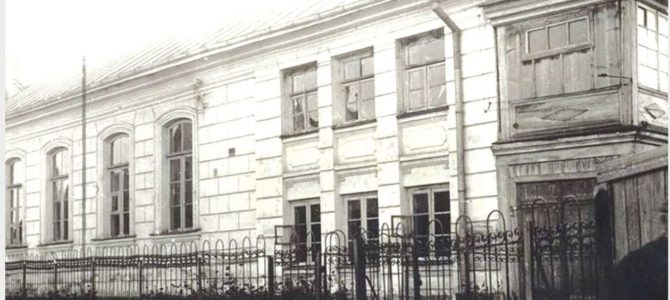
Kėdainiai [Keydan] is a city rich in history, culture, heritage and synagogues. Currently one of the synagogues houses the Multicultural Center of the Kėdainiai Regional History Museum, another an art school, and yet another is undergoing restoration. Restoration of the exterior of the latter was finished last year and this year the interior is being restored.

Jorūnė Liutkienė, advisor to the mayor of the Kėdainiai regional administration, said work is ongoing inside and isn’t complete. Kėdainiai historian Vaidas Banys reported, as we were writing this article, that he had discovered interesting facts never before published concerning the emergence of this synagogue, and shared them for the first time with readers of the newspaper Rinkos aikštė [local Kėdainiai newspaper].

Year of Eliyahu Exhibition

Year of Eliyahu Exhibition

The Torah itself witnesses: I am Wisdom, who found a haven in Eliyahu’s soul, and through him was revealed to the world.

This fragment of the epithet inscribed on the headstone commemorating Eliyahu ben Solomon Zalman reflects well the significance of the Vilna Gaon for Litvak and global Jewish culture. As Lithuanian marks 2020 as the Year of the Vilna Gaon and Litvak Culture, the Martynas Mažvydas National Library is contributing with an exhibit of publications and documents called “The Year of Eliyahu: The Vilna Gaon’s Influence on Litvak Culture.”

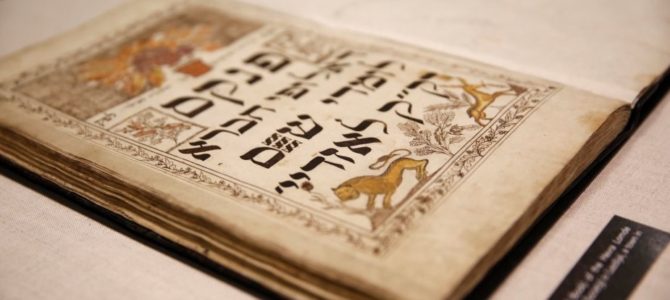
The exhibit showcases the Gaon’s biography, personality and intellectual and pedagogical activity as well as his influence over Vilnius Jews, on their mentality and culture. Documents illustrating the sage’s life and works by the Gaon and his followers will be displayed. One of the major items is the pinkos of the synagogue of the Vilna Gaon conserved by the YIVO institute in New York City. This document, a compendium of vital statistics of the Jewish community, will be exhibited using a holographic projection system. The exhibit will also showcase the abundant and diverse Judaica collection conserved at Lithuania’s National Library.

The opening ceremony will be held in the atrium on the third floor at 5:30 P.M. on Tuesday, October 20, and will include a musical performance and installation employing modern audio-visual technology to transform an ancient text into a tale, providing a hint into the Gaon’s thought-processes.

The exhibit will also feature the issue of the Bank of Lithuania’s 10-euro silver coin commemorating the 300th anniversary of the birth of the Vilna Gaon, designed by our own Victoria Sideraitė-Alon, Jūratė Juozėnienė and Albinas Šimanauskas.

Three Hundredth Birthday of the Vilna Gaon

Three Hundredth Birthday of the Vilna Gaon

The Lithuanian parliament has proclaimed 2020 the Year of the Vilna Gaon, the 18th century scholar and cultural figure Eliyahu ben Solomon Zalman, and the Year of Litvak History. This anniversary has also been listed on UNESCO’s list of anniversaries for 2020 and 2021. On April 23 we mark the 300th birthday of the Vilna Gaon.

Scholars consider the Gaon the greated Talmudic scholar in Eastern European Jewish history. He is also the father of the rabbinical movement’s struggle against Hasidism and is considered the primary figure in rabbinical learning among Eastern European Jews. The Gaon and his followers, mitnagdim or misnagdim (literally “opponents,” i.e., of Hasidism) are sometimes called prophets of learning.

The Vilna Gaon had a deep interest in different branches of the exact sciences and his texts on geometry, astronomy and geography are often ascribed to the Haskalah, the Jewish enlightenment which arose in the 1770s in Central and Western Europe. Alan Nadler, professor emeritus of religious studies and formerly the director of a Jewish studies program in the USA, says the Gaon’s interest in secular subjects stimulated the expansion of many academic fields and the Gaon became a symbol of educated Judaism.

Lithuanian Government Lists Famous Litvaks

Lithuanian Government Lists Famous Litvaks

The web page of the Government of the Republic of Lithuania now features in Lithuanian and English texts about the Vilna Gaon, famous Litvaks and visual materials for celebrating 2020 as the Year of the Vilna Gaon and Litvak History.

§§§

Most Prominent Jewish Personalities in Lithuania

Lithuania has been home to many Jews, who were born in this country, lived and created here leaving an indelible mark in the scholarly and cultural heritage of Lithuania as well as of the world.

Writers

Icchokas Meras (1934-2014). The author of books on the Holocaust (Geltonas lopas (The Yellow Patch), Ant ko laikosi pasaulis (What the World Rests on), Lygiosios trunka akimirką (A Stalemate), and a film script writer for well-known Lithuanian films Kai aš mažas buvau (When I Was a Child), Birželis, vasaros pradžia (June, the Beginning of Summer) and Maža išpažintis (Small Confession).

Chaim Grade (1910-1982). Vilna-born writer, a member of Yung Vilne (Young Vilnius), a group of avant-garde writers and artists. Chaim Grade is considered to be one of the leading Yiddish writers in post-Holocaust period. Nominated for the Pulitzer Prize.

YIVO to Lend Lithuania Vilna Gaon Synagogue Pinkas

YIVO to Lend Lithuania Vilna Gaon Synagogue Pinkas

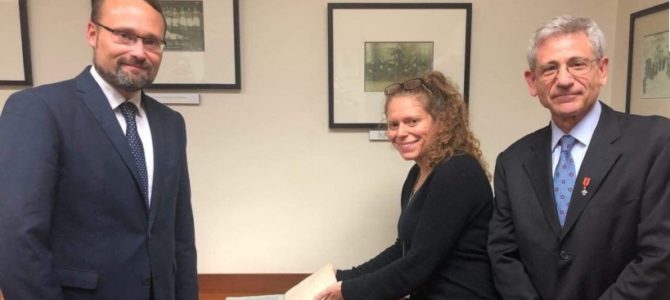
The board of directors of New York’s YIVO has voted to lend the pinkas of the Vilna Gaon synagogue to Lithuania for exhibition following a meeting with Lithuanian minister of culture Dr. Mindaugas Kvietkauskas, YIVO director Jonathan Brent said.

This is the book of vital statistics for the local Jewish community, a priceless source of information on the life of the Vilnius Jewish community. The document will be lent in 2020 as Lithuania marks its Year of the Vilna Gaon and Litvak History. The plan is to show it at the Lithuanian National Martynas Mažvydas Library.

Full story in Lithuanian here.

Lithuanian President Visits YIVO

Lithuanian President Visits YIVO

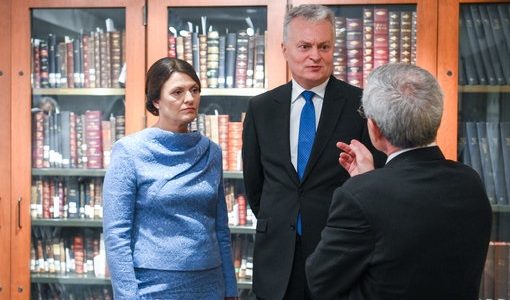
Lithuanian president Gitanas Nausėda and his wife Diana visited YIVO on the last day of the president’s trip to the United Nations in New York City. They met staff, viewed exhibits and learned about the world-famous Jewish research institution founded in Vilnius in 1925.

“Jewish history and culture have formed the identity of all countries of the world, not just Lithuania. Since the 15th century the Lithuanian and Jewish communities have been united by a common rich history. Vilnius was even called the Jerusalem of the North. Activities of Lithuanian Jews have left behind a priceless religious and philosophical legacy for the entire world Jewish community which is celebrated by the YIVO institute in New York,” the newly-elected president said.

information from the President’s Office

University of Illinois at Chicago Hosts Discussion “Narratives of Pluralism in Lithuania Yesterday and Today”

University of Illinois at Chicago Hosts Discussion “Narratives of Pluralism in Lithuania Yesterday and Today”

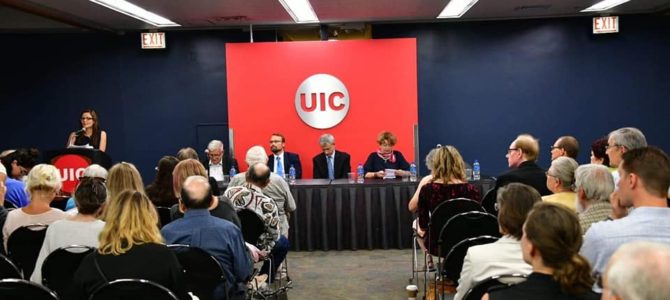
Tuesday evening the University of Illinois at Chicago held a discussion called “Narratives of Pluralism in Lithuania Yesterday and Today.” Speakers included professor Tomas Venclova, Lithuanian minister of culture Dr. Mindaugas Kvietkauskas, Lithuanian Jewish Community chairwoman Faina Kukliansky, YIVO director Jonathen Brent, with teacher of Polish literature and Polish-Jewish relations Karen Underhill moderating. Discussion focused on multiculturalism in Lithuania, changes in ethnic minority communities in Lithuania over the centuries, contributions the ethnic minorities made to founding the modern state and Litvak contributions to the nation’s cultural and political life, as well as Holocaust education and commemoration.

Lithuanian consul general Mantvydas Bekesius thanked professor Venclova, Lithuanian cultural attaché in New York Gražina Michnevičiūtė and all audience members and speakers.

Photos by Sandra Scedrina

Thank You for Ten Productive Years Together, Madam President

Thank You for Ten Productive Years Together, Madam President

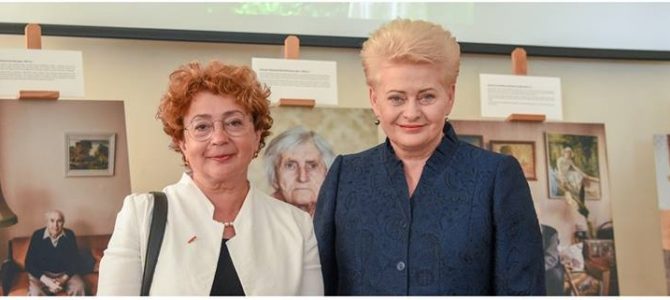
Photo: Lithuanian president Dalia Grybauskaitė, right, at photo exhibit on rescuers of Jews

Your excellency, madam president Dalia Grybauskaitė,

The Lithuanian Jewish Community send you our sincerest thanks for the ten years you have devoted to Lithuania and the people of Lithuania. We are grateful for the firm political position you’ve taken in complicated situations and your resolute decisions.

Israeli president and Litvak Shimon Peres visited Lithuania in 2013 and we witnessed the birth of a new era of close cooperation between Lithuania and Israel. The year 2013 was also the year restitution began, when Lithuania, first among the countries of the region, undertook a firm legal obligation to make compensation for Jewish communal property seized during the Holocaust and to make symbolic restitution to Holocaust victims for the losses they experienced. In 2017 you decorated Fania Brancovskaja, a member of the underground resistance in the Vilnius ghetto and one of the liberators of the ghetto, recognizing her actions as worthy of merit to Lithuania. This was another important sign of respect for the memory of the Holocaust in Lithuania. In 2018 Israeli prime minister Binyamin Netanyahu visited Lithuania, demonstrating the highest respect to the country and to the Lithuanian Jewish Community. In September of 2018 we prayed with Pope Francis, Catholics and Jews together, in memory of the victims of the Vilnius ghetto. This year, in the run-up to 2020 as the Year of the Vilna Gaon and Litvak History, we visited the archive of the YIVO institute in New York City, where a portion of the statistics on the Jewish population once kept by the Great Synagogue in Vilnius are conserved, again recalling the memory of the lost Jerusalem of Lithuania.

Thank you for the important step we have taken together on the road to mutual understanding between Jews and Lithuanians.

With respect and gratitude,

Faina Kukliansky, chairwoman
Lithuanian Jewish Community

Vilnius YIVO Headquarters Commemorative Plaque Ceremony Held

Vilnius YIVO Headquarters Commemorative Plaque Ceremony Held

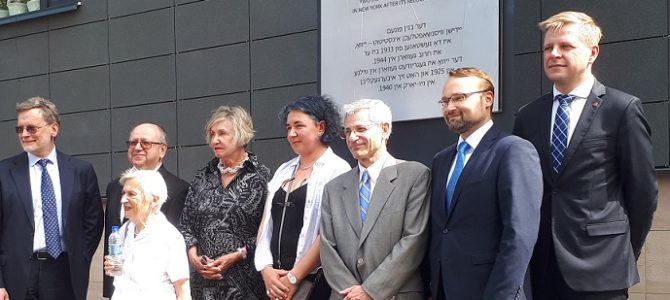
The Lithuanian Foreign Ministry and the Lithuanian Jewish Community invited guests and the public to a ceremony to unveil a plaque near the site of the former Vilnius headquarters of YIVO on Vivulskio street in Vilnius June 20. Those attending included deputy to the LJC chairwoman professor Leonidas Melnikas, the heads of YIVO, Lithuanian foreign minister Linas Linkevičius, Lithuanian culture minister Dr. Mindaugas Kvietkauskas, Jewish partisan Fania Brancovskaja and the mayor of Vilnius.

YIVO began in Vilnius in 1925 and was originally housed in the apartment of its founder and prime mover Max Weinreich on Basanavičiaus street (aka Pogulanskaya, Pogulnaka and Wielka Pohulanka street) in Vilnius. Dedicated to research on the language, literature, culture and history of Jews in Eastern Europe, the institute collected a large mass of documents and archive material from local Jewish communities before the Holocaust.

Architect and designer Victoria Sideraitė-Alon designed the new YIVO plaque.

Although much of YIVO’s material was lost during the war, some made its way to the provisional war-time headquarters in New York, which became world headquarters following the war.

International Project Connects New York and Vilnius YIVO Archives

International Project Connects New York and Vilnius YIVO Archives

Lithuanian culture minister Dr. Mindaugas Kvietkauskas has met with YIVO director Jonathan Brent and YIVO head of archives Dr. Stefanie Halpern. In the meeting they discussed the implementation of YIVO’s Vilna project, a seven-year-long international effort to preserve, digitize and connect the pre-war YIVO archives in New York and Vilnius. The project aims at recreating the Strashun Library, one of the largest Jewish collections in Europe before the Holocaust.

The Lithuanian side expressed the hope that next year, when the Baltic country marks the Year of the Vilna Gaon and Litvak History, YIVO would loan the pinkas of the Vilna Gaon shul, a book of statistics kept by the Jewish community which is considered one of the most important documents testifying to the life and history of the Vilnius Jewish community.

Full story in Lithuanian on the Lithuanian Culture Ministry webpage here.

Commemorative Plaque to Mark Site of Former YIVO HQ in Vilnius

Commemorative Plaque to Mark Site of Former YIVO HQ in Vilnius

The Lithuanian Foreign Ministry and the Lithuanian Jewish Community invite the public to attend an unveiling ceremony of a plaque to commemorate the site of the former headquarters of YIVO in Vilnius at 3:00 P.M. on June 20 at the building now located at Vivulskio street no. 18 in Vilnius. YIVO, the most significant center for the study of Jewish culture, history and languages in Eastern Europe, was located near this site from 1925 to 1941. Its founder moved its activities to New York which became world headquarters following the German invasion in 1941.

Participants at the ceremony are to include YIVO director Jonathan Brent and YIVO board of directors deputy chairwoman Irene Pletka.

Rudashevski Diary Now Accessible for the Visually Impaired

Rudashevski Diary Now Accessible for the Visually Impaired

The Vilnius ghetto diary of Yitzhak Rudashevski is now available as an audiobook in Lithuanian, read by Justinas Gapšys. According to the card catalog of the Lithuanian Library for the Blind in Vilnius, the insert in the CD includes a text in braille. The very limited-edition CD is available at 5 branches of the Lithuanian Library for the Blind around the country. The book itself is bilingual with excerpts from the diary in Yiddish starting from the back cover and moving inward. The audiobook does not contain a reading of the Yiddish section.

More information available in Lithuanian here.

Isaac Bashevis Singer Presented at Limmud

Isaac Bashevis Singer Presented at Limmud

Rabbi Borukh Gorin from Russia gave a presentation of the life and work of Yiddish writer Isaac Bashevis Singer at the 2019 Lithuanian Jewish Community Limmud held in Druskininkai this month.

Gorin is editor-in-chief of the Lekhaim magazine and the Knizhniki publishing house. The magazine is published on paper (about 7,000 copies per issue) and the internet, and is read by about 80,000 internet subscribers. The hard-copy magazine is sent out to readers in Israel, Europe and America, as well as 75 other countries. Gorin says Lekhaim is a window on the contemporary Jewish world and contains articles on history, religion and modern Jewish life. It is published in Russian. It often contains information about Lithuanian Jews. Some time ago the magazine featured Chaim Grade, one of the most important writers in Yiddish who was born in Vilnius on April 4, 1910. He passed away in New York on April 26, 1982. Following the death of his widow, unpublished manuscripts by Chaim Grade were discovered and should be published within a few years. Grade wrote about Vilnius.

In Druskininkai Gorin spoke about Bashevis Singer, calling him one of two well-known Yiddish writers, along with Sholem Aleichem. Singer wrote about Polish Jewish life before the Holocaust. Gorin pointed out Singer came from a family of talented writers, with his brother Israel and sister Ester respected writers in their own right. His father was a rabbi and a good storyteller and his mother was a rationalist and aristocrat. Bashevis Singer moved to the USA before World War II and wrote for the Forward, where he published a cycle about a Polish Jewish family. Singer describes Polish Jewish life and he wrote after the war as if the Holocaust had never happened.

Lithuanian President Visits YIVO

Lithuanian President Visits YIVO

Lithuanian president Dalia Grybauskaitė visited YIVO in New York City March 13.

The YIVO institute was founded in Vilnius in 1925, collecting a large library of books and documents, Yiddish literature and material on Jews in Central and Eastern Europe. It moved to New York in 1939 when founder Max Weinreich was caught in Denmark as Nazi Germany invaded Poland on September 1 of that year. The New York branch became the headquarters as the Nazis looted YIVO archives in Vilnius.

YIVO director Jonathan Brent met the Lithuanian leader and spoke to her about the Strashun collection and important documents YIVO conserves.

The Lithuanian president said she was impressed by the collections demonstrating the priceless Litvak heritage and also by the courage and nobility of the people–Lithuanians and Jews–who saved the important documents.

Full press release in Lithuanian here.