Litvaks

Kaunas Jewish Community Commemorates Victims of WWII

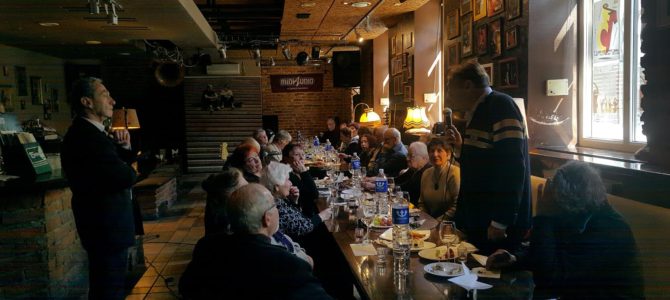
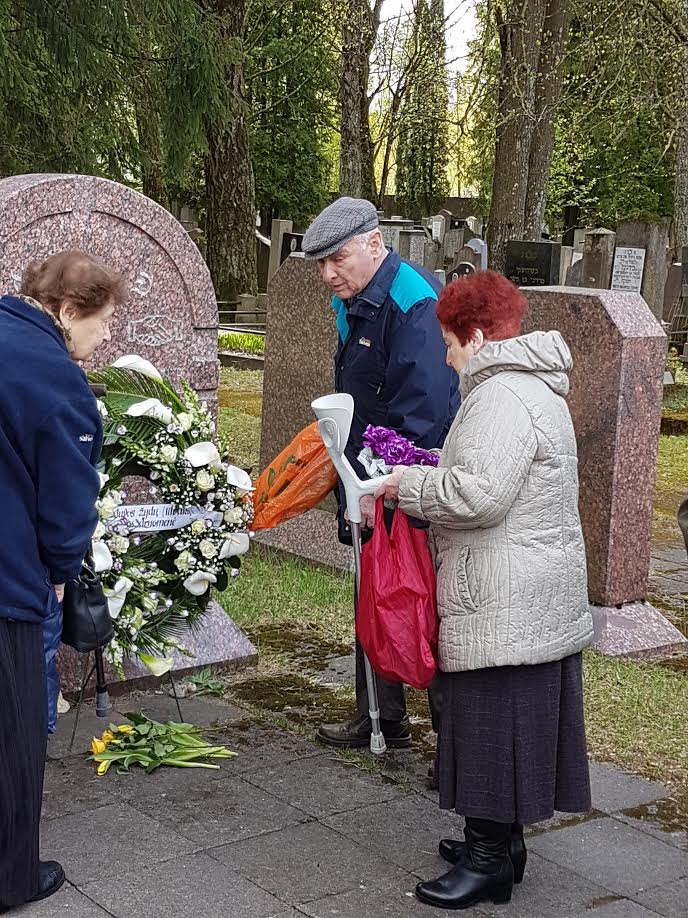
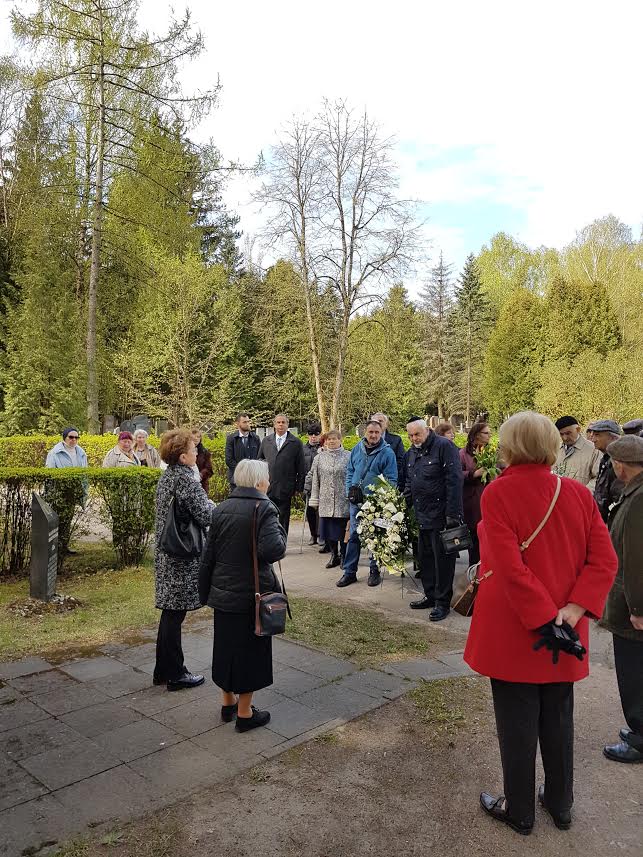
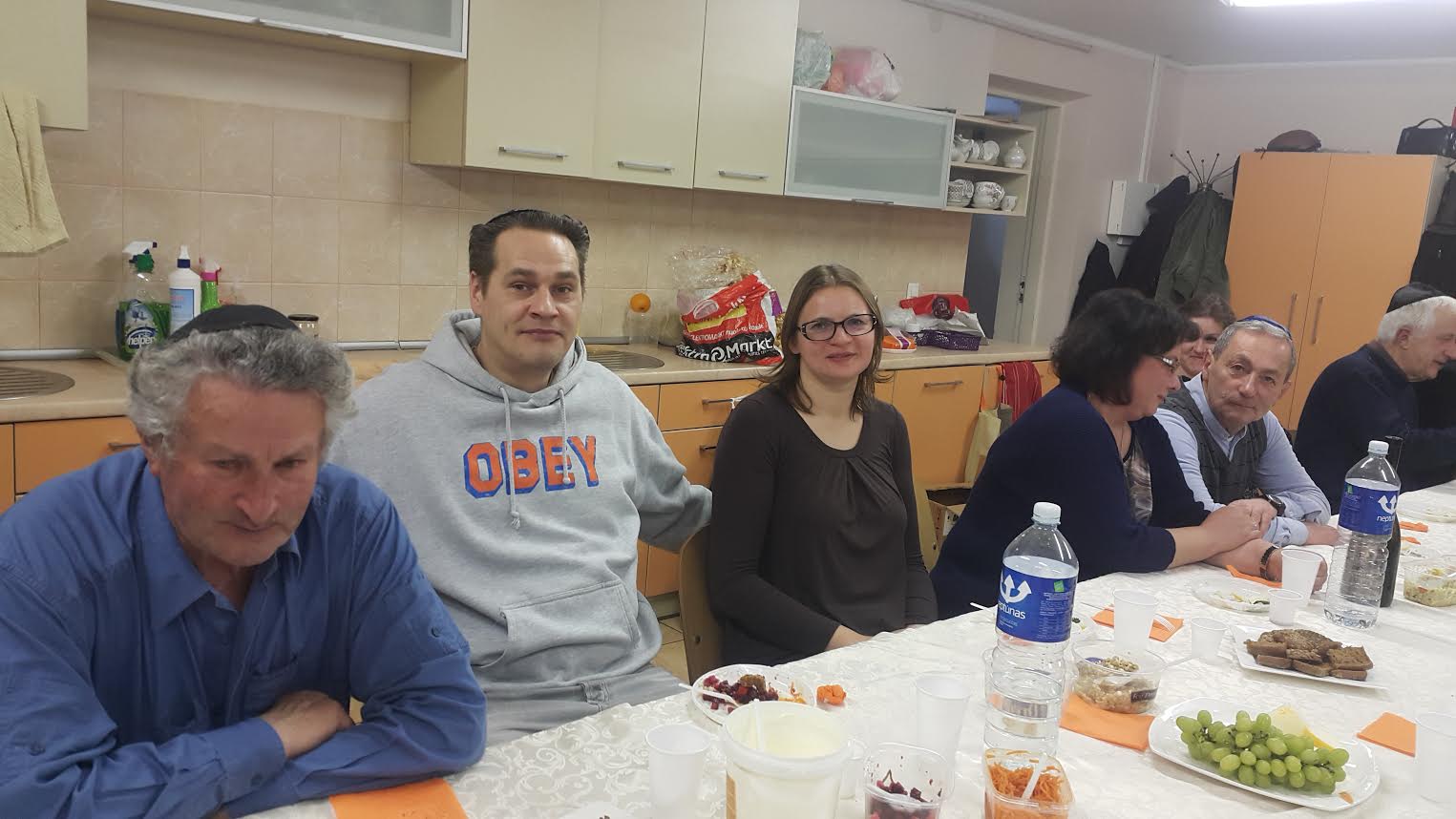
On May 9 the Kaunas Jewish Community commemorated the victims of the Holocaust and World War II and recalled victory and the joy of liberation from the Nazi terror. Memories sweet, bittersweet and sad were shared by the widows and children of veterans at the evening event, and Abraham Leizerson recalled his attempts to join the war effort as a very young man. Aleksandr Rave’s song performance unified and brought together the crowd, while Lucija Laverenova unexpectedly lightened the mood with a comedy routine. Basia Šragienė helped organize the event, as she did two years ago with her husband, now the late WWII veteran Shmuel Shrage, whose bright spirit lives on in our memory.

Vilkomir Remembers Victory

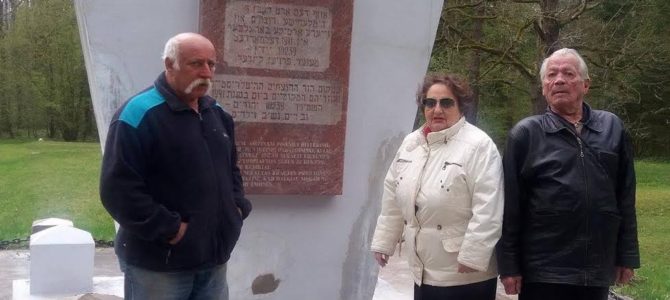
The Ukmergė Jewish Community marked the 72nd anniversary of Victory Day commemorating the victims of mass murder in the Pivonija forest.

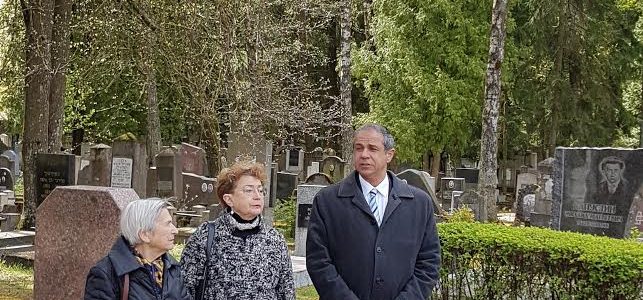
Community members also visited the graves of late members of the community and war veterans at the Old Believers cemetery.

First University Department of Holocaust Studies Opens in Germany

Deutsche Welle reports the first university chair in the country for Holocaust Studies has been created. The department will operate under the History and Philosophy Faculty at the Goethe University in Frankfurt. Uni VP Manfred Schubert-Zsilavecz said the city is an appropriate fit for Holocaust studies and that his university has Jewish roots.

The new department will deal exclusively with the genocide of Jews under the Nazis in Germany and Europe. Historian Sibylle Steinbacher is to head the department. The German state of Hesse will finance the department to the amount of 150,000 euros annually.

Hesse state minister of science and education Boris Rhein called the establishment of the new department long overdue in Germany. Although 70 years have passed since the Nazis were driven from power in Germany, he says it will never be possible to fully comprehend the Holocaust. Rhein said while the current generation isn’t legally responsible for the crimes of the Nazis, it is part of the solution in the present and future. One of the priority fields of research at the new department will be research on the ethical and moral mechanisms for justifying and denying the Holocaust.

jewish.ru

Misha Breakfast Program at Choral Synagogue

Dear Community members,

Before his death, long-time client of the LJC Social Programs Department Avishalom Moishe Fishman left a last will and testament donating his savings to the Lithuanian Jewish Community who had cared for him in his latter years.

To honor Moishe Fishman’s wishes, LJC chairwoman Faina Kukliansky proposed using the funds for the needs of the Choral Synagogue in Vilnius.

In furthering Jewish traditions of charity, it was decided with Vilnius Jewish Religious Community chairman Simas Levinas to use the funds received to set up a free-breakfast program in the cafeteria on the second floor of the Choral Synagogue, Pylimo street no. 39, Vilnius.

Moishe lived alone and was a client of the Social Programs Department for about 18 years.

The Community and its members, and especially members of the seniors club, became his second home and family.

Let’s remember together this enlightened man beloved and honored by all who knew him.

For the first time a plaque will be placed on the wall of the synagogue to thank and remember a local philanthropist, rather than a donor from abroad.

Everyone knew him as Misha, so this has been dubbed “Misha’s Breakfast Project.” It will begin Monday, May 15. The breakfast program will take place at the synagogue from 9:00 to 10:00 A.M., Monday to Friday.

Abi Men Zet Zich Club Celebrates Victory Day

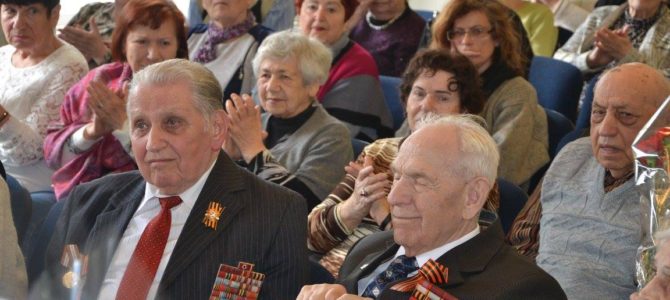
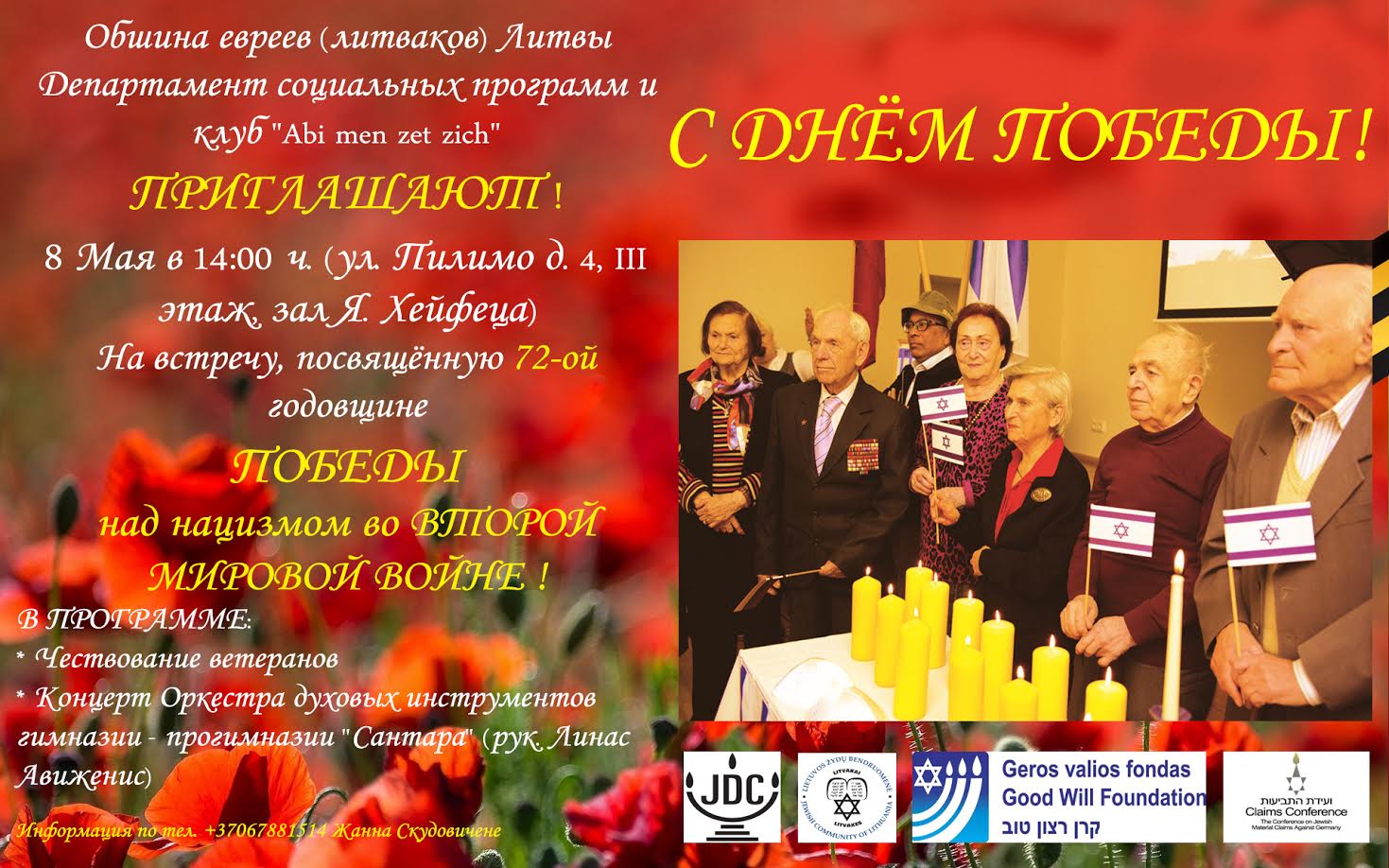
The Lithuanian Jewish Community celebrated Victory Day 2017 inviting the public to the Abi Men Zet Zich Club at the Community. The event included a ceremony to honor the heroes of World War II, our veterans and Community members.

An overflow crowd of about 140 people crammed into the hall and foyer to honor the memory of the fallen and to celebrate humanity’s victory over the Nazi death machine. Time has taken its toll on our veterans and now there are only 14 Jewish WWII veterans still living in Vilnius.

The event was organized by LJC Social Programs Department coordinator Žana Skudovičienė with the aid of volunteers and colleagues, with musical performances by Michailas Filipovas ( Jablonskis), Vadim Volkov and Rita Alterman. The Bagel Shop Café and Natali Restaurant catered the event and Arikas Krupas provided special beverages to the veterans as he has for many years now.

Our thanks go to everyone who took part and especially to the students in the woodwind orchestra of the Santara Gymnasium and Pre-Gymnasium in Vilnius and orchestra conductor Linas Avižienis.

Thank You

LJC Social Programs Department coordinator Žana Skudovičienė thanks everyone who helped make this year’s Victory Day celebrations at the Community such a success for our members and veterans. About 140 people attended Community events for VIctory Day on May 8. A big “thank you!” goes out to the singers Michailas Filipovas ( Jablonskis), Vadim Volkov and Rita Alterman, and to the Bagel Shop Café and Natali Restaurant for the wonderful treats, and to Arikas Krupas who has provided and paid for special beverages for the veterans for many years now. Thank you!

Lithuanian Jewish Community Marks 72nd Victory Day

On March 8 Lithuanian Jewish Community members and veterans marked the 72nd anniversary of the Allied victory over the Nazis.

Victims of fascism, leaders of the ghetto resistance movements, teachers and children were remembered at the Vilnius Jewish Cemetery on Sudervės road. The names of murdered Jews of Vilnius are remembered on the gravestones of surviving members of their families. The Sudervės road Jewish cemetery is a working cemetery, although it is sometimes intentionally confused with the Šnipiškės cemetery for propaganda purposes in the foreign media when the topic is the alleged on-going “destruction of the Jewish cemetery.” In the near future the Sudervės road Jewish cemetery will feature monuments indicating remains removed from the Šnipiškės cemetery and reinterred here in earlier years.

Victory Day celebrations included a ceremony for veterans at the LJC headquarters in Vilnius in the afternoon, during which dinner was served and participants were treated to a concert.

South African Couple Visits Panevėžys Jewish Community

Panevėžio žydų bendruomenėje svečiai iš Pietų Afrikos Respublikos

South African attorneys Jonathan and Sheli Schlosberg visited the Panevėžys Jewish Community where chairman Gennady Kofman told them about the history of the Jews in the Panevėžys region, community events to teach Jewish history and other social, educational and cultural activities.

There are over 30 mass murder sites where Jews were shot and mass graves in the Panevėžys district. The guests were interested in the history of the Jewish graveyard in the city of Panevėžys. They made use of the opportunity to visit the cemetery site and learned in 1966 the cemetery was destroyed and the headstones used to decorate the walls of the Juozas Miltinis Drama Theater there.

Panevėžys Jewish Community chairman Gennady Kofman presented small token gifts to the guests including Jewish calendars and star of David ornaments. The guests expressed gratitude for the comprehensive survey he provided and wished success to the Panevėžys Jewish Community.

Israeli Independence Day Celebration at Sholem Aleichem Gymnasium

“I thank God He has sent us the sun. And I thank God we will be celebrating the 70th birthday of the State of Israel next year,” Miša Jakobas, principal of the Sholem Aleichem ORT Gymnasium told a large crowd of students, teachers, parents, prominent members of the Jewish community and well-wishers on Tuesday at a celebration of Yom haAtzmaut, Israeli independence day, in the athletics field behind the school.

Children assembled well before the official start of the celebration to practice singing and dance moves, and slowly the crowd coalesced into a ring around pupils performing songs in Hebrew, including haTikvah, the Israeli national anthem, and Yerushalayim shel zahav, Jerusalem the Gold, as a warm golden sun promised the belated onset of spring. Small plastic Israeli flags were distributed to everyone who wanted one. On the track field a group of primary-grade students performed a flag marching ceremony, followed by a group of speakers on the opposite side of the crowd where the children had sung.

Principal Miša Jakobas was followed by Lithuanian Jewish Community chairwoman Faina Kukliansky who asked some of the wilder children to settle down, joking such behavior didn’t belong on the playground, although it is acceptable at synagogue. She pointed to a building in the back corner of the school yard and said if things go to plan, this would be a new Jewish kindergarten in Vilnius where Jewish children would receive priority of place. Currently the Jewish kindergarten in Vilnius, Salvija, just across the river from Sholem Aleichem, accepts a large number of non-Jewish children as well and promotes itself as a inclusive multicultural environment, although it emphasizes Jewish holidays and culture.

US Public Television Airs Documentary on Jewish Vilna


Photo courtesy PBS

by Geoff Vasil

Owen Palmquist’s documentary on two sites in Jewish Vilna aired last week on the US public television network PBS’s NOVA program. According to the director, there are rumblings of a broadcast in Lithuania, but so far there are no concrete plans to show it here.

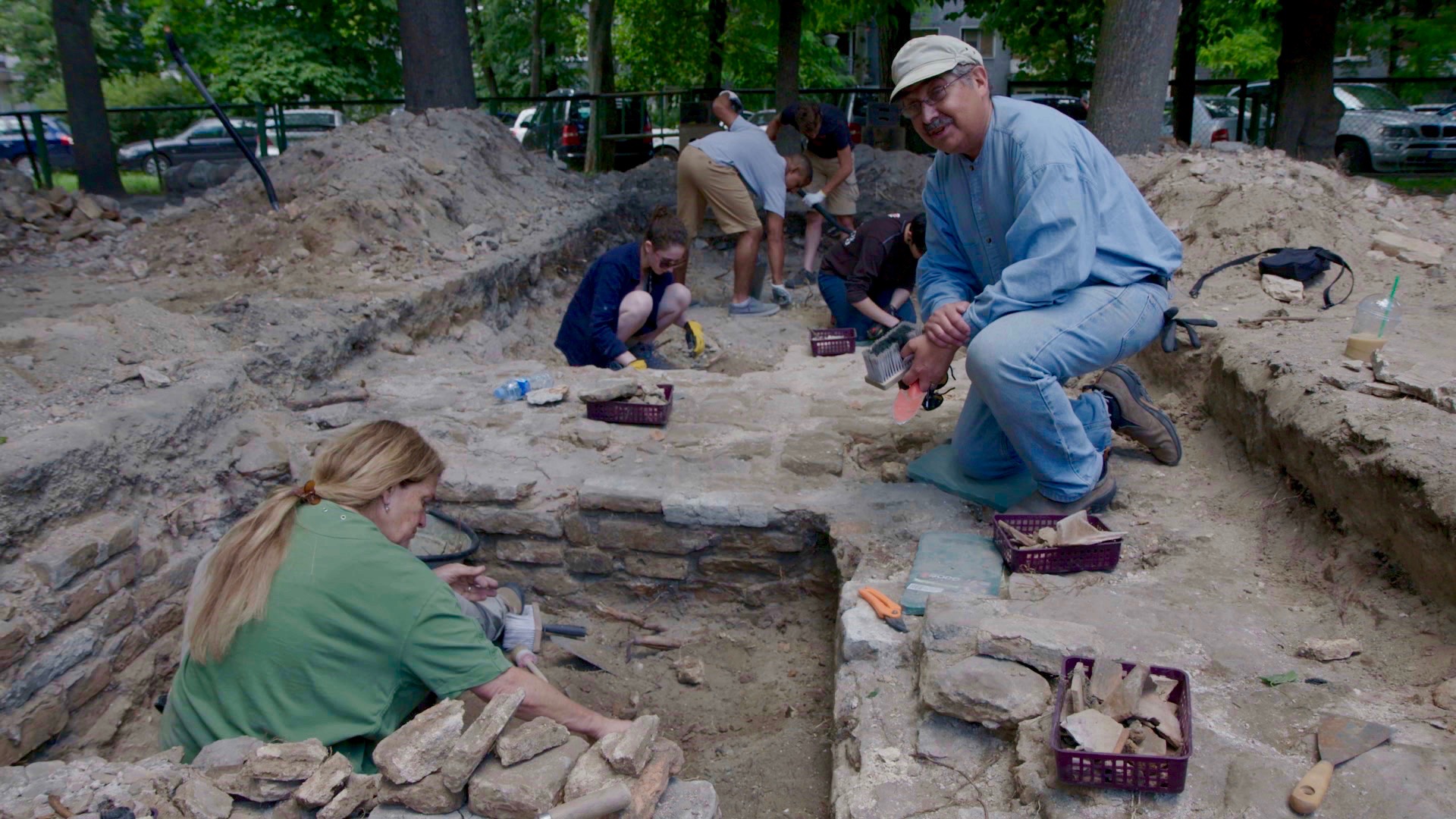
The documentary is called Holocaust Escape Tunnel and focuses on two sites in and near Vilnius: the former Great Synagogue, which was damaged in World War II and torn down by the Soviets in the early 1950s, and the Ponar mass murder site outside Vilnius, where more than 70,000 people were murdered during the Holocaust.

Obviously Ponar got top billing. Last summer as director Owen Palmquist was shooting the footage with his crew, he said they hadn’t settled on any definite title and hadn’t decided what to feature yet, but he had the idea he wanted to talk about the rich Litvak Jewish culture of Vilnius. Focusing on the Holocaust actually makes more sense within the American context, since Lithuania is generally seen as one of the more enthusiastic societies to take up arms and murder Jews during World War II. It’s an easier sell to media managers. Litvak history is complicated and spans centuries; the Holocaust is immediate and “in your face.”

Goodwill Foundation Project: Jews of the Vilna Guberniya

Jews of Vilna Guberniya: Recruits of the Tsar, Cantonists, Conscripts of World War I

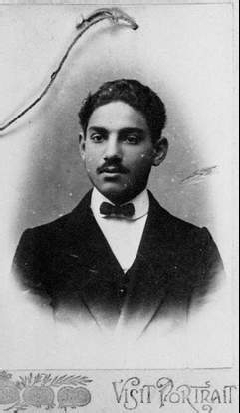
The project contains a rich collection of early 20th-century photographs conserved by the Lithuanian State Central Archive. These are photographs of Jewish young people and conscripts to the Russian army from the Vilna guberniya from 1900 to 1915 with authentic inscriptions identifying the subjects, with surnames written on the photographs and confirmed by stamp and seal. The reverse sides of the photographs contain the signature of a Vilna guberniya police official confirming identity, and an oath to the that effect is sometimes attached to certain photographs.

The collection is comprised of 1,222 portrait photographs. This is the largest portrait-photo collection preserved in the archive and is important part of the historical legacy of the Jews who lived in Vilna guberniya. The photographs are very expressive, young men dressed in their finest clothes, looking with hope and aspiration to the future. The fate of many is unknown: did they serve in the Russian army, were they cantonists, or did they manage to avoid serving? This unique period of Jewish history has been little studied and very few publications about it exist. Research on the origins and fates of the people in the photographs is a subject for a separate historical study.

Most of the portraits were taken in Vilna, but others were done in Warsaw, Minsk, Kiev and St. Petersburg. These century-old photographs taken in the salons of famous photographers of the period (Rembrandt, E. Binkovich, A. Straus, S. Fleri and others) are both cultural and historical treasures and an important part of the history of photography about which the general public knows very little at the present time.

Old Jewish Cemetery in Šeduva Receives Special Mention in Europa Nostra Heritage Protection Awards

Šeduvos žydų kapinių įamžinimą įvertino Europos Komsijos įkurta Europa Nostra!

Work in Šeduva, or more precisely work already completed, hasn’t gone unnoticed by Europa Nostra, the heritage protection organization established by the European Commission.

Europa Nostra under a jury selected by the European Commission awarded the Lost Shtetl Project special mention.

Special mentions in the EU Prize for Cultural Heritage/Europa Nostra Awards 2017 were made public today by Europa Nostra and the European Commission. This year the jury granted special mention to 13 heritage achievements from 11 European countries taking part in the EU Creative Europe program.

Special mention goes to outstanding contributions in the conservation and enhancement of European cultural heritage which are particularly appreciated by the jury but did not make it into the final selection to receive an award.

Old Jewish cemetery in Šeduva, Lithuania

In restoring and maintaining the Jewish cemetery in the town of Šeduva, the local community has succeeded in its efforts to restore, commemorate and respectfully maintain the memory of members of their community who, since the Holocaust, no longer live in the town.

For more information, see:
http://www.europanostra.org/2017-eu-prize-cultural-heritage-europa-nostra-awards-special-mentions/

High Accolades from EU for Project to Restore Old Jewish Cemetery in Šeduva

Lithuania was mentioned at the 2017 European Union awards ceremony for cultural heritage protection. The Lost Shtetl Project was one of three restoration projects in Europe to receive honorable mention. The Lost Shtetl Project has restored the old Jewish cemetery in Šeduva, Lithuania.

Jews of Šeduva were interred there until World War II and about 1,300 headstones and fragments were discovered there, following restoration of about 800 grave stones, of which 400 have been identified, the oldest going back to 1812 and the newest 1936.

Full story in Lithuanian here.

Happy Birthday to Gercas Žakas

Sveikiname Gercą Žaką, Kauno žydų bendruomenės pirmininką su gimtadieniu!

Happy birthday to Gercas Žakas, soccer referee, trainer and expert and chairman of the Kaunas Jewish Community! Our warmest wishes for the birthday boy! May health remain ever with you, may you also enjoy such energy, may your activities remain always so interesting and may your nice big smile continue forever!

Mazl tov!

Panevėžys Jewish Community Kids Visit Circus

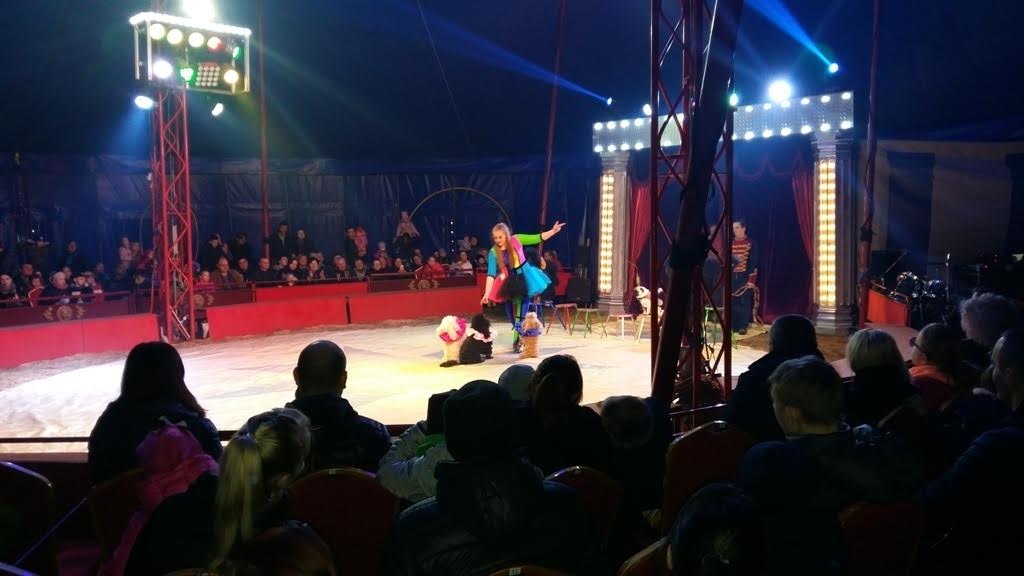
Children from the Panevėžys Jewish Community chaperoned by adults visited the Marcel & Odeta Czech-Lithuanian two-ring family circus April 29. Over 30 trained exotic animals performed at the event, including lions, kangaroos, an Appaloosa stallion, ponies, a small monkey and white doves. The aerial acrobats and clowns were especially impressive to both the children and adults.

Commentators Posting Insults to Jews Subject to Class Action, Real Consequences Could Follow

After the scandal over an invitation posted to the internet to celebrate Shrovetide in Naisiai, Lithuania, which contained anti-Semitic overtones, impassioned comments ensued. Some commentators went far out of bounds and took to insulting ethnic minorities.

After witnessing the hate storm, a group of concerned citizens formed including Jews, Russians and Poles from Lithuania but also ethnic Lithuanians. They filed a complaint with the Lithuanian Prosecutor General’s Office calling for a criminal investigation.

According to a representative of that group, this is the first such case where a group of citizens assembling voluntarily rather than an existing organization or a specific individual has filed such a complaint.

“We aren’t seeking the punishment of any specific person, we just want to show there are many people who don’t want to look on in silence when this sort of public disgrace occurs,” one group representative said.

Kaunas Community Marks One Year since Death of Yudel Ronder

A year has passed since the Kaunas Jewish Community lost one of our most senior and most honored members, Yudel Ronder. His memory was honored with a prayer before Sabbath began, and later over dinner many shared their memories of the extraordinary man. Highly intelligent, cultured, warm, sincere and honest, his bright wit and wisdom accompanied him even during grave illness at hospital until the last moment of his life. He was extremely active and interested in a broad range of subjects. He began many projects and activities. Even in the dark Soviet era, he sought out rescuers, told their stories and concerned himself with making sure they were honored and taken care of. He also looked for Holocaust perpetrators and without fear met with them, trying to get inside their consciences and disturb their peaceful sleep. He was one of the first Jews involved in volunteer club activities during the Soviet era, the enthusiastic director of a drama group whose performances attracted scads of viewers. The performances were in Yiddish and he sought out actors fluent in the language. The current chairman of the Kaunas Jewish Community, Gercas Žakas, who knows Yiddish well, was invited to join the troupe and became one of main actors there. Ronder took care of his people and organized welfare for the poor. He made contact with German welfare organizations, earned their highest respect and received funding for material aid for members of the Kaunas Jewish Community.

Originally from Kėdainiai (Keydan), he lost his family and relatives in the Holocaust. He survived by being evacuated to the Soviet Union and served in the 16th Division. Ronder dedicated all his energies and devoted his heart to others. People who had the opportunity to make his acquaintance have never forgotten him and his warm stories about his grandfather. Yudel’s grandson Dovydas remembers them well and he came from Germany especially to mark the one-year anniversary of Yudel’s death. Kristina, the daughter of Yudel’s long-time care-giver Stefa Ancevičienė who became very close to him, also remembers his stories well.

Meeting with Actors from Moscow’s Vakhtangov Academic Theater

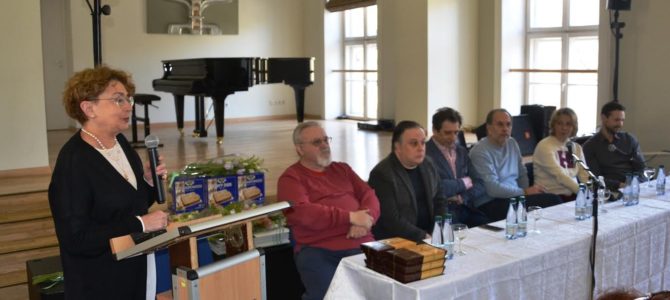
In mid-April a meeting with an overflow audience was held at the Lithuanian Jewish Community in Vilnius to meet the actors of the famous Vakhtangov Academic Theater in Moscow who are performing the play “Nusišypsok mums, Viešpatie!” [Smile upon Us, O Lord] under the direction of Rimas Tuminas. Actors at the meeting included Sergey Makovetsky (playing the character Efraim Dudak), Aleksei Guskov (Shmule-Sender Lazarek), Yevgeniy Kniazev, Viktor Suhorukov (Avner Rosental) Julia Rutberg (Ožkytė) and Viktor Dobronravov (playing Hloyne-Geneh).

Twenty years after its premiere at Vilnius’s Small Theater, the play was performed at the Yevgeniy Vakhtangov Theater in Moscow in 2014, where Tuminas has been director since 2007. The tour of the play in Lithuania this time is dedicated to the late actor Vytautas Šapranauskas, who died in 2013 and was unable to play again the role of Chloinė Genech in Tuminas’s presentation of the drama in Moscow. The play originally performed at the Little Theater on Gedimino prospect in Vilnius travelled around the world, winning numerous awards at drama festivals. In 1995 Tuminas won the title of best Lithuanian director for his direction of the play and the prestigious Kristoforas statue. Drama score composer Faustas Latėnas and Gediminas Girdvainis, who created the character of Avner Rozental, also won the same awards in separate categories.

The new production of the play is also a world traveller and has been seen in New York, Toronto and Tel Aviv.

Vilnius City Council Names Samuel Bak Honorary Citizen

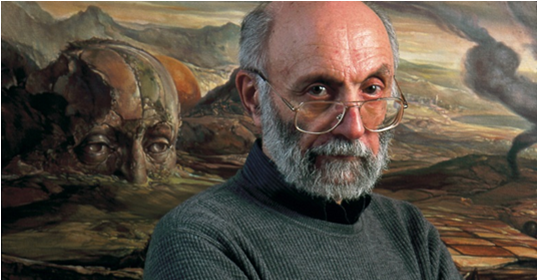
Samuel Bak, the famous Litvak painter, has been named an honorary citizen in his hometown, Vilnius. Bak now becomes only the 15th honorary citizen of Vilnius. The award is granted based on exceptional contributions to Lithuania and her capital city. Bak was nominated for the title by the Vilna Gaon State Jewish Museum. Bak is planning to travel to Vilnius this year and present 100 of his works to the museum.

Bak was born in Vilnius August 12, 1933. At the age of 9 he and his parents were imprisoned in the Vilnius ghetto. There he had his first exhibition, of his drawings. In 1945 he lived in a displaced-persons camp in Germany. In 1948 he made aliyah to Israel. Later he lived in France, Italy and Switzerland. In 1993 he moved to Weston, Massachusetts, in the United States. Since 1959 he has exhibited his works in galleries and museums in Montreal, Jerusalem, London, Paris and Rome. His second exhibition in Vilnius took place in 2001. He holds the degree of honorary doctor of the visual arts at the Massachusetts College of the Arts.
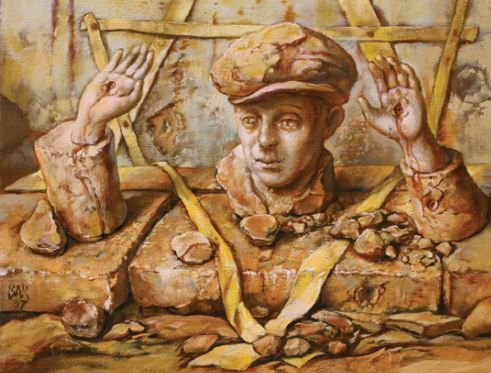
Samuel Bak portrays his experience of the Holocaust in his pictures.

Although the world-renowned artists is truly a “citizen of the world,” he has never forgotten his hometown, Vilnius, and what he experienced here, which gave rise to his artistic career. His work is characterized by his personal style combining details of perfect Renaissance-type figures with metaphysical spaces, an individual interpretation of iconography and a deep symbolism.

Honorary citizens of Vilnius include the architect Algimantas Nasvytis, late former US president Ronald Reagan, father Kazimieras Vasiliauskas, composer Mstislav Rostropovich, disgraced former speaker of the US House of Representatives Dennis Hastert, the writer Czesław Miłosz, Lithuanian writer Justinas Marcinkevičius, the anti-Communist Zbigniew Kazimierz Brzezinski, Lithuanian mathematician Jonas Kubilius, Lithuanian rock musician Algirdas Kaušpėdas, the writer and philosopher Tomas Venclova, the late former Israeli prime minister and president Shimon Peres, late former Lithuanian prime minister and president Algirdas Mykolas Brazauskas and former Icelandic foreign minister Jón Baldvin Hannibalsson, the first Western government official to recognize the reaffirmation of Lithuanian independence in 1990.