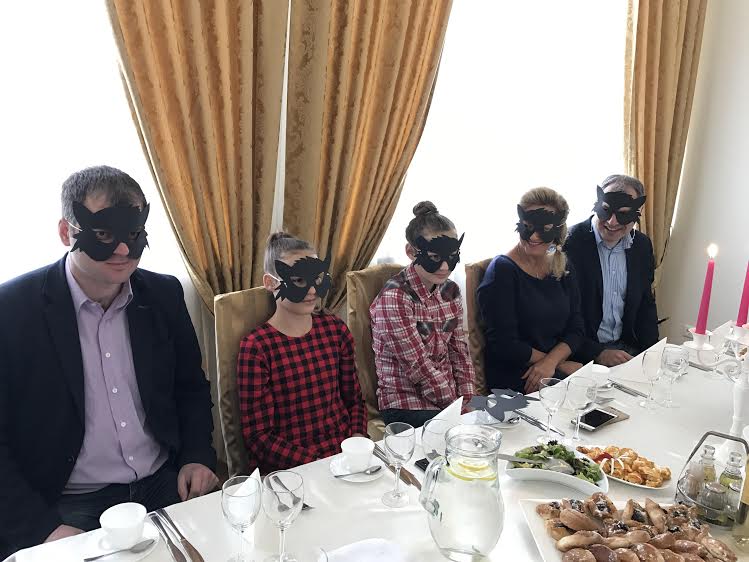
The Ukmergė Jewish Community celebrated Purim together in high spirits on March 19.
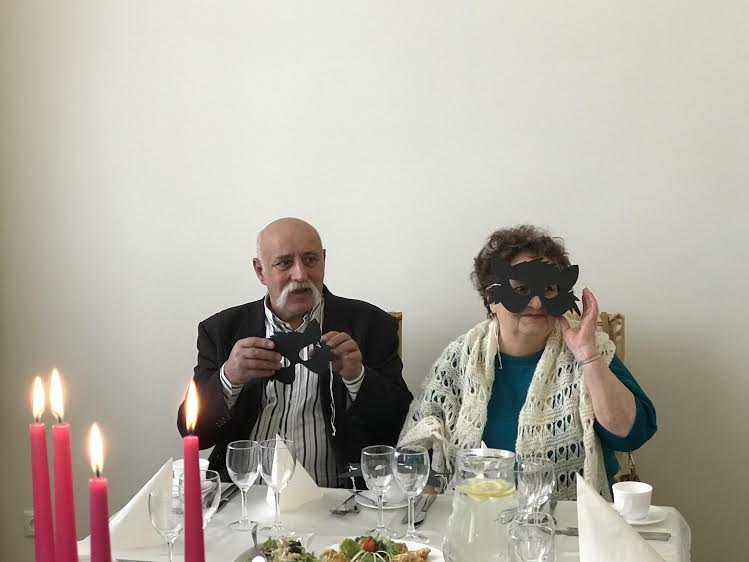


The Ukmergė Jewish Community celebrated Purim together in high spirits on March 19.

The Bagel Shop Café has started selling matzo and matzo flour, so we’d like to present some traditional Jewish dishes made from these items.
Matzo brei also known as matzo metugenet is a simple Ashkenazi dish whose name refers to matzo being fried. The dish is often made for breakfast during Passover.
You will need:
2 cups boiling water
5 eggs
6 matzo bread wafers
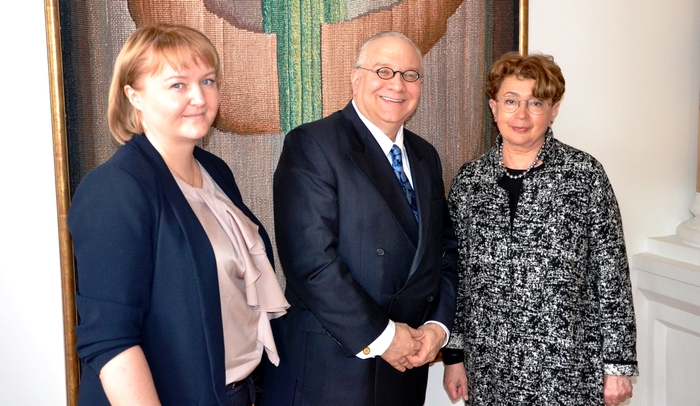
Lithuanian Jewish Community chairwoman Faina Kukliansky met with Glenn Drew, chief executive officer of the American Hebrew Academy, the international Jewish college preparatory boarding school with a distance-learning program via internet, on March 17 to discuss educational opportunities for members of the LJC and their children. The Baltic Council for International Education facilitated the meeting.
Mr. Drew first visited Vilnius in October, 2016. Reading recently about the Lithuanian Jewish Community’s chairwoman and her work, he decided to make contact with the Community directly.
In a letter to the chairwoman sent before the meeting, Mr. Drew wrote:
“I spend a considerable amount of time traveling around the world visiting Jewish communities to inform them about opportunities for Jewish teenagers to study and the American Hebrew Academy in the United States. During my visit to Vilnius, I welcome the opportunity to meet with you and your board. I believe we share many common interests and would like to explore how we may collaborate in the future.


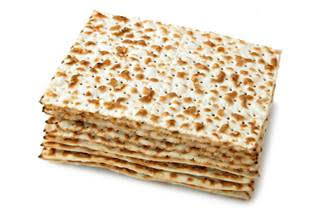
Members of the Vilnius Jewish Community are invited to pick up a box of matzo bread in room 201 at the Lithuanian Jewish Community in Vilnius on workdays between 8:30 A.M. and 4:30 P.M. from March 22 to March 28. On Sunday, May 26, please come between 11:00 A.M and 5:00 P.M. Try to remember to bring you membership card!
Please note: Matzo will be distributed to social program clients separately. They are invited to pick up a box of matzo bread in the computer classroom on the first floor of the Lithuanian Jewish Community in Vilnius on workdays between 11:00 A.M. and 3:00 P.M. from March 21 to April 4.
Every member will receive a full box of matzo without charge, but due to financial constraints we are unable to provide more than one box per member. Additional boxes may be purchased at the Bagel Shop Café for €3.50 per 1 kg box.
An evening of cocktails to celebrate Purim for young people (but of legal drinking age) starting at 7:30 on Saturday, March 18.
Register by internet:
http://apklausa.lt/f/purim-aveu3f1/answers/new.fullpage

Last weekend was special for the Šiauliai Jewish Community. Friday many members of the community gathered to celebrate the Sabbath conducted properly by Rabbi Kalev Krelin. The men went for prayer to the synagogue and the women lit the candles to the kiddush and challa. We had a special guest: Israeli ambassador to Lithuania Amir Maimon paid an unofficial visit.
At the culmination of the evening the entire community enjoyed kosher floimen-tzimmes.
Early Saturday morning the men gathered again for prayer at synagogue with the rabbi.
In the evening all members of the community dressed up in carnival costumes and masks and gathered to celebrate Purim. Rabbi Kalev Krelin read from the Book of Esther and all of us, together and loudly, wiped the name of Haman from history.
This year the holiday coincided with the 27th anniversary of modern Lithuanian independence and the community didn’t neglect that holiday either, singing the Lithuanian national anthem (and Hatikvah).
With our feasting and fun we celebrated Purim according to all the Jewish traditions.
The Department of Ethnic Minorities to the Government of the Republic of Lithuania invites the public to attend the launch of a multimedia DVD on Polish and Jewish heritage in Lithuania.
The event is scheduled for 2:00 P.M. March 16, 2017, at the Department of Ethnic Minorities building at Raugyklos no. 25 in Vilnius.
For more information and the register, please email informacija@tmde.lt
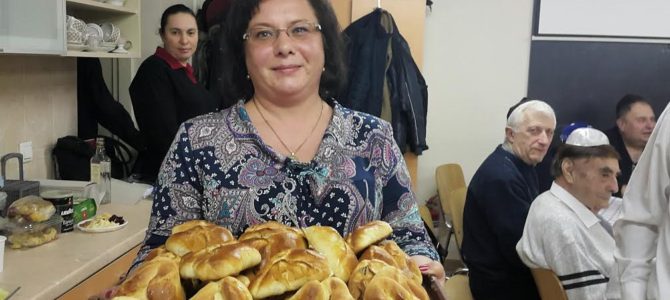
Members of the Kaunas Jewish Community celebrated Purim wishing one another good fortune, joy, success and inner and world peace. As in earlier years specially-baked homentashen added to the festivities. The Lithuanian Jewish Community’s social programs department and the Goodwill Foundation helped make the celebration possible.
The Gešer and Kaveret Young Families Clubs invite you to come celebrate the happiest Jewish holiday of the year, Purim, with a Purim Carnival, with music and atmosphere from the 1960s, ’70s and ’80s and the unforgettable Michailas Frišmanas and DJ Titas Morkūnas.
The Carnival theme is стиляги (hipsterism), including foxtrot, jive, boogie woogie and rock’n’roll. Recommended attire includes loud shirts and dresses of all eras, colorful jackets, ties, umbrellas and fedoras, but use your imagination and go wild, hipsters come in all shapes, sizes and historical eras. Only those in costume to be admitted.
The party starts at 7:00 P.M. on March 17 at the Natali restaurant located at Žalgirio street no. 92. The cost of ticket per person is €10.00 and reservations may be made from 10:00 A.M. to 5:00 P.M. from March 7 to March 14, please call Žana Skudovičienė at 8 678 81514
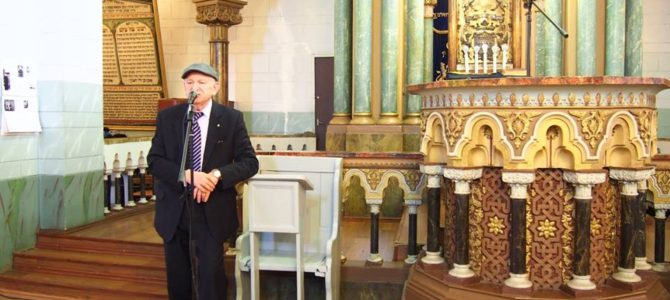
HAG PURIM SAMEAKH!
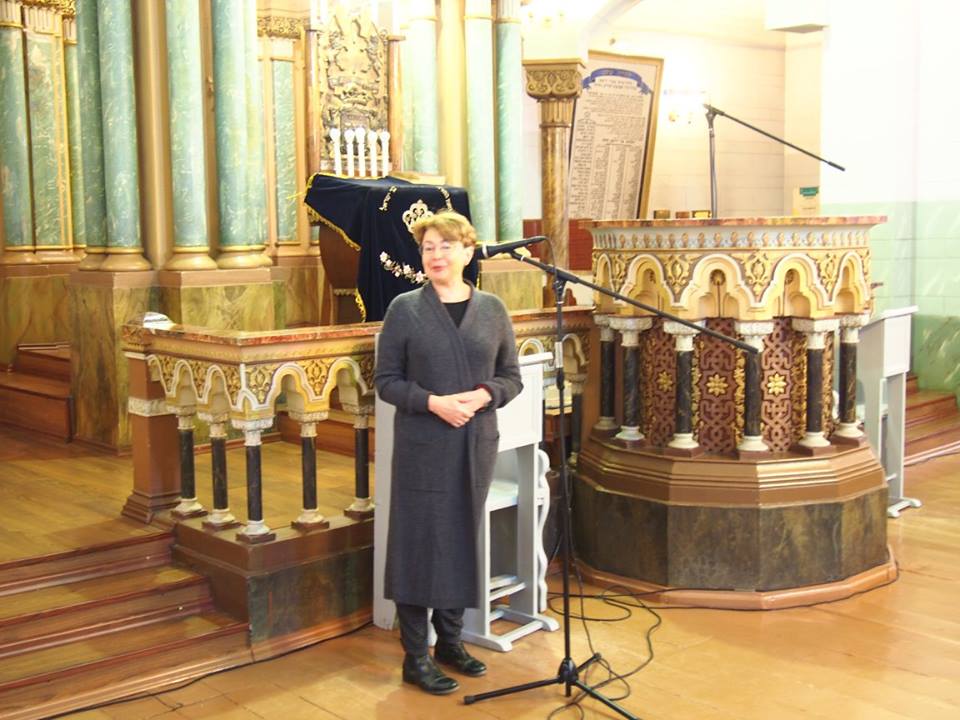
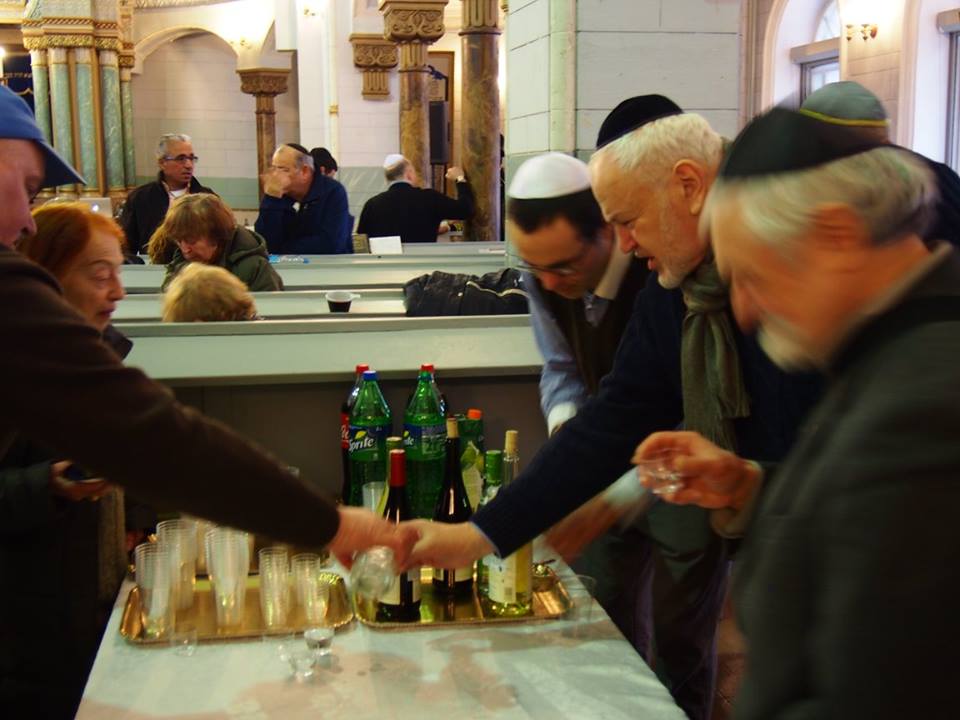
The Lithuanian Jewish Community celebrates the most fun Jewish holiday of the year.
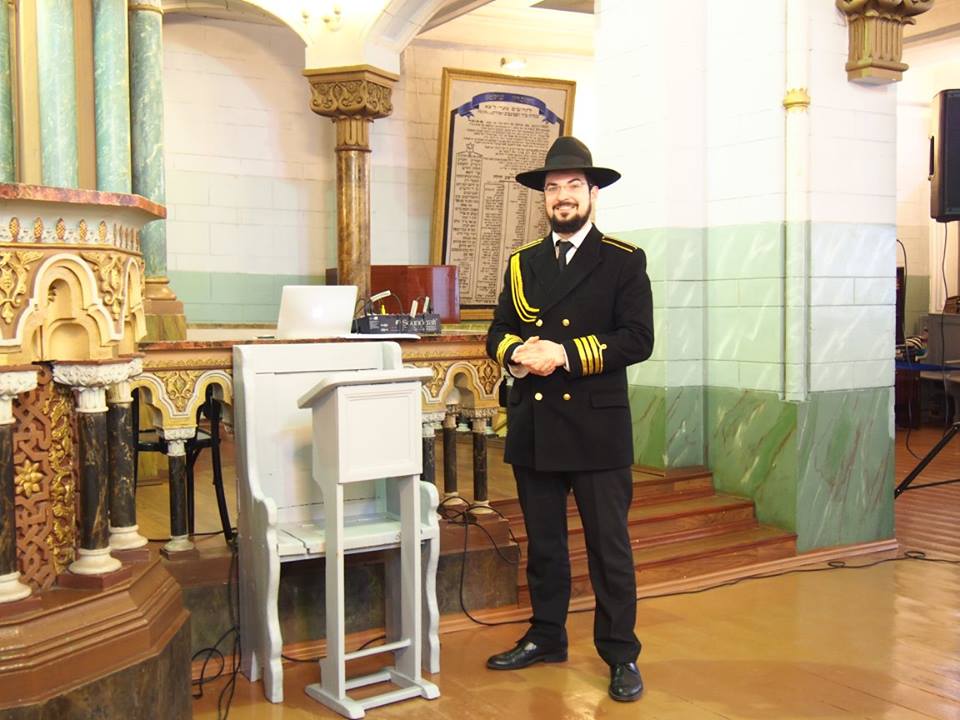


by Andrés Spokoiny
What if we are wrong about Purim? What if Purim is not the joyful holiday that we think it is, but a mordant exercise in self-criticism, a painful look at the mirror, a scathing self-deprecation designed to inspire shame rather than glee?
Let’s go back to the basics of the story: King Ahasuerus of Persia tries to publicly humiliate Queen Vashti. The Queen refuses and Ahasuerus sends her away. He replaces her with Esther, a Jewish woman who is the cousin of Mordechai, a Jew of some renown. Mordechai subsequently uncovers a plot to kill the king, but does not immediately receive any reward. A showdown takes place between Mordechai and the evil viceroy Haman, who demands that all subjects bow to him. Mordechai refuses and Haman convinces the king to exterminate all the Jews, because they are a people “scattered among the peoples of all the countries of your empire, whose laws differ from every other people, and they don’t obey the laws of the king” (Esther 3:8). Haman draws lots and determines that the 14th of Adar will be the day of the massacre. (Purim means “luck” or “lots”). Esther plans a convoluted plot to expose Haman in front of the king by revealing her own true identity and accuse the viceroy of disloyalty. Haman gets hanged on the same tree on which Mordechai was supposed to be executed, and the Jews go on a rampage to kill those who sought to harm them. Since then, and for some 2,500 years and counting, we party and get drunk. In the famous epigram: they tried to kill us, they failed, let’s eat and drink.
Children from the LJC children’s clubs came in costume with their parents to celebrate Purim at the Lithuanian Jewish Community. There was dancing, playing and sampling of the delicious hamantashen baked by the Bagel Shop Café. A great time was had by all.
Purim is the spring holiday when we celebrate the rescue of the Jews from death in Babylon. On March 12 the Panevėžys Jewish Community began the celebration with chairman Gennady Kofman reading the Purim story out loud, the Book of Esther from the Bible which tells of the destruction facing the Jews living in Babylon and the miracle of their rescue due to the efforts of queen Esther, the Jewish wife of the Persian king. Not only were the Jews saved, they defeated the king’s evil vizier Haman who chose the day for the destruction of the Jews by casting lots, but who was himself punished. Many children attended the Panevėžys Jewish Community’s Purim celebration. There was a dining table for children, the children put on plays and watched films and concerts in connection with Jewish history. Purim is the happiest Jewish holiday and there was much song and much laughter. Everyone received a small gift as well.

Hag Purim sameakh!
The Bagel Shop this week offers vegetarian bebelakh. During the Purim holiday period we are also making a variety of delicious treats including hamentashen and serving wine. We are making vegetarian dishes in honor of Queen Esther, who was a vegetarian. The Bagel Shop is located at Pylimo street no. 4 at street level in Vilnius.
Bean bebelakh, a recipe from Riva Portnaja’s mother Sara Berienė
Sara always made this dish for the Purim holiday where all dishes were vegetarian in honor of Queen Esther.
Soak a liter of large beans overnight, boil in salted water for a long time until they go soft. Served cold sprinkled with salt. Simple and delicious!
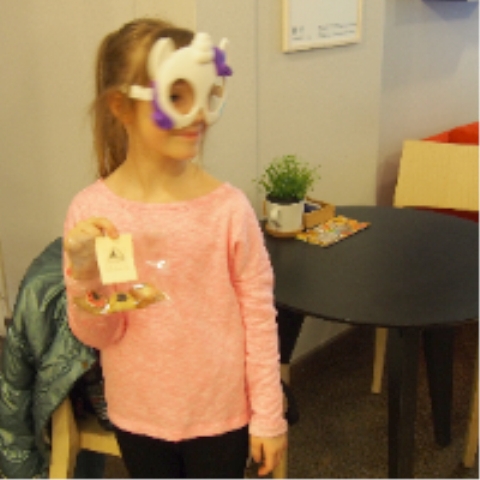
Children who come into the Bagel Shop Café in Purim masks or who say the secret code phrase–Hag Purim sameakh!–will receive a small gift.
This week Jews in Vilnius and around the world are baking the pastry called hamentashen, aka Haman’s ears, engage in an exchange of gift bags or Purim baskets of food and drink called mishloakh manot and put on the best parties of the year. Purim is the one holiday where adult Jews are allowed to get drunk and it considered customary to do so.
Our Litvak hamentashen are made with yeast according to recipes from families of Lithuanian Jewish Community members. Head baker Riva Portnaja tells how in her family they called hamantashen “ormentashen,” and her mother always added yeast to the dough. Classical Litvak hamantashen only used poppy seeds for filling and the triangles forming the base and top of the pastry are almost sealed close.
For more, see this facebook page.
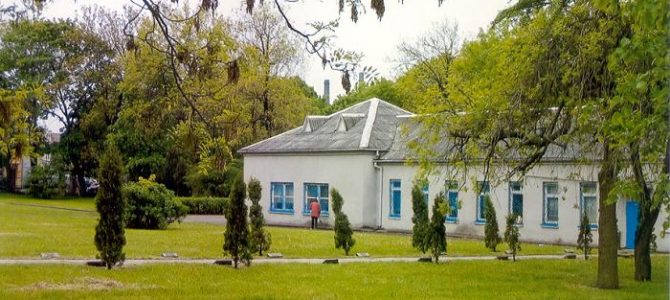
Yesterday evening at around 4:30 P.M. a thief robbed the Klaipėda Jewish Community. At the time most of the community members had left and only a few men were in the building engaged in Torah study. They suddenly heard the sound of breaking glass. When they went out into the hall, they saw the glass donation box had been broken open. The thief quickly exited and they were unable to pursue him. The thief didn’t manage to steal all the money. Community members guessed he didn’t have time and took what he could carry and stuff into his pockets. The donations hadn’t been counted yet so there is no figure on exactly how much was stolen.
The chairman of the Klaipėda Jewish Community said these donations were special and were to be used for a real Purim celebration this year.
Full story in Lithuanian here.

The Vilnius Jewish Religious Community invites you to come celebrate Purim at the Choral Synagogue in Vilnius at 3:30 P.M. on March 12, 2017. The address is Pylimo street no. 39, Vilnius.
Rabbi Shimshon Isaacson will talk about Purim, there will be traditional treats and the least among us shall receive small gifts.
Please come and bring your family!
Liza Lukinskaya, a member of the Vilnius Jewish Community, passed away March 7. She was born May 13, 1920. Our sincere condolences to her family.
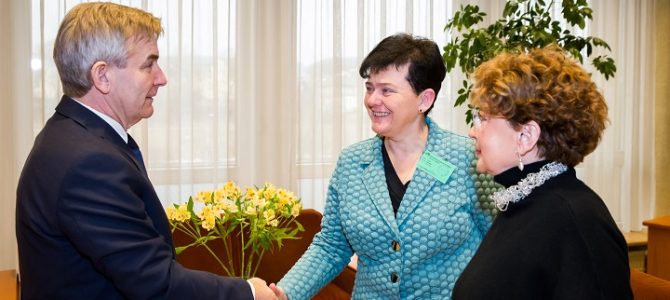
Diana Varnaitė. Photo courtesy Lithuanian Parliament
BNS–Director of Lithuania’s Cultural Heritage Department Diana Varnaitė is proposing separate financing for preservation of Jewish heritage. Lithuanian parliamentary speaker Viktoras Pranckietis approves the idea.
“We would think it would be appropriate to increase financing, and I told the speaker of parliament about our hope that it would be worthwhile for all of us together, with the leadership of the Ministry of Culture, to discuss … a separate line for Jewish heritage, not just for synagogues, because we have some [other] unique monuments, for example, the former religious school, the yeshiva building in Telšiai. These are sites in which we should take pride, as our own heritage, and which would make our [rural] regions more attractive and draws for tourists,” Varnaitė told BNS Wednesday after a meeting with the parliamentary chairman.
Parliamentary speaker press representative Dalia Vencevičienė said speaker Pranckietis expressed approval for the idea. “We have a policy direction on heritage and its preservation. The chairman would welcome the idea if the Ministry of Culture adopted a decision on a separate line in the budget,” she told BNS.
Dear friends,
The Gešer Club invites you to greet the Sabbath and take part in our quiz game “Who? What? Where? Why?” at 7:00 P.M. on Friday, March 10. Teams will be formed when we meet. Moderator: Irina Slucker.
We’ll meet on the third floor of the Lithuanian Jewish Community at Pylimo street no. 4 in Vilnius.
For more information, contact Žana Skudovičienė by telephone at 8 678 81514 or by email at zanas@sc.lzb.lt