Religion

Sukkah on the Shore

Sukkah on the Shore

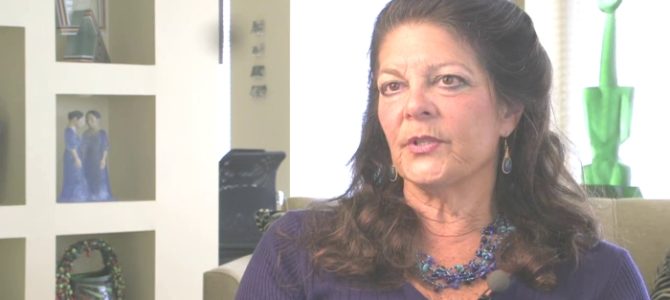
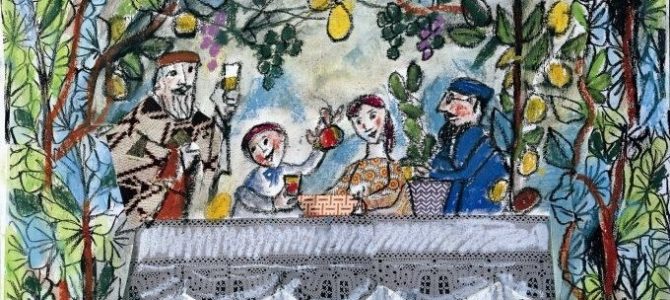
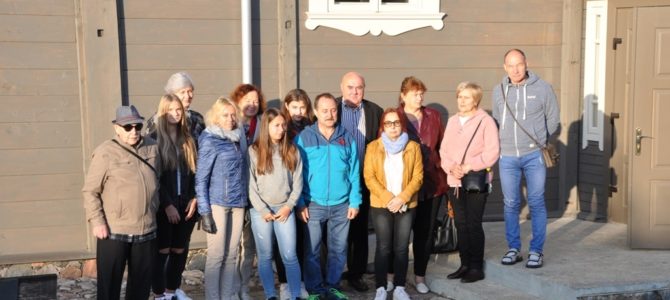
Singer and Yiddish enthusiast Sara Klompus describes spending Sukkot in Lithuania during her time at the Vilnius summer Yiddish program. She remembers the unique experience of celebrating in a special sukkah on the shore in Trakai and in Klaipeda, Lithuania.

This is an excerpt from an oral history with Sara Klompus.

This excerpt is in English.

This interview is part of the Yiddish and the Arts: Musicians, Actors and Artists series.

The Day After the Shootings in Halle and Landsberg

The Day After the Shootings in Halle and Landsberg

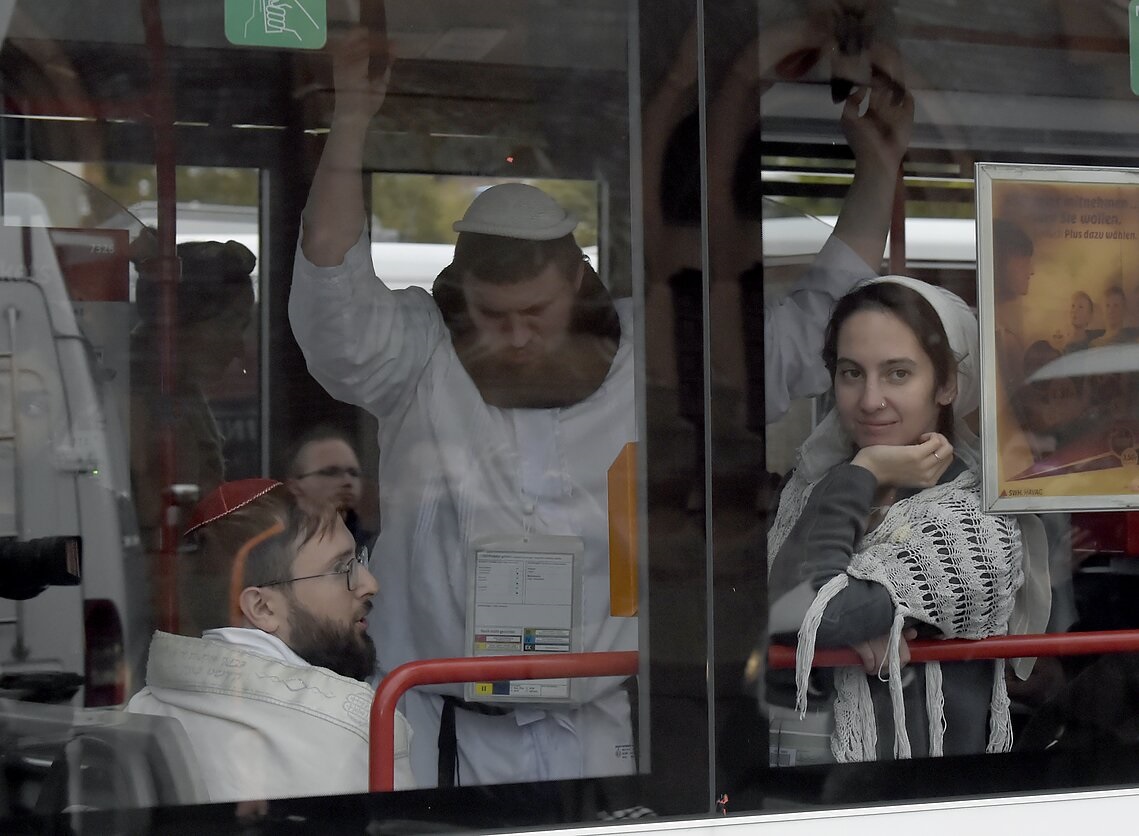
A suspect in the shooting in the eastern German city of Halle was arrested Wednesday according to German police. German chancellor Angela Merkel joined mourners holding a silent vigil at Berlin’s main synagogue Wednesday evening.

At least two people were killed in the shootings Wednesday and at least two more wounded. Eye-witnesses at the shooting in Halle said the local synagogue was one of the targets as Jews there marked Yom Kippur.

More in Lithuanian here.

Children Invited to Sukkot Event

Children Invited to Sukkot Event

The Lithuanian Jewish Community and the Ilan and Dubi Clubs invite children to a fun gathering at 1:00 P.M. on October 13 called “From Rosh Hashanah to Sukkot.” We’ll “dwell” in the Sukkot booth and have traditional Jewish snacks and treats. Lego engineering teachers will be on hand for building and playing. Come to the Ilan Club at the Lithuanian Jewish Community. Registration is required, so call 8 601 46656 or send an email to sofja@lzb.lt

From Rosh Hashanah to Sukkot Celebration

Celebrate “From Rosh Hashanah to Sukkot” at 6:00 P.M. on October 10 at the Lithuanian Jewish Community and come meet members of the LJC’s various programs, including the seniors’ Gesher Club, the Kaveret young families’ club, Israeli dance club Rikudei Am, the Students’ Club and students in the Hebrew courses.

Program: song, dance, traditional Jewish fall treats, an exhibit and sale of Jewish-themed work by Olga Kapustina and musicians and dancers of the Fayerlakh collective.

Registration required. Call 8 678 81514 or write zanas@sc.lzb.lt

Yom Kippur, the Day of Spiritual Cleansing and Hope

Yom Kippur, the Day of Spiritual Cleansing and Hope

The tenth day of the Jewish New Year is the Day of Atonement, Yom Kippur. It is the only day of the year when the Torah calls upon the person to do nothing at all except reflect upon his actions and thoughts. Contrition over one’s sins.

The prayer Kol Nidrei rings out, a symbol of the entire holiday. It is sung loudly three times. Its motif is wonderful, originating in mediaeval Spain, and is beloved by world-renowned symphony orchestras.

Prayers of remembrance for dead parents are also read during Yom Kuppur. Today we add two more parts: for Holocaust victims and for the soldiers who have fallen defending the State of Israel.

Special significance attaches to the final prayer, which is read at evening twilight. This is the time when forgiveness is sought from the Most High. The plea is either accepted or rejected.

The blowing of the shofar horn concludes the Yom Kippur rituals. The traditional Jewish wish is heard: “Next year in Jerusalem.” Everyone wishes every other “gmar khatima tova,” Hebrew for wishing someone a conclusive entry in the Book of Life.

Simas Levinas, chairman
Vilnius Jewish Religious Community

Šiauliai Regional Jewish Community Celebrates Rosh Hashanah

Šiauliai Regional Jewish Community Celebrates Rosh Hashanah

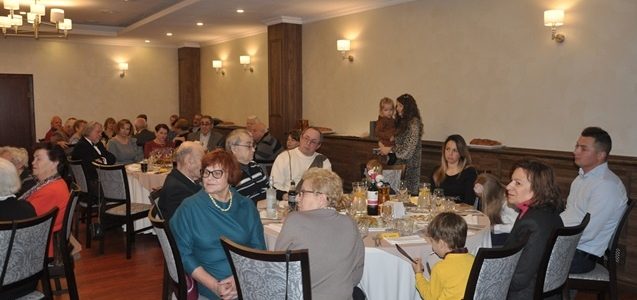
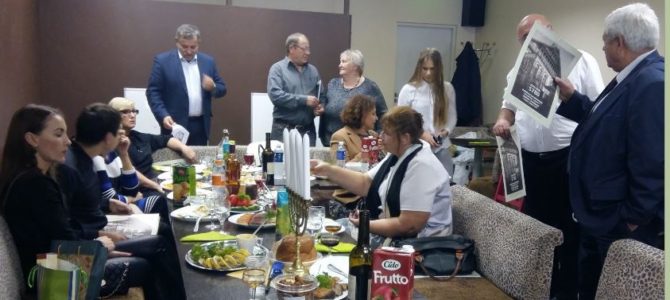
Šiauliai Regional Jewish Community celebrated the advent of the new Jewish year 5780 with a dinner and ceremony. Community chairman Naum Gleizer welcomed participants and wished everyone a good, sweet and healthy coming year. Frida Šteinienė began the celebration by lighting candles and saying a prayer. She reminded participants of the significance and traditions of the holiday.

Traditional foods graced the dinner table, including challa, apples with honey, pomegranates, gefilte fish, chicken liver and chopped herring. Community housewives provided traditional Jewish sweets such as teigalakh, imberlakh and apple pie.

Live Jewish song and dance provided by Vadim Kamrazer enlivened the celebration and the children Sofija, Karina and Natanas also sang.

Young and old appeared to have a great time. Animator and children’s event organizer Simona provided a special program for the kids. Every family received the new 5780 Jewish calendar published by the Lithuanian Jewish Community.

History of the Destruction of the Šiauliai Jewish Cemetery

History of the Destruction of the Šiauliai Jewish Cemetery

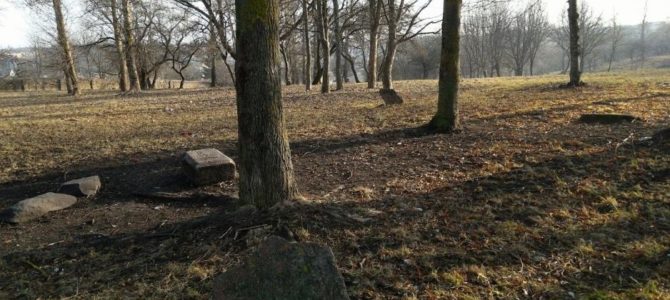
Nerijus Brazauskas, PhD, has written a history of the destruction of the old Jewish cemetery in the Lithuanian city of Šiauliai up to 2016. The newspaper Šiaulių kraštas has published the study in Lithuanian on their website. He attempts to determine whether the former cemetery, which is state-protected heritage site, should be protected by the Šiauliai Jewish Community or whether it is a matter for the local municipal administration. He details the partial destruction of the cemetery, along with the complete destruction of the Lutheran cemetery, in the 1964-1965 period by the Soviet authorities and calls it an attempt to erase Jews from public memory. He concludes it should be restored and maintained as a sacred site of memory and says both institutional and civic efforts could be harnessed to that purpose.

Full paper in Lithuanian here.

Lost Yanishok: Two Synagogues and the Last Jewish Woman

Lost Yanishok: Two Synagogues and the Last Jewish Woman

15min.lt

Note: On October 3 Irena Gečienė passed away. The Lithuanian Jewish Community expresses its condolences to her daughter Jurgita and brother Eduardas.

Before the tragic losses of World War II, Joniškis in northern Lithuania was a very Jewish town known as the shtetl of Yanishok with a vibrant Jewish community. Nothing was left after the Holocaust which only a few Jews survived here, as was the case throughout Lithuania. Now only the two restored synagogues and the only living Jew recall that Yanishok.

They Donned White Armbands and Went to Shoot Jews

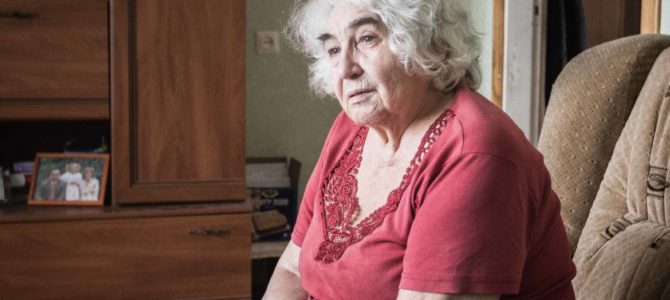
Irena Gečienė remembers November 27, 1944, when the war hadn’t ended yet, in the town of Žagarė.

Rosh Hashanah at the Panevėžys Jewish Community

Rosh Hashanah at the Panevėžys Jewish Community

The Panevėžys Jewish Community celebrated Rosh Hashanah September 29 at the Park Café. It began with the lighting of candles, then Community chairman Gennady Kofman read a prayer for the new year, 5780, and Michailas Grafman blew the shofar horn.

Community member ate traditional foods such as apples dipped in honey, pomegranates, gefilte fish and challa bread. Children received presents and learned about Jewish traditions. At the end of the celebration the new Jewish calendar published by the Lithuanian Jewish Community.

Chairman Kofman read out greetings from Israeli president Reuven Rivlin and from Israeli ambassador to Lithuania Yossi Levy. Greetings were also received from LJC chairwoman Faina Kukliansky and the heads of Lithuania’s regional Jewish communities.

Yom Kippur at the Choral Synagogue in Vilnius

Yom Kippur at the Choral Synagogue in Vilnius

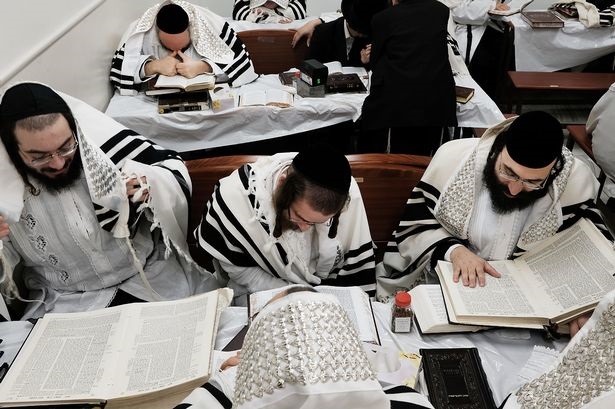
Yom Kippur ceremonies will be held at the Choral Synagogue, Pylimo street no. 39, Vilnius, according to the following schedule:

Monday, October 7:

6:30 P.M. preparations for Yom Kippur, lessons on the holy day, Kaparot ritual

Tuesday, October 8:

5:30 P.M. dinner before fast
6:10 Kol Nidre
6:20 fast begins

Wednesday, October 9:

9:30 A.M. Shakharit
12 noon Izkor
5:30 P.M. Minkha
6:30 Niila
7:29 fast ends, dinner

Rosh Hashanah 5780 at the Choral Synagogue

Rosh Hashanah 5780 at the Choral Synagogue, Pylimo street no. 39, Vilnius:

Sunday, September 29

6:00 P.M. Minkha/Maariv, prayers, Kiddush/pastry table

Monday, September 30

9:30 A.M. Shakharit (morning prayer)

12:00 noon Blowing of the shofar horn. Special souvenir for participants and new 5780 Jewish calendar

12:30 P.M. Musaf (prayer)

5:00 P.M. Tashlikh (prayer at the river, Bokšto street no. 19, Vilnius)

6:00 P.M. Rosh Hashanah celebration: blowing of shofarhorn, presentation of new Jewish calendar, treats, special Rosh Hashanah souvenir

7:51 P.M. Maariv prayer

Tuesday, October 1

9:30 A.M. Shakharit
12:00 noon Blowing of shofar
6:30 P.M. Blowing of shofar horn (at Bokšto street no. 19 with entrance from Kazimiero street no. 12)

The Lithuanian Jewish Community Wishes You a Happy and Sweet New Year

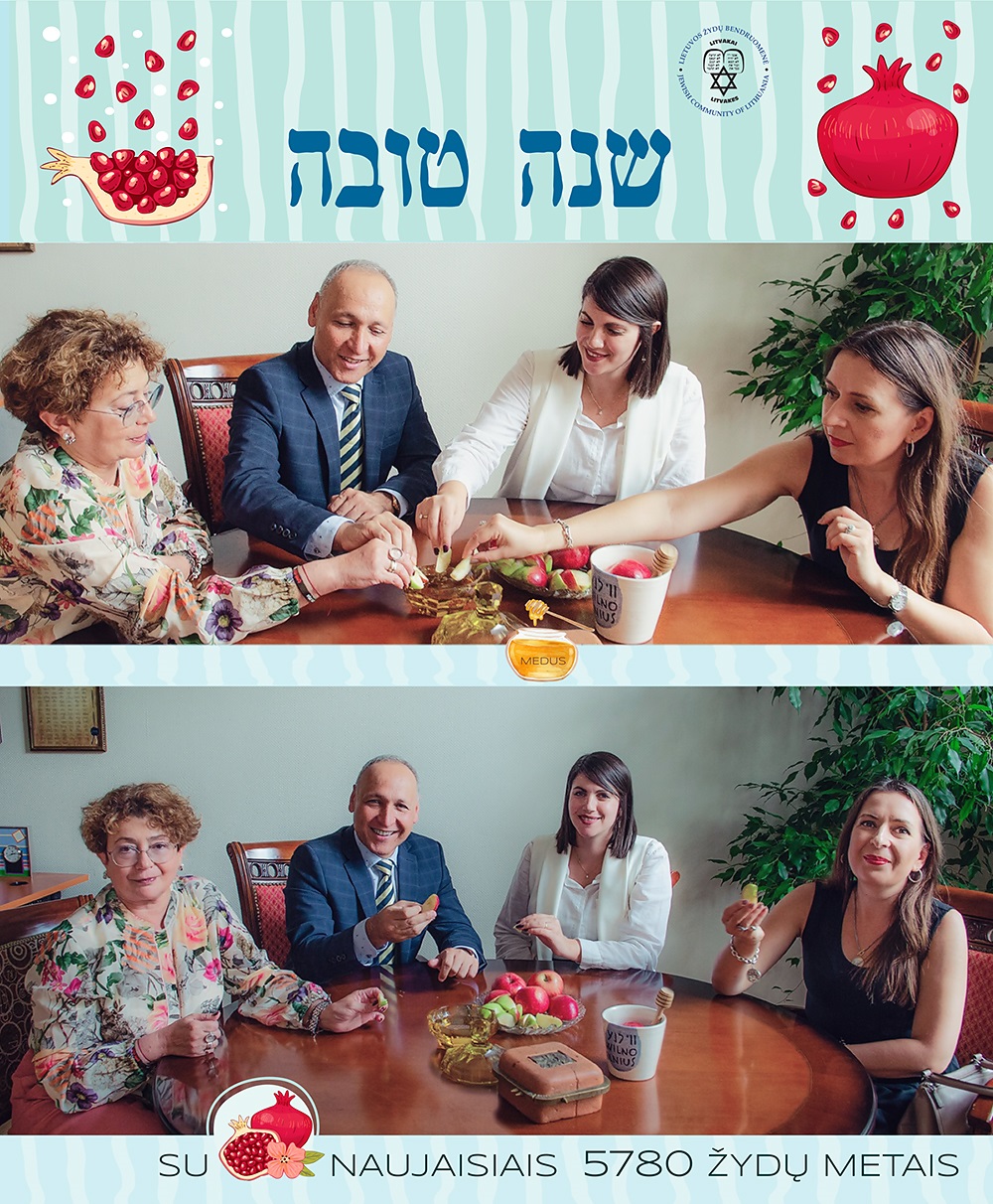
Lithuanian Jewish Community chairwoman Faina Kukliansky, Israeli ambassador to Lithuania Yossi Levy, embassy aide Adi Cohen and writer Kristina Sabaliauskaitė wish you a good, happy and sweet new year. It’s customary to invite friends and relatives over for New Year’s both to have a party and to keep a mitzvah.

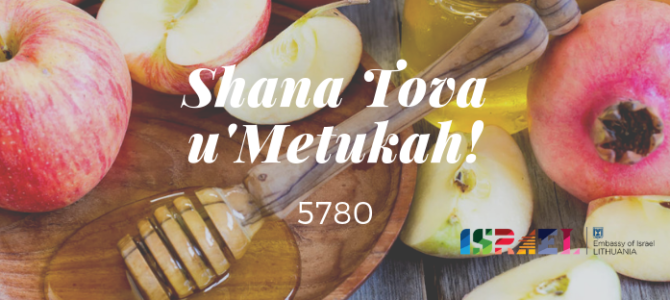
Rosh Hashanah is a happy holiday with pomegranate, round challa bread and apples essential elements. Pieces of apple are immersed in honey and eaten while wishing others a good and sweet new year.

Traditions of Rosh Hashanah, the Jewish New Year

Traditions of Rosh Hashanah, the Jewish New Year

H“B

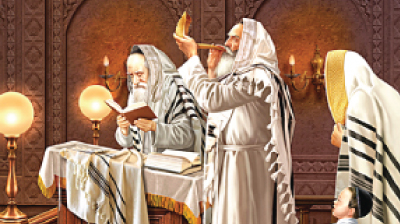
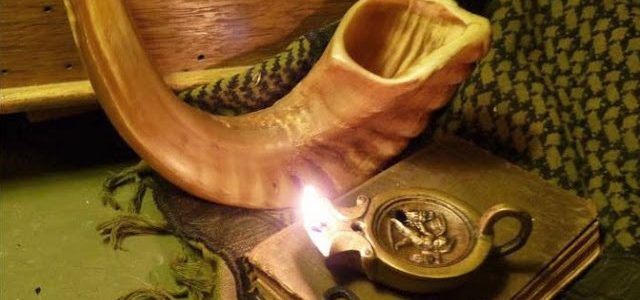
The most iconic image of the Rosh Hashanah or Jewish New Year celebration is the blowing of the shofar horn. It is a ram’s horn and it is difficult to blow it correctly. The shofar reminds believers of the coming Day of Judgment. Jews gather at synagogue and read prayers for two days during the holiday.

An important Rosh Hashanah tradition is to take clothing to a body of water and shake the pockets out, symbolically ridding oneself of remaining sin. A special prayer is read for this. The ritual is called tashlikh (Hebrew “cast off”).

The main holiday treat on Rosh Hashanah is the pomegranate. This is replaced by apples and honey in Lithuania where the fruit doesn’t grow to maturity. The honey is intended to make the coming year sweet. In fact the salutation “sweet year” is a requisite part of the well-wishing involved in the holiday.

Often guests are served fish and it must have a head, because Rosh Hashanah literally translates as “head of the year.” A round loaf of challa bread is baked for the dinner table symbolizing the cyclicity of the year. On Rosh Hashanah G_d decides a person’s destiny for the coming year, in this case 5780. There is a Rosh Hashanah greeting, “khatima tova,” which is a wish for success you will be written into the Book of Life.

The tenth day of Rosh Hashanah is Yom Kippur, or the Day of Atonement. The Torah tells us not to do anything on that except reflect on our actions over the preceding year. It is the time when a final decision will be made regarding the destiny of the individual over the coming year. Jews wish one another “gmar khatima tova,” good luck with the final inscription.

The Vilnius Jewish Religious Community, the Lithuanian Jewish Community and the Goodwill Foundation greet you with “shana tova u’metuka,” or “sweet new year,” and hope to see you at synagogue!

Simas Levinas, chairman
Vilnius Jewish Religious Community
Rosh Hashanah on September 29

Rosh Hashanah on September 29

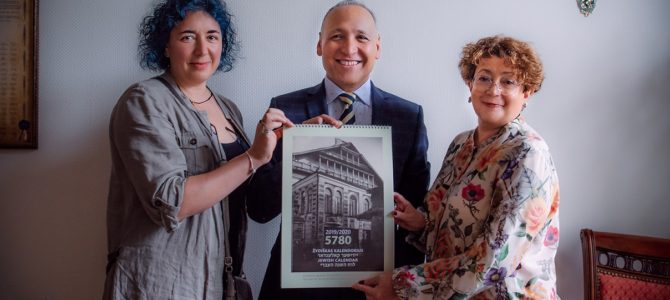
Israeli ambassador Yossi Levy, LJC chairwoman Faina Kukliansky and designer and architect Victoria Sideraitë-Alon hold up the new Jewish calendar for 5780.

The Lithuanian Jewish Community has published a new Jewish calendar for 5780 as we prepare for Rosh Hashanah, the Jewish New Year. This year’s calendar features Lithuanian synagogues past and present.

The year 5780/2020 contains some anniversaries of global significance to Jews, including the 300th birthday of the Vilna Gaon and the 580th anniversary of the building of the Great Synagogue in Vilnius.

LJC chairwoman Faina Kukliansky calls for everyone to come together for a noble cause, to work together to protect the small surviving inheritance of Litvak culture for our grandchildren and the future.

Sunday School Activities for Children at the LJC

Activities include:

English lessons from 10:00 to 11:00 A.M. with Viačeslav Mlynkovskij, a teacher at the Sholem Aleichem school, in the Ilan Club room.

Hebrew lessons from 11:15 A.M. to 12 noon in the conference hall on the second floor.

Traditions from 12 noon to 12:45 P.M. in the conference hall on the second floor.

For more information and to register, contact teacher Ruth Reches, ruthreches@gmail.com

Panevėžys Jewish Community Tours Historic Jewish Sites in Liepāja

Panevėžys Jewish Community Tours Historic Jewish Sites in Liepāja

Early in the morning on September 14 we went to the Pakruojis synagogue, where we were met by a cultural worker who received us warmly and spoke about the wooden synagogue built by the local Jewish community in 1801. Its function changed and it became a primary school as well as a house of prayer. After the Holocaust the synagogue was nationalized. During the Soviet period it was a theater, then an athletics gymnasium. The unique building fell into disrepair and ruin. In 2017 the synagogue was restored with its authentic interior, according to period photographs, which show playful drawings on the ceiling. Currently the synagogue serves as a space for cultural and other events. The second floor–the women’s gallery–houses an exhibit on the Jewish past, along with examples of the original walls.

Pakruojis was just the first part of the tour and we travelled on to the land of wind, Liepāja [Libave] on the Latvian coast. It is also a land of amber, a port and a holiday destination. The rustling and smell of the lime trees [liepos in Lithuanian, a folk etymology–trans.] give the city its name. But we weren’t there just to look at the pretty town, we were there to visit the largest Holocaust memorial in Latvia. About 7,060 Jews including about 3,000 Jews from Liepāja were murdered in the dunes around the town of Šķēde on the Baltic Sea. In total about 19,000 people of different ethnic backgrounds were murdered here. The site recalls one of the worst breakdowns in humanity in the preceding century. The memorial occupies a territory of 4,120 m² and is arranged in a menorah shape with contours formed of natural rocks and granite slabs, with the “lights” of the menorah represented by granite steles resembling gravestones with inscriptions in Hebrew, English, Latvian and Russia from the prophet Jeremiah. Members of the Panevėžys delegation honored the dead and left a wreath there.

Let Us Pray: Never Again. A Homily on the Lithuanian Day of Jewish Genocide

Let Us Pray: Never Again. A Homily on the Lithuanian Day of Jewish Genocide

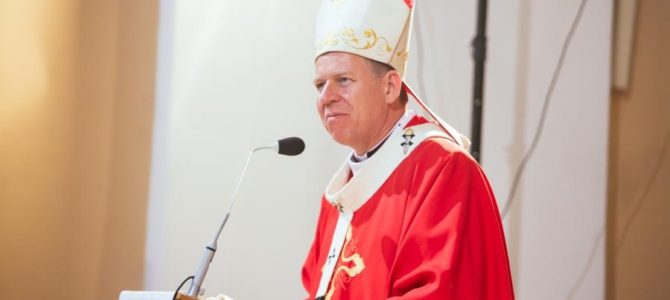
by archbishop Gintaras Grušas, bernardinai.lt

A shared legacy and joint work intimately united the Jews and Christians living in Lithuania over many long centuries. Then as now the Ten Commandments have united Christians and Jews, demanding we worship one God and to honor the individual human and his life, to protect the family and not to bow to unfairness.

Exactly one year ago Pope Francis preparing to visit a monument to Holocaust victims called for in the Prayer to the Angel of the Lord to work together, to celebrate our friendship and to confess together in the face of the challenges of the world: “Let us ask the Lord to provide us the gift of insight so that we may in time recognize those pernicious knots and atmosphere from which the heart of unexperienced generations atrophies, so that they would not give in to the allure of the songs of the sirens.”

On September 23 we mark the destruction of the Vilnius ghetto and of thousands of Jews who lived with our compatriots in Lithuania. Some members of the Church, due to human weakness, fear or even for the sake of personal gain, came to terms with the occupational regimes and even served their slave masters. A significant number of Christians, however, guided by Christian love, saved the persecuted Jews. Today we mark their graves with the signs and symbols of Righteous Gentiles. We believe that the prevailing climate of friendship and dialogue today will help the Christian and Jewish communities to better understand one another and to work more closely together in areas important to both communities such as the defense of human rights and human life, family values, social justice and the fortification of peace in the world, so that God’s love would be seen and seen more explicitly by humanity. This is a common foundation and a common way forward.

Full text in Lithuanian here.

Andrius Navickas: Hate Is Always the Cowardly Choice

Andrius Navickas: Hate Is Always the Cowardly Choice

On September 23 we mark the Day of Remembrance of Lithuanian Jewish Victims of Genocide, honoring the victims of the liquidation of the Vilnius ghetto in 1943. This was a blood-curdling day when the last surviving Jewish residents of Vilnius were either murdered or sent to concentration camps [sic, the liquidation took place over several weeks–trans.].

From that day onward there were officially no Jews left in Vilnius, only those who hid with families who dared preserve humanity, and also those remained who joined the Soviet partisans in the forests. The Jerusalem of the North had been strangled and we were all left the poorer.

Christians know the resurrection is impossible without the crucifixion. To raise the history of the Holocaust on the cross of our memory, first we have to confess in our hearts that it wasn’t THEIR agony and tragedy but OUR agony and tragedy. This is not the story of an oppressed people who demand vengeance.

Full text in Lithuanian here.

Lithuania’s Jewish Victims of Genocide Remembered in Ponar

Lithuania’s Jewish Victims of Genocide Remembered in Ponar

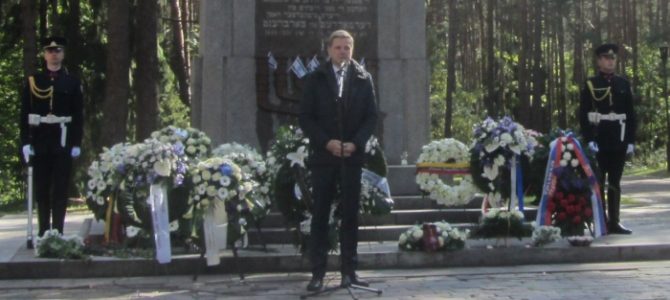
Lithuania’s Day of Remembrance of Jewish Victims of Genocide was marked at Ponar September 23 in a March of the Living event. Although some of the traditional March of the Living Litvaks resident in Israel attended, they were far outnumbered by Lithuanians and especially by Lithuanian high school students.

As usual, people gathered on the west side of the railroad tracks in the town of Paneriai or Ponar just outside Vilnius to march the kilometer or so into the Ponar Memorial Complex for the ceremony at the central monument there. This year, however, hundreds of students arrived by train and walked in on the pedestrian overpass over the railroad. Also new this year was the Lithuanian honor guard who led the procession.

Poles, Russians, Lithuanians and Soviet POWs were also murdered at Ponar, albeit in significantly lower numbers than Jews. This year a Polish delegation and Catholic priest awaited the procession at the Polish monument at the entrance to the memorial complex.