
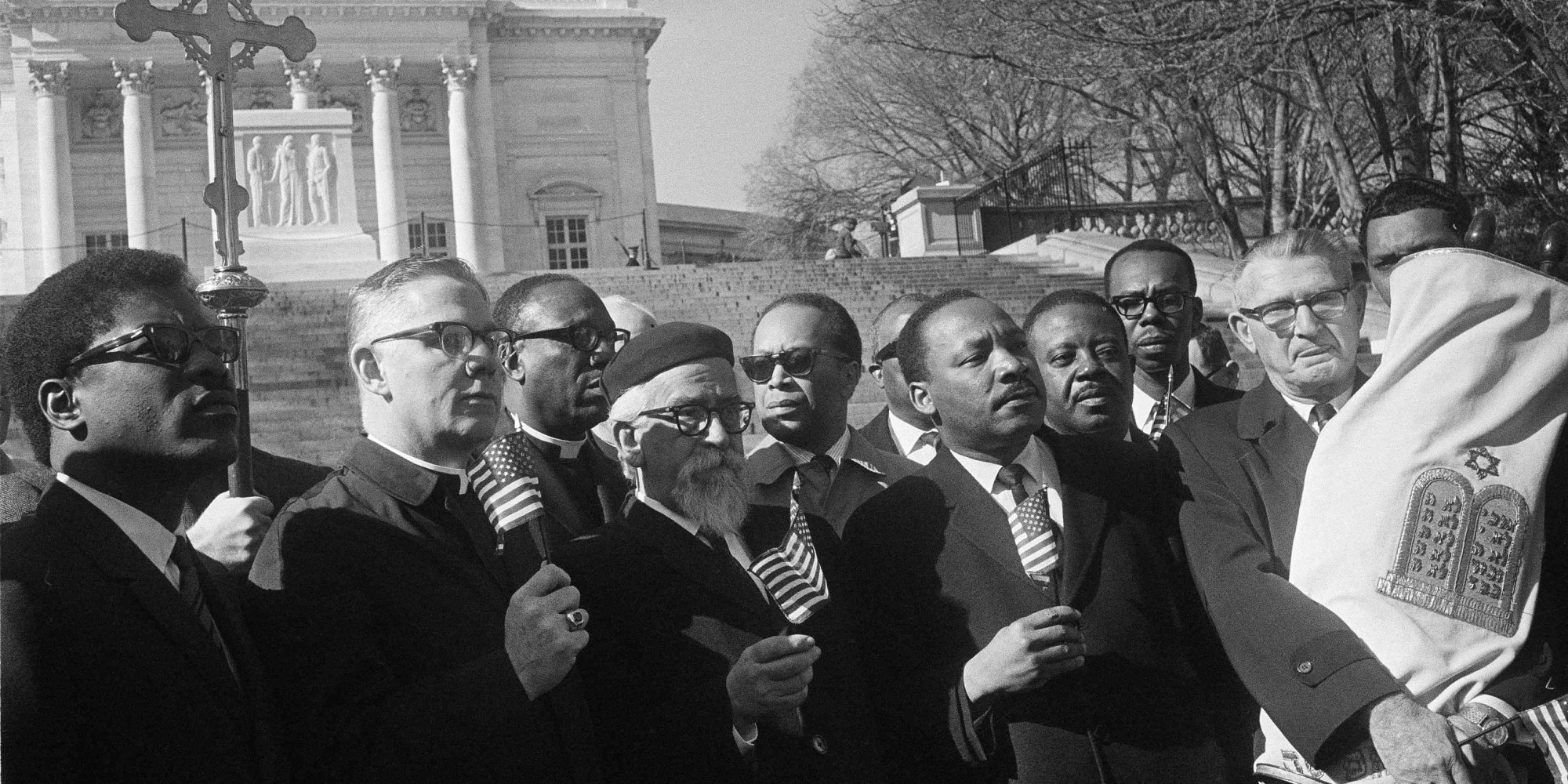
A new Lithuanian edition of “Sabbath” by Abraham Heschel (1951), translated by Asta Leskauskaitė and published by Katalikų pasaulio leidiniai [Catholic World Publications] was launched at the Vilnius Book Fair last week.
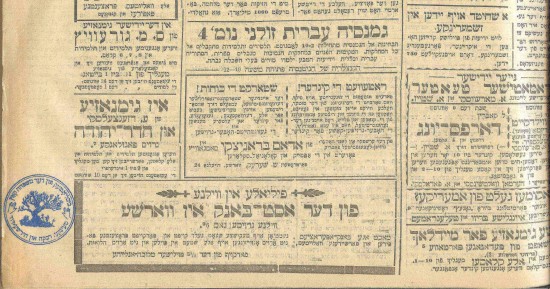
Rabbi Heschel became a rabbi at age 16 and was graduated from the Vilna Mathematics and Natural Science Gymnasium in Vilnius before going on to study under some of the greatest Jewish teachers in Germany. He was arrested by the Gestapo and deported to Poland in October of 1938. He fled to Britain weeks before the Nazi invasion of Poland, and then went on to the United States in early 1940, where he became one of the most important and respected Jewish thinkers of the mid-20th century. His first book, apparently, “Der Shem Hamefoyrosh: Mentsch,” was written when he was a member of the Jung-Vilne group of writers in Vilnius, a book of poems in Yiddish published in Warsaw in 1933. Heschel’s poems attracted attention, including a letter of praise Chaim Nachman Bialik sent to the author from Israel.