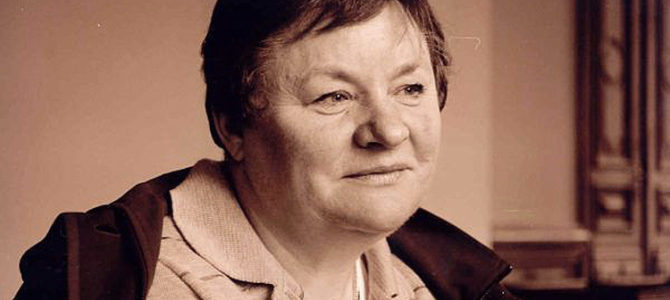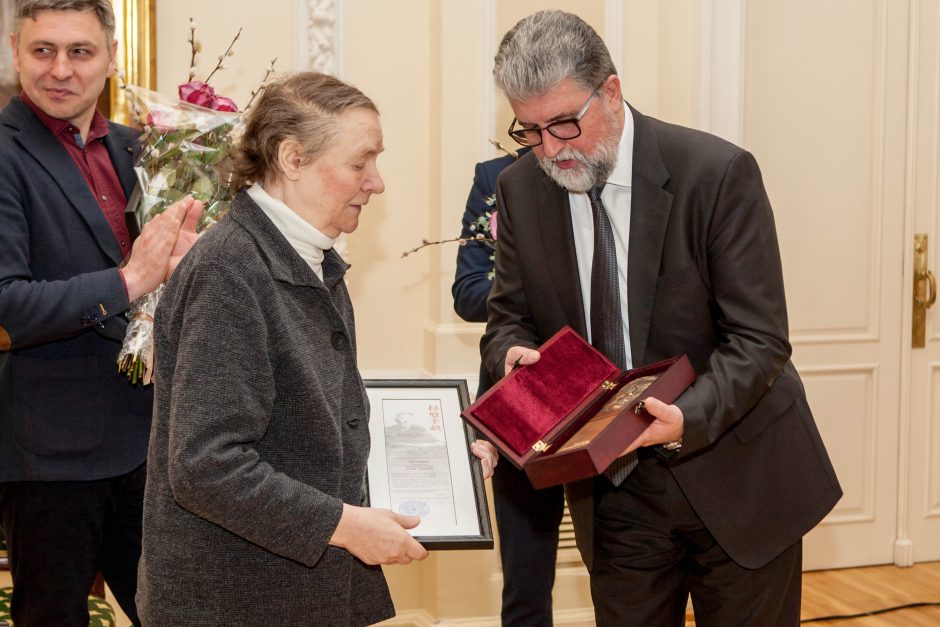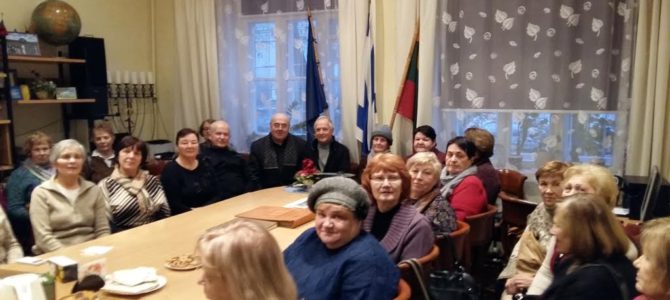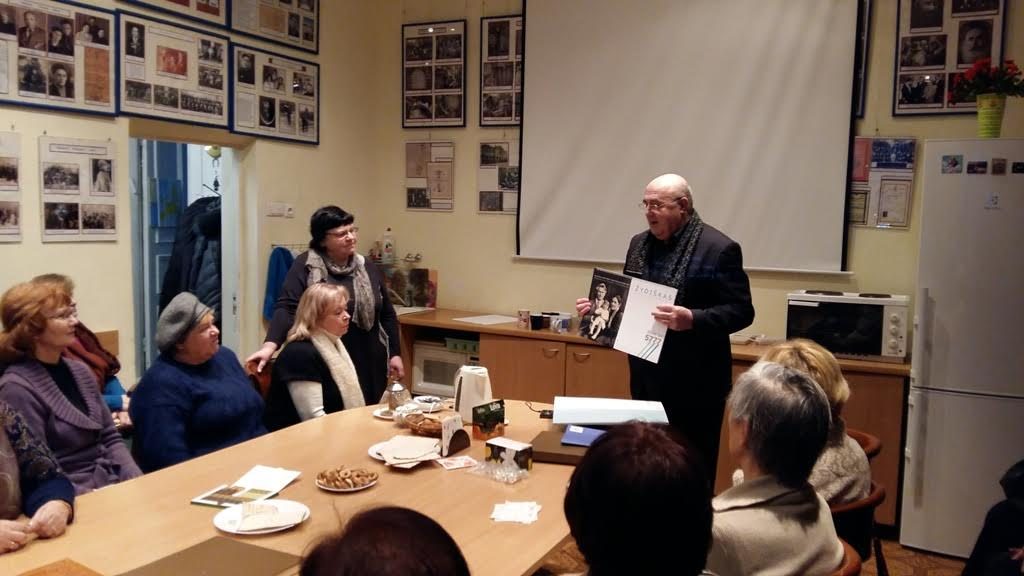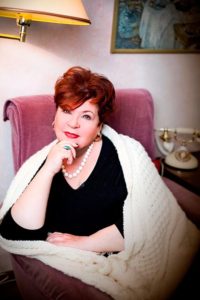
The Bagel Shop Café is celebrating its first birthday and asked its most loyal customer who came in the very first day and still visits often for her thoughts. Violeta Palčinskaitė is a poet, playwright, scene designer and translator, but is perhaps best known as a writer of children’s books. Several generations have grown up loving her poems and stories.
“Of course I have been visiting the Bagel Shop from the first day. It’s comfortable and feels like home, and the bagels really remind me of the baronkos of my childhood, which mother used to coat in half and spread with butter. Memories gently returned when I tasted that first bagel. The important thing is that you will something here which you will nowhere else! I like spending time here because all other cafés are more or less the same, but here you make real Jewish treats thanks to the creative women in charge who have inherited the food-making methods and can pass it on from generation to generation, and without whom that legacy would perish. I remember how I searched for the treat of my childhood, unsweetened baronkos, but it was never the same. Traveling in foreign countries, I once discovered the bagel in America, then in Israel, and I was overjoyed. That’s why I find it a very happy thing to come to the Bagel Shop in the center of Vilnius, besides which, it has the very best coffee which I have ever had in the city.
“I like the atmosphere, the café is cozy, it feels like being at home. I come often, whenever I can, and it doesn’t matter if beigalakh were supposed to be for breakfast or lunch. I can eat bagels day and night. My favorite is the bagel and lox, and with sprat, another smoked fish. I like the teiglakh the most, and I bring friends from Vilnius and foreign visitors in. They are very satisfied. I told my friend about the best coffee just last night. So let them all come and sample, and not just the coffee,” Palčinskaitė said, asked what draws her to the Bagel Shop.
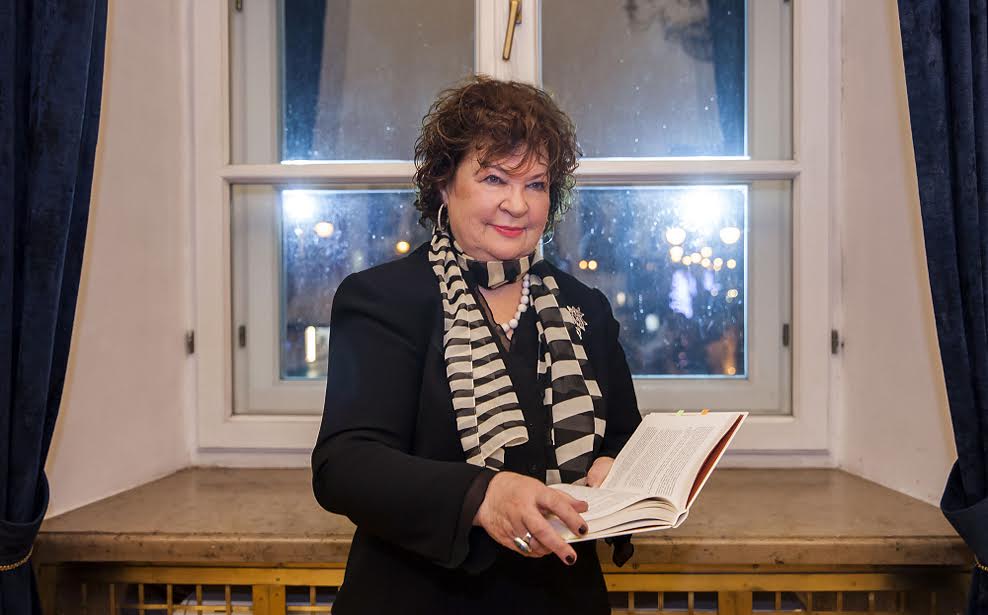
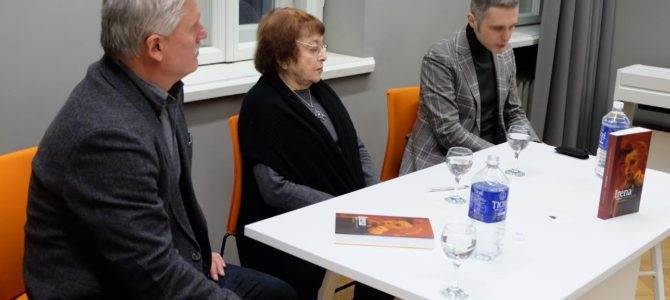
Currently she has many meetings with her readers. Her book “Atminties babilonai, arba aš vejuos vasarą” is one of the selections for Book of the Year. It’s a collection of memories from her happy childhood home in Kalvarija. It’s a complex testimony of the Soviet era and self-deprecating look at her own daily life as a writer, and stories about important Lithuanian cultural figures.
Palčinskaitė says it’s difficult to find time for all the meetings with readers. “Readers who would vote for my book are waiting for me. And the Book Fair is coming soon, the meetings are increasing, and there isn’t enough time to go to the Bagel Shop today,” she told us.