We wish a very happy birthday to Sergejus Kanovičius. Mazl tov. Bis 120!
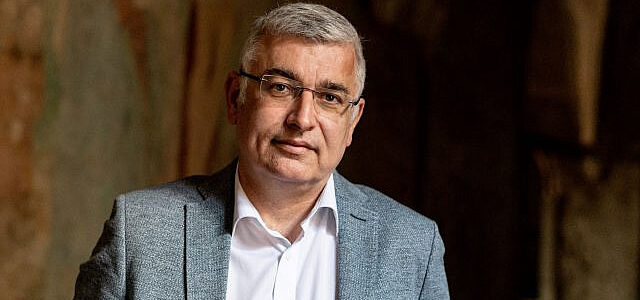


We wish a very happy birthday to Sergejus Kanovičius. Mazl tov. Bis 120!
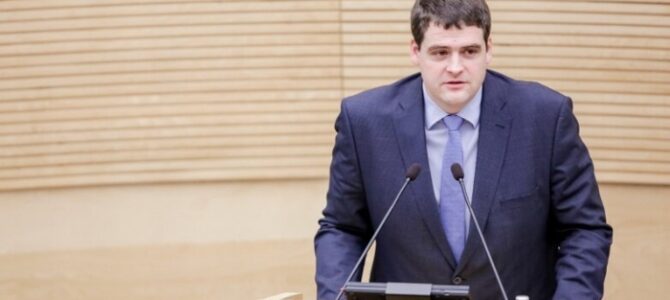
Lithuanian MP Remigijus Žemaitaitis, chairman of the Freedom and Justice Party formed of two rival liberal parties to contest municipal elections in Vilnius in 2014, denounced Israel’s destruction of a school in Bethlehem in the Israeli-occupied West Bank. The US, Israeli and German ambassadors called for him to apologize for the remarks, first made on facebook on Monday, May 8, repeated in parliament Tuesday, the same day Israel started bombing the Gaza Strip in what it calls Operation Shield and Arrow. Despite the demands of the ambassadors and his fellow MPs, Žemaitaitis said he won’t apologize.
On Tuesday he told parliament assembled: “I want to emphasize this school was fully financed by the European Union, by Lithuania, Latvia, Estonia, Poland, Bulgaria, Germany, Spain and the other countries. … And if we believe that it’s alright to allow in the 21st century some country to blow up or destroy these kinds of sites of another country, then ask yourselves, what sort of moral and political values do you live by today? Mine are much higher than you think.”
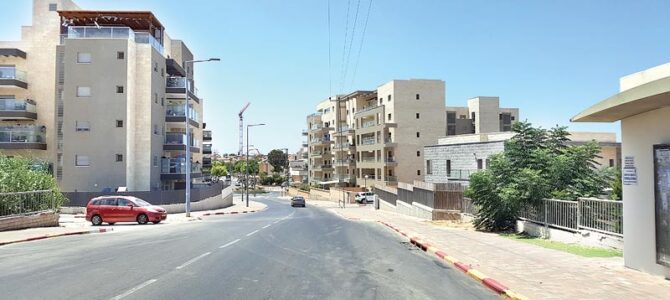
On May 8, VE Day, or Victory in Europe Day, the heads of several constituent communities in the Lithuanian Jewish Community, including LJC chairwoman Faina Kukliansky, Kaunas Jewish Community chairman Gercas Žakas and others, marked the anniversary of the liberation of the Nazi concentration camps and the capitulation of Nazi Germany to allies during a trip to Israel.
Shmuel Yatom, the chairman of the Vilnius Religious Jewish Community, performed a prayer prayed by victims on the way to Treblinka in Sderot, Israel.
The Litvak leaders are in Israel for workshops sponsored by the European Commission for more effective implementation of the EC’s strategy for fighting anti-Semitism and fostering Jewish life in the European Union.
They visited Sderot on the border with the Gaza Strip which saw Israeli counter-attacks last night and into the morning of May 9. The Israeli town is known as Israel’s bomb shelter capital because of frequent rocket attacks from Gaza. They also planned to meet the mayor of Ashkelon, and to take part in a ceremony honoring Mordechai Aneliwicz, an organizer of the Warsaw Uprising. The LJC is planning a joint conference with the Poland’s Jewish Historical Institute this fall to commemorate the 80th anniversary of the destruction of the Vilna ghetto.
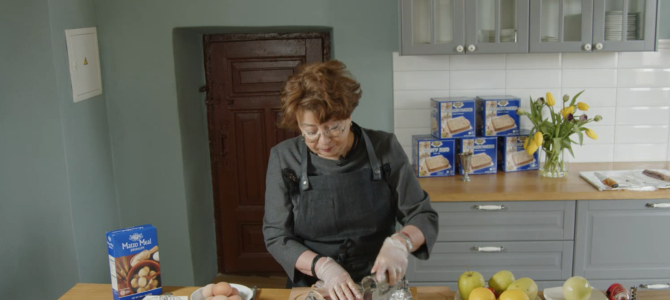
The Jewish program Menora on Lithuanian state television has included a segment on the popular Jewish appetizer made with minced herring. This particular herring appetizer is truly Litvak in nature. Lithuanian Jewish Community chairwoman put on a kitchen apron and shared her family recipe for making the snack with the Lithuanian television audience. The segment is included in the April 30 broadcast available in Lithuanian here.
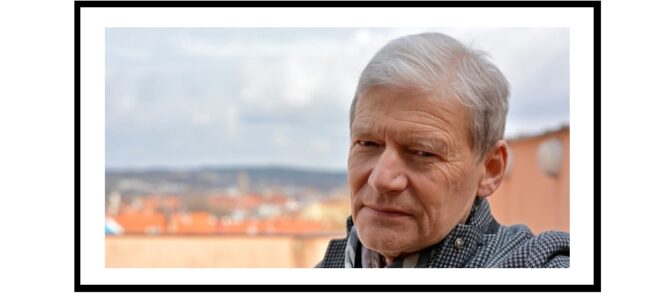
The Jewish discussion club #ŽydiškiPašnekesiai invites the public to attend a special panel to remember Markas Zingeris, who died unexpectedly recently.
Over fifty years of work Markas has left us a rich inheritance: thoughts, ideas, texts, books, plays, poetry and the Vilna Gaon Jewish History Museum, where he served as director since its inception for several decades. His keen insights and very rational thinking had a deep influence on the development of Lithuanian society and politics following independence as well as before. He always demonstrated a spirit of openness, tolerance, rationality and ethical behavior.
Panelists to include Emanuelis Zingeris, Markas’s brother and MP; Emilis, Markas’s son; Violeta Davoliūtė, professor of philosophy and the history of ideas at Vilnius University, cultural historian, Holocaust researcher and colleague of Markas and Gytis Padegimas, a famous Lithuanian theater director who was a close confident (appearing via internet at the discussion club). Actor, popular writer and journalist Arkadijus Vinokuras will moderate the conversation which will be live-streamed on facebook with the help of his son Saulius.
The event is to take place at the Bagel Shop Café at Pylimo street no. 4 in Vilnius at 5:00 P.M. on Wednesday, May 10. The live-stream will be made available on facebook by following this short URL: https://rb.gy/uok94
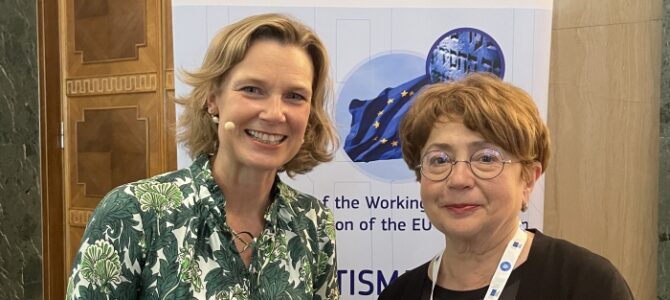
Photo: European Commission coordinator for combating anti-Semitism and fostering Jewish life in Europe Katharina Schnurbein and LJC chairwoman Faina Kukliansky.
The European Union’s working group for implementing strategies for combating anti-Semitism is meeting in Bucharest, the capital of Romania. Lithuanian Jewish Community chairwoman Faina Kukliansky is there discussing the issues in Lithuania and other countries with high-ranking European Commission and international organization officials.
More than 80 guests, European Commission officials, representatives of different international organizations and local Jewish communities along with specialists from across the EU as well as guests from the Ukraine and Moldova are attending the three-day conference organized by the Government of Romania and the EC. The point is to discuss how to fight anti-Semitism, including implementing national strategies, discussing progress made in implementing the EU strategy for combating anti-Semitism and fostering Jewish life in Europe, lurking dangers, Holocaust distortion and denial and the value of preserving memory.
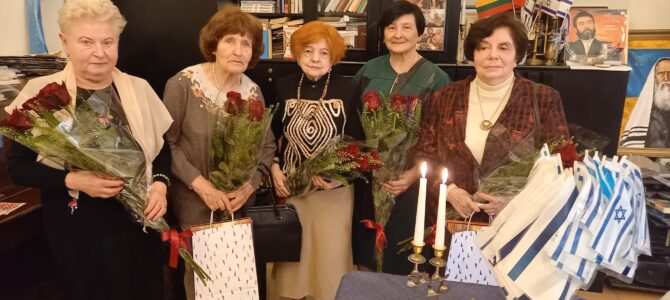
The Seniors Club at the Lithuanian Jewish Community in Vilnius celebrated its 25th birthday on Wednesday, April 26.
“Back when the seniors club began operation and now as well the date coincides with the anniversary of Israeli independence. Back in 1988 Israel was turning 50, and now 75. So it’s a double celebration and twice the fun,” LJC programs director Žana Skudovičienė who has been director of the seniors club for its entire 25 years, said.
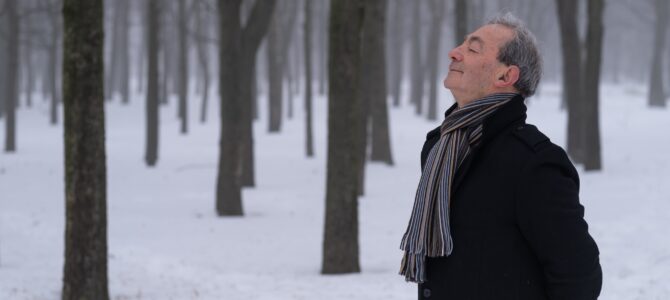
We wish Gercas Žakas a very happy birthday. He serves as the chairman of the Kaunas Jewish Community and on the executive board of the Goodwill Foundation. Happy birthday wishes from Faina Kukliansky and the entire Lithuanian Jewish Community. May your energy, work and enthusiasm continue for many years to come. Be in good health. Mazl tov. Bis 120!
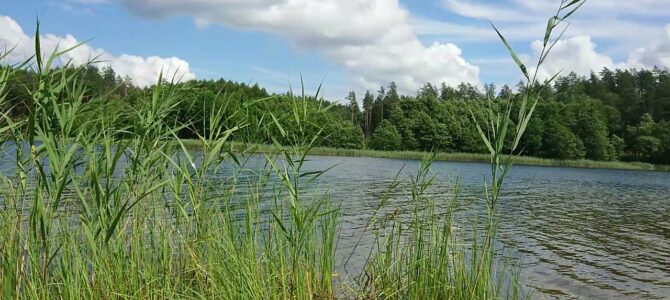
The Lithuanian Makabi Athletics Club invites athletes and the athletically-inclined at any and all levels of proficiency to a three-day sporting festival at the Pailgo perlas recreational area on a scenic lake 30 kilometers outside Vilnius. The celebration will include more than just sports in a beautiful natural setting, with a Sabbath celebration, singing, dancing, concerts, bonfire parties, fishing and swimming, among other activities. Sports include badminton, kayaking, ping-pong, volleyball, soccer and perhaps others, depending on the weather. The camp will run from April 19 to 21, but attendees aren’t required to spend all three days there. For more information and to register, send an email to info.maccabilt@gmail.com.

The Fayerlakh Jewish song and dance ensemble will perform a concert called Promised Land to celebrate the 75th anniversary of the founding of the State of Israel at 4:00 P.M. on May 14 at the House of Polish Culture in Vilnius. Tickets cost 10 euros. For tickets or more information, call +370 687 79 309 or +370 5 261 30 03.
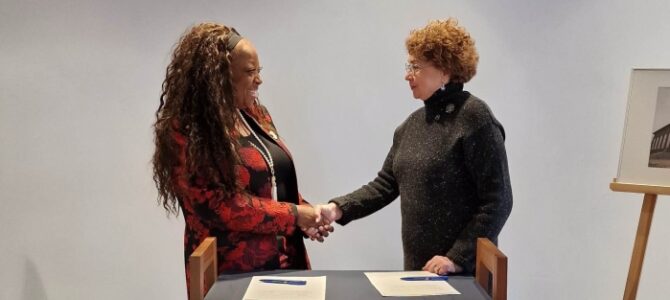
Lithuanian Jewish Community chairwoman Faina Kukliansky and U.S. Commission for the Preservation of America’s Heritage Abroad chairwoman Star Jones have signed an agreement for the restoration of the women’s gallery at the recently restored Žiežmariai wooden synagogue. The Commission pledged $75,000 for carrying out the restoration, with the LJC responsible for implementing the project.
“This is an extraordinarily important project for the preservation of Litvak culture. The Žiežmariai synagogue is a unique example of wooden architecture. There are only a handful of wooden synagogues still standing in Europe as a whole. I am so happy Ms. Star Jones, representing an influential US organization, appreciates the importance of Litvak culture and has decided to contribute to its preservation. The solution of cultural heritage problems and the preservation of historical memory, after all, are the best avenue for separate peoples to engage in dialogue,” chairwoman Kukliansky said following the signing of the agreement.
Star Jones was recently appointed by the executive branch and is making her first tour of Lithuania and has visited a number of sites, including the Ponar Memorial Complex outside Vilnius. The agreement for restoring the women’s gallery is her first international agreement in her post as director of the Commission for the Preservation of America’s Heritage Abroad. She is a professional attorney and has wide name recognition as one of the panelists on the left-wing ABC television talk show “The View.”

by Ignas Staškevičius, from recordings made on June 27, 2018, and June 26, 2019, in Vilnius
Q.: Mark, let’s begin with this question: how do you understand yourself?
A.: I believe I don’t understand myself fully.
I understood myself once in 1991. When I unexpectedly found myself [in a crowd] in Kaunas, defending the last… Defending… What sort of defense was that? Across the street from the so-called last free television station on Daukanto street I unexpectedly found myself in a crowd because I wanted to replace the announcer who was proclaiming in English: “S.O.S., nations of the world save us, this is the last free station in Lithuania!” But he was whining this over the air like some sort of famished kitten, so I decided the nations of the world wouldn’t understand a word of what he was saying, and I offered to replace him. I walked eleven kilometers from my house buried in snow, it was January, buried up to the door handle. No automobiles were driving. I walked eleven kilometers to the center of Kaunas because I decided to help, and there I found thousands of people and found myself facing tanks which were snoozing on the next street over. They weren’t moving, they were idling, and the barrels were so long that my entire classroom of students could’ve sat on one barrel. So then I went to the hotel across the street, back then there were these pay telephones which cost two kopeks, I inserted them and called the editorial office, saying: “You need to replace the announcer, what is he mumbling over there? Nobody understands him at all. You need a person who speaks English normally if you want to announce to the world you are perishing.” But they had already found someone, there was this woman from California in Kaunas at the time, and I finally heard abroad American pronunciation, a broad normal southern accent which reminded me of Voice of America a little bit, and everything was fine.
With deep sadness we report the death of Markas Zingeris at the age of 76. He had struggled with heart problems for several years. The author of numerous novels, poet, long-time director of the Vilna Gaon Museum and a life-long promoter of Litvak culture, he is survived by his brother Emanuelis Zingeris. We extend our deepest condolences to his colleagues, many friends and family.
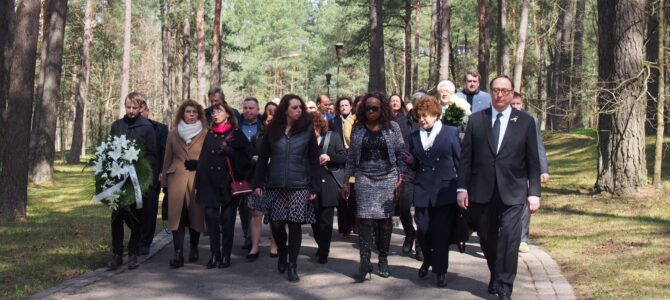
A ceremony was held to commemorate Yom haShoah, the Israeli Holocaust day of remembrance, on Tuesday at the Ponar Memorial Complex outside Vilnius. Lithuanian Jewish Community chairwoman Faina Kukliansky, Kaunas Jewish Community chairman Gercas Žakas and Palanga Jewish Community chairman Vilius Gutmanas were joined there by Israel’s ambassador to Lithuania Hadas Wittenberg Silverstein, US ambassador Robert Gilchrist, Japanese ambassador Tetsu Ozaki, French ambassador Alix Everard, Lithuania’s deputy minister of culture Albinas Vilčinskas and U.S. Commission for the Preservation of America’s Heritage Abroad chairwoman and attorney Starlet “Star” Jones Lugo. Jones spoke with students from the Sholem Aleichem ORT Gymnasium at the event, emphasizing the importance of remembering the victims and preserving the Litvak heritage. Jones is a panelist on the controversial all-female liberal American television talk show “The View” on the American Broadcasting Company or ABC network.
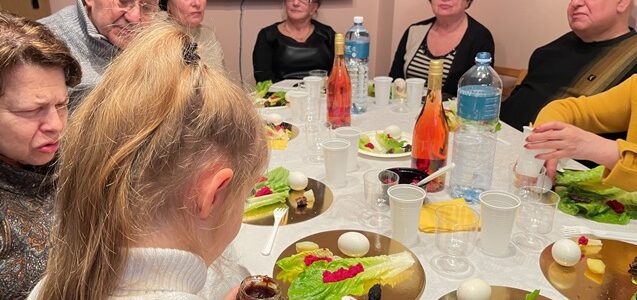
The Šiauliai Regional Jewish Community began celebrating Passover April 5, beginning with the seder in the evening, the first one on the evening of April 5 led by Rabbi Sholom Ber Krinsky’s sons. On April 6 members of the Šiauliai Regional Jewish Community gathered at the Žemaitis restaurant for the second evening’s seder. Community chairman Naum Gleizer greeted the celebrants who were served the traditional Passover dishes. Community member Vadimas Kamrazeris provided for the Jewish music at the restaurant, which led to sing-alongs and dancing.
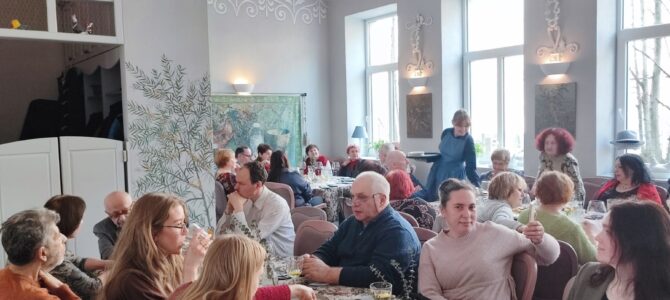
The Kaunas Jewish Community sent in some snapshots from Passover celebrations in Lithuania’s second city. The holiday celebration there included the traditional dishes, a concert, dance music and even a quiz for people to test their knowledge of Passover.

The Judaica Research Center at the Martynas Mažvydas Lithuanian National Library, the Vilna Gaon Jewish History Museum and Roma Social Center present their “mini klez-fest” which includes live music and a lecture on klezmer music.
The event will take place at the Tolerance Center of the Vilna Gaon Museum at 6:00 P.M. on Sunday, April 30. The performers decided to call their hour-long concert “From Vizhnitz to Vilne: Klezmer Music from the Carpathians and Beyond.” The program is composed of songs selected by Jewish music researcher, ethnographer and artist-in-residence in the Jewish Studies Program at San Diego State University Yale Strom, recorded during ethnographic field work and which were once performed from the Carpathian Mountains to Jonava in Lithuania and locations inside Belarus. Yale Strom currently teaches music at San Diego State.
The lecture component by Strom will take part on at 6:00 P.M. on Wednesday, May 3, at the National Library in Vilnius. It is called “Relationship between Romani and Jewish Musicians before World War II: How and Why?”
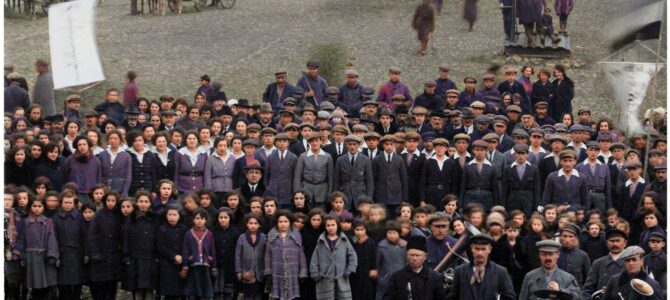

The Lithuanian news website 15min.lt announced they will be showing the Holocaust documentary J’accuse with Lithuanian subtitles on April 17 and 18. The focus of the film is Grant Gochin whose entire family were murdered by the Nazis in Lithuania, and Silvia Foti who published a biography of her grandfather Jonas Noreika, debunking his lionization by post-WWII Lithuanians and revealing his deep collaboration with the Nazis in Holocaust crimes.
The film documents the personal stories of Gochin and Foti in their search for truth and justice, and how their paths came together several years ago, both now demanding accountability and truth from the Lithuanian state in addressing the genocide committed against the Jews in Lithuania during WWII.
Foti’s book is in its second edition in the United States with translations in various languages around the world. Lithuanian publishing house Kitos Knygos is publishing the Lithuanian version of the book.
In the film Gochin talks about his numerous court cases in Lithuania seeking justice for his murdered family members. He talks about the anti-Semitism inherent in the Lithuanian bureaucracy in the first decade after independence from the Soviet Union when he sought Lithuanian citizenship based on family origin, and some of the strange decisions Lithuanian courts made regarding his numerous cases against the Center for the Study of the Genocide and Resistance of Residents of Lithuania to force them to tell the truth about Jonas Noreika. Foti also levels criticism against the Center for hiding the truth about genocide in Lithuania.
The film contains a wealth of photography and stories of Jewish life in Lithuania before the Holocaust. 15min.lt says it is offering its readers the rare opportunity to view the film with the original audio with Lithuanian subtitles for two days exclusively.
Full article in Lithuanian and link to the film here.

We are pleased to announce we received a number of drawings, water colors and works in other media in our Passover children’s drawing contest. A surprising number of young people in the Community responded, some sending in multiple entries. We were also pleasantly surprised by the talent demonstrated, and insights into the inner life of our children. Some of the entries reminded us of the work of Marc Chagall and Samuel Bak. It was simply too difficult to decide on any one winner, but all contestants will receive a package of chocolate-coated matzo. A big thank-you to all the parents who helped as well.
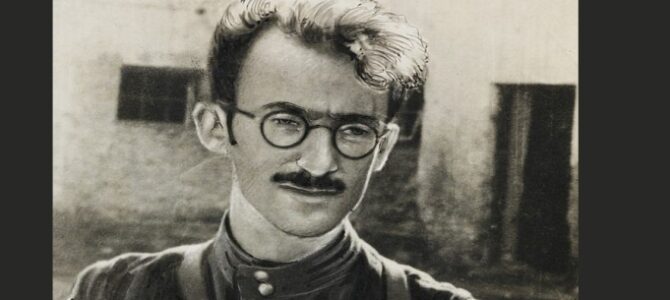
An excerpt from the great Yiddish poet Abraham Sutzkever’s memoir of the Vilna Ghetto
“Malines were built everywhere: underneath ruined buildings, in cellars, underneath garbage dumps, in caves, and everywhere else imaginable.”
The poet Abraham Sutzkever (1913-2010) moved into the Vilna Ghetto not long after the Nazis created it in September of 1941 and with his wife Freydke escaped to the forest in September, 1943. During his two years in the ghetto he worked with the theater and youth groups and was part of the legendary Paper Brigade, a group of ghetto inmates and their allies who rescued priceless Jewish books and manuscripts from Nazi destruction.
Full article and translation here.