 Program:
Klezmer music
Story of Hanukkah by Rabbi Kalev Krelin
Candle-lighting ceremony
Holiday statements and wishes
Traditional Hanukkah treats


Program:
Klezmer music
Story of Hanukkah by Rabbi Kalev Krelin
Candle-lighting ceremony
Holiday statements and wishes
Traditional Hanukkah treats
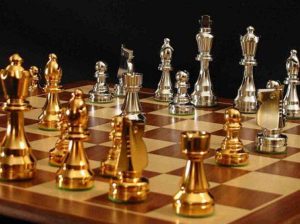
As we near the eight days of Hanukkah, the Lithuanian Jewish Community and the Rositsan and Maccabi Elite Chess and Checkers Club invite you to a chess tournament to be held at the LJC, Pylimo street no. 4, Vilnius, at 5:00 P.M. on Sunday, December 18.
Tournament director: FIDE master Boris Rositsan
For more information, please contact:
info@metbor.lt
+3706 5543556
for lzb.lt by Dr. Aušra Pažėraitė, associate professor and lecturer, Religious Studies and Research Center, Vilnius University
“…While the Chabad Hassidim cannot be excluded from the ranks of Lithuanian Jews (their communities in Vilnius go back to the time of the Russian Empire), they do not represent all Lithuanian Jews, and especially not those who consider themselves misnagdim, largely known simply as Litvaks. Perhaps the Vilnius municipality this year could seek for some sort of Solomonic solution which wouldn’t step on the toes of the Litvak community and would take their traditions into account. Or simply point out that the erection of a giant menorah is not tacitly understood as a universal Jewish tradition…”
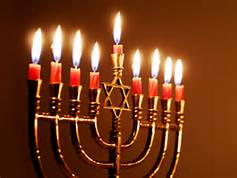
The holiday of Hanukkah, celebrated for 8 days beginning on Kislev 25, is one of those holidays which the Torah does not demand be celebrated. That’s understandable, since the holiday comes from a time after the Torah was given. The name of the holiday is explained by examining the root, which indicates inauguration, celebration, dedication, establishment, and these actions are connected with the reconsecration of the Temple in Jerusalem. The holiday is begun by lighting a candle or an oil lamp, over the eight days lighting one more flame each day. The Talmud (Shabbat 21b-22a) relates that one school of thought in the first century, Beit Shammai, was of the opinion all eight flames should be lit initially and successively extinguished one by one daily, while Beit Hillel followers believed one flame should be lit the first day, two the second day until all eight were lit, which is the belief which took hold and is followed till today. As Rabba bar bar Hana explains, relying upon what Rabba Johanan said on the issue: “The thinking of Beit Hillel is that we should grow in the light, not shrink” (Shabbat 22a). Light should increase daily. It is the opinion of many authors that something which burns up by itself in a limited time should be burned, and that there be just enough “fuel reserves” that it extinguish itself within 30 minutes after “the onset of night.” Therefore electric light bulbs are inappropriate. Although some allow their use, if there is nothing else available, no special blessing is said upon their lighting.
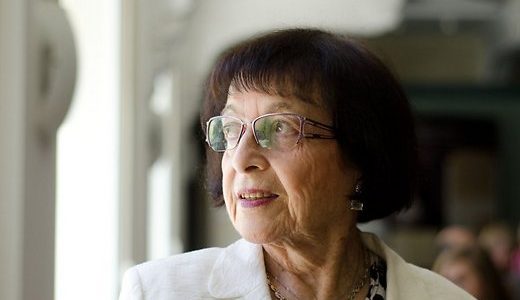
Cultural historian Aurimas Švedas’s book “Irena Veisaitė. Gyvenimas turėtų būti skaidrus” [Irena Veisaitė. Life Should Be Transparent] will be launched at the Vilnius Picture Gallery at 6:00 P.M. on December 15. Historian Saulius Sužiedėlis says the book contains unforgettable images of 20th century Lithuanian history, including the Jewish and Lithuanian interwar period in Kaunas, the ruthless reality of the war and the Holocaust, rescue and rebirth.
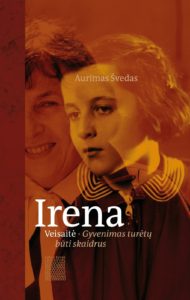
Author Švedas, the subject of the book Irena Veisaitė herself, theater producer Audra Žukaitytė, director Gintaras Varnas and literary scholar Kęstutis Nastopka are to attend the book launch, to be moderated by Vytenė Muschick. The book details the extraordinary life of the German literature specialist, drama expert and long-time director of Lithuania’s Open Society Fund.
Poet, translator and student of culture Tomas Venclova said of the book: “This book belonging in the genre of long conversational is a prerequisite for everyone who is interested in Lithuanian history over recent decades. Irena Veisaitė is one of the most enlightened people of our land, the incarnation of tolerance and common sense. She devotes the most attention to culture, especially the theater, and the cultural opposition in the Soviet period, but very wisely, avoiding extremism and empty words, also lays out painful philosophical questions.”
Full story in Lithuanian here.
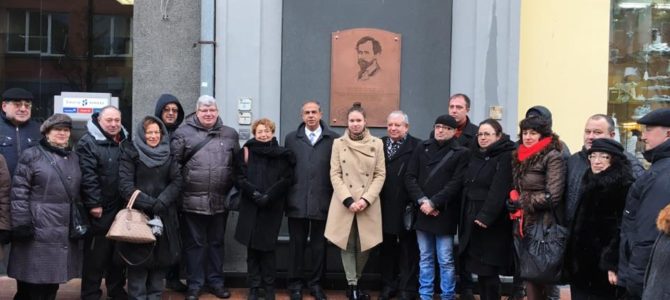
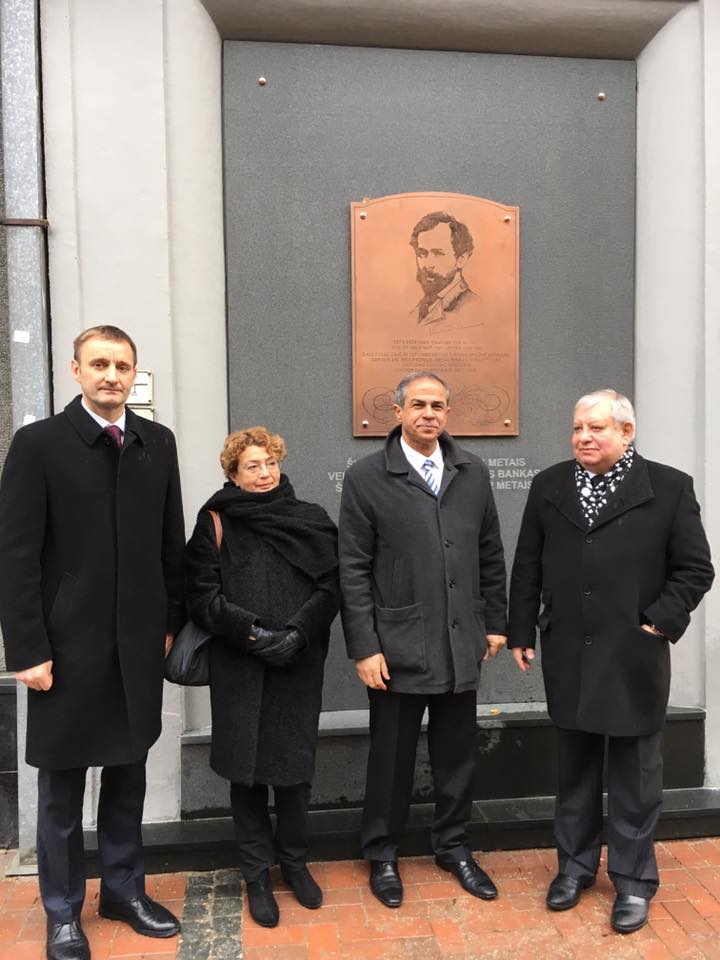
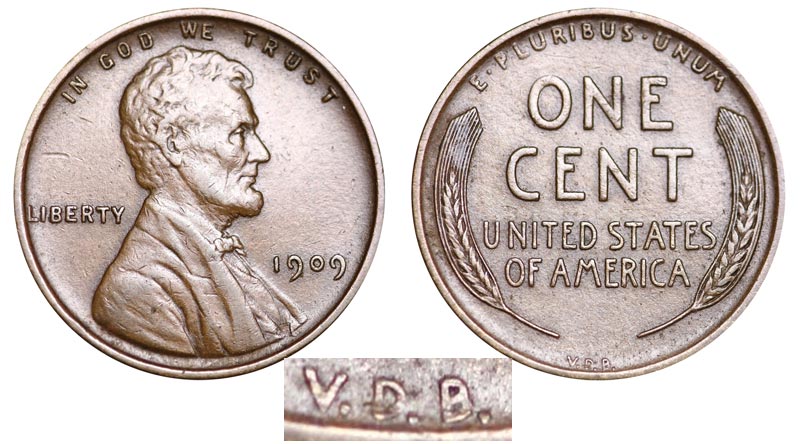
A plaque commemorating Litvak coin and medal designer Victor David Brenner (1871-1924) was unveiled in his hometown Šiauliai (Shavl) December 14. Lithuanian Jewish Community chairwoman Faina Kukliansky, Israeli ambassador Amir Maimon, Šiauliai mayor Artūras Visockas, Šiauliai Jewish Community chairman Josifas Buršteinas and Community members took part in the ceremony to unveil the plaque on the outside wall of the Šiauliai Bank building at Tilžės street no. 149. Brenner designed the Lincoln-head United States one cent piece still in circulation over 100 years ago.

Travel journalist and photographer Evgenii Golomolzin from St. Petersburg, Russia, has written a long piece about the culinary experiences available in Vilnius, with the Bagel Shop featured prominently.
Vilnius is a cosmopolitan city where all sorts of ethnic dishes are on offer, he writes. As a heavily Jewish city of many centuries, it has preserved Jewish traditions even after the Holocaust. There is an old Jewish quarter. A year ago the Bagel Shop Café appeared as well. The kosher café the Bagel Shop is an exotic attraction. The Bagel Shop is located at Pylimo street no. 4. The café is not large and is very simple, but original. It feels like a small apartment with the books and knickknacks on the shelves. You can read the books as you sip coffee, you can buy a Hebrew dictionary or a Jewish calendar. But people come here not for the books, but for the real Jewish treats and the bagels (€0.85 apiece). Five kinds are sold at the café.
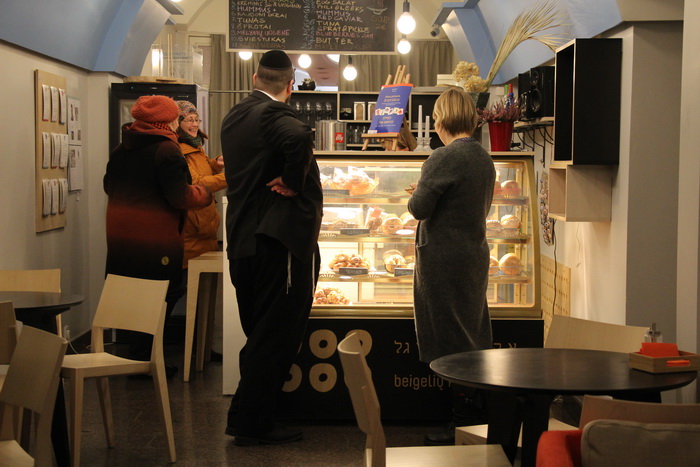
The display case also has lekakh, a Jewish sweet-cake; imberlakh, a pastry made of carrots, ginger and orange; and teiglakh, small cakes cooked in honey. You can order something more filling, for example, soup with dumplings (€2.00), an egg-salad sandwich (€3.60), tuna sandwich (€3.60) or hummus sandwich (€3.60). It’s all delicious. The café opened just recently—in 2016—but has already become a tourist attraction, the St. Petersburg-based travel publication writes.
Full story in Russian with very nice photographs here.
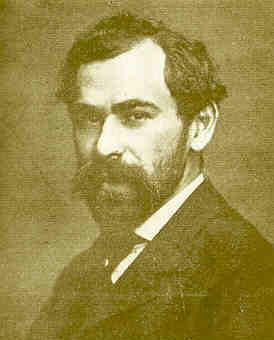
A ceremony to unveil a plaque commemorating Litvak and Šiauliai native Victor David Brenner will take place at 12:00 noon on Wednesday, December 14, at the Šiauliai Bank building at Tilžės street no. 149 in Šiauliai.
Victor David Brenner is best known as the designer of the Lincoln one-cent piece in the United States. which replaced the former one-cent piece featuring an Indian in 1909. He also designed the obverse of the new penny, replacing the former wreath and coat of arms with two sheaves of wheat surrounding the words “United States of America” and “ONE CENT.” The “wheat-back” reverse of the penny has since been replaced with one featuring the Lincoln memorial in the center with the same inscription around the edge in 1959. In 1982 the United States began to mint one-cent pieces with reduced copper content, replacing the earlier copper and tin denomination with a copper-plated zinc fac-simile.
You are invited to attend the launch of the compact disc called Four Musical Views on a Jewish Theme at the Lithuanian Jewish Community in Vilnius at 6:00 P.M. on December 12. The compact disc is a project by the Lithuanian Union of Musicians, Muzikos Barai magazine and the Goodwill Foundation. Participants are to include composer and president of the Lithuanian Union of Musicians Audronė Žigaitytė-Nekrošienė, pianist and music professor Leonidas Melnikas, violinist Borisas Traubas and cellist Valentinas Kaplūnas.
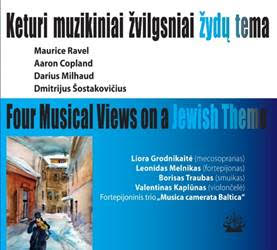
The Four Musical Views on a Jewish Theme CD is a unique musical excursion into the tragic 20th-century history of the Jews. Never before had anti-Semitism and hatred of Jews reached such proportions, never before had epiphanies of evil been accompanied by such violence and suffering. Artists were unable to remain silent and their work testifies to, and sometimes screams about these shameful pages of history, condemning evil and exalting good. Four great 20th-century musicians– Maurice Ravel, Darius Milhaud, Aaron Copland and Dmitri Shostakovich—have immortalized this in their work. The tragic passages of Jewish history retold by these artistic geniuses are performed by Lithuanian artists on the compact disc, including singer Liora Grodnikaitė, violinist Boris Traub, cellist Valentinas Kaplūnas and pianist Leonid Melnik. It is an appeal to every individual and to everyone.
Muzikos Barai magazine has made this disc available to readers as a free gift. In their October issue they published an article about those who rescued Jews from the Holocaust in Lithuania.
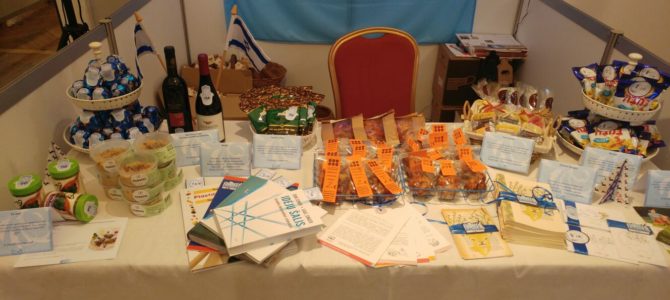
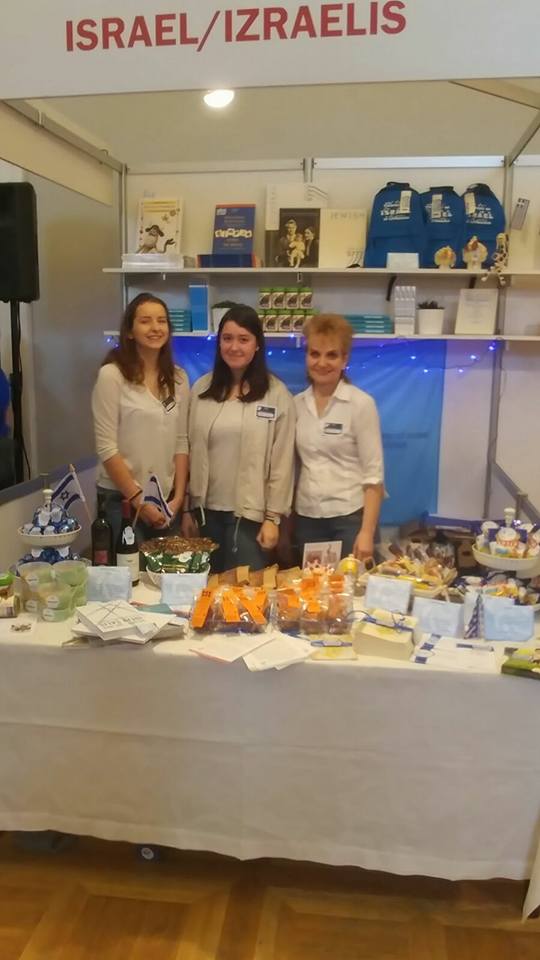
The Israeli booth at the annual International Christmas Fair on December 4 at Old Town Hall Square in Vilnius, set up jointly with the Bagel Shop of the Lithuanian Jewish Community, offered passer-by kosher snacks and kosher wine and all types of souvenirs. Young female volunteers from the Bagel Shop Café “manned” the booth and cheerfully explained every item on offer to visitors. The embassy of the State of Israel and the Lithuanian Jewish Community were both very happy with the success of the joint venture and with having the opportunity to contribute to the noble goal of the fair. The Israeli embassy booth took in 1,310.80 euros during the event.
Our deepest gratitude goes out to the volunteers:
Eglė Rimkevičiūtė, Unė Kormilcevaitė, Agota Laurinavičiūtė and Naomi Alon
This fair brings together for charity work annually representatives of the different embassies in Vilnius who present hand-made items for sale to city residents and guests. Thirty-four different countries and a number of communities as well as five international schools in Vilnius are represented traditionally at the winter holiday fair. Income from the Christmas charity fair goes to the coffers of a charity fund which currently supports 10 organizations: The Raseiniai Special-Needs School, the Way of Hope Raseiniai day center, the Vilijampolė social welfare home, the Visaginas social services center, the Overcoming Crises Center, a home for the elderly in Alanta in the Molėtai region, the hospital of the Lithuanian Health Sciences University, the Tautmilės Globa animal shelter, the Family Home of Mother Teresa and the Vilties Namai charity and welfare fund. The International Women’s Association of Vilnius of women from Lithuania and foreign countries who are temporarily living and working in Vilnius stages the International Christmas Charity Fair annually.

Recently events held by the Lithuanian Jewish Community have surpassed one another in the quality of organization and the positive emotional interest and participation by Community members have been a source of joy. LJC chairwoman Faina Kukliansky would like to thank organizers and participants:
“All of your contributions have made the life of Community members more interesting and diverse. We will remember the warm and moving moments we spent together when we all kneaded dough together with our daughters and grand-daughters, with our friends and guests during Sabbath challa-making events at all the communities in Vilnius, Kaunas, Klaipėda, Panevėžys, Ukmergė and Šiauliai, all of us joining together for the first time in the global Jewish Shabbos Project. I thank project coordinator Dovilė Rūkaitė, all the heads of the regional Lithuanian Jewish communities and the Bagel Shop cooks who participated together. I also thank the Lithuanian Cultural Council who supported the project.
I would also like to thank the organizers of the Mini-Limmud conference and its main supporters, the European Jewish Fund and the Goodwill Foundation, who supported the preparation of the program and the organization of interesting meetings. The traditional Limmud conference never fails to attract a group of concerned and engaged members of the LJC and their families to its ceremonial Sabbath dinner. It is important for us to come together and talk, to spend time in a pleasant environment, so we always strive to gather on weekends, in a beautiful natural setting at a good hotel, and to invite interesting guests to take part in a meaningful program, see famliar faces and discuss current events. Mini-Limud coordinator Žana Skudovičienė, who fields all preferences and ideas for the conference and balances different interests, insured that this year’s Limmud was memorable and event which provided good emotions and rest and recreation.
Thank you, all of you!
Faina Kukliansky, chairwoman
Lithuanian Jewish Community
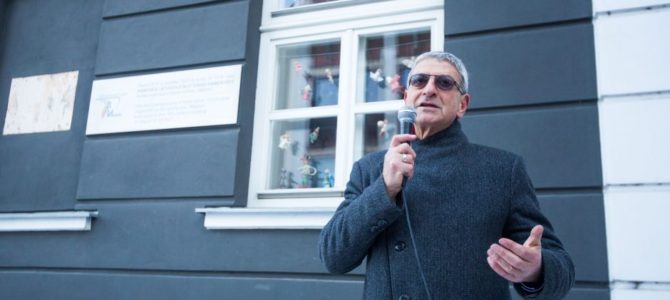
A plaque has been unveiled on the western façade of the A. Martinaitis Art School at Šv. Gertrūdos street no. 33 in Kaunas with the inscription: “In this building the first Lithuanian table tennis championships took place organized by the athletics club Makabi.”
Lithuanian Table Tennis Association director Rimgaudas Balaiša said at the unveiling ceremony Kaunas was the cradle of table tennis in Lithuania. Young people imported the game from abroad and by 1922 Kaunas began to see its first enthusiasts. In 1925 the first ping pong tournaments were held in Lithuania. A year later the Ping Pong Committee was established in the Lithuanian Athletics League. And here on March 12 to 13, 1927, the Makabi Club decided to hold the Lithuanian Ping Pong Championship. Makabi was the pioneer in this historic activity.
The Jewish Makabi Club was established on October 19, 1920 in Lithuania. It was the most affluent of any ethnic minority sports organization. The winners in the ping pong championship they held were Ona Gurvičaitė and Josifas Šimensas.
kauno.diena.lt
Full story here.
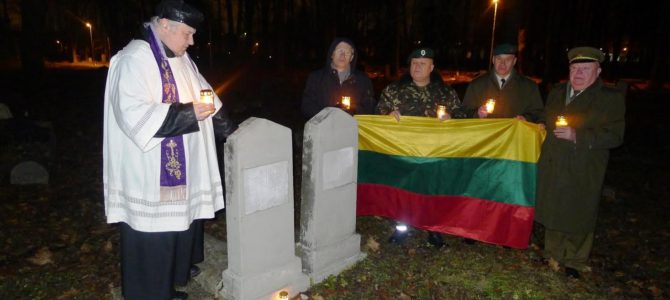
On November 23, in celebration of Lithuanian Military Day, long-time friend of the Kaunas Jewish Community Raimundas Kaminskas and the Kaunas Council of Lithuanian Sąjūdis held a commemoration of Lithuanian Jewish soldiers at the Jewish cemetery in the Žaliakalnis neighborhood of Kaunas. On November 23, 1918, Lithuanian prime minister professor Augustinas Voldemaras signed Decree No. 1, establishing the Defense Council and the first regiment of the Lithuanian military. The Lithuanian military was officially re-established on that day.
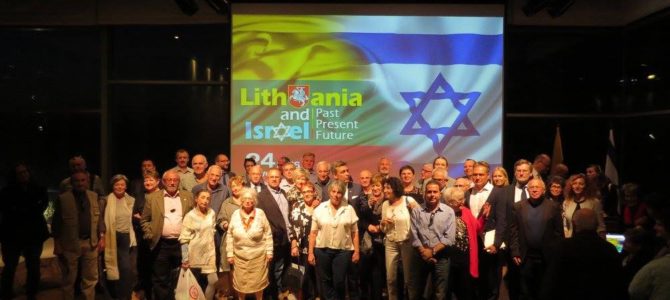
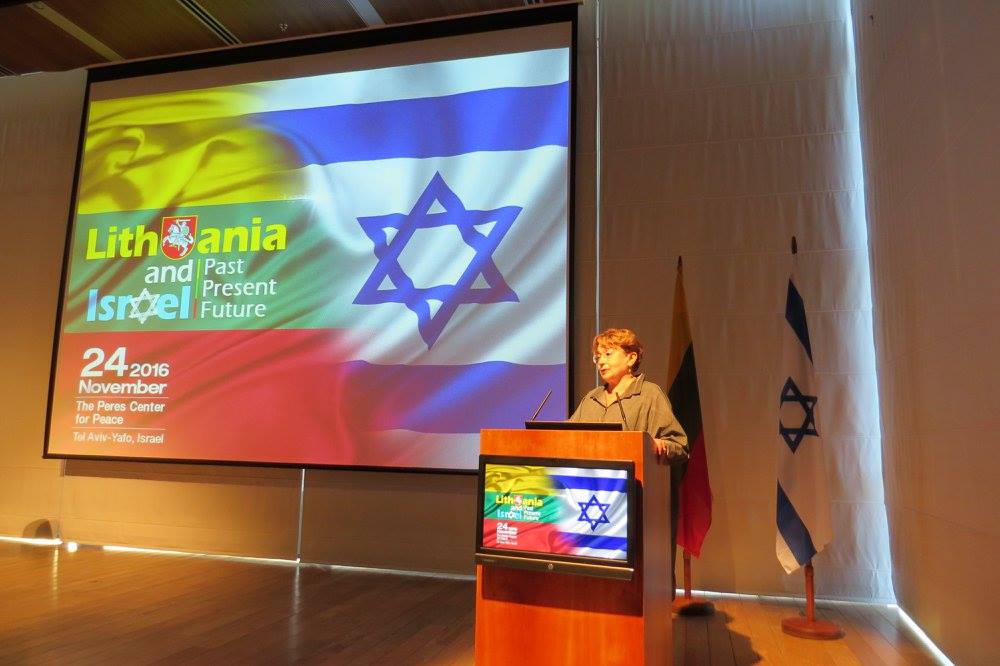
The Lithuanian embassy to Israel and the Lithuanian Foreign Minister held a conference called Lithuania and Israel: Past, Present, Future at the Peres Peace Center in Tel Aviv on November 24, 2016. The conference discussed Lithuanian Holocaust studies, progress in commemorating victims, current activities of the Lithuanian Jewish Community and Lithuanian citizenship restoration issues.
Lithuanian ambassador to Israel Edminas Bagdonas spoke about increasing partnership between the two countries in his opening speech. He noted Litvaks in both countries are making great contributions to this. Lithuanian ambassador-at-large Dainius Junevičius emphasized the change in attitude towards the country’s history by the public and especially young people. Ronaldas Račinskas, executive director of Lithuania’s International Commission to Assess the Crimes of the Nazi and Soviet Occupational Regimes in Lithuania, spoke about progress in Lithuanian Holocaust research and commemoration. Vytautas Magnus University lecturer Robert van Voren presented his studies into the Holocaust in Lithuania and spoke about parallels between Lithuania and the Netherlands. Yad Vashem representative Dr. Arkadi Zeltser addressed the state of monuments for commemorating Holocaust victims in Lithuania. Lithuanian Jewish Community chairwoman Faina Kukliansky provided an overview of the current situation and activities of the community. She also field a large number of questions from the audience about the Litvak legacy and heritage in Lithuania.
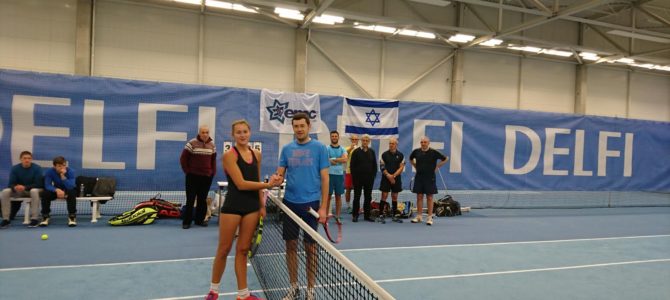
The fall tennis tournament of the Makabi Lithuanian athletics club was held November 27 at SEB Arena in Vilnius, with 10 athletes (7 male, 3 female). The matches were held with a minus 2 handicap. Danielius Merkinas was the overall winner. In the women’s group promising young professional tennis player Alisa Gaivaronskytė took first place. Valentina Finkelšteinienė and Tatjana Podkolzina took second and third in the women’s.
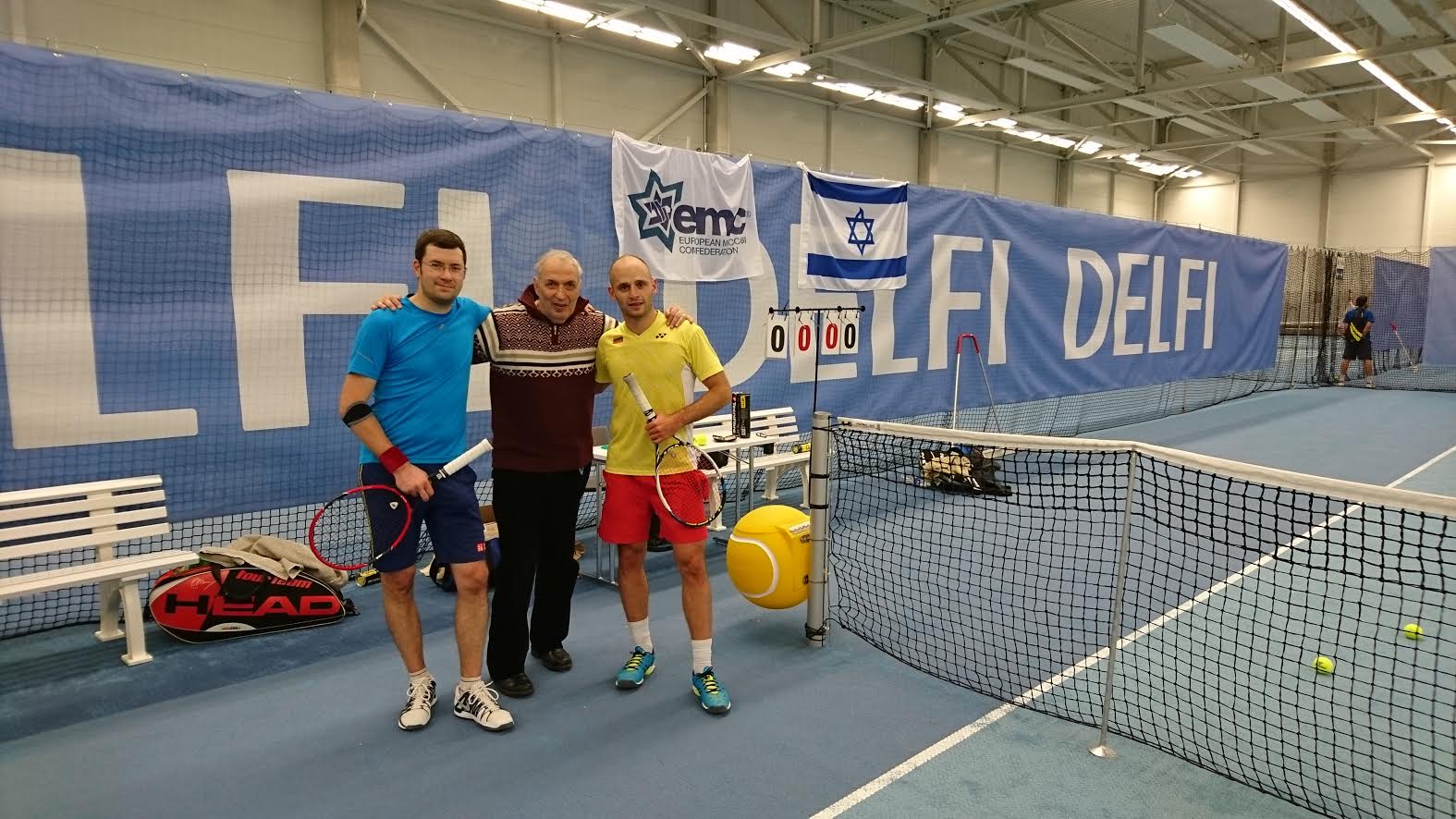
In the men’s, the brothers Kęstas and Norbertas Faktorovičius took third. The best player among veterans was Grigorij Khiterer, followed closely by Faktorovičius and Eduardas Gurvičius. All contestants received participation prizes and the women got flowers as well. The awards ceremony and dinner followed the competition.
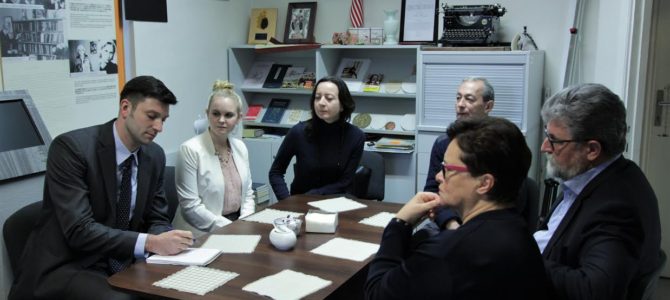
Two weeks ago representatives from the United States embassy in Vilnius visited Kaunas. They toured the Seventh Fort and met at the Sugihara House museum with Sugihara Foundation founders Ramūnas Garbaravičius and Egidijus Aleksandravičius, Kaunas Jewish Community chairman Gercas Žakas and reporter Birutė Garbaravičienė. Ted Janis of the American embassy expressed satisfaction the Kaunas and Lithuanian Jewish Communities, the Kaunas municipality, the Seventh Fort collective and Israeli ambassador to Lithuania Amir Maimon had combined forces to commemorate the Holocaust victims of the Seventh Fort at the mass grave site. They also spoke about the situation regarding Holocaust education in Lithuania, the importance of the Sugihara museum and Jewish life in Kaunas.
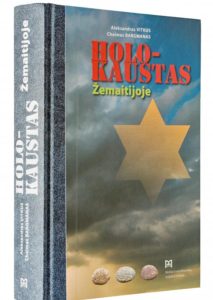
Aleksandras Vitkus, Chaim Bargman. Holokaustas Žemaitijoje. – Vilnius: Mokslo ir enciklopedijos institutas, 2016. – 488 p.
The book’s authors go into fine detail in their descriptions of the mass murders in Žemaitija (the historical Samogitia, western Lithuania), having collected testimonies from witnesses several years ago. Žemaitija is composed of 6 districts plus the Klaipėda region (historical Memel). They collected information about Kretinga (12 rural districts), Mažeikiai (8 rural districts), Raseiniai (12 rural districts), Tauragė (13 rural districts), Telšiai (9 rural districts) apskritis, the western section of the Šiauliai district (10 rural districts) and the Klaipėda region. The cyclopedia includes about 70 locations where mass murders took place and monuments now stand.
bernardinai.lt
Full story here.

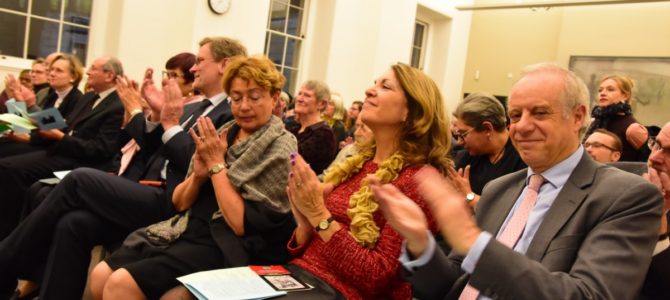
On December 1 the Lithuanian Embassy in the UK in cooperation with University College London invited the public to the annual Litvak Days in London.
The program of the sixth annual Litvak Days included an evening of Yiddish song performed by Polina Shepherd at University College London and a conference on Jewish languages (Yiddish and Hebrew) in Lithuania held at the Lithuanian embassy.
“Lithuania puts a lot effort into promoting and preserving the rich heritage of Lithuanian Jews. We regard the Litvak Days events in London as a platform which facilitates cultural links between the UK’s British, Lithuanian and Jewish communities”, Lithuanian ambassador Asta Skaisgirytė said.
Litvak Days in London were attended by Jonathan Arkush, president of the Board of Deputies of British Jews; Faina Kukliansky, chairwoman of the Lithuanian Jewish (Litvak) Community and Arkady Rzegocki, ambassador of Poland. Dainius Junevičius, ambassador-at-large, conveyed a message from the Lithuanian foreign minister Linas Linkevičius.
Full story here.
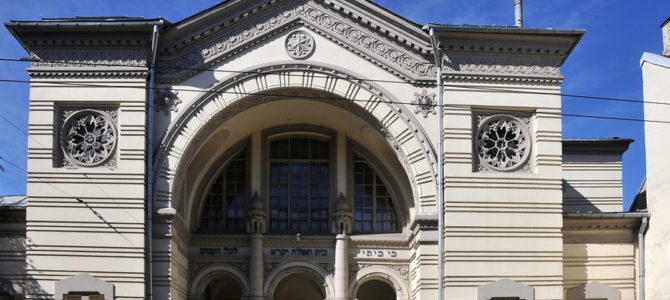
We’ve received some angry emails about the barbed wire which has appeared on the synagogue fence. The main point seems to be that it’s not aesthetic. Of course it’s not. And it doesn’t fit in with our unique synagogue built in 1903 with its architectural authenticity.
Many students and teachers from Vilnius and Lithuania visit our synagogue. Tourists also visit. This year more than 5,000 guests visited the synagogue.
The Lithuanian Jewish Community celebrates all the traditional Jewish holidays at the synagogue. Our guests also celebrate with us, including foreign ambassadors and members of the Lithuanian Government and members of parliament. We are working actively with public organizations in the European Union which are involved in insuring the security of Jewish communities around the world. The security system at the Vilnius Choral Synagogue was set up based on their recommendations and continues to be improved. In Europe armed professional security service personnel guard synagogues.
Because of security concerns, we are asking everyone to adhere to rules for visitors at the Choral Synagogue, which are posted in three languages on the LJC website, lzb.lt, and will be posted at the synagogue in a visible location.
Concerning the barbed wire, we thought about it deeply, and of course we don’t like it, but we decided the most important consideration is safety. For that reason this quick and inexpensive temporary solution was adopted. At the same time, plans for a new fence are being drafted, one that doesn’t clash with integrity of the architectural style but does meet security requirements. The project will be a prolonged process, because we must ask permission from and harmonize the project with the Cultural Heritage Department to remove the old fence and build a new one. We hope to complete it next summer. We are in charge of the synagogue and we are concerned for the safety of worshipers and guests, and we don’t want events to repeat here in Vilnius which have occurred elsewhere. Here are some examples.
In Copenhagen a killer attempted to gain access to a Jewish event with about 80 participants, mainly children. No one knows what would have happened if not for the man who sacrificed his own life to stop the killer.
Over one week last July there were eight attacks on synagogues in Paris. In the Paris suburb of Sarcelles, a crowd of 400 watched as one synagogue was fire-bombed.
During the attacks in Paris a kosher food market was heavily damaged and looted, as was a pharmacy. There were signs with the inscriptions “Death to Jews” and “Cut the throats of the Jews.”
A synagogue in Wuppertal, Germany, which had been rebuilt after being destroyed in Nazi Germany’s Kristallnacht in 1938, was attacked with Molotov cocktails.
In Mumbai (Bombay) in 2008 a group of terrorists walked through the city shooting people in cafés and hotels as they made their way to the Chabad Lubavich Center, where they killed the young rabbi and his pregnant wife.
Once I was flying back from Israel to Vilnius, and my fellow passenger complained the entire trip about how security checks at Ben-Gurion International Airport were an affront to his human dignity. No argument could convince him that it was for his own safety. So we apologize to those who are offended by the barbed-wire fence. I know no arguments will convince them that this is for your own security, just as my fellow passenger on the airplane could not be convinced.
Simas Levinas, chairman
Vilnius Jewish Religious Community
by Efraim Zuroff
Lithuania is a country known for the great reverence and care with which family graves are treated. Earlier this month, on All Saints’ Day, all the cemeteries in the country were full of visitors bringing flowers and lighting memorial candles, and there were huge traffic jams near the larger ones in the major cities. Yet, unfortunately, this praiseworthy sensitivity does not extend to all the graves in Lithuania, and certainly not to many of the more than 200 mass murders sites of Holocaust victims scattered along the length and breadth of the country.
One such neglected mass murder site is that of Vėliučionys on the outskirts of Vilna (Vilnius). I had visited the grave together with Lithuanian writer Rūta Vanagaitė in the summer of 2015 as part of our research on Lithuanian complicity in Holocaust crimes and the sad state of some of the murder sites, for our book, Mūsiškiai, which was published earlier this year.
Although a marker on the road pointed to a mass grave, it was misplaced, there was a large garbage dump right nearby and we never would have found the location without the help of a local resident who often picked mushrooms in the forest and knew where the murder had taken place.
by Geoff Vasil
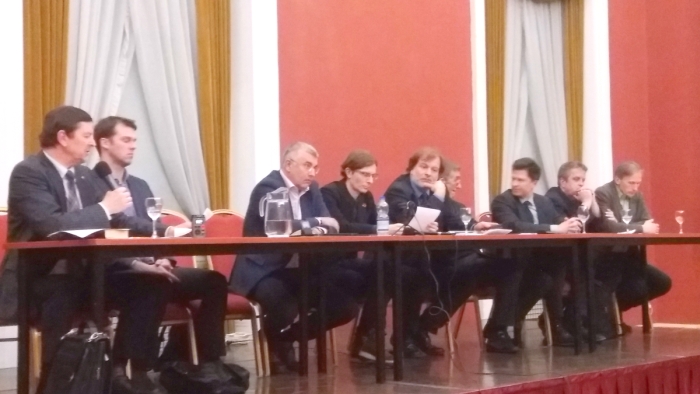
The “discussion” organized by the Vilnius city council on November 29 on whether to change an earlier decision to name a street after a Lithuanian Nazi leader in the center of Vilnius was an unmitigated disaster.
In fact, there was no evidence the Vilnius municipality organized anything at all. The main force and the only real announcer of the event was Vilnius City Council member Mark Adam Harold, aka Mark Splinter, a British expatriate who has been trying to get the street renamed to no effect for some time. Harold himself denied he was the organizer, but he was the main speaker and spoke bravely and forthrightly in favor of changing the street name.
The whole point seemed to me to be to shame Vilnius mayor Remigijus Šimašius with media attention into relinquishing his blocking the proposed change. Unfortunately only scant and local media attention was shed, the event having been all but suppressed until one day before it happened, leaving interested parties believing they had been excluded from the supposedly public forum.
Readers will recall mayor Remigijus Šimašius promised in writing to specify a location in Vilnius by October 20, 2016, for erecting a monument to Holocaust rescuers. No such site has been named to date. Instead the Vilnius municipal body claims work is going forward behind the scenes on creating the actual monument. One assumes they will place it in a dark forest far from public sight, as things stand now, sometime in the summer of 2047.