

by Dr. Aušra Pažeraitė
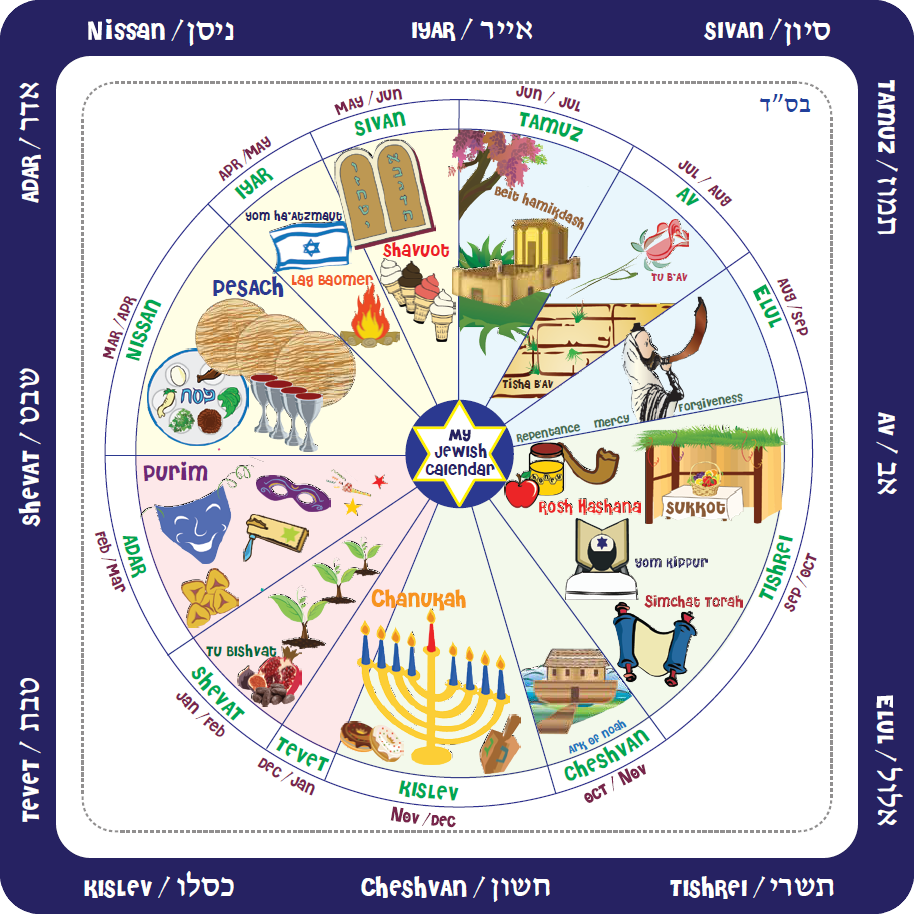
The Mekhilta d’Rabbi Ishmael in the Midrash details a discussion by Talmudic sages regarding a line from the Bo portion of the readings for the last Sabbath (Exodus 12:2): “This month shall be for you…” Rabbi Ishmael says: Moses showed the new moon to Israel and said to them: In this way shall you see and fix the new moon for the generations. Rabbi Akiva says: This is one of the three things that were difficult for Moses to understand and all of which God pointed out to him with His finger. And thus you say: “And these are they which are unclean for you” (Leviticus 11:29). And thus: “And this is the work of the candelabrum” (Numbers 8:4). Some say it was also difficult for Moses to understand ritual slaughter, it being written: “Now this is that which thou shalt offer upon the altar; two lambs of the first year day by day continually.” (Exodus 29:38).
Modern scholar of Jewish philosophy David Boyarin says this midrash is one of many examples which plainly, almost spelling it out, show how St. Augustine was correct in saying Jews read Holy Scripture “erotically” [erotically charged by ocular desire]. But here “eros” doesn’t mean imprisonment to the material or carnal for its own sake. It is, rather, a certain method or way to understand the life of the spirit, the religious life, based on what is here and now, on the concrete physical world. Rav Moshe Rosenstein of Kelm (Kelmė) in his explanation of the way in which the wisdom of the world differ from the wisdom of the Talmudic sages gave as an example a small bird which once flew through a window into a home and couldn’t not find the path to fly back out because by nature it sought the way on high, whereas in this case it only needed to look downward. In this way the worldly-wise can exalt their wisdom so much that that which is “low,” the simple truths which aid in finding the answers, may be hidden (Basics of Knowledge, I, 24).