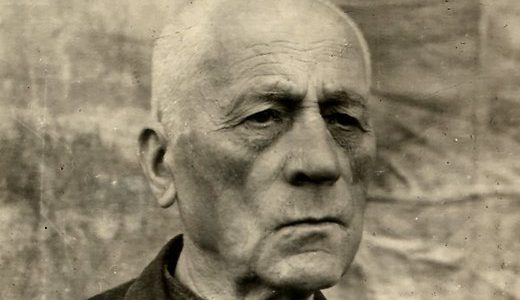
For those who haven’t seen the exhibition at the Lithuanian National Martynas Mažvydas Library, People and Books of the Strashun Library will close July 28. Judaica Center director Dr. Lara Lempertienė is planning to lead a tour July 28 for those interesting in learning why the Strashun Library looms so large on the Litvak cultural horizon, to be followed by a discussion. She is inviting interested parties to gather in the exhibition hall on the third floor at the library at 3:00 P.M., July 28.
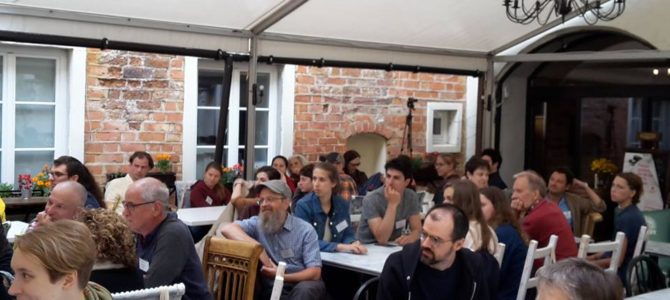
The summer program of the Vilnius Yiddish Institute at Vilnius University opened with the usual ceremony at a restaurant in Vilnius July 17. This year over 30 students from the USA, Israel, France, Sweden, Poland and Lithuania are attending the intensive language and literature course. The teachers this year include professor Anna Vershik, Abraham Lichtenbaum, Dov Ber Kehler and Vera Shabo.
Vilnius Yiddish Institute director professor Šarūnas Liekis said the summer program is unique for its professionalism, high academic level and because it offers its students the opportunity to communicate with fellow students in Yiddish. It also has an interesting cultural program for students, he noted.
The intensive course with four levels of proficiency will continue until August 11.
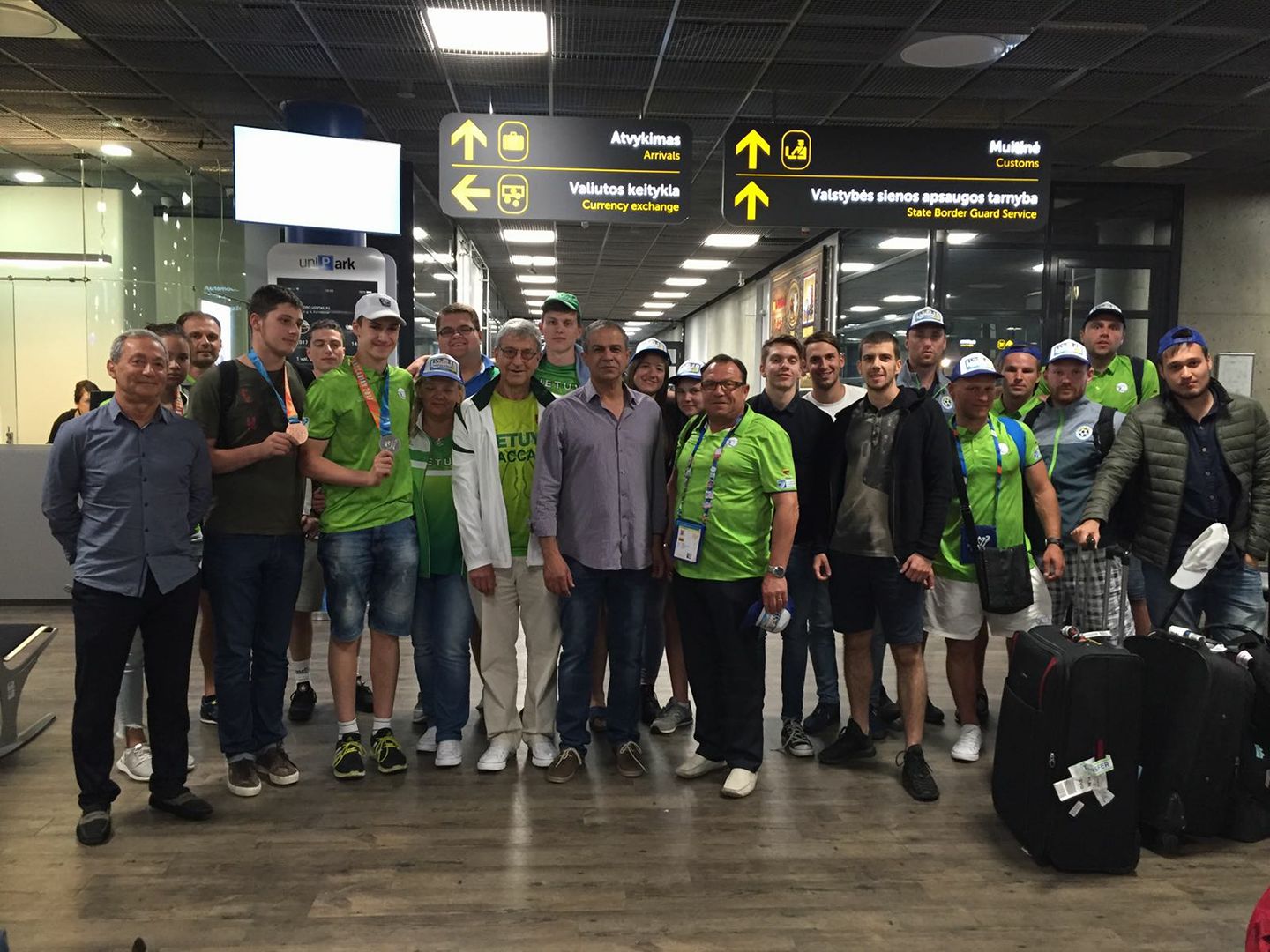
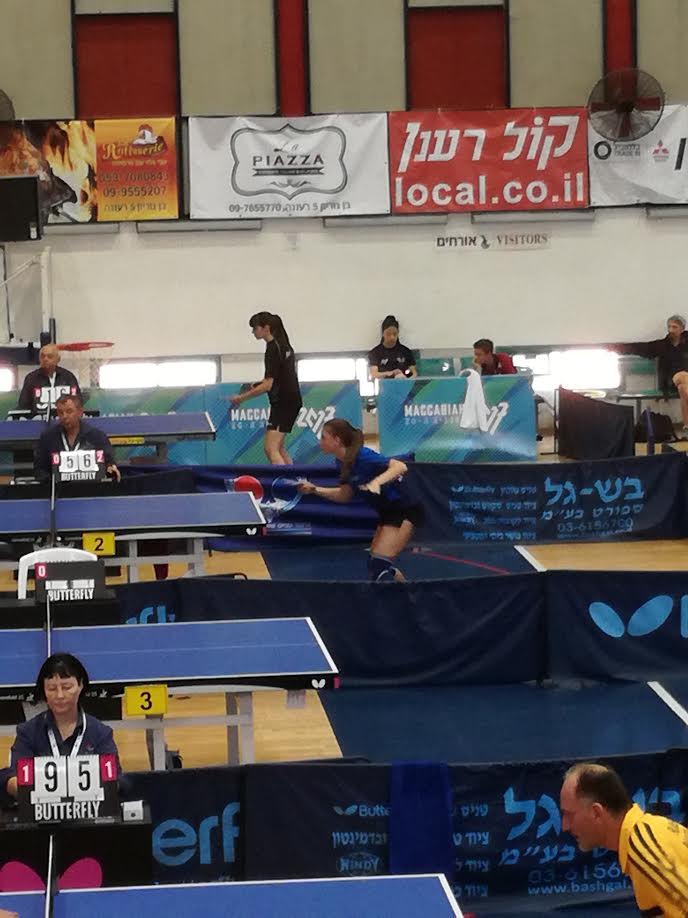
Members of the Lithuanian Makabi Athletics Club delegation to the 20th Maccabiah Games in Israel returned home on the evening of July 18 and Israeli ambassador to Lithuania Amir Maimon met them at Vilnius International. The athletes come home with six medals, including two gold. Congratulations to the entire team!
One family with children who are clients of the LJC Social Department need your help.
Recently the family lost their computer and television. Thanks to members who have already responded, the family now has a television, but the children still need a computer for school and are unable to afford one.
If you can help or know someone who can, please contact the LJC Social Programs Department Family Program coordinator by telephone at 865213146 or by email at rasheles@sc.lzb.lt
If you have a yearning to paint, like art, enjoy nature and good company, you won’t want to miss this year’s educational plein air outdoor painting workshop, our third in as many years.
The plein air painting workshop will last 5 days and 4 nights at an inspiring rural location under the direction of the famous painters Raimondas Savickas from Lithuania and Alexander Ganelin and Anna Khodorkovski, both from Israel.
The workshop will be held at the Įlanka farm on Bebrusas Lake in the Molėtai region where participants will spend four nights. Three meals per day will be provided (with vegetarian options). Daily work includes practical activities and one-on-one consultation with teachers, painting and other media, and an education/free-time program including a ride on the Švyturys recreational ferry across the lake, a sauna, cultural events and a Sabbath ceremony.
The cost for Community members is 150 euros. Please register by noon, July 18, because space is limited.
After sending the sum by bank transfer please send a copy of the payment form to zanas@sc.lzb.l
For more information and registration, contact:
Žana Skudovičienė by email at zanas@sc.lzb.lt or by telephone at + 370 67881514.
Details for payment:
to: Lietuvos žydų (litvakų) bendruomenė [Lithuanian Jewish Community]
company code 190722117
tax code: LT100010504214
bank account number: LT09 7044 0600 0090 7953
bank: AB SEB bankas
Please indicate the payment is for “Edukacinis pleneras 2017” [Educational Plein Air 2017] (and indicate the name of the person for whom payment is made).
The Educational Plein Air Outdoor Painting Worskhop 2017 is made possible by the Lithuanian Jewish Community, the Goodwill Foundation and the Joint Distribution Committee
The Vilna Gaon State Jewish Museum and the embassy of the United States of America in Vilnius kindly invite you to a screening of the documentary film “Holocaust Escape Tunnel” at the museum’s Tolerance Center (Naugarduko St. 10/2, Vilnius) on Tuesday, July 18, at 5:30 P.M. The screening will be followed by a discussion with the archaeologists featured in the film.
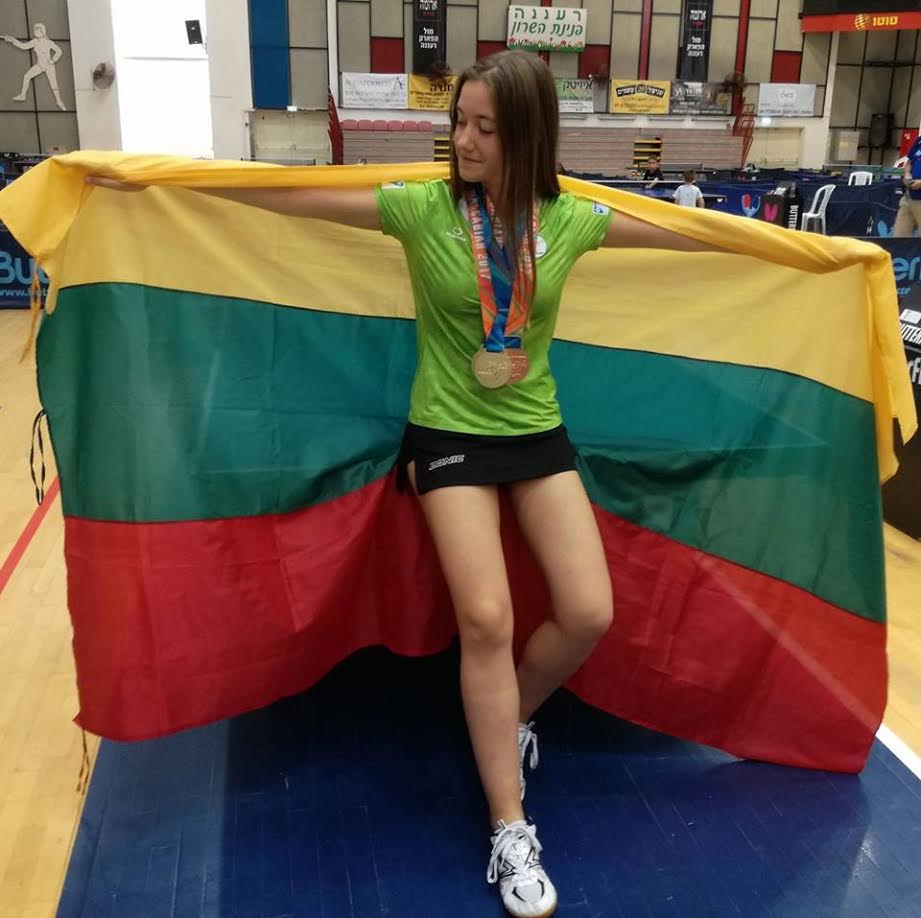
Neta Alon won a gold medal in singles youth table tennis competition and another gold medal in mixed doubles youth play with Israeli Janin Karmazin. Congratulations!
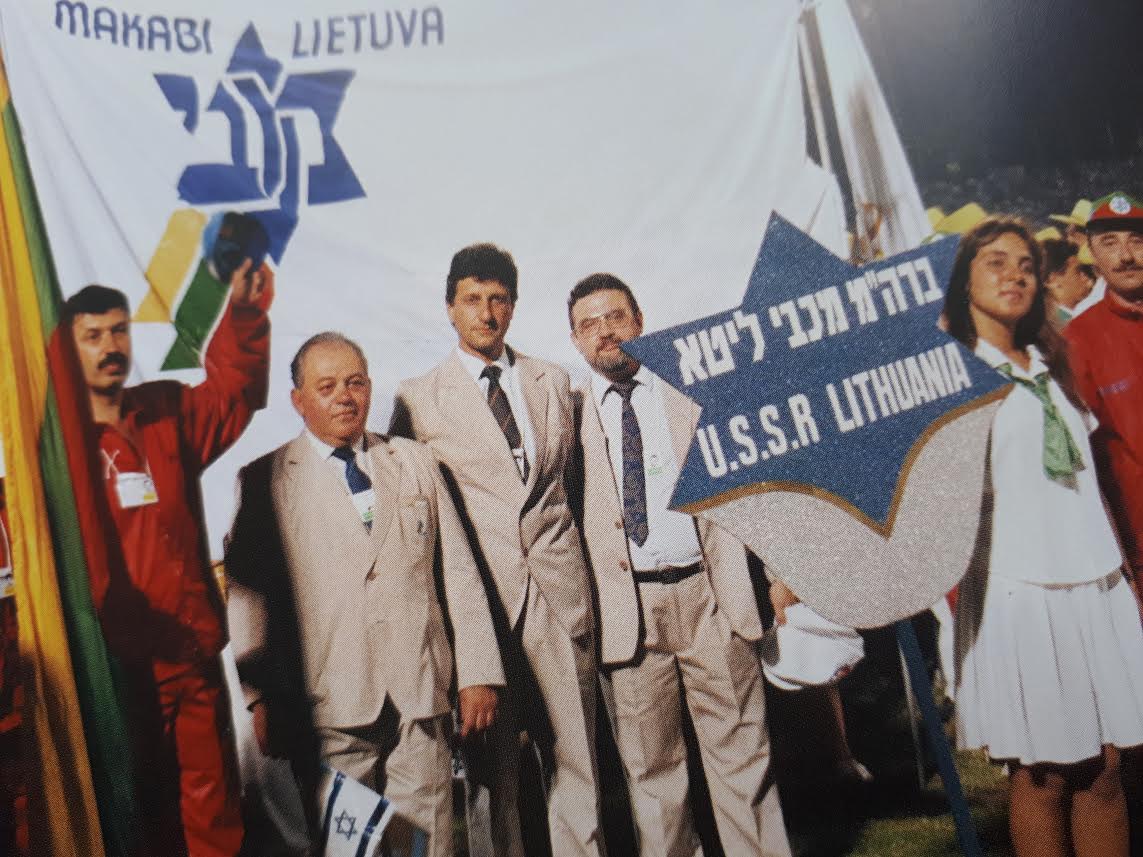
Lithuanian Makabi team at 13th Maccabiah Games opening ceremony, Israel, 1989
The Lithuanian Makabi Athletics Club delegation is leaving for the 20th Maccabiah Games, held once every four years, in Israel, where more than 10,000 athletes from 80 countries will compete.
This will be the 8th Maccabiah Games attended by the Lithuanian team. In 1989 the team was the first to carry the Lithuanian national flag at the opening ceremonies as the country sought independence from the Soviet Union. Club president Semionas Finkelšteinas and club athletes remember well the event.
Semionas Finkelšteinas:
“The Lithuanian Makabi delegation will have 28 athletes in 8 sports: badminton, swimming, mini-soccer, judo, table tennis, tennis, chess and riding. A Canadian rider who has Litvak roots was accepted on the Lithuanian team since Canada didn’t send a team of riders this year. The Lithuanian team includes three former Maccabiah medal-winners: chess player Eduardas Rozentalis who took bronze in 1989, badminton player Alanas Plavinas who won silver in 2013 and Aleksas Molodeckis who took bronze in judo in 2013.
“It’s important to us to participate in the Maccabiah and we never miss a single Jewish Olympics. Whether our team is stronger or weaker, we have always participated and won medals. This time we have five young people, three of whom expect to win medals. We have three badminton players, and the swimmer and strong table tennis player Neta Alon who could be a medal winner. Markas Šamesas and Vitalija Movšovič are our badminton players who could come home with medals. Among the adult athletes the chess player E. Rozentalis, badminton player A. Plavinas, and judo martial artist A. Molodeckij have a good chance of winning medals. Salomėja Zaksaitė, an accomplished chess player, will be competing at the Maccabiah for the first time. Our soccer team is traveling there with their new trainer Arūnas Šteinas. Three of our strong soccer players are unable to attend for various reasons. Artūras Sobolis couldn’t take time off work, Danielius Gunevičius’s trainer won’t allow him to go and Romanas Buršteinas has to attend to family matters.
“All the young people will stay at the best hotel in Haifa. They will compete in the games after which they have a separate program of activities. The swimmers will compete at the Wingate sports complex. Athletes from 80 countries will attend Maccabiah opening ceremonies July 6 and global media always give large coverage to the event, the opening ceremony is covered outside Israel by CNN, BBC and other global televisions channels. The Jewish Olympics takes place once every four years and there is a broad cultural program arranged for all participants. This event is about more than just about sports.
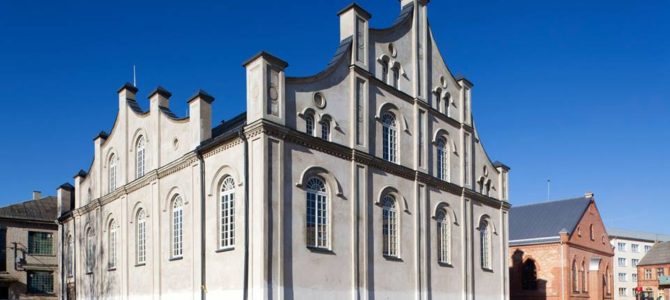
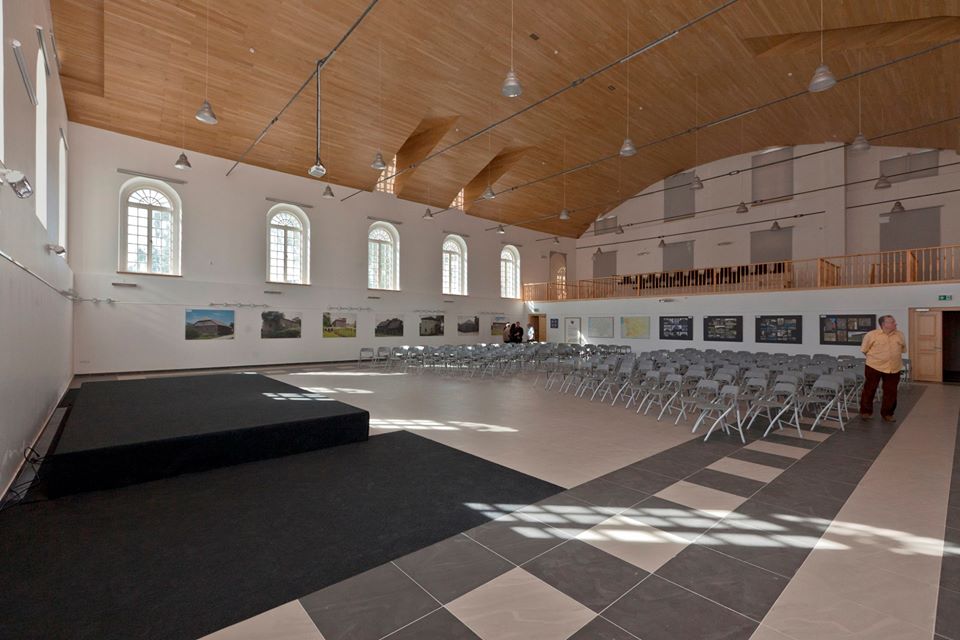
During celebrations of Joniškis’s own city day next week the restored White Synagogue there is to host a re-opening ceremony. The synagogue was built in 1823 and its external face combines features of the late classicism and romantic styles.
Restoration of the synagogue was financed by European Economic Area grants allocated by the Republic of Lithuania, the state budget and the Joniškis regional administration for a total of 389,358.35 euros.
Larger Lithuanian cities but even smaller towns often featured two synagogues, built at different periods. Few double-synagogue complexes are still standing in Lithuania, only in Joniškis, Kalvarija and Kėdainiai.
The Joniškis synagogue complex is located on the eastern side of the town square. Two adjacent brick buildings, the White and the Red Synagogues, form the complex. They were built at different periods and have different architecture and interiors. Their location by the central town square but set back among other buildings is fairly typical. They are very visible from side streets but looking from the main street they are blocked by other buildings. Both synagogues have smaller one-storey and two-storey buildings surrounding them.
Jews settled in Joniškis around the middle of the 18th century when charter rights were granted the cities of Joniškis and Šiauliai. Jewish communal life was intimately connected with religion and the synagogues. In 1797 the Jews of Joniškis received permission to build a synagogue and acquire a piece of land for a Jewish cemetery. A synagogue is first mentioned in 1823. According to the inventory of the Šiauliai economy conducted in 1825 and 1826, there were 49 Jewish families in Joniškis. In the mid-1800s there were 1,042 Jews living there. A second synagogue is first mentioned in 1865, and in 1866 there are records of a third synagogue and a Jewish inn. By 1897 the Jewish population had grown to 2,277. The third synagogue located at Vilniaus street no. 8 was turned into a store and residential building in 1965 and 1966.
As of now, the Lithuanian Jewish Community is a member of the European Association for the Preservation and Promotion of Jewish Culture and Heritage, better known by the French acronym AEPJ. The AEPJ supports the preservation, appreciation and promotion of Jewish culture and heritage in Europe. The association is especially devoted to making Jewish cultural and heritage buildings and locations accessible to the public. To achieve that goal, the AEPJ conducts two main programs: the European Day of Jewish Culture and the European Jewish heritage tourism routes.
Vilnius, June 25, BNS—Archbishop Teofilius Matulionis, persecuted by the Soviets, was beatified and a ceremony was held to commemorate the event at Vilnius Cathedral Square Sunday.
The first-ever beatification ceremony held in Lithuania drew over 15,000 people where the Pope’s Franciscan envoy cardinal Angelo Amato made the announcement.
Matulionis was imprisoned for 16 years under the Soviets and he received his longest sentence in 1946 after refusing to collaborate with the Soviet regime in their demand he help squash the partisan movement in Lithuania and after criticizing the Communists for persecuting religious people. He was allowed to return to Soviet-occupied Lithuania after ten years of imprisonment. Although he was constantly followed, he was able to receive secret permission from the Vatican to consecrate bishop Vincentas Sladkevičius. Matulionis passed away in 1962 at the age of 89. Some believed he was poisoned by the KGB, although that hasn’t been demonstrated conclusively.
Matulionis becames the second person from Lithuania beatified. Bishop Jurgis Matulaitis’s beatification was announced in Rome in 1987. In order for Matulionis to be canonized, i.e., made a saint, evidence of a miracle must be presented, including those that occur posthumously, such as any which occur in invoking his name in a prayer to God.
Lithuania has a patron saint, Casimir, the grand duke of Poland and Lithuania who was canonized in 1602.
Teofilius Matulionis helped rescue a Jewish girl from the Holocaust. Dalia Epšteinaitė speaks about her childhood friend Estera Elinaitė whom he helped rescue.
The Kaunas Jewish Community invites the public to commemorate the victims of the Lietūkis Garage massacre at 5:00 P.M., Monday, June 26 in Kaunas. The commemoration will be held at the statue to commemorate the mass murder at Miško street no. 3 in Kaunas.
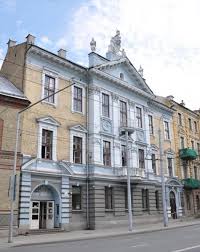
Due to danger to the public from falling bits of masonry, work will continue on the front portion of the Lithuanian Jewish Community building at Pylimo street no. 4 in Vilnius and the front doors will remain closed and off-limits. Staff and visitors must use the entrance to the Vilna Gaon State Jewish Museum at the same address and just to the right of the main doors until further notice from 9 to 5 on week days and from 9 to 3:30 on Friday, June 23. The Bagel Shop Café will remain closed until further notice and all weekend activities are cancelled inside the LJC building for the time being.
We apologize for the inconvenience.
Update: The front doors are now open again and the Bagel Shop is operating on its usual schedule.
by Martynas Užpelkis, LJC heritage protection specialist
An historical event! In recent days, almost a coincidence of sorts but more likely the result of dedicated and constant preparation, three historical Jewish community buildings in Vilnius have been repaired and restored at the same time. In spite of the temporary convenience, our thanks go out to everyone who contributed to the preservation of these Jewish historical heritage sites.
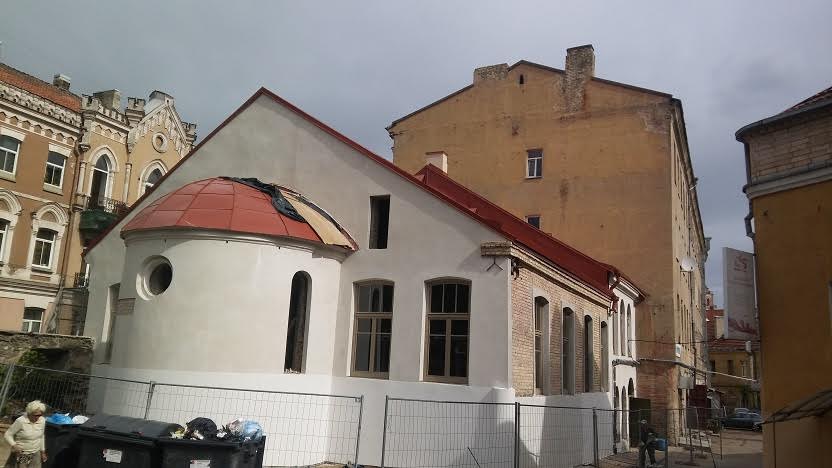
Renovation on the synagogue on Gėlių street in Vilnius, the Zavl Germaize and David Levinson Synagogue, continues, but work has been completed on the façade and floor, and new doors and windows in line with the traditional ones were installed. The Lithuanian Jewish Community owns the building. The role of contractor for renovation work was carried out by the public sector Lietuvos Paminklai [Monuments of Lithuania] enterprise and renovation was conducted by the Nivara company. This year as in the foregoing three reconstruction work was financed by the Lithuanian state and the Goodwill Foundation. In 2017 the Cultural Heritage Department under the Lithuanian Ministry of Culture allocated 120,000 euros and the LJC contributed 16,000 euros allocated by the Goodwill Foundation.
India’s pharmaceuticals giant Cipla Ltd., headed by the son of a Lithuanian Jewish mother and who was born in Vilnius, is at it once again.
Known for their defiance of Western drug companies in the battle to provide cheaper medications to patients in poorer countries, especial HIV treatments, Yusuf Hamied’s company is now teaming up with the American Cancer Society and pharma corp Pfizer to provide sixteen anti-cancer medications including chemotherapeutics to sufferers in the sub-Saharan countries of Ethiopia, Rwanda, Uganda, Tanzania, Nigeria and Kenya in Africa.
Jusuf Hamied inherited the company his Indian father began in Bombay in 1935. The younger Hamied was born in Wilno July 25, 1936. His Lithuanian Jewish mother and Indian father Khwaja Abdul Hamied met in Berlin at the university where they were both doing graduate work. Originally based in Bombay (now Mumbai), Cipla Ltd. now has additional headquarters in Miami, Cape Town, Surrey (UK) and in Belgium, and manufacturing facilities in Goa, Bangalore, Baddi, Kurkumbh, Pune, Patalanga (India) and Sikkim, and field stations in Durban (South Africa), Hyderabad, Delhi and Pune.
The Lithuanian documentary film festival Nepatogus Kinas [Uncomfortable Cinema] is to present a thematic program on discrimination this fall. To bring attention to how widespread this problem is, organizers are inviting people to share specific examples of the violation of their rights. The festival organizers are hoping their call to the public for personal experiences of discrimination will help break the existing wall of silence surrounding the subject. All examples provided, publicly or anonymously, will be presented to readers in the press and on social media.
“The word ‘discrimination’ often doesn’t mean anything, it’s an abstraction. But very specific personal stories are described by this word. Sometimes painful, sometimes inspiring. These stories allow us to realize we will all face discrimination at some stage in life,” festival director Gediminas Andriukaitis commented.
Lithuanian law forbids direct or indirect discrimination and harassment based on age, gender, sexual preference, disability, racial and ethnic identity, religion and beliefs. Uncomfortable Cinema organizers have also provided categories of language, social status, gender identity and family status for people who want to tell their stories.
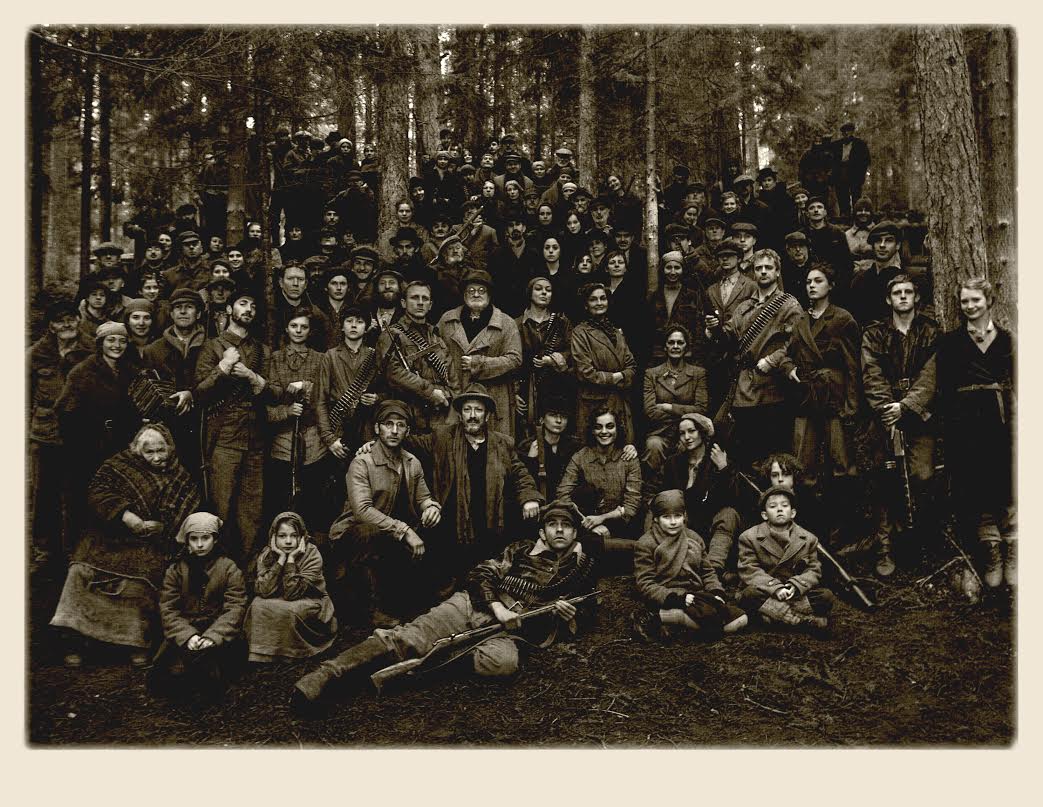
The Tolerance Center of the Vilna Gaon State Jewish Museum invites the public to come watch the film Defiance (2008) made in Lithuania and based on historical facts, and to meet some of the Lithuanian actors in the film as well as meet attorney Leora Tec, the daughter of the author of the book upon which the screenplay was based, Nechama Tec.
The film, slightly over two hours, tells the story of the Bielski brothers and the partisan group they founded in Belarus near the Lithuanian border. Their struggle for life ended up saving around 1,200 Jews from the ghettos in Belarus and Vilnius.
Defiance is one of the highest-budget and most successful films ever made in Lithuania. The main roles were filled by English “James Bond” actor Daniel Craig as Tuvia Bielski, Liev Schreiber as Zus Bielski, Jamie Bell as Asael Bielski, and George MacKay as Aron Bielski. The Lithuanian side of the cast comprises a constellation of stars from the dramatic and musical stage as well and includes Leonardas Pobedonoscevas, Antanas Šurna, Rimatė Valiukaitė, Dalius Mertinas, Edita Užaitė, Dalia Michelevičiūtė and Vidas Petkevičius, among others.
The screening and meeting will take place at 5:30 P.M. on Wednesday, June 21, 2017, at the Tolerance Center located at Naugarduko street no. 10/2 in Vilnius. The film will be screened in the Lithuanian language and the discussion to follow will be in Lithuanian and English. The event is free to the public and members of the film crew, actors, extras and others involved in the making of Defiance are highly encouraged to come.
Welcome to the Lithuanian Jewish Community, welcome to Vilnius.
You will soon experience it for yourself. This isn’t a promotional film, it’s the reality, slightly beautified. Beautified, because you won’t see all the hard work that goes on every day and the people who do it.
I thank them. We work, we make mistakes, we fall down and we get back up and work harder. But we’re here. There are not so many of us, of course, and we are all different, and sometimes we argue, sometimes we embrace, but we are all here together and we are beautiful, able, talented, loving and dedicated. We’re the Lithuanian Jewish Community, the family of Lithuanian Jews, a part of our country. We have been here for six centuries now. We have experienced the greatest afflictions and disasters but we never gave up and we have remained.
We have to pass something on to our children and grandchildren. I personally want to pass on to them our Jewish identity, my story and deeds and those of my ancestors. I am trying to do this together with the community because I know that I alone will not succeed. I believe it is better to act and to make mistakes than to do nothing.
I wish everyone the greatest success. Let’s take pride in our Lithuanian Jewish Community.
Sincerely yours,
Faina Kukliansky, chairwoman
Lithuanian Jewish Community
§§§
The activities of the Lithuanian Jewish Community are broad-ranging and interesting, and the makers of the following film decided to include footage from just four days in the life of the LJC. To show more would require a series of films.
One of the most important goals of the Community is listening to and taking care of our members, children, adolescents and senior citizens. Care and aid from the Community’s Social Programs Department is allocated to Holocaust survivors, the ill, disabled and socially marginalized.
An important benchmark in our work recently was the restoration and protection of our country’s wooden synagogues, unique in Europe. The opening ceremony for the restored and reconsecrated synagogue in Pakrojis, Lithuania, is included in the film. Work was conducted with the Lithuanian Cultural Heritage Department under the Ministry of Culture and with local municipal and regional administrations.
If the film were continued, we would have included more young people, students, the young Jewish parents clubs, of course our regional Jewish communities and lots of fun moments from the different events and holidays put on by the Lithuanian Jewish Community.
One hundred and fourteen members of parliament have registered draft amendments to the law on citizenship of the Republic of Lithuania to provide for the preservation of Lithuanian citizenship for people who left the country for European Union and NATO countries after Lithuanian independence in 1990 and who acquired citizenship in those countries.
The Lithuanian Jewish Community is in favor of dual citizenship for Lithuanian citizens who have emigrated, LJC chairwoman Faina Kukliansky said, “but we believe the rights of Lithuanians of Jewish origins should not be less than that of other Lithuanians. Lithuanians of Jewish origin who left Lithuania after independence for the historical homeland of Israel do not have less ties with Lithuania than those of an ethnic Lithuanian living in the European Union or the United States of America. The current draft amendments to the law on citizenship, however, would allow Lithuanians of Jewish descent who moved to the United States to hold dual citizenship, whereas Lithuanians of Jewish descent who moved to Israel after independence would not. For Litvaks in South Africa this doesn’t matter so much, because the majority of them left well before World War II,” the chairwoman commented.
“Nonetheless, there are a large number of people who left Lithuania after 1990. In light of the current geopolitical situation and current events, the geographical selection in the new draft amendment—EU and NATO countries—hardly seems rational or well-founded. This is especially true of an ethnic group which was one of the largest ethnic minorities in Lithuania but which was almost exterminated during World War II. In light of that and regarding these people, the law should make use of so-called positive discrimination instead, with the aim not of providing special rights or status to a specific group, in this case Lithuanians of Jewish ethnicity, but to redress their existing inequality with other subjects under law, in this case, other people of Lithuanian origin who left Lithuania after 1990. Criteria of concentration also apply: there is a large percentage of people in Israel who have connections and ties with Lithuania, and an interest and valid hope to hold Lithuanian citizenship,” chairwoman Kukliansky continued.
“The doctrine of Lithuanian citizenship since 1919 has lacked clarity and this continues now. The first law on Lithuanian citizenship appeared on January 9, 1919, and was amended and changed many times over. Debates as to whether the law conforms to the aspirations and hopes of the majority of Lithuanians are on-going right up to the present day,” she said.
“Currently preparations are underway to change article 7 of the law on citizenship. The draft language says a citizen of Lithuania may be a citizen of another country if he is a citizen of Lithuania and left Lithuania after March 11, 1990 and subsequently acquired citizenship in an EU or NATO member-state. In light of this geopolitical element in the language of the draft amendment, the Lithuanian Jewish Community wonders what values, principles and logic led the authors of the legislation to appreciate the Lithuanian-Israeli and partnership less than other partnerships, and to the interpretation that a Lithuanian of Jewish ethnicity living in Israel has less of a civic, social and historical relationship with Lithuania than, for example, someone who went to live in Ireland based on economic motivations,” Lithuanian Jewish Community chairwoman Faina Kukliansky stated. She added it wasn’t fair Lithuanians of Jewish origin living in Israel have a lower legal status than that ofa compatriot living in an EU of NATO state.
Under Lithuanian law, a Lithuanian citizen is a person who has acquired or holds Lithuanian citizenship, which entails specific rights and duties and is based on a relationship with the state. The majority of Lithuanian Jewish community members have children or relatives who have gone to Israel since 1990, many of them Lithuanians of Jewish origin.