YIVO information

LJC’s Second Year at Vilnius Book Fair a Success

LJC’s Second Year at Vilnius Book Fair a Success

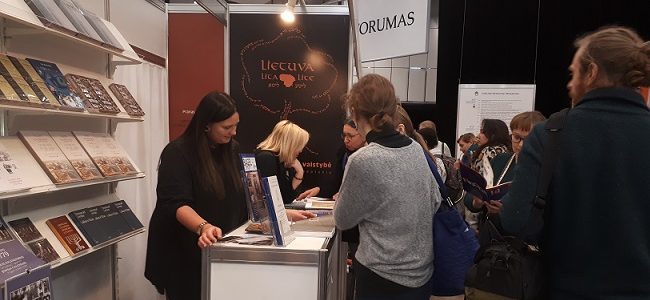
Almost 68,500 people visited the Vilnius Book Fair this year on its 20th anniversary. There were more than 550 events for visitors to chose from over four days. The Lithuanian Jewish Community had a table this year for the second year in a row presenting books published with partial support from the Goodwill Foundation.

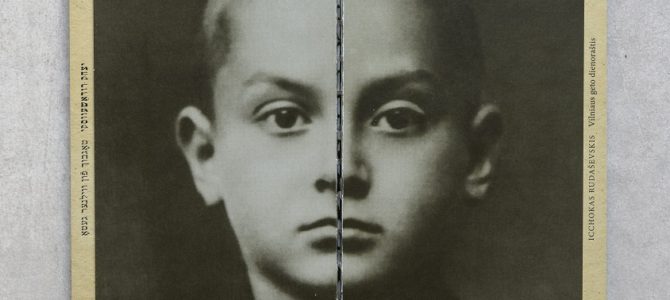
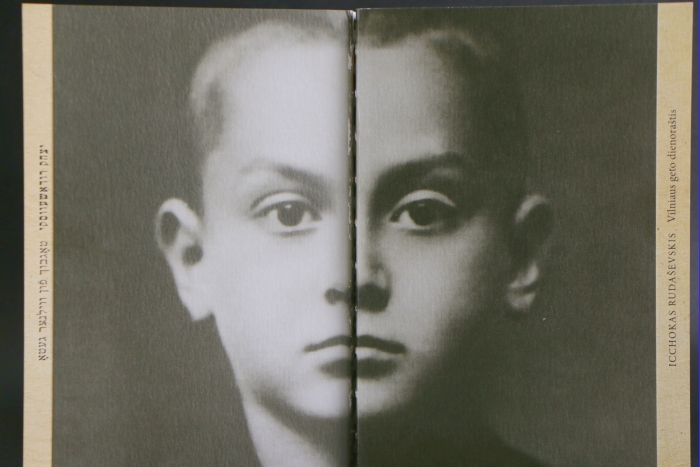
The table was extremely popular with visitors all four days. Some came to browse, others to talk about Jewish culture and share their memories. There was much interested in Yitzhak Rudashevski’s Vilnius ghetto diary recently published in Lithuanian translation. This book was recognized by the Vilnius Book Fair as one of the best-designed books of 2018. Readers also expressed interest in and bought Uri Leviatan’s From Hand to Hand and Ruth Reches’s Hebrew dictionary in Lithuanian, among others.

Those wishing to purchase these books and others are invited to come to the Goodwill Foundation at Pylimo street no. 4 in Vilnius or to visit the foundation’s internet store at https://gvf.lt/e-parduotuve/

Rudashevski Ghetto Diary Wins Main Prizes at Vilnius Book Fair

Rudashevski Ghetto Diary Wins Main Prizes at Vilnius Book Fair

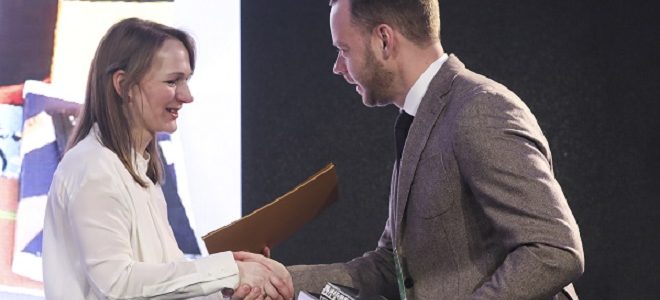
The Vilnius ghetto diary of Yitzhak Rudashevski, translated and published by the Lithuanian Jewish Community, has won the Book of the Year distinction at the annual Vilnius Book Fair currently being held in the Lithuanian capital.

Deputy minister for culture Gintautė Žemaitytė congratulated the designers and publishers, presenting them prizes and diplomas. The book was recognized as the best book in terms of design, taste and art for 2018. The Lithuanian Cultural Ministry has presented the prize annually 26 years now. Over 130 publications competed for the title this time.

Book designer Sigutė Chlebinskaitė won the main prize for sensitive aesthetics and holistic concept. Congratulations to Sigutė for her talent and for dedicating it to the boy from the Vilnius ghetto.

The LJC won in the category of publisher. We are so glad we were able to present this monument to the children of the Holocaust to the Lithuanian reader.

Irene Pletka Donates Million Dollars for YIVO Bund Collection Digitization

Irene Pletka Donates Million Dollars for YIVO Bund Collection Digitization

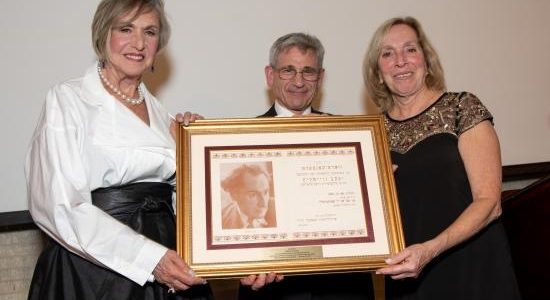
YIVO in New York has had a separate collection for the Jewish Bund since 1992. Recently they announced a project to digitize that collection to make it accessible to scholars and the public around the world. Vice-chairwoman of the YIVO board Irene Pletka initiated the project and announced she is donating one million dollars to the effort.

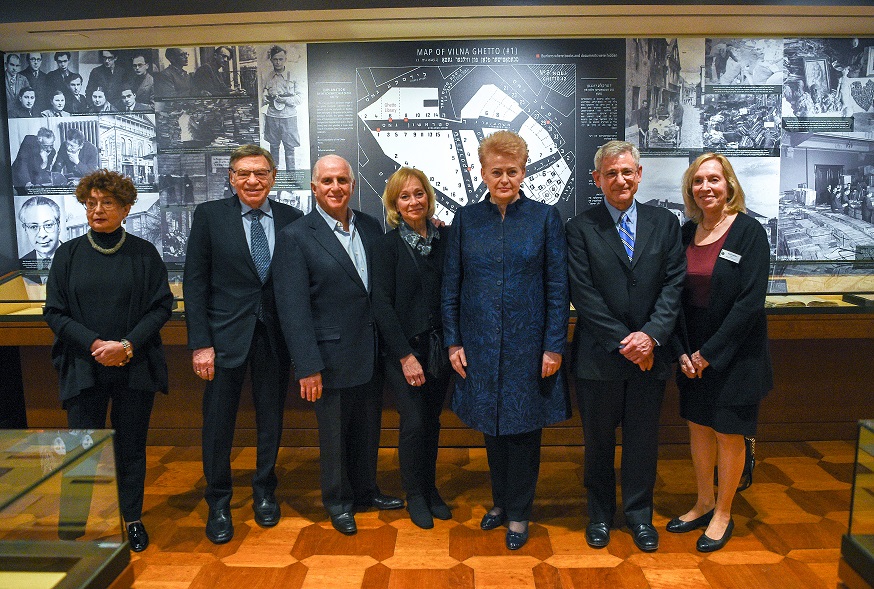
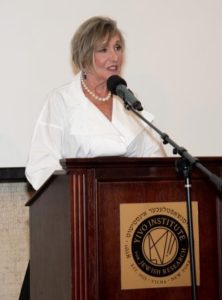
More than 150 people came to the YIVO gallery in New York to honor Pletka for her exemplary donation, inspirational generosity and extraordinary sense of duty in preserving Jewish history and culture. After the Bund project receives donations totaling from 2.5 to 3 million dollars the first phase of digitization will begin.

The Bund Jewish political party began in Vilnius in 1897 with a socialist democrat platform and pledge to fight pogroms. YIVO describes the part as a Jewish political party adhering to a social democrat ideology in the context of Jewish culture and seeking Jewish political autonomy. Political science professor Jack Jacobs at Cambridge University in New York says the Bund was the first Jewish political party in Eastern Europe. Bund ideology was aimed at the Jewish working class.

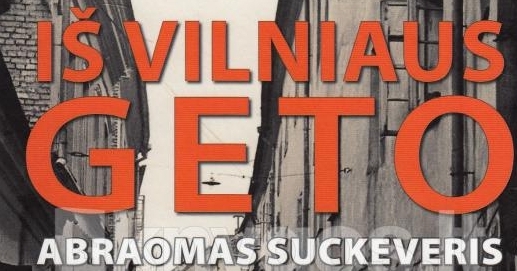
From the Vilnius Ghetto: Sutzkever’s Memoirs in Lithuanian

From the Vilnius Ghetto: Sutzkever’s Memoirs in Lithuanian

by Danielė Ūselytė

Abraham Sutzkever (1913-2010) was one of the most remarkable Yiddish poets in the 20th century, a Holocaust survivor, one of the leaders of the cultural resistance and in his memoirs “From the Vilnius Ghetto” provides a testimony of his authentic experience.

These texts were written immediately following the tragic events of World War II and were published in Moscow in 1946. These memoirs contain the living memories in the author’s mind and thus are a testimony of history. Feelings and states of mind are presented, indirectly, through specific situations, sometimes with irony, feelings of hopelessness, fear, debasement, but always the infinite desire to survive, to fight to the last breath. Resistance is supported by intense creativity in an extreme situation, in the belief its power will fortify human existence, and the historical narrative is based on this, demonstrating the possibility to write poetry in the tragic moment.

Full text in Lithuanian here.

Reflections in a Broken Mirror Exhibit Opens

Reflections in a Broken Mirror Exhibit Opens

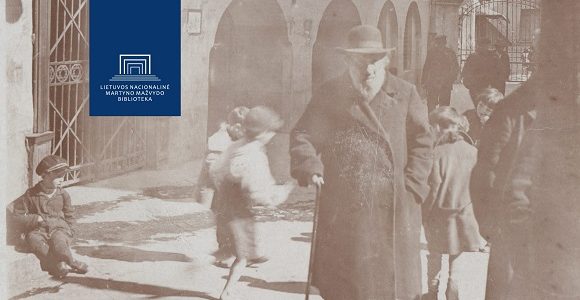
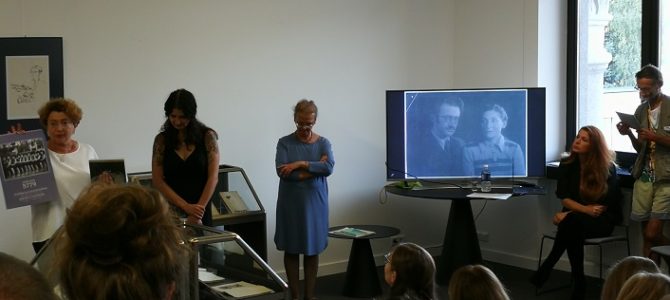
The exhibit Reflections in a Broken Mirror detailing Litvak life in the period between the two world wars opened at the Lithuanian National Martynas Mažvydas Library November 12. Judaica Research Center director Dr. Lara Lempert presented the exhibit, talking about Jewish social life, modern art, literature, books, reading culture, publishing and medicine in the interwar period. The rich collection of multimedia exhibits presents Lithuanian and Vilnius Jewish life including the social welfare and medical system, education, art, learning and literature. It also demonstrates the importance of the Lithuanian and Vilnius Jewish communities in the context of world Jewry.

Discussion on Prospects for Jewish Heritage Conservation

Discussion on Prospects for Jewish Heritage Conservation

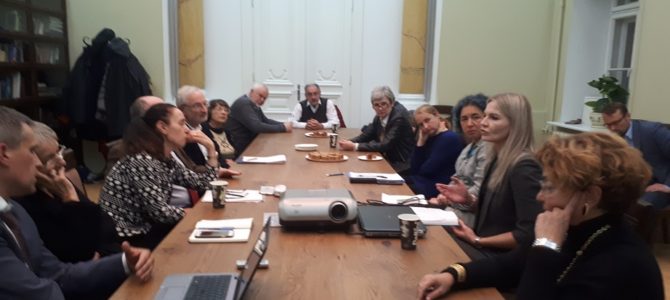
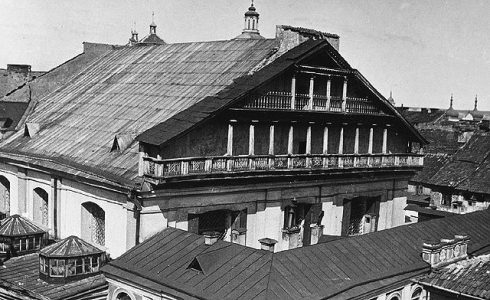
The Lithuanian Jewish Community held a discussion October 24 about Jewish heritage protection from the present till 2020, about the priority tasks and goals in the context of 2020 being named the Year of the Vilna Gaon and the Year of Litvak History. The discussion mainly focused on the former Great Synagogue in Vilnius and how to protect what remains of it.

LJC chairwoman Faina Kukliansky, members of the Community, US embassy adviser on political and economic matters Shai Moore and foreign members of the LJC’s own heritage group, including Lyudmila Sholokhova (YIVO), Assumpcio Hosta (AEPJ) and Sergey Kravtsov (Hebrew University), took part in the discussion.

Chairwoman Kukliansky reminded participants Jewish heritage is important to the Lithuanian state and everyone concerned with heritage conservation, as well as to Jews. Discussions have been going on for years about how to protect the Great Synagogue site, the LJC’s role in that process and what to do with the school there, under which archaeologists last summer unearthed a portion of the synagogue’s central bimah. The situation is complex concerning the site: the school was scheduled for demolition but this year it was leased for two years to several organizations. There is clearly a commercial interest in this special location, Kukliansky noted.

It’s difficult to find experts in Vilnius who could be asked how best to commemorate the Great Synagogue, so the arrival of the international group of heritage specialists, their participation in LJC meetings, their perspectives and discussion of these perspectives is an important event.

Neringa Latvytė-Gustaitienė, the head of the history department at the Vilna Gaon State Jewish Museum, said the Great Synagogue of Vilnius is not just a symbol belonging to Lithuania, but to all Jews of Eastern Europe. It is a priority heritage site but sadly there hasn’t been any break through in the cultural community on this issue, she added.

Meeting/Discussion “Prospects for Jewish Heritage in 2020”

You are invited to attend and speak at a meeting and discussion called “Prospects for Jewish Heritage in 2020: Major Tasks and Goals during the Year of the Vilna Gaon and Lithuanian Jewish History” at 5:30 P.M. on October 24 at the Lithuanian Jewish Community, Pylimo street no. 4, Vilnius.

Members of the LJC’s heritage protection group will attend, including Lyudmila Sholokhova from YIVO, Assumpcio Hosta from the AEPJ in Spain and Sergey Kravtsov from Hebrew University.

To register, contact renginiai@lzb.lt

Sutzkever Exhibit

The Judaic Studies Center of the Lithuanian National Martynas Mažvydas Library celebrated European Days of Jewish Culture with an exhibit called “Žaibo prisiminimas,” or “Memory of Lightning,” dedicated to the poet Abraham Sutzkever. The poet was a partisan and one of the first authors of memoirs of the Vilnius ghetto. Before the war he contributed to the flourishing of Yiddish literature in Jewish Vilnius; after he chronicled the death of Jewish Vilnius.

Sutzkever’s granddaughter Hadas Calderon, Lithuanian Jewish Community chairwoman Faina Kukliansky and Israeli ambassador Amir Maimon participated at the event.

Recommendations for Fighting Anti-Semitism and Romophobia in Lithuania, 2018

Attorney and Lithuanian Jewish Community chairwoman Faina Kukliansky on the project “Preparation and Publication of Recommendations for Fighting Anti-Semitism and Romophobia in Lithuania”:

I am truly glad the Lithuanian Jewish Community was given the opportunity to implement the EVZ project “Preparation and Publication of Recommendations for Fighting Anti-Semitism and Romophobia in Lithuania.” Appreciating the great importance and appropriateness of inter-institutional cooperation, the Community carried out the project with experienced and trusted partners: the Roma Social Center, the Lithuanian Human Rights Center, the Women’s Information Center and a specially formed group of experts.

Speaking of expressions of anti-Semitism in Lithuania, the positive changes are obvious. Celebrating 30 years since the restoration of our organization, the Lithuanian Jewish Community is experiencing a real, contemporary cultural renaissance. Our organization is stronger than it was, and interest in Jewish topics in Lithuania is greater than it has been ever. The Community has contributed at least partially, within our powers, to this positive breakthrough. Since 2013 we have been carrying out the Bagel Shop tolerance campaign which to the present has attracted more than 7,000 friends and followers on social media. The year 2017 also saw several important achievements in the field of human rights and the commemoration of historical truth: a jubilee March of the Living at the Ponar Jewish mass murder site, Lithuania’s adoption of the International Holocaust Remembrance Alliance’s definition of anti-Semitism, and the LJC taking the leadership position in the international memory campaign We Remember, which culminated in a commemoration of International Holocaust Remembrance Day at the Lithuanian Foreign Ministry with high state officials, members of the LJC and various public figures. In February of 2018 the Community published our Lithuanian translation of Yitzhak Rudashevski’s Vilnius ghetto diary. This publication, an authentic primary source on the history of the Holocaust, attracted great public interest, and we hope it will be accepted as an aid to teaching the Holocaust in the nation’s public schools and educational institutions.

Despite the evolving discussion by the public and the political class regarding these important issues, the fight against discrimination continues. The history of Lithuanian Jews, spanning 700 years, is still not integrated appropriately in the Lithuanian educational system, the Lithuanian experience of the Soviet occupation is often equated with the Holocaust and the internet is full of expressions of hate directed against Jews as well as Romani.

I am convinced the successful implementation of this project will contribute significantly to the further expansion of human rights and the fight against anti-Semitism and Romophobia, and to encouraging dialogue between distinct communities who share similar problems and institutions in the state and non-governmental sectors.

Recommendations 2018

Happy Birthday to Sora Voloshin Kalavitch


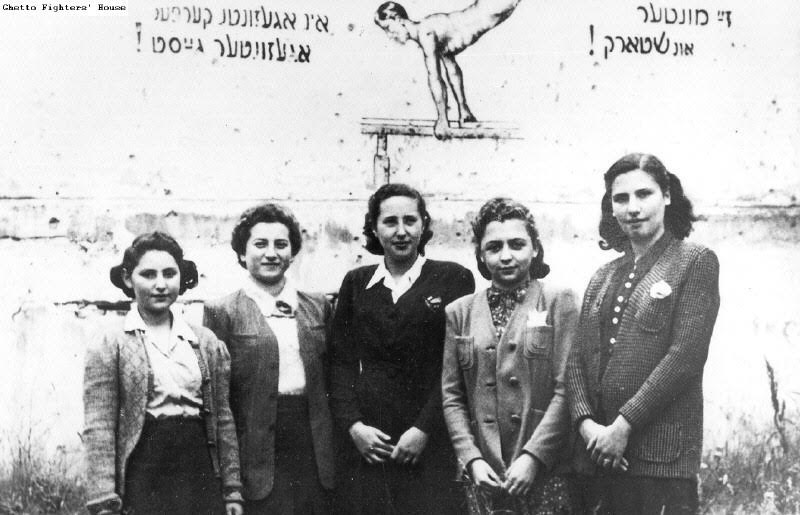
Sora first on left.

The Lithuanian Jewish Community wishes Sora Voloshin a very happy birthday, good health and to be surrounded by the strong love of family. Mazl tov! Biz hundert azoi ve tsvantsik!

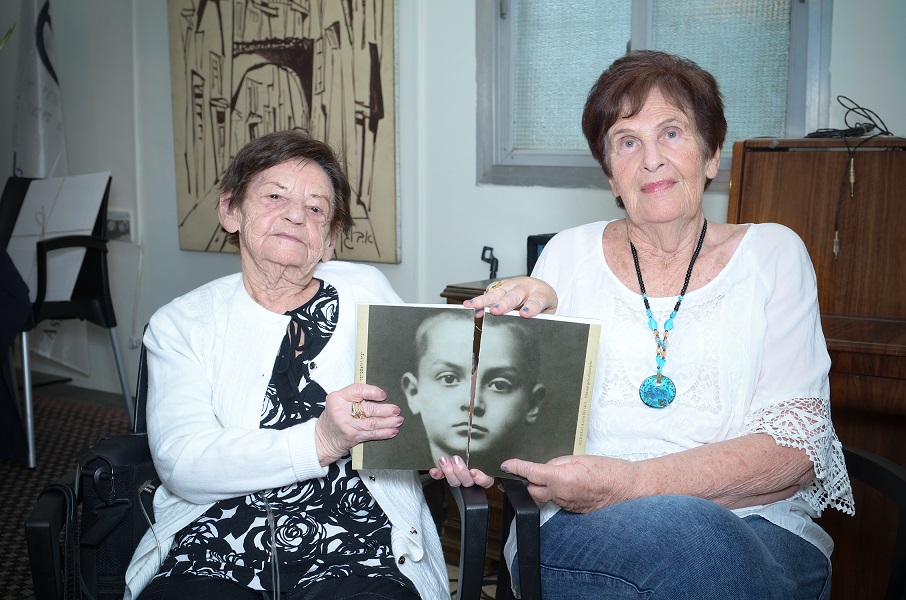
Yitzhak Rudashevski’s cousin Sora survived the Holocaust while Yitzhak and his family were murdered at Ponar. She ran away when they were being taken to Ponar. After the war she went back to the place the Rudashevski family hid, found Yitzhak’s diary and loaned it to Abraham Sutzkever for use as an exhibit in the ill-fated post-war Jewish Museum in Vilnius.

The Lithuanian Jewish Community published a Lithuanian translation of the Yiddish diary this year as we approach the 75th anniversary of the liquidation of the Vilnius ghetto.

YIVO Director Jonathan Brent Visits Vilnius

YIVO executive director and CEO Jonathan Brent led a delegation visiting Vilnius earlier this week. The Lithuanian Jewish Community cherishes our long-term cooperation and meaningful work with YIVO in preserving the Jewish cultural heritage in Lithuania and the world. We thank the United States embassy for their invitation to attend a reception for Jonathan Brent.

March of the Living 2018 at Ponar

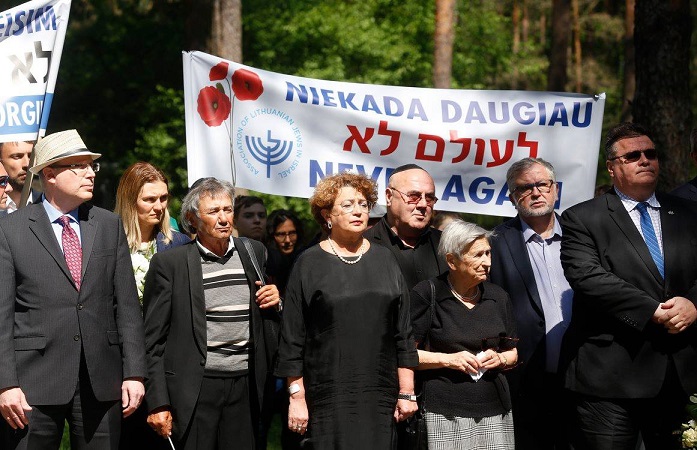
For the eleventh time now in Lithuania the March of the Living walked the route from the Ponar train station to the Ponar Memorial Complex to commemorate the Jews murdered there. Among the marchers were Lithuanian Jewish Community chairwoman Faina Kukliansky, Kaunas Jewish Community chairman Gercas Žakas, Panevėžys Jewish Community chairman Gennady Kofman and Švenčionys Jewish Community chairman Moshe Šapiro. Other participants included Lithuanian foreign minister Linas Linkevičius, Lithuanian ambassador to Israel Edminas Bagdonas and Israeli ambassador to Lithuania Amir Maimon, as well as members of the Lithuanian Jewish Community, students from the Sholem Aleichem ORT Gymnasium, members of the Association of Lithuanian Jews in Israel and Holocaust survivors Fania Brancovskaja and Sameul Bak.

The Lithuanian foreign minister, the Israel ambassador, representatives of the Vilnius mayor’s office, the LJC and former ghetto and concentration camp prisoners among others laid wreaths at a monument in the center of the Ponar Memorial Complex to the accompaniment of violin music.

Fania Brancovskaja spoke: “Ponar was a murder machine where from 1941 to 1943 before Vilnius was liberated from Nazi occupation murder was carried out continuously. Seventy-thousand Jews were murdered in Ponar just because they were Jews, all that remains of them is ashes mixed with sand. Not many of us are left, but we are here. I am one of those who went through the entire ghetto and please, do not forget them. As long as we live, we ask you to pass on the information to your children, grandchildren and great-grandchildren so that they do not forget the victims who died.”

Lithuanian Translation of Rudashevski Diary Presented in Tel Aviv


Photo: Milda Rūkaitė

The Beit Vilna association of Litvak survivors from Vilnius hosted a presentation of the new Lithuanian translation of Yitzhak Rudashevski’s Vilnius ghetto diary in Tel Aviv May 16. Rudashevski’s two surviving cousins Sora Voloshin and Golda Rudashevsky attended the event. Voloshin escaped while her family and Ytizhak and his parents was being sent to Ponar to be executed. She later found the diary written in school notebooks in the ruins of a location where the Rudashevski family hid.

The Lithuanian translation was the initiative of the Lithuanian Jewish Community. LJC chairwoman Faina Kukliansky and Lithuanian ambassador to Israel Edminas Bagdonas attended the event in Tel Aviv, as did Beit Vilna director Miki Kantor and Arie Ben-Ari Grozdensky, the chairman of the executive board of the Association of Lithuanian Jews in Isrsael.

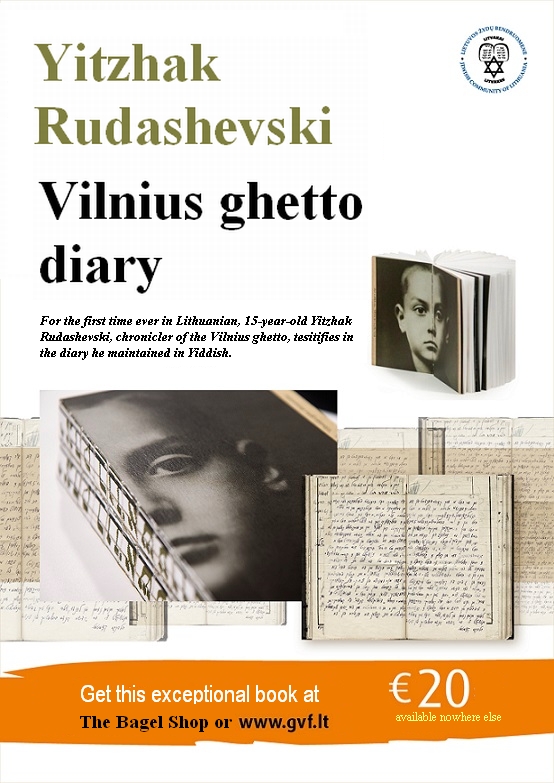
Rudashevski’s diary is one of only a few Holocaust chronicles recorded as events happened, and one of even fewer such diaries written by children. He wrote the diary in Yiddish. The Lithuanian edition contains the same Yiddish text in the second half of the book.

Public Launch of Rudashevski Vilnius Ghetto Diary at LJC

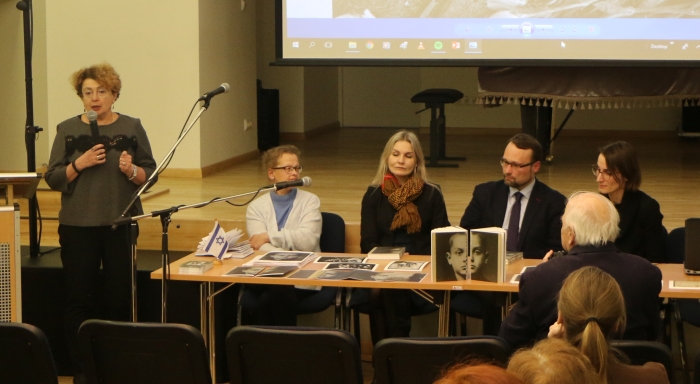
The Lithuanian Jewish Community hosted a second, more public launch of the new Lithuanian translation of the Yitzhak Rudashevski Vilnius ghetto diary Tuesday, following last month’s and exclusive initial presentation at the Vilnius Book Fair.

Rudashevski was 14 when he and his parents were imprisoned in the Vilnius ghetto. He celebrated his 15th birthday there. The family hid during the ghetto liquidation, were discovered and then murdered, presumably at Ponar outside Vilnius. Over the last two decades Rudashevski’s diary has emerged as one of a handful of testimonies by children. It was initially published in extracts in the original Yiddish in Israel, and then in English in 1973. An older and newer French translation ha4xandra Zapruder’s books about children in the Holocaust and in a documentary on the same topic aired on MTV.

Rudashevski Vilnius Ghetto Diary Presentation March 27

The literary monument of a fifteen-year-old chronicler of the Jewish ghetto to the suffering of the Holocaust, Yiddish culture, the will to survive and hope. For those who haven’t yet had a chance to learn about the Vilnius ghetto diary of Yitzhak Rudashevski, we invite you to come to the Lithuanian Jewish Community at 6:00 P.M. on March 27, 2018, for a public books launch. Participants: LJC chairwoman Faina Kukliansky, translator Dr. Mindaugas Kvietkauskas, designer Sigutė Chlebinskaitė, Holocaust historian Neringa Latvytė-Gustatienė. Dr. Lara Lempert will serve as moderator.

Senator Durbin Visits Exhibit “One Century out of Seven: Lithuania, Lite, Lita”

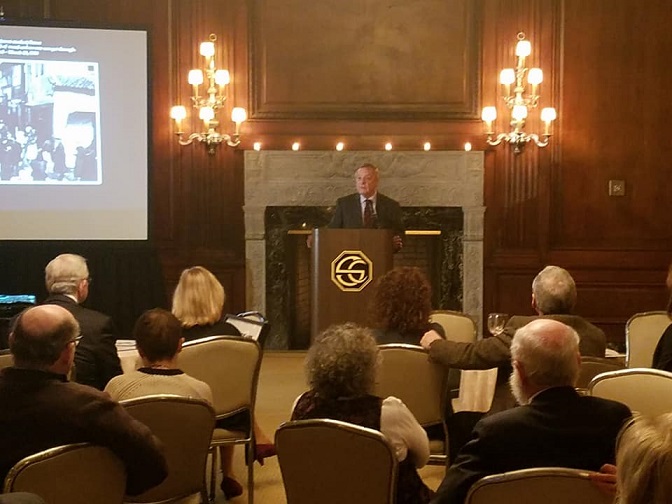
The mobile exhibit “One Century of Seven: Lithuania, Lite, Lita” created by the Lithuanian Foreign Ministry and the Lithuanian Jewish Community has gone on display at the Chicago Culture Center. The ceremony held jointly by YIVO and the Lithuanian consulate in Chicago honored senator Dick Durbin (D-Illinois) for his efforts including the return of Torah scrolls and YIVO archives. Durbin is the most influential Lithuanian-American in American politics. His mother Anna Kutkin aka Ona Kutkaitė hailed from Jurbarkas.

The exhibit illustrates the history of the Jews of Lithuania from their arrival in the Lithuanian Grand Duchy in the 13th century until today. Creators of the exhibit Pranas Morkus and the designer Victoria Sideraitė-Alon were able to show exceptional details in Jewish relations with local inhabitants of other ethnicities and to showcase important Litvaks.

Many Litvaks live in America and many visited the exhibit.

Rudashevski’s Ghetto Diary Now in Lithuanian

Books link us to freedom, books connect us to the world.
–Yitzhak Rudashevski, December 13, 1942, Vilnius.

Teaching the Holocaust to children is a difficult matter. At what age is it appropriate to expose children to man’s greatest inhumanity to man and the horrible atrocities which took place throughout Europe, culminating in the calculated genocide of millions of people? The Maus comic book was one approach, but children aren’t stupid and they get the full impact of the horror anyway, despite the window dressing.

Teaching adults the Holocaust can be just as problematic. A large body of Holocaust literature including straight histories, survivors’ testimonies and even theological works, not to mention a signficant cinematic canon, can lead to burn-out quickly, the Holocaust hangover syndrome. It is too much to take in all at once, the mind rebels.

Some Holocaust commemoration projects and museums have recognized the old maxim, that a picture is worth a thousand words, and often an object–an abandoned shoe, a lost set of house keys, a broken doll–speaks louder to the soul of the visitor than any text, photograph or video.

The Return of Samuel Bak

by Markas Petuchauskas

Now that some time has passed since the opening of the Samuel Bak museum, I would like to look back. To remember how this world-famous painter’s return to Lithuania began. To remember what I experienced. And these experiences date back to 1943.

Bak was probably never more open about himself than in the introduction to the Lithuanian translation of his book Painted in Words. He tells how Vilnius “tortured” him, how he sought to forget the city and was never able to do so. For more than half a century the artist placed a taboo on thoughts of Vilnius. On the city of his happy childhood and the land drenched in the blood of his family, where he would never set foot again.

I dare say one of the first unexpected reminders of Vilnius after sixty years was Pinkas. It is very nice that Bak was reminded of Pinkas in 1997 in the Lithuanian magazine Krantai (not speaking the language, the artist believed incorrectly this was a publication from the Lithuanian Ministry of Culture). The special third issue of the magazine, this was a publication by the Lithuanian Jewish Cultural Club which I founded in 1994. The magazine was set up at my initiative using club funds, and was intended to commemorate the Vilnius ghetto theater during International Art Days. Lithuanian National Museum employee Simona Likšienė wrote about the pinkas conserved at the museum in the magazine and included the title page.

Rudashevski Diary Published in Lithuanian

Knygų mugėje – penkiolikmečio Vilniaus geto kalinio palikimas

The diary of Yitzchak Rudashevski written in the Vilnius ghetto and providing an eye-witness account by the young man has been translated into Lithuanian and is to be launched at the Vilnius Book Fair Sunday. Although Rudashevski was only 14 when he began the diary, many who have read the book in the original Yiddish, English and other languages say he displays both incredible talent as a writer and a wisdom beyond his years. He was murdered at Ponar in late 1943. The original diary is conserved by YIVO with copies made available to other institutions and archives.

The Lithuanian Jewish Community invites everyone to read and learn about the Rudashevski ghetto diary.

The book is to be launched at 11:00 A.M. on Sunday, February 25, 2018, in conference room 1.2 at the Vilnius Book Fair.

LJC chairwoman Faina Kukliansky, Yiddish translator Dr. Mindaugas Kvietkauskas, Sigutė Chlebinskaitė, Jewish partisan Fania Brancovskaja and Akvilė Grigoravičiūtė are to attend the launch.

Tens of Thousands of Jewish Documents Lost during Holocaust Discovered in Vilnius


YIVO announces the discovery of 170,000 Jewish documents thought to have been destroyed by the Nazis. Photo: Thos Robinson/Getty Images for YIVO

NEW YORK (JTA)–A trove of 170,000 Jewish documents thought to have been destroyed by the Nazis during World War II has been found.

On Tuesday the New York-based YIVO Institute for Jewish Research announced the find which contains unpublished manuscripts by famous Yiddish writers as well as religious and community documents. Among the finds are letters written by Sholem Aleichem, a postcard by Marc Chagall and poems and manuscripts by Chaim Grade.

YIVO, founded in Vilnius in what is now Lithuania, hid the documents, but the organization moved its headquarters to New York during World War II. The documents were later preserved by Lithuanian librarian Antanas Ulpis who kept them in the basement of the church where he worked.

Most of the documents are currently in Lithuania but 10 items are being displayed through January at YIVO, which is working with Lithuania to archive and digitize the collection.

“These newly discovered documents will allow that memory of Eastern European Jews to live on, while enabling us to have a true accounting of the past that breaks through stereotypes and clichéd ways of thinking,” YIVO executive director Jonathan Brent said Tuesday in a statement.

United States Senate minority leader Charles Schumer, democrat from New York state, praised the discovery.

“Displaying this collection will teach our children what happened to the Jews of the Holocaust so that we are never witnesses to such darkness in the world again,” Schumer, who is Jewish, said in a statement.

Israeli consul general in New York Dani Dayan compared the documents to “priceless family heirlooms.”

“The most valuable treasures of the Jewish people are the traditions, experiences and culture that have shaped our history. So to us, the documents uncovered in this discovery are nothing less than priceless family heirlooms, concealed like precious gems from Nazi storm troopers and Soviet grave robbers,” he said.

Full story here.