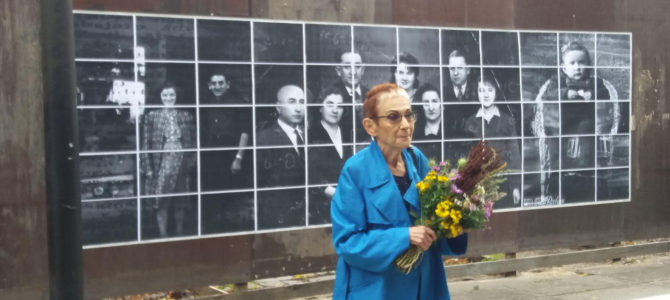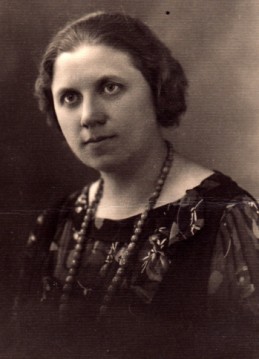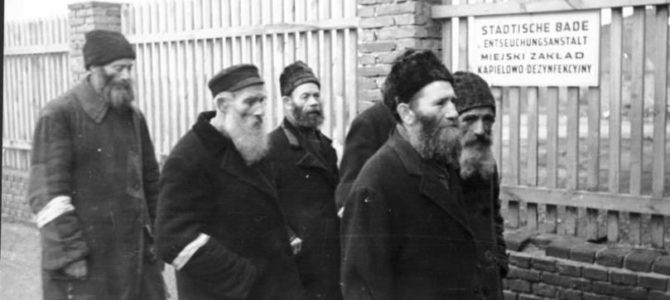
Jews in the Radom ghetto, May, 1941. Photo courtesy German Bundesarchiv.
by Ieva Elenbergienė
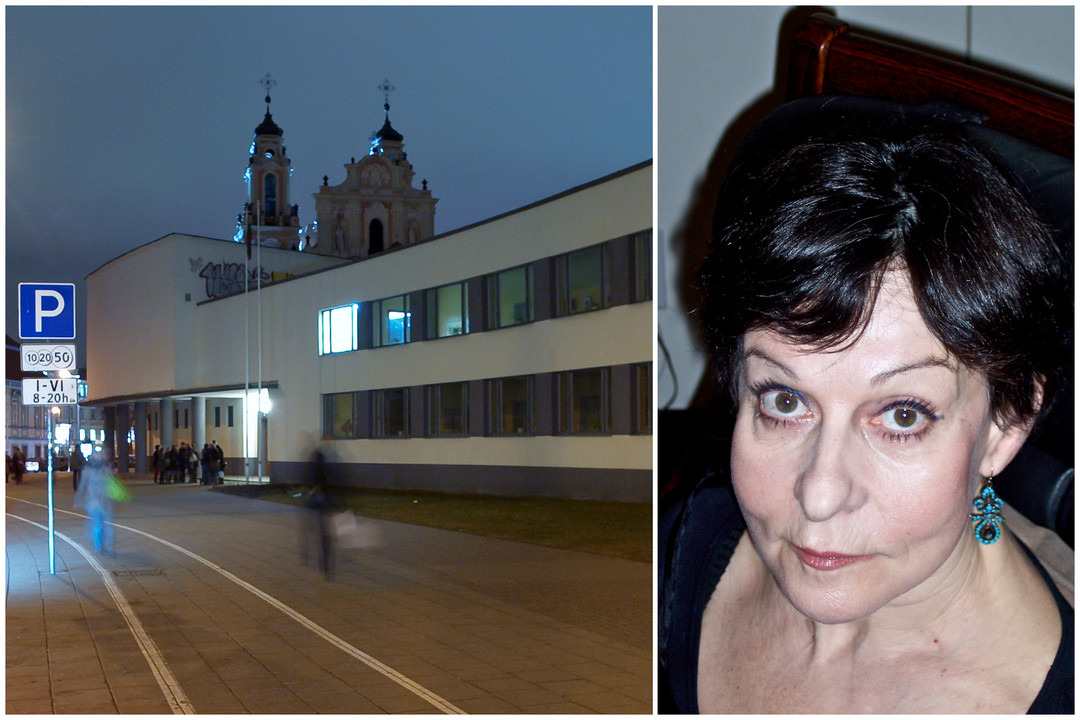
“The Holocaust is not just a horrible story which happened a long time ago and to someone else. If we want humanity never to experience genocide again, we must understand that this is our history, not just ‘theirs,’ which happened not ‘somewhere’ but right here, to us,” political science professor Dovilė Budrytė said during our interview. Budrytė teaches at Georgia Gwinnett College, part of the higher education system of the US state of Georgia, which awarded her for best teaching within the state college and university system. Her list of publications includes books on traumatic experience, memory and multiculturalism.
Presenting the events of history in a human context, they become closer to us, they become visible through the prism of personal experience. So in teaching the Holocaust, is it possible to speak very emotionally about human nature?
“Now, as the world faces war and ecological crises, it’s popular to research how people act in catastrophes, how they resist, how human dignity is preserved. The history of the Holocaust is the basis for so-called resilience studies. It’s interesting to look at, for example, how some Jews entered into armed resistance while others were passive, believing they needed to be patient and wait for the situation to improve. But how would I act in that sort of situation? What does it mean to be not just a victim or a perpetrator, but an observer? After all, that category of people was the largest in Lithuania during the Holocaust. Is the role of witness innocently guilty? This is a very broad question which applies today to us as well. In the US, for example, we and the students talk about elected senators and presidents whose policies, let’s say, some people really don’t like and even seem threatening. The students think about ‘what will I specifically do now? Will I even lift a finger? What must happen for me to act? And what will I do? And why?'”