
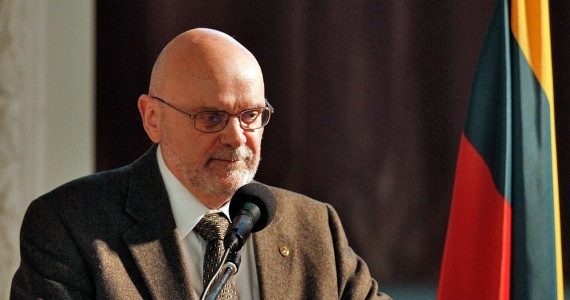
Interview by Ieva Elenbergienė
Professor emeritus of history at Millersville University Saulius Sužiedėlis explains the Nazis didn’t need gas chambers in Lithuania. While 40 percent of Holocaust victims were murdered in gas chambers, this wasn’t the case in Lithuania, where the Nazis discovered sufficient man-power for mass murder. Although there were informal attempts to stop the violence in Lithuania, Dr. Sužiedėlis says there was no universal condemnation, nor public statements against by authorities. Church officials were also silent. Sužiedėlis says we must stop denying ugly things and look our past squarely in the face.
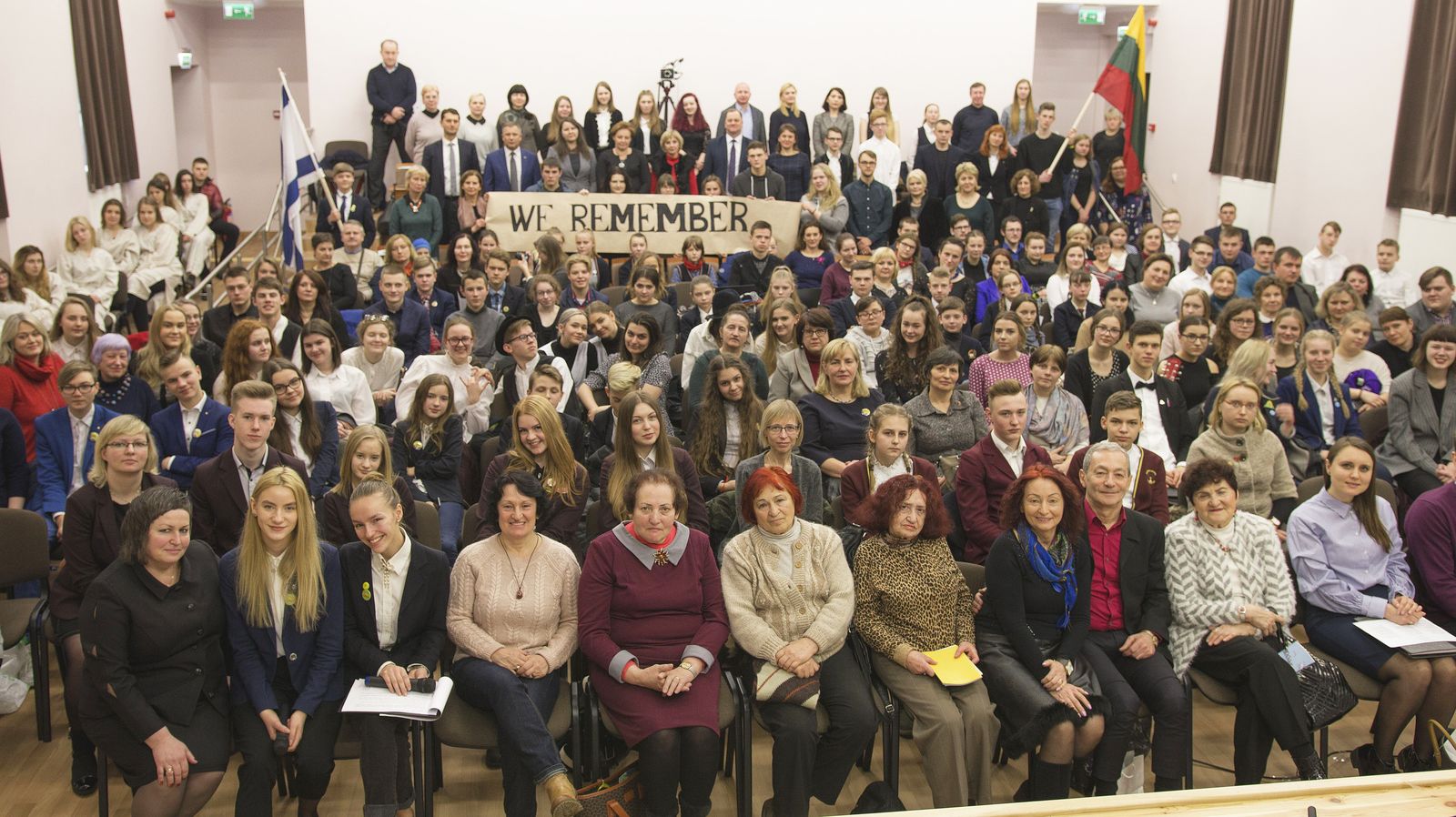
At the end of November Saulius Sužiedėlis was invited by the Lithuanian Jewish Community to speak at the conference #AtmintisAtsakomybėAteitis held in Vilnius.
When people are talking publicly and the topic turns to Lithuanian collaboration in the Holocaust, there is often a defensive reaction expressed as an attack on Jews: “But they did this and this and that to us!”
It’s not just characteristic of us, the human reaction of trying to place guilt on others. For instance, in the USA for a long time the destruction of the Indians was completely ignored, there was talk of the wars of the Wild West, but new studies show these so-called Indian wars were in many cases nothing more than the massacre of peaceful local residents. Of course some people didn’t like this, and accusations came up, for example, “But what did they do to the cowboys?” and so on. I personally, though, have no concern about what Jews have done. I’m concerned with what Lithuanians have done. Of course there were Jews, just as there were Lithuanians and Russians, who were involved in deportations. What does that have in common with, let’s say, Jewish children murdered in Telšiai? I don’t feel personal shame–I wasn’t even born yet–but I do feel a kind of collective shame, that people of my ethnicity were able to act this way in this Catholic, religion-practicing country.