Announcements

Rabbi Kalev Krelin Invites Public to Teaching on Kosher Rules and Business in Judaism

This Saturday you are invited to an after-lunch tea and Judaism lesson/discussion with Rabbi Kalev Krelin.

From 2:00 to 2:30 P.M. will be the ABCs of Judaism for Beginners, a half hour of intense learning about the rules of kosher food, an explanation of prayers before different kinds of food and more. It’s important not to be late to this part of the teaching.

From 2:30 to 4:00 P.M. we’ll have a discussion and teaching about business in Judaism. You’re invited to ask questions, learn interesting facts and take one step closer to becoming a real expert on Judaism.

Languages: English and/or Russian, depending on audience.

Registration is not necessary but would be appreciated. It will help us decide which language to use. You can register here:

http://apklausa.lt/f/business-in-judaism-verslas-judaizme-qwvqala/answers/new.fullpage

For more information, contact infolujs@gmail.com

https://www.facebook.com/events/1248023268604192/
https://www.facebook.com/groups/296000767119214/

Academic Conference at Ninth Fort in Kaunas

The Ninth Fort Museum in Kaunas is holding an academic conference called Lokalinė Holokausto raidos analizė nacių okupuotuose Rytų ir Vakarų Europos valstybėse [Local Analysis of the Development of the Holocaust in the Nazi-Occupied States of Eastern and Western Europe]. The conference is scheduled for October 27 and 28 at the Best Baltic Kaunas Hotel, Mickevičiaus street no. 28, Kaunas.

Ethical Will of Leonidas Donskis: Kaddish for Butrimonys

img_17_105
photo courtesy Milda Jakulytė-Vasil

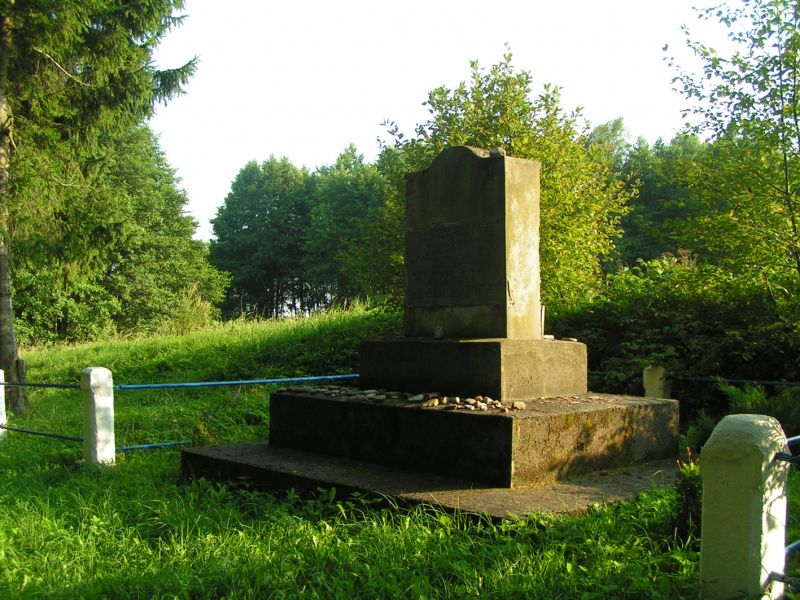
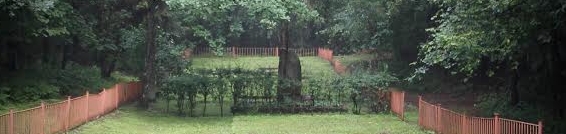
In line with the expressed wish of the recently deceased Lithuanian philosopher and author Leonidas Donskis, a group will assemble in the Lithuanian town of Butrimonys Sunday, October 23, to say kaddish for the Jewish community murdered there in 1941.

“I would be happy, if while I am still alive, something similar would happen in Butrimonys… I feel a moral obligation to say kaddish there with Jews,” Donskis said in an interview on Delfi TV on July 31, 2016. The interview in Lithuanian is available here.

Kaddish will be performed by Lithuanian Jewish opera soloist Rafailas Karpis.

Time: 3:00 P.M. to 4:00 P.M., Sunday, October 23, 2016
Location: Jewish mass grave site in Butrimonys, Lithuania

Mini-Limmud 2016

The LJC and the EJF Mini-Limmud educational conference on Judaism will take place November 25 to 27, 2016, at the Trasalis resort and spa in Trakai near Vilnius, Lithuania. Participants must register between October 19 and 28. For more information contact Žana Skudovičienė, telephone +370 678 81514, email mini.limmud@gmail.com

Happy Sukkot!

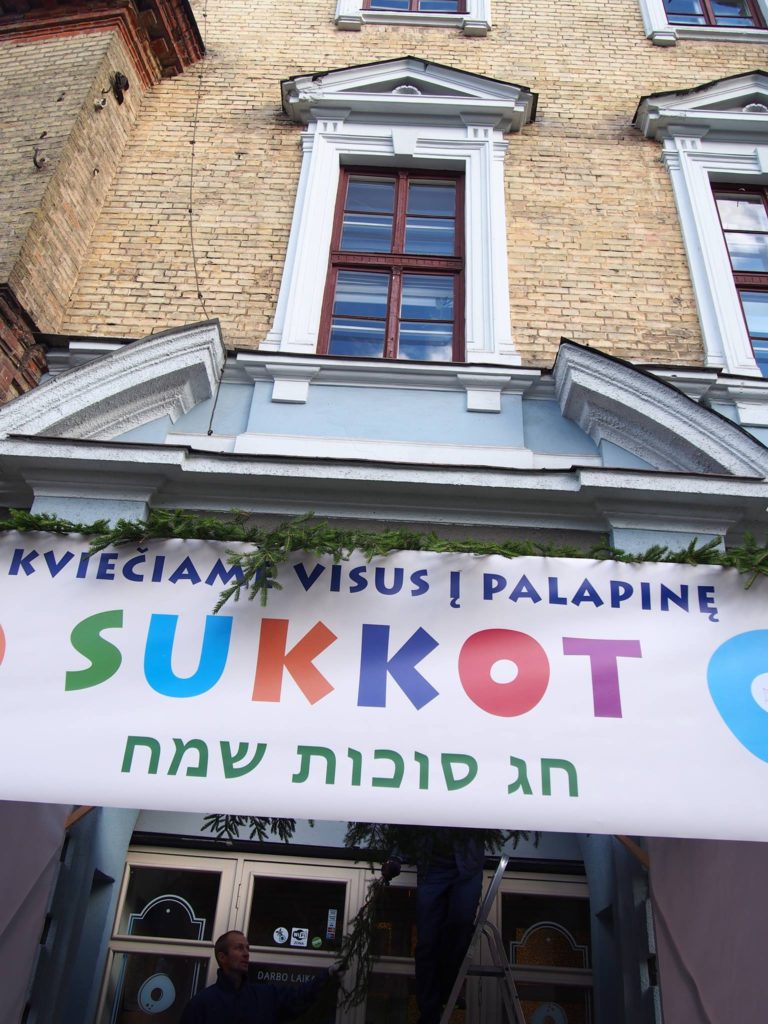
sukkot-lzbSukkah at Bagel Shop Café on central Pylimo street in Vilnius

Sukkot, the Jewish feast of tents which is often translated in English as the feast of tabernacles, begins on the evening of October 16 this year, or Tishrei 15 on the Jewish calendar. A booth is built for Sukkot called a sukkah where for seven days the family has dinner, children play and as much time as possible is spent. That’s how it works in warmer climates, and today there are sukkah houses outside homes across Israel. Many Jews build the shelters in their yards or even on apartment balconies.

Why spend time in temporary shelters? The answer comes from Leviticus (Vaikra) 23:42-43: “Ye shall dwell in booths seven days; all that are Israelites born shall dwell in booths: That your generations may know that I made the children of Israel to dwell in booths, when I brought them out of the land of Egypt: I am the Lord your God.”

It’s traditional to place the four species or arba minim in the tent or booth during the holiday. These are the etrog (a specific kind of citrus fruit), and branches from palm trees, willows and myrtle trees. Leviticus 23:40: “And ye shall take you on the first day the boughs of goodly trees, branches of palm trees, and the boughs of thick trees, and willows of the brook; and ye shall rejoice before the Lord your God seven days.” The branches and fronds are traditionally used to decorate the booths and waved during the holiday.

Jews often take their evening meal in the shelter and recall the flight of their people from Egypt. However you choose to celebrate the holiday, the Lithuanian Jewish Community wishes you and your family a happy Sukkot!

sukkot3

Israeli Embassy to Present Awards to 3 Lithuanian Righteous Gentiles in Kaunas

The Israeli embassy in Vilnius is holding a ceremony to honor and award three Righteous Gentiles October 21 in Kaunas. The ceremony will confer the Yad Vashem title of Righteous among the Nations upon Antanas Blažaitis (1897-1949), his wife Adelė Blažaitienė (1903-1988) and their daughter Valentina Eugenija Blažaitytė Liutikienė (1927-1993). The Yad Vashem medals and certificates are being awarded posthumously and will be accepted by their children, grandchildren and great-grandchildren. The ceremony is scheduled for 1:00 P.M. on Friday, October 21, at the Kazys Grinius Pre-Gymnasium, Šiaurės prospect No. 97, Kaunas. Those who wish to attend should contact the Israeli embassy before October 20, telephone +370-5-2502510, fax +370-5-2502555, email press@vilnius.mfa.gov.il

Rules for the Vilnius Jewish Religious Community’s Taharat ha’Kodesh aka Choral Synagogue

Vilniaus žydų religinės bendruomenės Taharat ha‘Kodeš sinagogos taisyklės

Adopted by a meeting of the executive board of the Vilnius Jewish Religious Community on September 22, 2016, act no. 06

Introduction

The rules have been put in place in light of ever-more-frequent attacks against Jews in Europe and the growing danger posed by terrorism around the world. These rules must be followed strictly and are aimed at insuring the physical safety and spiritual dignity of those who pray at the Taharat ha’Kodesh aka Choral Synagogue.

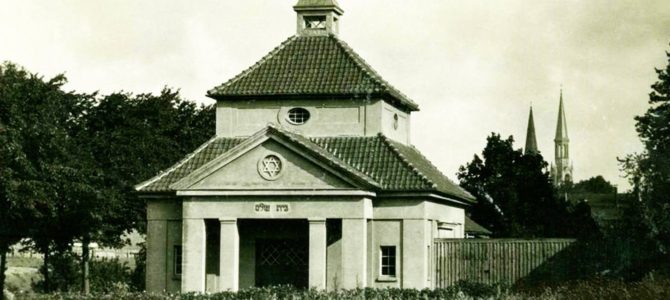
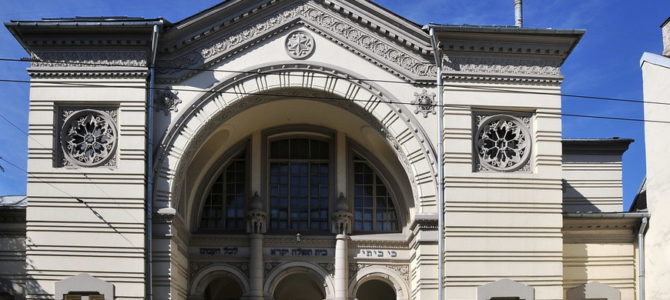
The mitnagedim Taharat ha’Kodesh synagogue, built in 1903 and belonging to the Vilnius Jewish Religious Community, is the only synagogue in Vilnius which has survived the Holocaust and the Soviet occupation.

Every Jew has the right to visit and pray at the Taharat ha’Kodesh synagogue on the condition she or he follow the rules provided below.

Rules of Behavior at the Taharat ha’Kodesh Synagogue

1. The synagogue is public place of worship where the proper human respect for the site and the congregation is shown.

2. All synagogue activities, prayer and services are based on mitnagedic traditions.

3. Public order must be maintained during all prayer services and afterwards in the synagogue. Public order means the general rules of public behavior operating in society based on principles of morality and mutual respect.

4. Adherence to these rules insures the normal course of life in society, tolerant communication, civilized manners of resolution of conflicts arising between people and abstinence from aggression in pursuing individual interests. The following are banned in the synagogue: rude or belligerent behavior, issuing threats, demonstrating disrespect to those around you or the location itself through mockery or acts of vandalism, disturbing the public order and peace, use of profanity or lewd behavior, disrupting services, making noise or otherwise disturbing prayer.

5. Prayer services are performed exclusively in one of the halls, rooms and spaces of the synagogue.

6. A person who wants to make a public address at the synagogue must receive permission to do so from the rabbi working at the synagogue.

7. Personal arguments as well as arguments over the performance of prayers and other religious rites are banned in the synagogue. Suggestions on the performance of prayers and other religious rites may be discussed with the rabbi only when prayer and other religious rites are not happening. These rules also apply to the Kiddush and lecture room.

8. The opening and closing times of the synagogue are set by the executive board of the Vilnius Jewish Religious Community and are publicly announced. Security and technical personnel are hired and their working hours are set based on these times. In special circumstances they may be subject to the discretion of the chairman of the Vilnius Jewish Religious Community.

9. The person reading the Torah, leading the prayer service, is designated and hired by the chairman of the Vilnius Jewish Religious Community with the approval of the executive board of the Vilnius Jewish Religious Community. All people in the synagogue during that time must adhere to this established order.

10. People visiting the synagogue must be dressed appropriately. For men, that means wearing a yarmulke (kippah), a hat or a scarf to cover their head. Mobile or cell telephones are prohibited during prayer.

11. People armed with firearms or other weapons, or items which could be used as weapons, are not allowed to enter the synagogue (except for security guards). Also, intoxicated people or people arousing suspicion are not allowed to enter. It is also forbidden to bring in bags containing food products and larger packages (backpacks, purses, suitcases, luggage or other packages). These must be left with the person on duty at the entrance.

12. Without permission from the chairman of the Vilnius Jewish Religious Community, it is forbidden to hold meetings, protests and rendezvous in the synagogue, or to set out a table with food, or to engage in commercial activity.

13. Members of the congregation and visitors to the synagogue are required to obey the directions of the chairman, elder and security personnel operating in the name of the executive board of the Vilnius Jewish Religious Community.

14. People who violate these rules are asked to leave the synagogue and might be barred from entry in the future. Violation of public order and other actions prohibited by the laws of the Republic of Lithuania could also incur legal accountability.

15. The keys to the synagogue and entry to all communication are protected and managed by the chairman of the Vilnius Jewish Religious Community.

16. All people inside the synagogue must obey the orders of security personnel. The security guard is equivalent to the person in charge of performing the functions of public administration.

Shmuel Levin, chairman
Vilnius Jewish Religious Community

Greater Security Measures in Vilnius Following Terrorist Attack at Moscow Synagogue

maskvos-sinagoga

The Lithuanian Jewish Community is alarmed by the armed terrorist attack at a synagogue in Moscow on October 1 and in order to insure greater security has announced a set of rules for the Choral Synagogue in Vilnius, in light of ever-more-frequent attacks against Jews in Europe and the increasing danger posed by terrorism around the world. These rules must be followed strictly and are aimed at insuring the physical safety and spiritual dignity of those praying at the Taharat ha’Kodesh (aka Choral) Synagogue in Vilnius. The rules may be found here: http://www.lzb.lt/en/2016/10/07/rules-for-the-vilnius-jewish-religious-communitys-taharat-hakodesh-aka-choral-synagogue/

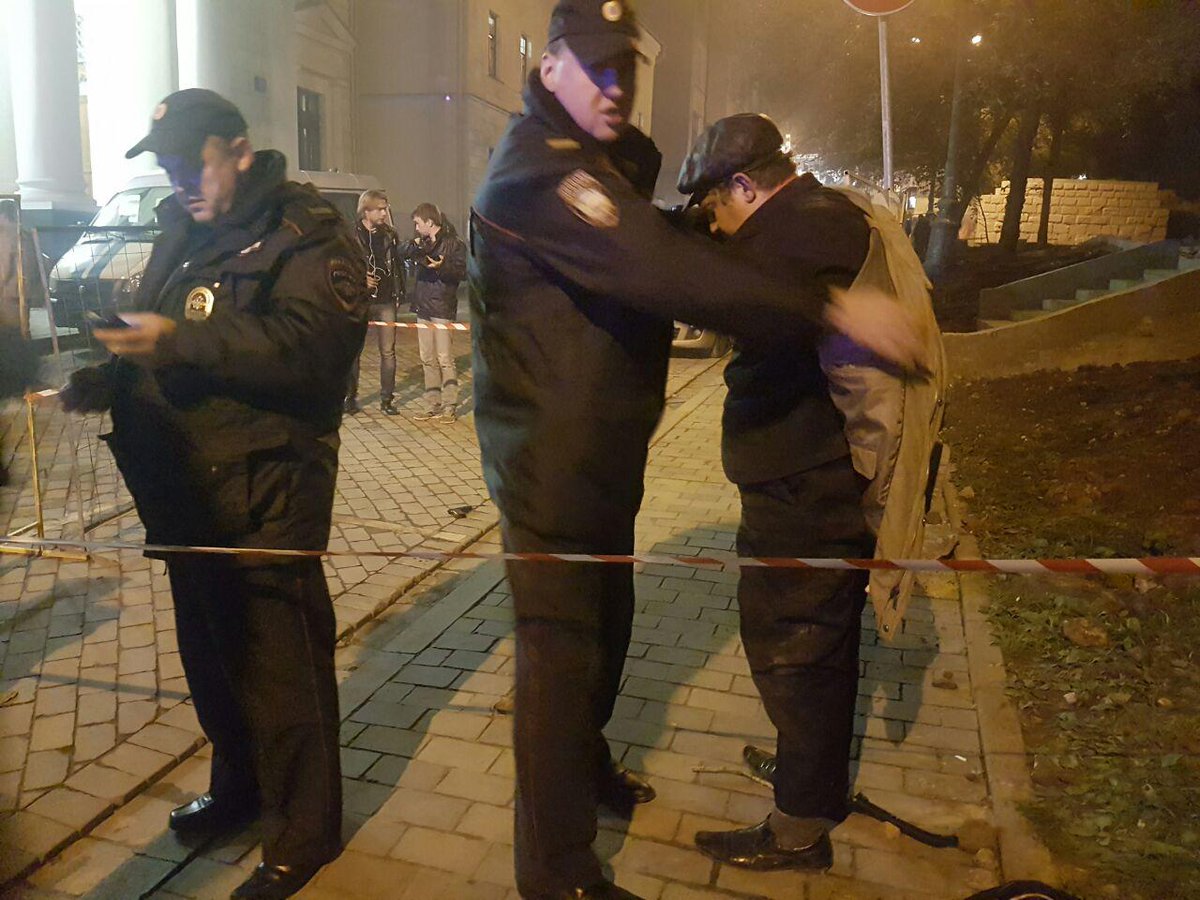
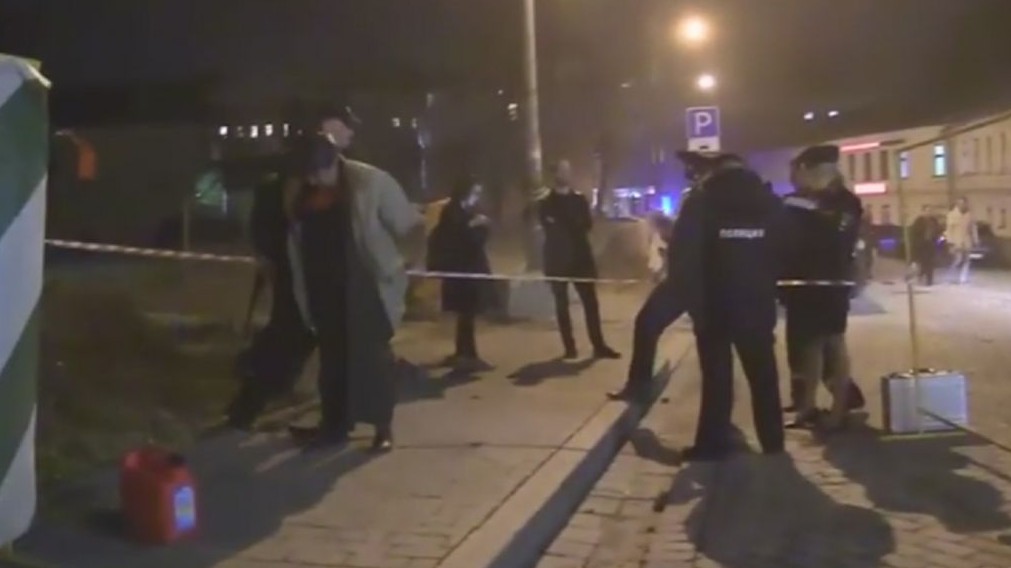
On October 1 a synagogue in Moscow was attacked. A security guard was wounded during the attack. There are reports the attacker might have been suffering mental illness. He has been arrested. Armed with a gun, the attacker stormed the synagogue with a canister of flammable liquid as well and threatened to burn down the Jewish house of prayer. He shot the security guard in the head and chest after he tried to refuse the attacker entry.

maskvos-sinagoge

The attacker has been arrested but the police are not reporting any motive for the attack or further details, except that he has been identified as Ivan Lebedev, aged 40, and has been hospitalized for mental illness in the past. About 150 people were gathered at the synagogue for Sabbath services. The attacker reportedly demanded to meet with Moscow’s Chief Rabbi Pinkhas Goldschmidt.

Anti-Semitic attacks of this nature have been rare in Russia and are more often committed in Western European countries with large Jewish communities such as Great Britain and France.

Lithuanian Jewish Community Position on the Reconstruction of the Great Synagogue in Vilnius

The following is an official letter sent by the Lithuanian Jewish Community to concerned government agencies.

September 27, 2016

To:
Remigijus Šimašius
mayor, city of Vilnius

Alminas Mačiulis
Government chancellor

Šarūnas Birutis
minister of culture

Linas Linkevičius
minister of foreign affairs

Diana Varnaitė
director, Cultural Heritage Department under the Ministry of Culture

On the Reconstruction of the Great Synagogue

As public interest has grown recently in the history and cultural legacy of Lithuanian Jews (Litvaks) and specifically regarding artifacts uncovered at the site of the Great Synagogue in Vilnius, we feel it our duty to again present our view, that of the Lithuanian Jewish Community, regarding the issue of the conservation of surviving parts and the possible reconstruction of the Great Synagogue, a building with extraordinary significance to the Lithuanian and the global Jewish community.

As we have said before many times, we support all meaningful initiatives to preserve, protect and commemorate the legacy and heritage of the Jews of Lithuania, but we do not support unreasonable projects to rebuild non-existing buildings which are carried out in the name of Jews. It seems that is what we are facing again in the idea developing over many years by certain government institutions and possibly including hidden business structures to rebuild the Great Synagogue complex in Vilnius.

In 2015 the municipal government enterprise Vilniaus Planas was commissioned by the municipality’s Urban Development Department to prepare draft construction proposals for a memorial to the Great Synagogue under pre-project proposals submitted by the architect Tzila Zak. The terms of reference of the planning task itself revealed the client’s attitude towards the rebuilding of the Great Synagogue as an attractve real estate development project: the primary task presented to planners was to submit a list of the buildings proposed for rebuilding, to name the rooms and premises slated for reconstruction and to calculate floor space.

Israeli Dance Lessons

Israeli dance lessons with Karina and Valerija, beginners’ group from 11:00 A.M. to 12 on Sundays, advanced group Sunday from 12:15 P.M. to 1:15 and Wednesdays 6:00 P.M. to 7:30 P.M. at the Lithuanian Jewish Community, Pylimo street no. 4, Vilnius.

For more information write karina.semionova@gmail.com

The Shekel Route around Klaipėda

Po Klaipėdą Šekelio keliu

In celebration of World Tourism Day, a new tourist route called the Shekel Route around Klaipėda was unveiled. The Klaipėda District Tourism Guild presented the route to the public. The route was created in cooperation with the Klaipėda Jewish Community. The author was Laurencija Budrytė-Ausiejienė. Partial funding for the route came from the Klaipėda Jewish Community using funding from the Goodwill Foundation.

As soon as news appeared on the internet about the route, all available spaces were snatched up.

The Tourism Information Center of the Palanga municipality has prepared a brochure called “Jewish Sites to Remember in Palanga.”

Lithuanian Radio To Revisit Litvak Past

lrtradijas

Beginning September 25 Lithuanian state radio will broadcast a series about Lithuanian shtetls. Radio journalists will talk about nine small Lithuanian towns where only a few buildings stand in silent testimony to their once thriving Jewish life, and will interview people now in their 80s who remember that legacy from childhood.

The episodes in the series will be broadcast every second Sunday after the 11 o’clock news and during the Ryto garsai progream on Tuesdays at 9:00 A.M. The first episode for broadcast September 25 is about Molėtai.

Lithuanians and Jews lived in common in the shtetls before World War II and not only made a life for themselves, but contributed deeply to the creation of the Lithuanian state and the economic and cultural development of the towns. War and the Holocaust, which saw the complete destruction of entire Jewish shtetl communities, and the various roles played by Lithuanian neighbors, followed by decades of occupation, have largely pushed this part of history into oblivion.

Not all who remember the time of Jewish prosperity are eager to talk about it. Many people are still steeped in feelings of fear, guilt and shame. At the same time descendants of Holocaust survivors are coming back in ever greater numbers to the birthplaces of their parents, grandparents and great-grandparents and making sense of a land which for many years only kindled negative emotions. Some of them are working to strengthen Lithuanian-Jewish relations, others seek to preserve the memory of their ancestors.

This documentary series won’t be easy listening. Even 75 years later, witnesses to the Jewish tragedy aren’t able to quell their tears and many are unable or unwilling to understand this darkest period in Lithuania’s history. On the other hand, they also recall the happy life of Lithuanians and Jews before the war, including childhood friends, the many Jewish shops and the taste of fresh bagels.

Lithuanian national radio frequencies:

Vilnius 89.0 MHz

Kaunas 102.1 MHz

Klaipėda 102.8 MHz

Šiauliai 100.9 MHz

Panevėžys 107.5 MHz

First episode about Molėtai available in Lithuanian here.

Adam le Adam Concert in Vilnius Today

Israeli vocal ensemble Adam le Adam will perform one concert exclusively in Vilnius at the Old Town Hall square today at 6:00 P.M., September 22. The concert is free and open to the public.

Adam le Adam (Hebrew for “person for person”) is a group of 14 vocalists who perform Israeli and traditional Jewish folk songs in authentic arrangements. The ensemble was established by the late composer Jacob Hollaender in 1978. Under his musical direction the ensemble performed throughout Israel and recorded for radio and TV. Adam le Adam had also participated at International choir festivals in various countries around the globe.

During recent the musical director of the ensemble is maestro David Sebba.

Adam le Adam has won first place in choir competitions and has performed a novel program of choral soul music at the most distinguished festivals in Israel such as the Abu-Gosh Festival and the Vocalize in Acre. The ensemble has performed with the Raanana Symphonette Orchestra and the Israel Sinfonietta Beer-Sheva Orchestra at Nes-Amim Church and in the Bible-Lands Museum. Adam le Adam has also performed with other distinguished artists for the prime minister of Israel.

Vilnius concert song-list:

Farewell by S. Rosen, Y. Hollaender
Holiday Evening Alone by T. Attar, Y. Hollaender
Loved Her by T. Attar, Y. Hollaender
Prisoner No. 9/Thou Shalt Love Thy Neighbor by T. Alyagon, Y. Hollaender
Yom Kippur Prayer by O. Hammama
Bulgarian Folk Song/In the Vineyard of Yemen by N. Alterman,M. Zeira, M. Wilensky
Paneriai by A. Shlonsky, A. Tamir

March of Memory in Semeliškės

semel

March of Memory in Semeliškės

at the former ghetto, Užupio street no. 14, Semeliškės at 12 noon, October 6, 2016, to commemorate the mass murder of the Jews of Semeliškės, Vievis and Žasliai in the Dergionys Forest 75 years ago.

We invite all people of good will to join this initiative to honor the victims of the Holocaust. Our being together on that day will symbolize our solidarity, our respect for the history of our region and our aspiration to make sure this kind of tragedy never happens again.

Patron: Elektrėnai municipal administration
Organizer: Strėva Semeliškės community
Partner: Semeliškės aldermanship

“We all must tell ourselves: this is our nation’s past. We are the heirs and must accept our inheritance. We will not raise even one person from the grave, we will not reconcile the victim with his murderer, but perhaps we will learn the lesson, so that what happened happens never again.”

Father Ričardas Doveika

“To die and to forget share the same root in the Lithuanian language. The Jews of Lithuania were murdered once, but we can still remember the story of each one. We can still do that. So who are we, if we think this doesn’t concern us? Who are we? From what clay are we made? If they are not us, who are we? Who are we? What does ‘we’ mean?”

Virginijus Savukynas, journalist

Uncomfortable Cinema: The Holocaust

“Nepatogus kinas” – Holokausto tema

bernardinai.lt

The human-rights documentary film festival Nepatogus Kinas [Uncomfortable Cinema] is placibgspecial emphasis this year on the Holocaust. Many directors, film researchers and film historians continue to revisit the theme of historical memory and traumatic experience to this day. A retrospective called “Holocaust: Memory on the Silver Screen” is being organized with the Berlin-based film and video art institute Arsenal to digitize and restore film stock. The retrospective is being presented at Uncomfortable Cinema festival, the first opportunity for viewers in Lithuania to see the restored works. A conversation with film and video art institute Arsenal representative Gesa Knolle on Arsenal’s work and what memory on the silver screen means:

Looking at Lithuania, Germany and all of Europe, anti-Semitism as with any other form of xenophobia or racism is an important topic we need to discuss. How could it happen in 2008 that Jewish partisans were accused of World War II-era war crimes? And no charges have been laid against Lithuanians who collaborated with the Nazi Party? In German as in Lithuania anti-Semitism was widespread in the early 20th century. As Michael McQueen says, there was the aspiration that a “pure” Lithuanian people make up the state, and that was completely incompatible with the existence of the Jewish population in the country. Before the Nazis occupied Lithuania in 1941, the Jewish community in the state was a population of about 210,000 people. More than 95 percent of residents of Jewish origin were murdered during World War II. How was that possible?

Full story in Lithuanian here.

Bernardinai logo

Our People Lie Buried Here

1919-zydu-zemes-ukio-mokykla-veliucionys

Simon Wiesenthal director and author Efraim Zuroff and Lithuanian author Rūta Vanagaitė are inviting Lithuanians to mark the Day of Remembrance of the Genocide of the Jews in Lithuania on September 23 this year by looking up the mass murder site closest to the their homes and making the trek there to light a candle and perhaps leave a small stone at the grave, a Jewish tradition.

Zuroff and Vanagaitė are focusing commemoration efforts on the town of Vėliučionys, a mass murder site about 12 kilometers outside Vilnius.

Efraim Zuroff:

This coming Friday, Lithuania commemorates the Holocaust, and Rūta Vanagaitė and I have launched a special initiative entitled “Čia guli Musiškiai” (Our People Lie Buried Here) to encourage Lithuanians to visit the mass grave of Shoa victims nearest their home. In all, there are 227 recognized mass graves in Lithuania, documented in the Lithuanian Holocaust Atlas, which is available online.

We are encouraging residents of Vilna/Vilnius to visit one of the most neglected mass graves near the city at a place called Vėliučionys, where 1,159 Jewish men, women and children were murdered by Lithuanian auxiliary police and a special mass murder squad on September 21 and 22, 1941. There will be a brief ceremony at 5 PM as we march from the manor where they were confined to the site of their murder.

Press Release

September 20, 2016

Events to mark the Day of Remembrance of Jewish Victims of Genocide in Lithuania and to honor those who rescued Jews during the Holocaust begin this week, running from September 20 to September 28. It begins Tuesday with a volunteer group clean-up of the Jewish cemetery on Sudervės road in Vilnius. On September 21 a tour of Jewish Vilna will be offered, and a screening of the film “Gyvybės ir mirties duobė” [The Pit of Life and Death] will be held at 6 P.M. On September 22 the Israeli vocalist group Adam le Adam will hold a free concert at the square in front of the Old Town Hall in Vilnius at 6 P.M. A monument to commemorate the children who died in the Vilnius ghetto will be unveiled in the Garden of Brothers at the Vilnius Sholem Aleichem ORT Gymnasium. Then a ceremony will be held to commemorate Holocaust victims at the Ponar Memorial Complex outside Vilnius.

The conference “They Rescued Lithuania’s Jews, They Rescued Lithuania’s Honor” will be held at the Lithuanian parliament from 11:30 A.M. to 4:00 P.M. on September 25, followed by a presentation of the Lithuanian Jewish Community Jewish calendar for the year 5777. The events at parliament mark the 75th anniversary of the beginning of the Holocaust in Lithuania and the 150th anniversary of the birth of Lithuanian president and Righteous Gentile Kazys Grinius. A ceremony to present awards to rescuers of Jews is scheduled for September 28 at the Lithuanian President’s Office.

“This year this special emphasis on the small towns whose tragedy affected all people living in Lithuania. The mass murder of the Jews of the shtetls has revealed the full dimension of the tragedy,” Lithuanian Jewish Community chairwoman Faina Kukliansky said. “Lithuania is changing, a much braver younger generation is coming of age who take a different view of the history of their nation. The German press has called Lithuania the first state in Eastern Europe to openly raise the question of its own citizens’ complicity in the Holocaust. Lithuania is coming of age; we hope the country sets an example for neighboring states.

“As we remember every year the extremely painful losses we Jews have experienced, we advocate for analyses of the historical facts, what happened, what the Provisional Government of Lithuania did, how the Lithuanian Activist Front behaved. The Lithuanian Jewish Community is not an academic institution, but as much as we are able, with help from the state, without fanfare and sensationalism, we strive to make sense of the facts and circumstances in the Holocaust, and to educate the Lithuanian public on the history of the Jews of Lithuania. Again and again we dive deeper into Lithuanian history trying to understand why and how neighbor could turn on neighbor and murder their innocent, until then peaceful, well-educated and cultured good neighbors, including men, women, children and the elderly. Then stealing their property, and for decades denying they took part in the Holocaust. Forever and ever, but especially today, we remember our honorable fellow citizens, the Lithuanians who rescued Jews,” chairwoman Kukliansky said.

Events program here.

www.lzb.lt