Natalja Cheifec’s internet discussion club continues at 6:00 P.M. this Monday, December 22, with a discussion of recent topics. To receive zoom credentials, click here.
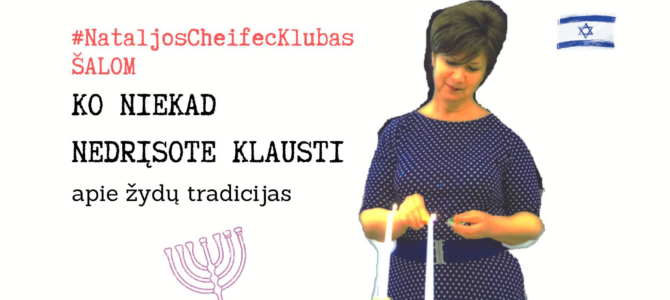

Natalja Cheifec’s internet discussion club continues at 6:00 P.M. this Monday, December 22, with a discussion of recent topics. To receive zoom credentials, click here.
The attack perpetrated on Bondi Beach in Australia where the attackers shot Jews gathered to celebrate Hanukkah has caused deep concern and upset to the Lithuanian Jewish Community. The victims included children, rabbis, Holocaust survivors and non-Jews as well.
We extend our sincerest condolences to the Australian Jewish community and call on everyone to realize that this mass murder targeted Jews around the world, not just in Australia. This is an alarm bell warning us no Jewish community is safe anywhere in the world. Our members including women and children are vulnerable to attack at any time.
Large metropolises throughout the world including Berlin, London and New York have responded to attacks on Jews by increasing security. Sadly in recent times amid a rising tide of anti-Semitism in the world and in Lithuania, we daily encounter hostile actions, vandalism and violence. We are citizens of a member-state of the European Union who are being targeted by followers of recognized terrorist organizations.
We call upon our members to remain vigilant, and we call upon the Lithuanian Government and the citizens of Lithuania to take measures to protect Lithuania’s Jewish organizations, including the communities, the kindergarten, the Choral Synagogue and other sites.
Events in Washington, D.C., Berlin and Sydney demonstrate the danger is real and that in order to avoid further tragedy, we must act now. Tomorrow could be too late.
Dear friends,
We live in unusual times. We are surriunded by the danger of war. In our historical homeland Israel the war has not ended, people are still fighting and dying. In Ukraine people are suffering because of the actions of the aggressor.
I never thought I would live under conditions of war. I thought this generation, of ou children and grandchildren, would grow up without war. But this is what has happened, without regard to what we wanted.
Despite all these tragic circumstances, the holidays still go on, bringing light, jope and joy. Each day we light a candle to remind ourselves the world is entirely dark. There are also good developments in life, there is hope all the wats will end, we will be safe and our children and grandchildren will be sage, healthy and happy and won’t have to face these dangers in the future.
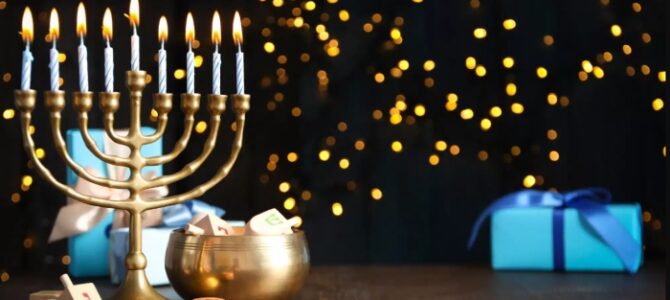
Hanukkah, the festival of lights, jas been celebrated xince ancient times. Ot gives us hope that in the country where we live anti-Semitism will disappear and demonstrations against Israel will fade away. Instead of crying, we will fight anti-Semitism.
I wish you all the best. Most importantly, I wish you health, happiness, hope and a happy Hanukkah.
Hag urim sameakh,
Faina Kuklianksy, chairwoman
Lithuanian Jewish Community
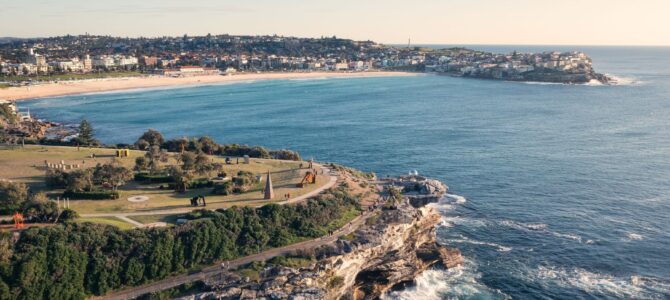
Gunmen opened fire on a crowd of around 2,000 Jews gathered at a park next to Sydney’s iconic Bondi Beach as the ceremony to light the first Hanukkah candle on a public menorah was about to commence Sunday evening. According to eye-witnesses three gunmen firing rifles aimed into the crowd firing a total of more than 50 rounds, leaving twelve dead at the scene with another 50 wounded later brought to hospital.
Australian Federal Police and the country’s intelligence agency labeled the massacre a terrorist attack within 3 hours of the mass shooting.
Cell phone video shows a passer-by disarming one attacker at the base of a large palm tree lining the parking lot adjacent to the park. Another man pursued the disarmed attacker and threw what looking like a large stone at him. A second attacker on a pedestrian walkway leading from the park to a pub and restaurant section of North Bondi appeared to fire at the two passers-by and in the general direction of the Hanukkah celebration.
AFP told a press conference they had no evidence of a third shooter beyond eye-witness accounts but were looking into a possible third shooter. A car at the scene was found to contain mulptiple home-made explosive devices. Footage from the cell phone and a name released later by police seem to show the attackers were Middle Eastern, perhaps Arab or Lebanese.
Rabbi Eli Schlanger of Sydney was killed at the scene. He leaves hejind five children. One eye-witness said a child was murdered, but New South Wales Police said they had no such information, and that one child wounded in the attack was taken to hospital.
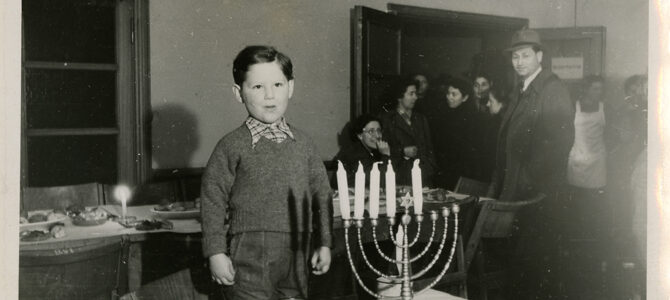
Natalja Cheifec continues her lecture begun last week on the miracle of Hanukkah in the run-up to the Jewish winter holiday.
What does the Most High do during Hanukkah? Why do Jews gaze at the candle flame during this holiday? What are the doughnuts, sufganyot and Hanukkah gelt all about? Tune in and find out! To receive zoom credentials, click here.
Time: 6:00 P.M., Thursday, December 11
Place: internet
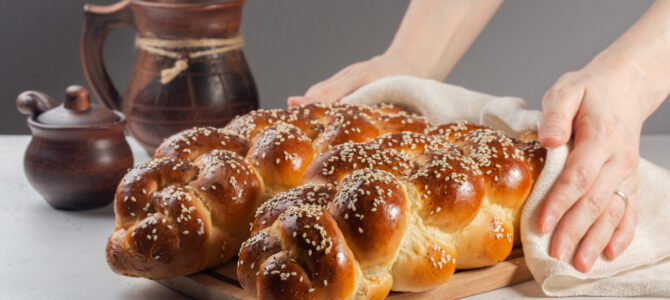
The Sabbath begins at 3:55 P.M. on Friday, December 5, and concludes at 4:58 P.M. on Saturday in the Vilnius region. Sabbath candles should be lit at 3:37 P.M. and completed before sunset at 3:55 P.M. Saturday is Finnish Independence Day and Sunday is Pearl Harbor Remembrance Day in the United States.

Hanukkah us more than just lighting the eight candles on the menorah, it’s a time to have a good time with family and friends, a time for children to play and adults to talk. With that in mind we invite you to the Waiting for Hanukkah celebration this Saturday, December 6 starting at 2:00 P.M. at the renovated Bagel Shop café now known as Pylimo 4 located at Pylimo street no. 4 in Vilnius. We’ll make doughnuts, spin the dreidl, play other games and sing and dance. Registration required by sending a request to levickajasimona@gmail.com.
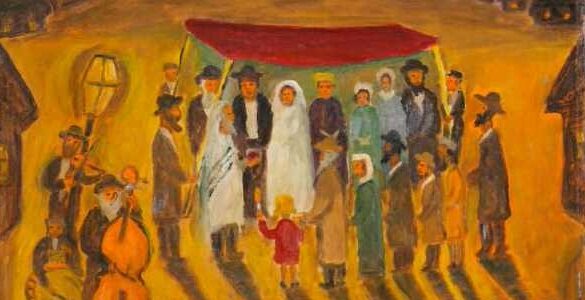
The shtetl was bit just a tiwn, but a self-contained world where Jewish traditions were maintained, students attended the yeshiva, people were married and buried under the precepts of Judaism and almost everyone spoke Yiddish.
To receive zoom credentials, click here.
Time: 6:00 P.M., Tuesday, December 4
Place: internet
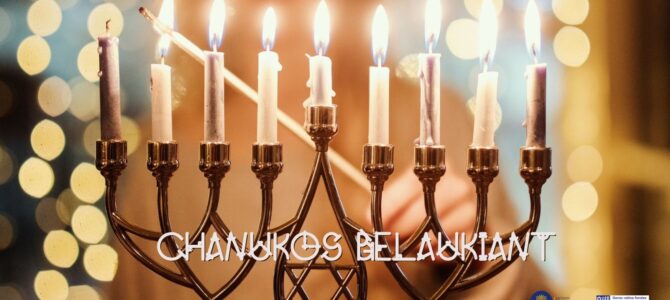
In the run-up to Hanukkah, the Lithuanian Jewish Community invites you to an evening of live music and tables laden with holiday foods. The Shalom Band and other Jewish musicians will perform. The location is the Pylimo 4 café formerly known as the Bagel Shop café located at Pylimo street no. 4 in Vilnius. It all happens early Saturday evening on December 13.
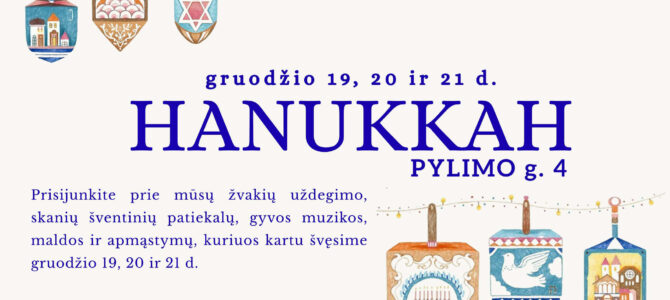
Hanukkah is on the way and the Lithuanian Jewish Community invites you to celebrate the festival of lights together at the LJC located at Pylimo street no.4 in Vilnius. Come witness the lighting of the lights, try holiday foods and enjoy the live music. It all happens on December 19, 20 and 21. For more information and to make a reservation, sebd ab enail to info@lzb.lt.
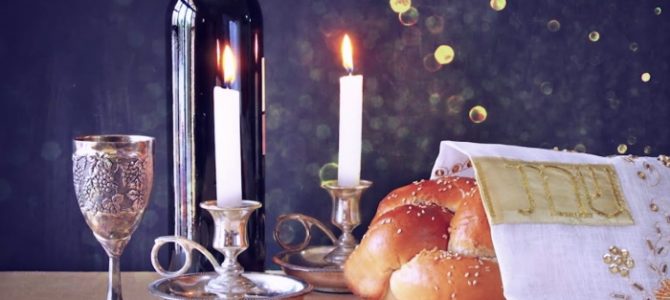
The Sabbath begins at 4:00 P.M. on Friday, November 28, and concludes at 5:01 P.M. on Saturday in the Vilnius region. Sabbath candles should be lit at 3:42 P.M. and completed before sunset at 4:00 P.M. Thursday, November 27, is Thanksgiving.
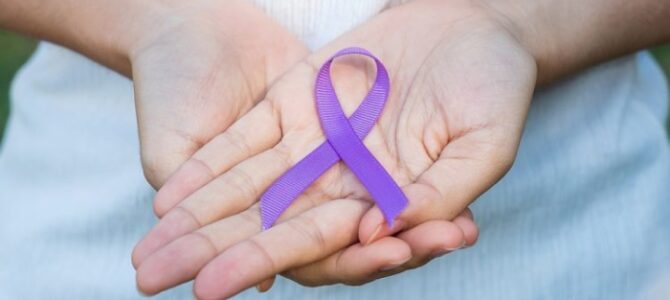
The Sabbath begins at 4:08 P.M. on Friday, November 21, and concludes at 5:07 P.M. on Saturday in the Vilnius region. Sabbath candles should be lit at 3:50 P.M. and completed before sunset at 4:08 P.M. Thursday, November 20, is World Pancreatic Cancer Day.
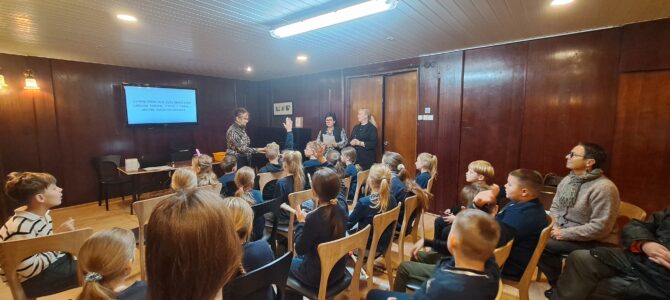
October 18 students from the Juventos pre-gymnasium arrived early at the Šiauliai Regional Jewish Community for a special day of lessons on Jewish culture, history, tradition and customs. Teachers Aurelija Dirginčienė, Loreta Stankuvienė and Gaiva Šimonienė delivered the lessons. Šiauliai Regional Jewish Community chairwoman Rašella Galinienė and Oser Gleizer answered the cikdren’s questions. There are plans to include more of the school’s student body in future lesson days.
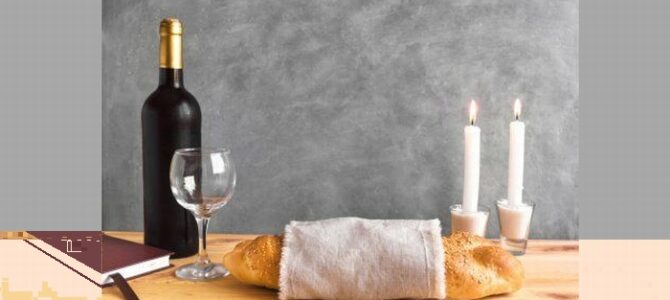
The Sabbath begins at 4:18 P.M. on Friday, November 14, and concludes at 5:16 P.M. on Saturday in the Vilnius region. Sabbath candles should be lit at 4:00 P.M. and completed before sunset at 4:18 P.M.
Natalja Cheifec continues her discussion club on the internet at 6:00 P.M. Thursday. To participate, get zoom credentials here.
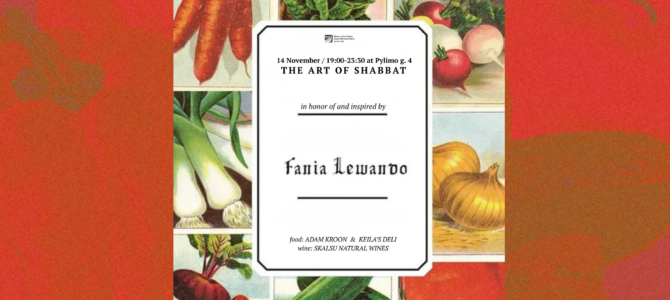
The team of the fotmer Bagel Shop Café, now called Pylimo 4 (the street address) is pleased to announce a Sabbath celebration featuring vegetarian dishes inspired by Fania Lewando from Vilnius, the author of a vegetarian cookbook published in Yiddish in 1938.
It happens this Friday, November 14. The menu pays tribute to Lewando’s cuisine which reflects Litvak traditions. Participants are asked to donate €22 per diner, but smaller donations are also very acceptable. The point is to celebrate the Sabbath together. To suggest dishes, for more information amd to register, send an email to gut.shabbos.vilnius@gmail.com.
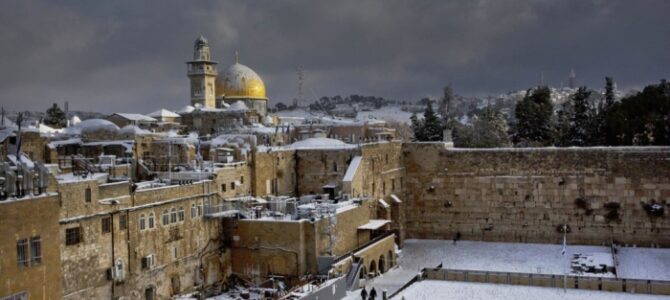
The Sabbath begins at 4:30 P.M. on Friday, November 7, and concludes at 5:26 P.M. on Saturday in the Vilnius region. Sabbath candles should be lit at 4:12 P.M. and completed before sunset at 4:30 P.M. Saturday is Night of Broken Glass Remembrance Day in Germany. Sunday is Remembrance Sunday in the United Kingdom and Tuesday is Veterans Day in the United States.
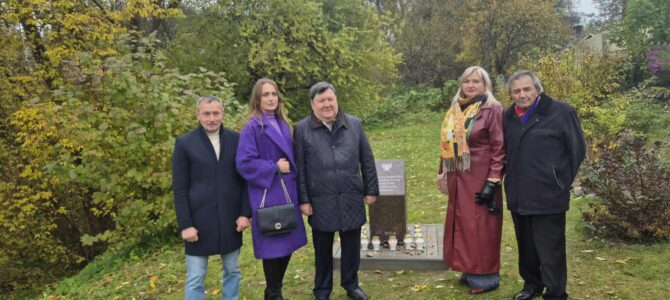
On October 18 Švenčionys Jewish Community chairman Moshe Shapiro, MP Emanuelis Zingeris and a number of local officials and residents as well as educators from Lithuania and abroad attended an event in Pabradė called Memory Written in Stone. The event was held by the Paribio Pažinimo Centras as part of a borader project to memorialize locations where synagogues once stood.
During this event two stone markers were erected at the site of two former synagogues. The Pabradė Fanfare Orchestra provided musical accompaniment.
Natalja Cheifec continues her lecture topic from last week, the Messiah, this Thursday at 6:00 P.M.
Register to participate here.
Time: 6:00 P.M., Thursday, November 6
Place: internet
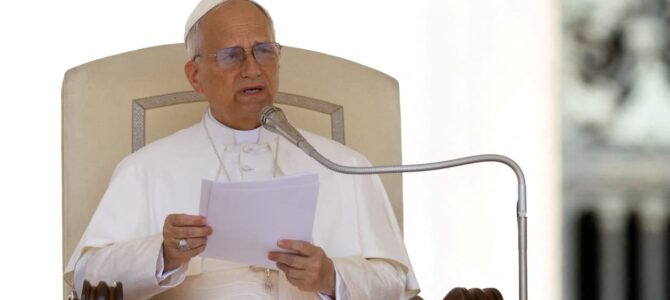
NEW YORK —The World Jewish Congress has welcomed the remarks of Pope Leo XIV on Wednesday unequivocally condemned anti-Semitism during his general audience at the Vatican.
Addressing thousands of faithful the Pope said: “All my predecessors have condemned anti-Semitism with clear words,” adding, “I too confirm that the Church does not tolerate anti-Semitism and fights against it, on the basis of the Gospel itself.”
WJC president Ronald S. Lauder praised the Pope’s message calling it “an extraordinarily positive and deeply meaningful gesture.”
“At a time when Jews are facing the greatest persecution since the Second World War, the Pope’s message carries profound fraternal meaning,” Lauder said. “Gestures like this inspire us to strengthen the bonds between Jews and Catholics, and to work together for a world of greater co-existence among religions, in the pursuit of peace.”
The Pope’s statement comes as the Catholic Church marks the 60th anniversary of Nostra Aetate, the landmark declaration of the Second Vatican Council which transformed Jewish-Catholic relations and established a foundation of mutual respect and dialogue.
Full statement here.