Religion

Jewish Deportations in 1941

Žydų tremtis 1941m.
by Violeta Davoliūtė

Seventy-five years after the deportations from Lithuania on June 14, 1941, it’s important to remember they were multiethnic, and that deportees included Lithuanian Jews. Jewish families also appeared on the lists of “socially unreliable elements” and “class enemies” and, with children and infants, were stuffed into the same livestock cars. Most men were immediately separated from their families and sent to camps, while mothers and children were forced to endure a long and torturous journey to Russia’s northern wastes. Many died of hunger and suffering. This chapter in the history of the Jews of Lithuania is still little known by the public today. Yes, there is a study or two, statistics, lists, but, unfortunately, the perception still dominates that Lithuania’s Jews suffered only in the Holocaust, and the myth that all Jews supported the Soviet regime lives on, while society believes the deportations of 1941 are an exclusively ethnically Lithuanian historical experience. If you ask a high school student or even a professional working in higher education to name even one Lithuanian Jew deported by the Soviets, chances are many could not.

Jakovas Mendelevskij: Childhood and Life of a Jewish Deportee

Jakovas Mendelevskij – žydo tremtinio vaiko gyvenimas ir tolesnis likimas

This year marks the 75th anniversary of the mass deportations of Lithuanian citizens which began on June 14, 1941. The Russian regime then began by rounding up intellectuals, members of the educated elite, wealthy businessmen and well-to-do farmers, sending them deep into the interior of Russia. In total about 132,000 people were deported, and 28,000 people died in exile.

Jakovas Mendelevskij lived as a child in Ukmergė in an affluent and happy family. He was 9 that early morning of June 14, 1941, when the knock came at the door and the family was ordered to get ready to be deported. Many Jews were deported in Ukmergė that morning. They were taken by truck to Jonava, summarily separated from his father, and he, his mother and brother were loaded onto train cars like livestock and carried off. His father was arrested and tried, and received a sentence of 10 years in one of Stalin’s camps under article 58 of Soviet law. He was taken to a camp in the Krasnoyarsk region.

Fira Bramson-Alpernienė Has Died

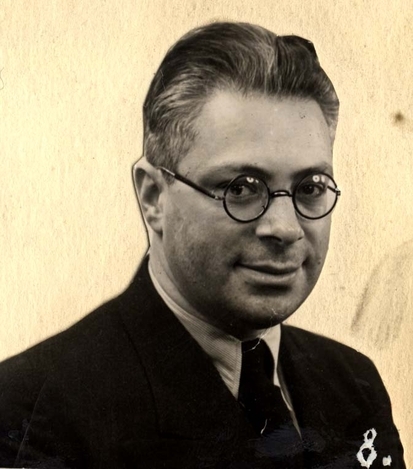
FIRA Bramson
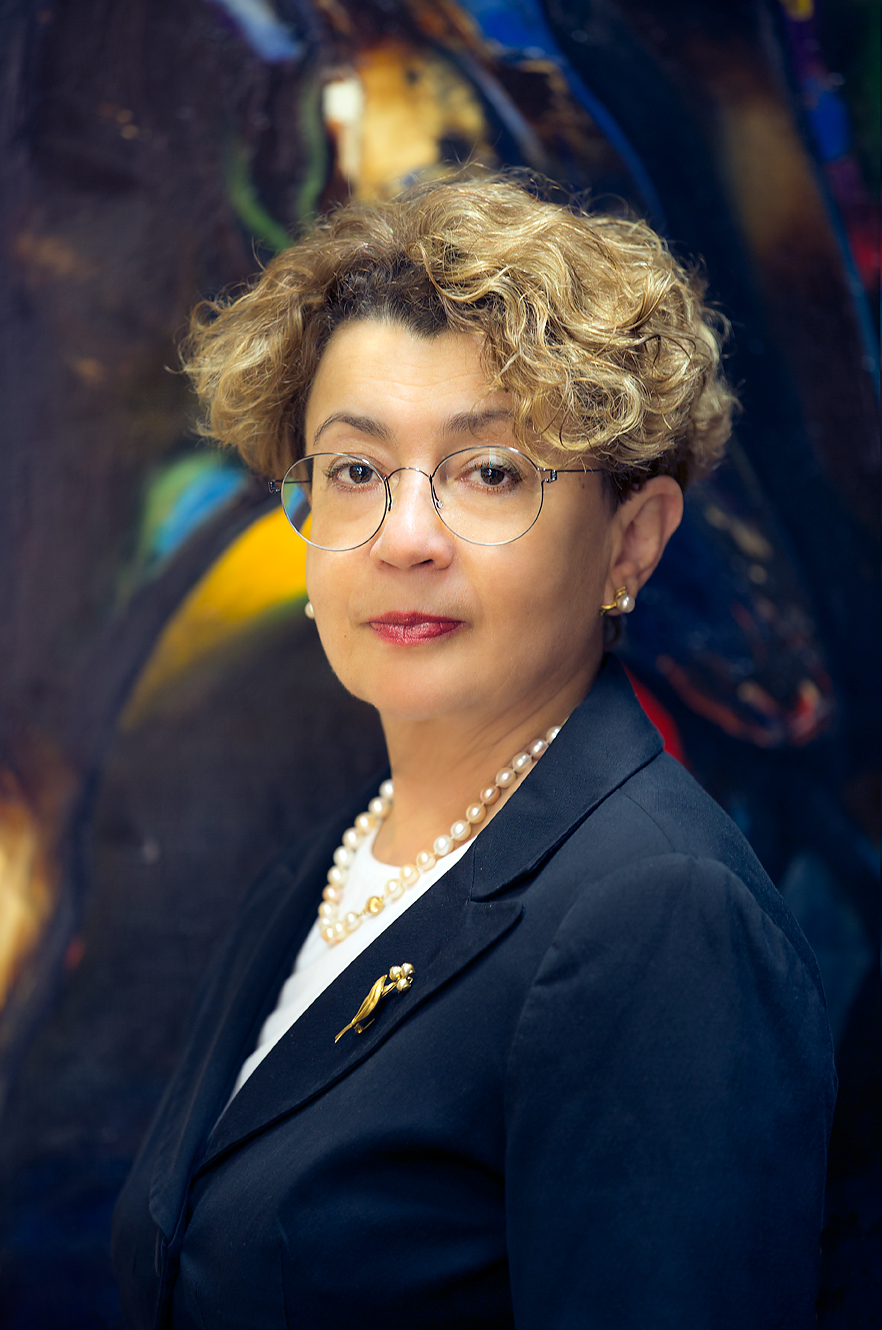
Fira Bramson-Alpernienė
December 18,1924-June 12, 2016

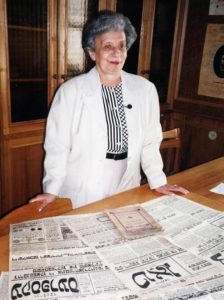
Estera Bramson-Alpernienė, whom everyone knew as Fira, has died. With her dies a bit of Litvak history. She belonged to a world of 20th century Jewish personalities, looming figures such as that of Shimon Dubnov, Max Weinreich and Tsemakh Shabad. She came from the famous Bramson family whose members have played a key role in Lithuanian Jewish and European Jewish life. The Bramsons were a center of gravity to Jewish intellectuals in Kaunas before the war. Fira was educated at the Sholem Aleichem Gymnasium with Yiddish as the language of instruction. For Fira family and school were holy, although her school life didn’t last long.

In 1941, before she could graduate from high school, the war forced her to bid a hasty farewell to family, to leave her only sister, to flee from the Nazi terror. Fira didn’t come back to Kaunas after the war because there was no one waiting for her there. Her entire family was at the Ninth Fort. She started a new life in Vilnius. In the late 1980s there was a movement in Vilnius to revive the Lithuanian Jewish Community. Fira was among the founders of that movement. Finally she could come back to her Yiddish roots and cultural hearth so important and crucial to her spiritual life. Some of her most important work since that time has been with Jewish books at the former Palace of Books, and with that collection now removed to the Lithuanian National Library. Her pride and joy became these surviving books, along with a small number of books from the private collections and libraries from before the war belonging to survivors of the Holocaust. Fira was one of the first conservators of this heritage and presented the legacy she protected to the Jewish community, but also to the wider audience in Lithuania and the world. She held exhibits and lectures, facilitated cooperation with academics and students and helped make use of this priceless inheritance. She wrote about what she achieved in her work of many years in the book “Prie judaikos lobių” [“Next to the Treasures of Judaica”].

Fira Bramson could be called the white knight of Yiddish culture. This woman, slight of build, fragile, driven and principled, fought for the protection and preservation of cultural treasures. Not only did she fight, she won. Even in difficult circumstances she never relented because she saw her life as a mission to safeguard that Yiddish culture so dear to her parents and ancestors, and to pass on memories of that culture to future generations. When she spoke at conferences and seminars, when she was part of educational programs in Lithuania, Europe and the USA, Fira would first speak not of herself, but about the founders of Yiddish culture. The grief of losing Fira Bramson is somewhat mitigated by the realization she lived a long, interesting and productive life and generously shared with others her love of Jewish culture. She was of keen intellect, a person with a warm heart whom, if you ever met her, you will never be able to forget. Let our vivid memory of her live on.

A wake will be held at the Nutrūkusi Styga funeral home Tuesday from 10:00 A.M. The coffin will be carried out at 3:45 P.M.


History of the Vilnius Jewish Community: Learn (Not) to Forget

francois-guesnet-5759438c61c31

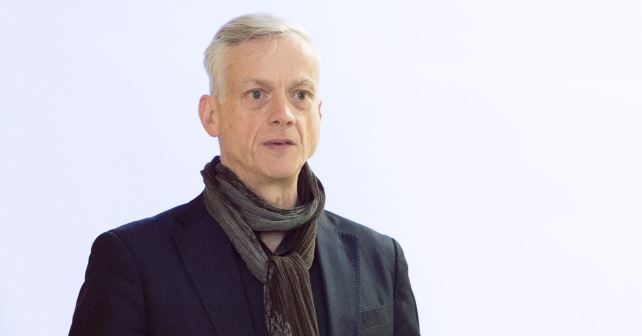
Professor François Guesnet, a reader at the Hebrew and Jewish Studies Faculty at University College London currently visiting at the History Faculty of Vilnius University, granted Nijolė Bulotaitė, a writer for VU’s news page, a long interview. Dr. Guesnet is also the secretary of the European Association for Jewish Studies. Excerpts translated from Lithuanian appear below.

What is the most interesting or most inspiring thing to you?

That’s a good question. We were just talking with a doctoral student about how some topics become very boring as the years go by and become stale. Partisan politics, let’s say, isn’t very sexy. Right now I’m most interested in the human body and the history of medicine, because it’s very interesting to explore who people understand themselves and their bodies. I also research the functioning of the Jewish communities in Eastern Europe. I was born in Germany, my mother is German, my father French; I grew up in a very European family and studied the history of Eastern Europe. I know Polish and Russian. Both languages were very important for me and Russian helped especially in researching archival material. I know Hebrew and Yiddish, otherwise it would be impossible to study the history of Eastern European Jews, at least a basic knowledge is required. My dissertation concerns the 19th century when the majority of official documents were in Russian.

World Jewish Congress Israel Delegation Visits LJC

WJC IZ7

A delegation from World Jewish Congress Israel visited the Lithuanian Jewish Community. The delegation included WJC Israel chairman Shai Hermesh (former MK), member of the board of directors J. Moshe Leshem, foreign relations council director Dr. Laurence Weinbaum, Knesset Christian Allies Caucus chairman MK Robert Ilatov, MK Yakov Margi, KCAC director Josh Reinstein and WJC Israel director general Sam Grundwerg. WJC Israel visits national capitals annually to meet with members of national parliaments and Christian community leaders to establish contacts and discuss shared problems, set up Israeli support groups and increase understanding of Jewish problems. This sort of support is especially sought by Israel now, when the Jewish state is increasingly facing isolation in the international arena and especially in the EU. Last year delegations visited Russia, Poland, Latvia and Estonia.

On June 1 the delegation visited the Lithuanian Jewish Community, met LJC chairwoman Faina Kukliansky and were greeted with a musical welcome of Jewish song and dance provided by the Fayerlakh ensemble, which warmed everyone’s hearts and facilitated better communication. Former MK, current vice president of the WJC and leader of WJC Israel Shai Hermesh shared with everyone heartwarming news he received on the trip to Lithuania.

Come Celebrate Shavuot at the Lithuanian Jewish Community Social Club

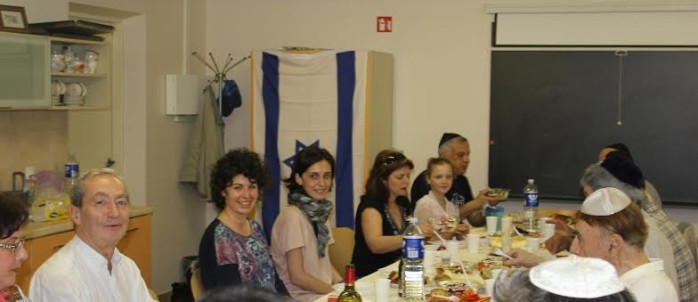
The Abi Men Zet Zikh and the Social Club of the LJC invite members to meet on the eve of Shavuot at 1:00 P.M. on Thursday, June 9, on the third floor of the LJC. Rabbi Shimshon Izakson will talk about the rise of King David and there will be traditional Shavuot dishes.

Registration is required. Please contact Žana Skudovičienė by telephone at 867881514 between 10:00 A.M. and 5:00 P.M. during the work week.

Kosher Sabbath and a Lesson about Shavuot

The Gesher Club of the Lithuanian Jewish Community invites you to come celebrate the Sabbath with Rabbi Kalev Krelin, who will deliver a talk called “Shavuot: A Holiday without an Exact Date or Meaning” at the kosher restaurant Rishon, Tilto street no. 3, Vilnius, on Friday, June 10. To buy tickets or for more information, contact Žana Skudovičienė by telephone at 867881514.

Kaunas Jewish Community Gets Together for Sabbath Every Friday

Šabatas Kaune

Every Friday evening about 30 members of the Kaunas Jewish Community gather to welcome in the Sabbath. They light candles, pray, provide commentary on a select passage of Torah, chat, eat together, remember those they have lost and offer congratulations on those personal milestones which come up. Often guests attend, whether they be Jewish students, teachers or tourists, who want to usher in the Sabbath with others, with the Jewish community. Often they are members of other ethnic groups who are interested in Jewish culture, traditions and history. Most recently two female students from Georgia and Serbia who are preparing a project about Jews in Lithuania at Vytautas Magnus University in Kaunas attended. As a rule the Kaunas Jewish Community offers its hospitality to those who show up. Almost always it turns out they aren’t strangers at all, only friends we haven’t met yet.

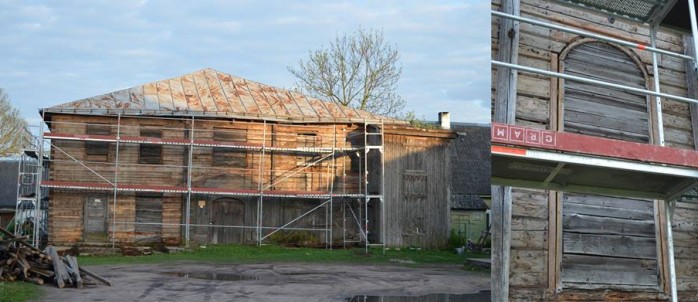
Start-Work Ceremony at Wooden Synagogue in Žiežmariai

The Lithuanian Jewish Community’s heritage protection expert Martynas Užpelkis travelled to attend a ceremony in Žiežmariai, Lithuania to mark the beginning of work to renovate the unique wooden synagogue there, one of only a handful of wooden synagogues still standing in Lithuania. He took some snapshots which you can find below.

In related news, the board of supervisors of the Kaišiadorys regional administration, where Žiežmariai is located, approved the region’s membership in what is known as the Association of the Itinerary of Jewish Cultural Heritage, a new tourism network which includes the Kėdainiai, Ukmergė and Joniškis regional administrations now.

On July 30, 2015, the Kaišiadorys regional administration agreed to a 99-year lease agreement for the synagogue, the property of the Lithuanian Jewish Community, to be used by the regional administration without fee. In August an agreement was concluded between the LJC and regional administration on the uses to which the former synagogue could be put and for its restoration. Currently work has begun on the roof and façade and archaeological work is on-going. The regional administration has allocated 24,840 euros for restoration work. Further financing is being sought and the regional administration believes membership in the Association of the Itinerary of Jewish Cultural Heritage could open doors for new partners in Belarus and Poland under the Interreg program.

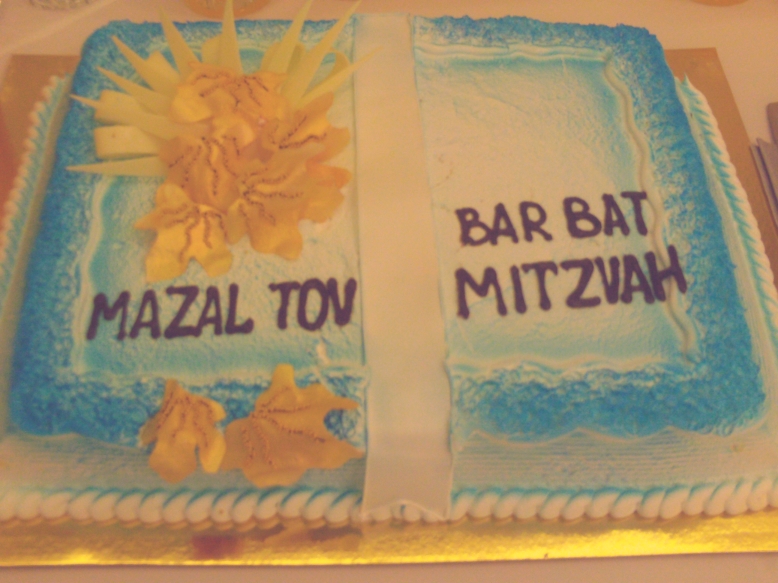
A School Bar/Bat Mitzvah

barbatcake

The ORT Vilnius Sholem Aleichem Gymnasium held a Jewish rite of passage Monday as a small group of Jewish boys and girls were ushered into adulthood at a public Bar and Bat Mitzvah on the third floor of the Lithuanian Jewish Community.

School principal Miša Jakobas greeted an overflow audience of parents, pupils, friends and Community members, and singled out the children undergoing the ritual, saying if he could wish them one thing, it would be patience.

Lithuanian Jewish Community deputy chairwoman Maša Grodnikienė congratulated the youngsters and spoke with evident joy about a new generation of Lithuanian Jews reaching maturity. She noted it was the 100th anniversary of the birth of the famous Yiddish writer Solomon Naumovich Rabinovich whose pseudonym was Sholem Aleichem, and wished everyone peace and health.

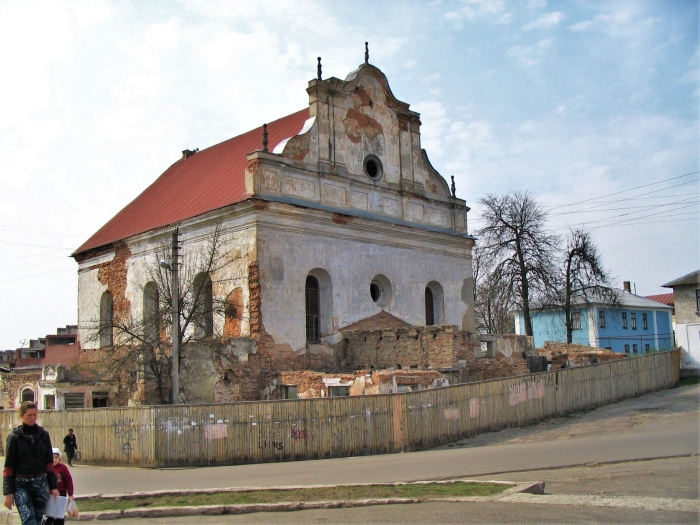
New Museum of Jewish Culture to Open in Slonim, Belarus

Synagogue Slonim2

A new Museum of Jewish Culture will be housed in the 17th century synagogue in Slonim, Belarus, the BELITA news agency reports. The Slonim regional administration and the Slonim Jewish Association in Israel are to finance directly further restoration of the synagogue.

The synagogue, built in the mid-17th century, is located in the middle of the city of Slonim. Restoration work has been performed and the roof has been fixed. Original interior elements have been preserved.

“In earlier times Jews constituted more than 80% of the population in Slonim. Visitors from abroad continuously come to see the homes of their parents, grandparents and great-grandparents. Many visit the synagogue. The Jewish museum would be a tourist attraction and would draw more visitors to the city,” the regional administration observed.

Work to Renovate Žiežmariai Wooden Synagogue Begins

ZIEZM sin1

A ceremony was held at the unique wooden synagogue in Žiežmariai, Lithuania on May 19, 2016, to mark a new stage in its life: its resurrection. The ceremony marked the beginning of work by the Kaišiadorys Regional Administration and Lithuania’s Cultural Heritage Department to restore the house of worship and featured a concert by the Rakija Klezmer Orkestar and works of Paganini by violinist Gediminas Dalinkevičius.

An allocation of 85,000 euros from the Ministry of Culture to the Kaišiadorys Regional Administration and an additional 24,840 euros from the regional administration are to be used initially to fix the roof and repair the façade, stabilize the building and perform archaeological work. A total of 693,000 euros is needed for reconstruction of the synagogue and additional sources of funding are being sought.

“The Lithuanian Jewish Community agrees to turn the synagogue over for public use because the Jewish community of Žiežmariai no longer exists and the synagogue won’t be used as a house of prayer. The synagogue can be utilized very well for the cultural needs of the region and at the same time remain a place of commemoration for the Jewish community of the area,” LJC chairwoman Faina Kukliansky said.

YIVO Awarded $260,000 by NEH

YIVO Receives $260,000 Grant from the National Endowment for the Humanities
May 16, 2016

New York, NY – The YIVO Institute for Jewish Research (YIVO) is pleased to announce that is a recipient of a major grant from the National Endowment for the Humanities (NEH) for the Vilna Collections Project, a seven-year initiative to preserve, digitize and virtually reunite YIVO’s prewar archives and library located in New York City and Vilnius, Lithuania, through a dedicated web portal.

The NEH’s Division of Preservation and Access has awarded $260,000 over two years for the processing, conservation and digitization of rare archival documents rescued from the destruction of the Holocaust. The materials, looted by the Nazis and recovered with the help of the U.S. Army, were brought to New York in the late 1940s. They are a diverse resource on Jewish life, community and culture in Europe. They span the range from handwritten autobiographies by Jewish youth and humble folktales and folk songs to the archives of scholars, such as that of Simon Dubnow, known as the father of Russian Jewish history. They include photographs, Yiddish theater and political posters and the administrative records of Yiddish and Hebrew schools and yeshivas.

As City University of New York historian Jack Jacobs noted in a letter of support for YIVO’s application to the NEH, “It is simply impossible to write a dissertation or do any serious research project related to Eastern European Jewry without consulting the YIVO materials.”

Full story here.

Lithuania to Grant 30,000 Euros to Vilnius YIVO Project in 2017

maxw

The Lithuanian Ministry of Culture plans to allocate 30,000 euros in 2017 for the Vilnius YIVO project.

The Vilnius YIVO project is a seven-year endeavor to preserve, digitize and join together virtually two pre-war YIVO collections in New York and Vilnius. The project will also attempt to recreate digitally the Strashun library, one of the largest collections of judaica in pre-war Europe. YIVO, the Lithuanian Central State Archives and the Lithuanian Martynas Mažvydas National Library are partners in the project.

The project covers approximately 10,000 rare and unique books and publications and around 1.5 million documents. Material includes literary works, correspondence, memoirs, theater posters, photography, rare books, brochures, newspapers, political pamphlets and documentation of religious and communal activities.

lrkm.lrv.lt

LJC Chairwoman Speaks on Lithuanian National Radio about Citizenship for Litvaks

MILDAR-0065web

Lithuanian Jewish Community chairwoman Faina Kukliansky was one of three distinguished guests on the late morning Aktualiju studijas [News Studio] program on Lithuanian radio May 12.

“This question keeps bothering me: when did the institution of citizenship, when did that institution stop, when was it interrupted? Was it when the person was imprisoned in the ghetto? When he was transported to the concentration camp? Nobody saved those passports anywhere. You see this is such an inhumane, such an unintelligent step when you look to the future. But as the chairwoman of the Lithuanian Jewish Community I would like to say, that Litvaks are welcome in our community, with or without a passport, and we would be very proud if our Lithuanian Jewish Community grew thanks to those people who left Lithuania. So we gladly invite and welcome them without regard to their political status,” Faina Kukliansky said during the discussion.

The main topic for the show as “Why don’t we want to grant citizenship to Litvaks?” The introductory blurb for the show was: “Lithuanian Jews–Litvaks–are not just people who have achieved great things in the world, they contributed greatly to the strengthening of the Lithuanian state as well. They sought Lithuanian independence and they fought in the battles for independence [in 1918-1919]. Unfortunately, almost all of them were murdered during World War II. Only a small portion survived. Today some Lithuanian bureaucrats don’t want to grant citizenship to the small group of Jews who want it. Why not?”

The other two guests were former Lithuanian prime minister, current deputy parliamentary speaker MP Gediminas Kirkilas and the historian Alvydas Nikžentaitis.

The audience was invited to call in and pose questions.

Rabbi Moshe Shapiro Visits Lithuanian Jewish Community

Shapiro1

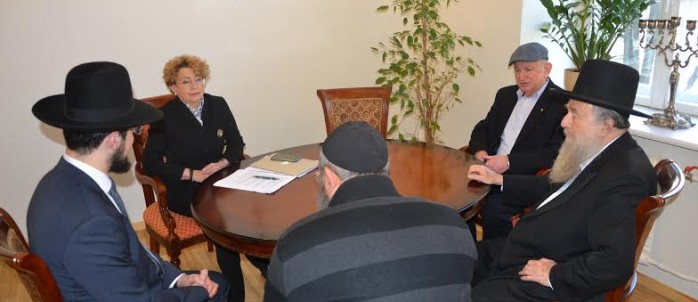
The well-known Rabbi Moshe Shapiro, a follower of the Gaonic scholarly and Litvak tradition, has paid the Lithuanian Jewish Community a visit, where he met with chairwoman Faina Kukliansky, religious community leader Simas Levinas and Rabbi Samson Isaakson.

Commemorating Sister Marija Rusteikaitė in Panevėžys

Rusteikaite2

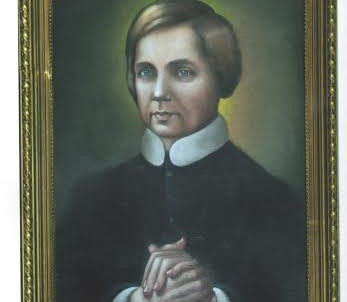
A project to commemorate sister Marija Rusteikaitė was discussed with mother superior and general director Jūratė Marcinkevičiūtė and sister S. Klara–Hana Bivil of the God’s Love Monastery at the Panevėžys Jewish Community. The project to commemorate Rusteikaitė in Panevėžys and to teach city residents about her remarkable story in the rescue of 15 Jewish children during the Holocaust was prepared by the Panevėžys Jewish Community and presented to the city’s Architecture and Urban Planning Department.

The goal of the project is to commemorate Righteous Gentile Marija Rusteikaitė (1892-1949), the founder of the God’s Love congregation, by naming a new street after her and posting a memorial sign at the start of the street briefly describing her noble deeds.

Marija Rusteikaitė was an intellectual person, a social activist, a medic, a teacher and a nun who was very important to the city and area of Panevėžys. She grew up in the family of estate owners Stanislovas and Jadvyga, a family of nine children, four sons and five daughters. Marija was the third child. Her mother Jadvyga was dedicated to charity work, her children and homemaking. Both parents were extremely loving towards their children and guided their education, belief in God and moral development. The people of Vaiguva who knew her say her charisma was something akin to that of Mother Teresa in Calcutta. She spent her nights sitting up with sick patients, quietly praying.

Kaunas Jewish Community Celebrate Last Day of Passover

PesK11

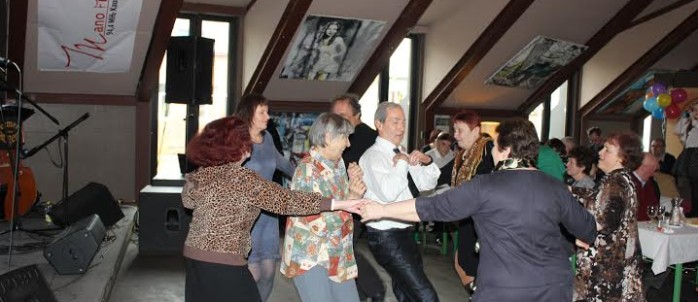
Kaunas Jewish Community members gathered at the Punto Jazz café to celebrate the last day of Passover. They were treated to a surprise concert by the family klezmer group Klezmer Klangen, reportedly performing their first concert in Kaunas ever. The crowd seemed to love them and there was much dancing. The band performed tight songs in Yiddish with good choreography down to their smallest member, four-year-old Ramunė. While the klezmer musicians took breaks, celebrants took to the stage to compete in now-traditional Passover skits. The last day of Passover coincided with the birthday celebration of Veronika Pečkienė who wasn’t forgotten amid the general party-going and was plied with flowers and birthday greetings.

Mimuna in Israel: A Holiday to Unite All

image (8)

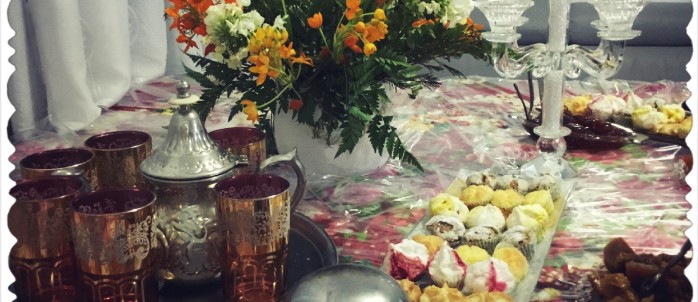
Mimuna, when Passover is over, when all the doors to the house are open.

When Passover ends, Jews from North Africa celebrate Mimuna. This is a holiday when sweets are made of flour, when post-Passover chametz dishes return. In Morocco, on the afternoon of the last day of Passover, Muslim neighbors bring to the homes of their Jewish neighbors gifts of flour, honey, milk, butter and green beans.

The pictures below portray a Mimuna family holiday spread, including pancakes with butter, margarine and honey, a favorite. The green pastries with almonds contain rings. Everyone wishes one another a successful marriage and much happiness on this day.

Shavua tov! שָׁבוּעַ טוֹב

Rome to Open Jewish Catacombs to the Public

Villa-Torlonia-Catacombs

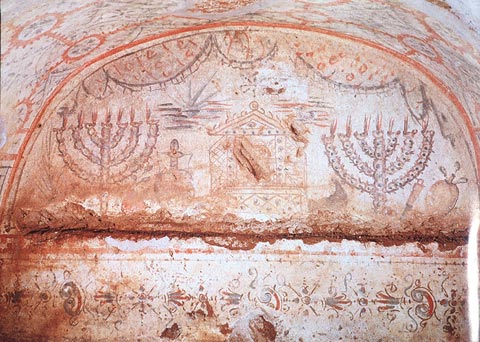
Rome plans to open the 2,000-year-old Villa Randanini Jewish catacombs to the public for the first time between May 1 and June 5 as part of a cultural initiative as one of the several initiatives taken by the Italian Cultural Ministry to promote the scope of the “Jubilee Year of Mercy” declared by the pope.

The Jewish catacombs were discovered beneath the vineyard of Villa Randanini in 1859. The maze of tunnels covers nearly 18,500 square meters (about 199,000 square feet) and has a depth of five to 16 meters (about 16 to 52 feet). The walls have inscriptions in Greek, Latin, and Hebrew providing information about people buried there. The catacombs have been vandalized over time, but still contain many colorful frescoes and tablets with Jewish candelabra depicted. The walls are covered with paintings of birds, dancing maidens, flourishes and grapevines. The catacombs also contain kokhim, a type of Jewish burial chamber.