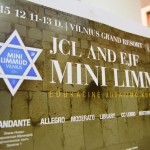
Click “read more” to see entire gallery.


Click “read more” to see entire gallery.
The Cultural Heritage Department under the Lithuanian Ministry of Culture has posted a PDF document called Jewish Cultural Heritage in Lithuania:
Jewish Cultural Heritage in Lithuania
Jews settled in the territory of historic Lithuania during the rule of Grand Duke Gediminas in the first half of the 14th century. Economic and historic conditions in the Lithuanian lands proved to be conducive for the emergence of a unique community of Lithuanian Jews, which later became known as the Litvaks. The growing Lithuanian Jewish communities attracted rabbis, who were knowledgeable and experienced in the field of education. Jewish quarters were formed in each town, with a synagogue and a synagogue yard as a prayer house and schooling and administrative centre of the local community. As the authority of Lithuania-based rabbis grew and the Lithuanian Jewish communities prospered, yeshivas, Jewish spiritual high schools, were founded in various Lithuanian towns. From the end of the 19th century, and with yet greater intensity after World War I, a network of secular educational institutions developed in the Republic of Lithuania, in Vilnius, and in the surrounding areas, offering instruction in the Yiddish and Hebrew languages. Local printing houses produced sacred and secular books needed for the educational process. All this collectively created a solid foundation for the Jewish press and high culture—theatre, art and literature—to grow and flourish. The Lithuanian Jewry, like Jewish people everywhere else in Europe, was subjected to the horrors of the Holocaust in 1941–1945. Their cultural heritage fell victim to the destruction alongside its creators. In present day Lithuania, the quiet witnesses of this formerly glorious culture can be encountered in various Lithuanian towns and villages.
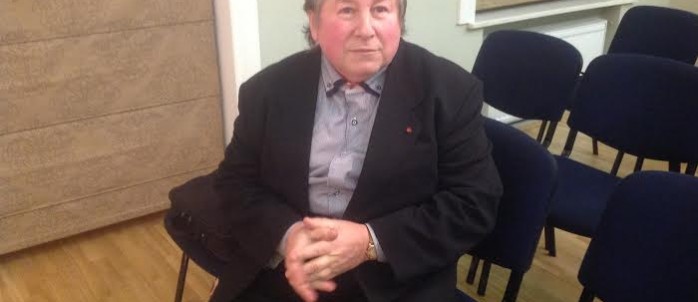
The twenty-second installment of the “Destinies” series regularly organized by Lithuanian Jewish Community deputy chairwoman Maša Grodnikienė featured one of the most famous of contemporary Lithuanian composers, National Prize recipient Anatolijus Šenderovas. Kamilė Rupeikaitė-Mariniuk, PhD, deputy director of the Vilna Gaon Jewish State Museum and an expert in cantillation and music, led the conversation with the composer.
Šenderovas, considered modern composer of unique talent, spoke cheerfully of his life and his musical career. Lithuanians seem quite proud of their composer. His works are performed by many musicians and orchestras, and new variations upon them constantly appear. Many people turned out for the “Destinies” event and left the auditorium inspired by his amazing energy.
Darbėnai, getting more beautiful by the day, has finished erasing its blemishes. Maintaining respect for its past, the town has reconstructed its main square and the areas around it, and has finally torn down the Soviet Palace of Culture which had become an abandoned eye-sore long ago. There’s only one thing left for the residents of Darbėnai to do: to come to terms with historical memory and let the Jewish past back into town, and learn how to live with it.
by Jūratė Kiliulienė, veidas.lt
While the ever-more-frequent chill winter winds still haven’t brought snow, the beauty of the small town is plain to see. Most likely the residents themselves still haven’t got used to it, and the changes so pleasant to the eye are a topic of conversation among the townspeople, who can now show the place off to outsiders. After archaeological digs, the sidewalks and pavement have been put back in order, there are new street lights and modern benches. Several years back the changes began in Darbėnai from the center, the old Market Square. In line with the preferences of residents, here, in front of the pre-war Jewish houses, paving stones were laid.
Full story in Lithuanian here.
Hanukkah, 1939.
Kaunas.
I told him the story of how Judah Maccabee led his men into war against the powerful Greeks, who had defiled the temple, and how their tiny force defeated the much greater armies of Antiochus. Judah and his followers liberated Jerusalem, and set about rededicating the temple, but when they went to light the lamps they could find only enough oil to burn for one day. Keeping the faith, they used the one small cruse they had, and God made the oil burn for eight full days. This is how Chanukah became the festival of lights. Each evening the shammers, the one candle used to light all the others, was used to light one more candle, until on the eighth day all eight candles were burning.
The tables were laden with the best of food and drinks, including some Japanese food which [aunt] Anushka supplied from her shop. We also had veal with small roasted potatoes, roast duck in orange sauce, and many other wonderful things.
Mr. Sugihara also asked me about our family life and my hobbies. When I told him that I collected stamps, he invited me to come and visit him at the consulate. He said he would give me some stamps from Japan.
The Lithuanian news, culture and religion website bernardinai.lt has published a review of a work of fiction by the former Lithuanian minister of culture about a Jewish child surviving the Holocaust in Lithuania.
Rimgailė Kasparaitė reviewed Saulius Šaltenis’s book “Žydų karalaitės dienoraštis,” or “Diary of a Jewish Princess,” published by Tyto alba publishers in Vilnius in 2015. The newspaper and website Lietuvos rytas provided a short synopsis of the book on their page kultura.lrytas.lt, describing it thus:
“‘Žydų karalaitės dienoraštis’ is a novel about young Jewish girl Estera Levinsonaitė’s life in Lithuania during and after the war in the family of a young couple in love. Naked and covered with blood, she crawls to the home of Vladas and Milda on their wedding night…

A new cultural heritage site has been placed on the list of Lithuanian cultural treasures: the wooden synagogue of Tirkšliai in the Mažeikiai region of Lithuania. The synagogue is believed to be the earliest synagogue in the region built in the late classical style. Cultural Heritage Department director Diana Varnaitė said: “Wooden synagogues are now a rarity in Europe. Bearing in mind how the world values heritage made of wood from the past, we must understand that wooden synagogues are priceless.” She said she was glad another wooden synagogue had been added to the list of cultural treasures and that it will facilitate preserving the site. Antanas Eičas, head of the Telšiai section of the Cultural Heritage Department, said the Žemaitija region is exceptional for its wooden architecture and especially its wooden churches and synagogues. “The Tirkšliai synagogue built in the first half of the 19th century has been listed on the cultural treasures registry. It is now the only remaining wooden synagogue in the Mažeikiai region. It and the former Seda synagogue are from a similar late classical period. Up until World War II there was also wooden Jewish houses of prayer in Viekšniai, Židikai, Leckava, Laižuva and Pikeliai. Let’s preserve this rare and unique cultural heritage treasure,” Eičas commented.
Full story in Lithuanian here.
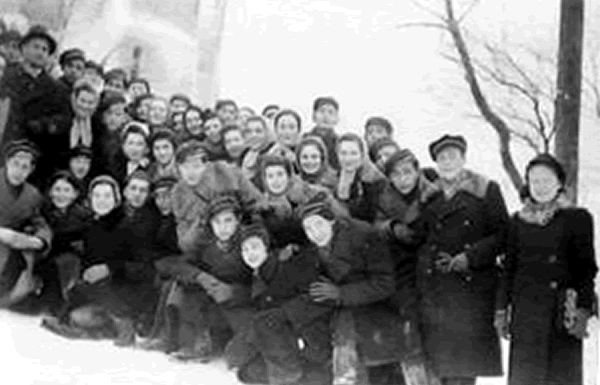
Tarbut students on a field trip ca. 1939. Courtesy vilnaghetto.com
The Tolerance Center of the Vilna Gaon Jewish State Museum hosted a presentation by director Markas Zingeris of plans to restore the museum’s building at Pylimo street No. 4 in Vilnius for use as a new museum of Litvak culture and achievements December 3.
Currently the building is mostly empty but formerly housed the museum’s History Department and Gallery of the Righteous. It is actually part of the same building now as the Lithuanian Jewish Community and is connected by corridors with the LJC. Formerly it was the Tarbut Gymnasium or high school established after World War I. The name of the proposed new center is the Center of Litvak Culture and Art.
Zingeris’s plan includes showcasing famous Litvaks who have contributed to culture and science and he presented a number of figures including Nobel Prize winners for inclusion. He emphasized the need to teach the Lithuanian public about Litvak achievements as part of their own history. He also had a map projected onto the overhead screen showing other Jewish cultural museums in Europe and spoke specifically about Vilnius’s place on “the Northern European Jewish route.” Whether this “route” is an official EU program or not wasn’t made clear.
The Bagel Shop newsletter is now a magazine and is available on-line in three languages, Lithuanian, English and Russian.
In this issue we present an interview with Laurina Todesaitė about Jewish cuisine, an excursion through the world of Jewish botanists in the inter-war period, a tour of Jewish Vilna, a new questions section and a new Mystery Photograph contest as well as all the usual columns.
The Lithuanian Jewish Community has received a letter from Niv Shimoni of Israel. He is interested in his Lithuanian roots which he discovered only recently. His grandfather lived in Aukštadvaris. If anyone is able to help, please contact us via the Communicate section located on the right-hand side of the webpage.
Aukštadvaris
My grandfather, Sneur Razin, was born in Aukštadvaris in 1910, a small village 50 kilometers from Vilnius. During World War II most of his family was murdered in the Holocaust. Before the war he began studies in Kaunas in order to become a pharmacist yet decided to drop everything and make aliyah to Israel. He was active in the Zionist movement which greatly influenced him and of course helped him in his decision to come and be a part of Israel. Now, more than a hundred years later, his children wanted to see where their parents came from (their mother was from Latvia). They returned from this journey filled with emotional impressions, especially because after they discovered a small and remote Jewish cemetery in Aukštadvaris, the final resting place of their grandfather. I have now decided that I, too, must see with my own eyes his resting place and to discover more about him. It is impossible to describe the feelings I would have standing next to my great-grandfather’s resting place which until only a few weeks ago I did not imagine could ever be found. I have a special connection with the city of Vilnius, its past and future and ancient Jewish heritage. It is heartbreaking to see how one of the largest Jewish communities has disappeared almost completely.
All of my big family live in a small village in the north of Israel. They are people who contribute to the State of Israel and the Zionist movement in agricultural education and security. Our grandfather always said it was important to contribute to the state as much as possible. To do more and talk less. My goal is strengthening ties among Jewish communities with the land of Israel.
http://nivshimoni.wix.com/niv-s
http://nivshimoni.wix.com/niv-s#!contact/c24vq
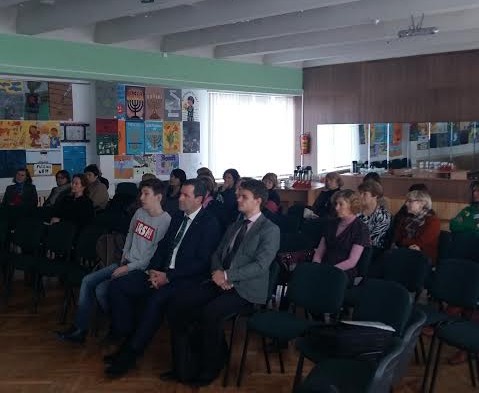
Principal Aida Adiklienė opened the conference “The History of the Holocaust: A Bridge from the Past to the Future,” financed by the Goodwill Fund and held on November 25 at the Rožynas Pre-Gymnasium in Panevežys, Lithuania. She emphasized the institution she heads supports the recognition of human rights. In consideration of that, the gymnasium constantly emphasizes local history, including local Jewish history. “It says in the Universal Charter of Human Rights that everyone is born free and equal, with intelligence and conscience,” the principal said. “When we talk about the Holocaust, we are truly talking about our own history. We need to be glad that we have addressed this topic for more than ten years now at the gymnasium.” Adiklienė said the Holocaust is one of the most complicated topics and not all schools want to deal with it. She was disappointed that even now not all people accept people of other religions and ethnicities. She said there were clear signs of intolerance at work in our society.
Last Sunday the weekly lecture in the lecture series was dedicated to European Jewish youth life. Amit Belaitė, elected this year to the board of the European Union of Jewish Students, shared her impressions of this organization. Attendees had the opportunity to speak directly with three guests who attended via telephone and shared information about the life of youth in their countries. These were Viktoriya Grodnik from Ukraine, European Union of Jewish Students president Benjamin Fisher and Natan Pollak, a Litvak born in South Africa and former head of the Jewish student union whose great-grandparents came from Lithuania.
The students of the Lithuanian Jewish Community began a photographic project which will tell the stories of Lithuanian Jews. The first interview should be forthcoming immediately. If you’d like to take part in the project and tell your story, please write or call Amit Belaitė at amit.belaite@gmail.com or 869227326
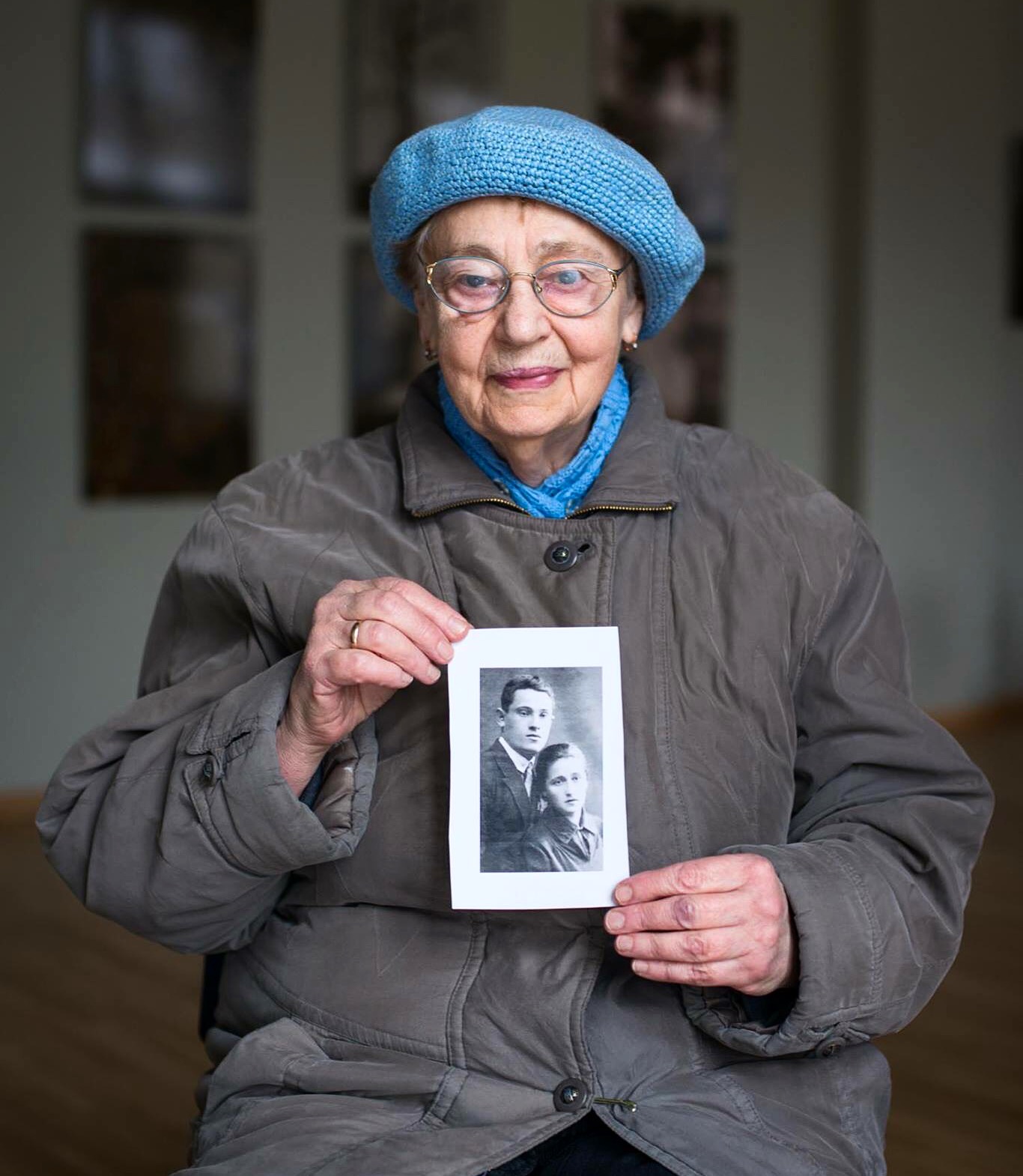
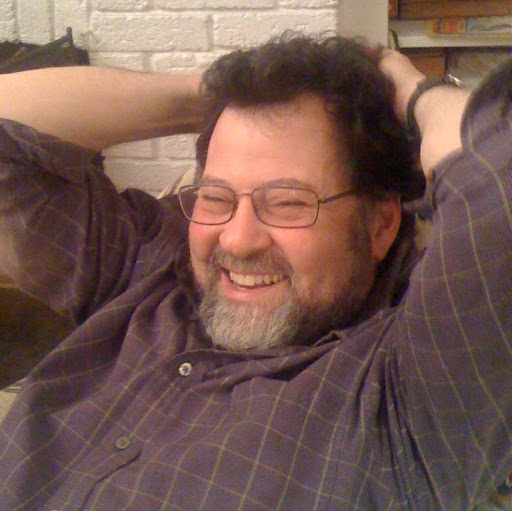
Among the 60 or so experts from more than a dozen countries at the multi-disciplinary conference on Jewish cemeteries in Europe organized by the Rothschild Foundation (Hanadiv) Europe and hosted by the Lithuanian Jewish community on October 25-28 in Vilnius, Lithuania, was Samuel Gruber. Gruber is a cultural heritage consultant who has consulted in the drafting of various documents, scientific research, conservation, exhibition and educational projects in the USA and Europe. He is an historian of architecture and an archaeologist, and an expert on Jewish artistic, architectural and historical sites. He is also a prolific blogger. His blog contains copious posts on Jewish sites, commemorative monuments and issues in Lithuania.
Some of his more recent postings include:
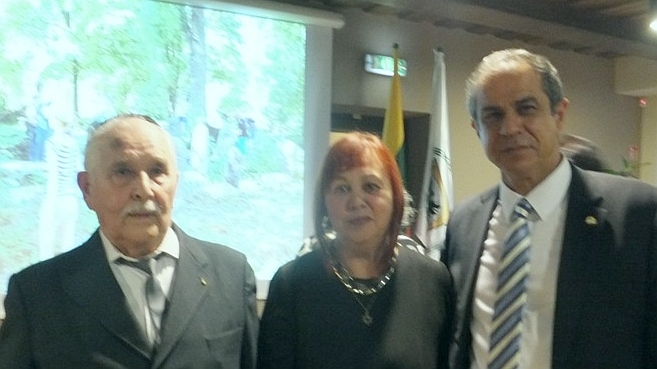
During a conference on November 13 to mark the 150th anniversary of the birth of Dr. Meir (reported here in earlier news items), a large book called “Žydai Lietuvos žemėlapyje. Biržai” [“Jews on the Map of Lithuania. Biržai”] was presented to the public in the Arsenal Hall of the Biržai Castle. Those who attended included Panevėžys Jewish Community members Yuri Smirnov and Tamara Antanaitienė, Panevėžys school teacher Asta Kurulytė and history teacher and head of the Rožynas school’s Tolerance center Genutė Žilytė. Israel’s ambassador to Lithuania, Amir Maimon, was invited and arrived early to look over the old Jewish cemetery in Biržai and pay his respects at the graveside of the last Jew of Biržai who recently passed away, Sheftel Melamed, and to visit the memorial for the Jews who were murdered in the Pakamponys Forest. Greeting the large audience who turned out for the event, the ambassador remembered the old proverb: “If you want to know where you’re going, you have to know whence you’ve come.”
Speaking of the Holocaust, the ambassador said the past cannot be forgotten so that it never happens again. “One of my priorities is the protection of Jewish heritage,” he also said. The ambassador managed to surprise even locals with his knowledge of Biržai Jewish history, citing prewar population figures and talking about the walks of life of local Jews.
Full story in Lithuanian and picture gallery here.
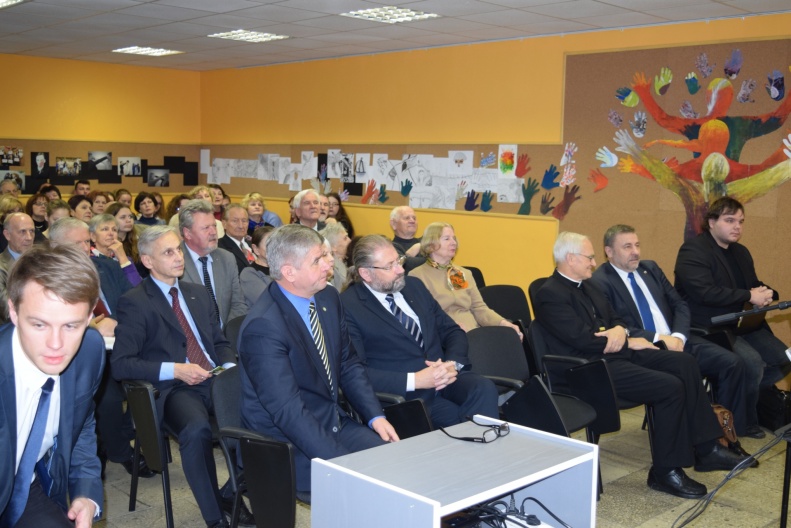
Panevėžys city mayor Rytis Račkauskas attended a conference to unveil a memorial plaque to mark the 150th anniversary of the birth of public figure and doctor Shakhnel Avrahom Meir. The project was financed by the Goodwill Fund and was supported by the Panevėžys Jewish Community and the municipality.
“The great contribution made by Dr. Meir to the life of the city is undisputed among residents. The doctor set up a hospital, clinics for children and adults and a tuberculosis dispensary. It is difficult to list all his accomplishments. But one must be mentioned: his concern for people. Meir dedicated himself to children from poor families and never discriminated against patients based on wealth or ethnicity. To him they were all the same, they were all important to him. The 150th anniversary of his birth compels us to remember and commemorate this notable person. I sincerely thank the organizers of this event for this initiative,” mayor Račkauskas told the audience.
Abramas Leščius, son of Chaim, always emphasizes he’s from Raseiniai.
This year marks 150 years since the birth and 85 years since the death of Dr. Meir.
A ceremony to honor the memory of Dr. Shakhnel Avrahom Meir will be held in Panevėžys, Lithuania on November 13, the famous Lithuania doctor’s hometown.
He studied medicine at Moscow University and began his medical practice in Chernigov guberniya in the Ukraine before returning to Lithuania in 1891, where he first set up practice in Pasvalys and then moved back to Panevėžys in 1914. He had a reputation for selflessness and devoted all his time and energy to healing everyone who needed help. He improved his skills by working in clinics abroad and kept up with the latest advances in medicine, applying them at home. The Jewish Hospital was built and opened in Panevėžys in 1919 on his initiative. It served people of all ethnicities.
The Lithuanian Jewish Community responds to a report presented by the Center for the Study of the Genocide and Resistance of the Residents of Lithuania about the activity of Jonas Noreika in Nazi-occupied Lithuania during World War II. The report is available in Lithuanian on their website:
http://genocid.lt/UserFiles/File/Pazymos/201510_noreika_pazyma01.pdf
________________________________________________________________________
Lithuanian Jewish Community
Pylimo street no. 4, LT-01117 Vilnius, tel.: (8~5) 261 30 03, fax: (8~5) 2127915, email: info@lzb.lt
November 6, 2015
To: Teresa Birutė Burauskaitė, director
Center for the Study of the Genocide and Resistance of the Residents of Lithuania
Didžioji street no. 17/1, LT-01128 Vilnius
Two Steps Forward, One Back
by Geoff Vasil
Readers of the Lithuanian Jewish Community website might have been surprised yesterday by a news item appearing there in which Jonas Noreika was absolved, seemingly, of complicity in the Holocaust. Noreika is one of those names which lives on in infamy among scholars of the Lithuanian Holocaust but proffered as an anti-Soviet hero by Lithuanian nationalists. The intent of the LJC, of course, was merely to report the Lithuanian news to Jews here and abroad, and not to white-wash Noreika in any way. The news item would not have been surprising even a few years ago, but now it comes as a shock exactly because Lithuanian society has moved forward so rapidly in coming to terms with the horrible loss to the country known as the Holocaust.
In summary, a Lithuanian state institution, the Center for Research on the Genocide and Resistance of the Residents of Lithuania, charged with sorting out history, issued a politicized report claiming Noreika was only involved in isolating Jews during World War II, not murdering them. The report came in response to a joint call by well known figures in Lithuania, including Tomas Venclova, to remove a plaque honoring Noreika from the wall of the library of the Lithuanian Academy of Sciences in Vilnius, a move which the LJC has long championed.
The document released this week cautions Noreika’s actions “cannot be judged categorically.”
I was included in the delegation which went together with Lithuanian president Dalia Grybauskaitė to Israel. As the chairwoman of the Lithuanian Jewish Community I participated in everything and I can say the visit was historic. Despite the tension in the air because of the terrorist attacks by Palestinians, the leaders of Israel found the time to meet with the Lithuanian president on her working visit and to discuss the most urgent issues in regional security and bilateral cooperation. The Lithuanian president also discussed measures for strengthening Israeli and Lithuanian ties with Israeli president Reuven Rivlin, who emphasized his Litvak roots. The two leaders also spoke about the situation of the Jewish community and the commemoration of Holocaust victims in Lithuania. The Lithuanian president said Jews had contributed very much to the establishment of the Lithuanian state and that the two countries could combine forces in creating their future and prosperity. I remember moving moments when Litvaks in Israel met the president with tears in their eyes and how they spoke about the most beautiful times of their lives in Lithuania. These were times of youth, of the struggle for Jewish identity and for freedom. For them, Lithuania is the land of their forefathers from the time of Vytautas the Great, the land they call home and which they often recall even now.
Before her meeting with the president of Israel, the Lithuanian head of state visited the Yad Vashem museum to commemorate Holocaust victims and planted an olive tree in the Garden of the Righteous among Nations there. In her meeting with Israeli prime minister Benjamin Netanyahu, the Lithuanian president said could help Lithuania directly with security. “Israel is prepared to help Lithuania directly in the sphere of security: by training our military personnel, in the area of cyber-security and can even organize courses for our personal protection.”