Dear Community members,
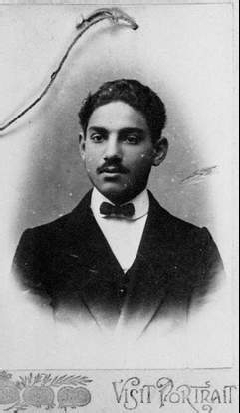
Before his death, long-time client of the LJC Social Programs Department Avishalom Moishe Fishman left a last will and testament donating his savings to the Lithuanian Jewish Community who had cared for him in his latter years.
To honor Moishe Fishman’s wishes, LJC chairwoman Faina Kukliansky proposed using the funds for the needs of the Choral Synagogue in Vilnius.
In furthering Jewish traditions of charity, it was decided with Vilnius Jewish Religious Community chairman Simas Levinas to use the funds received to set up a free-breakfast program in the cafeteria on the second floor of the Choral Synagogue, Pylimo street no. 39, Vilnius.
Moishe lived alone and was a client of the Social Programs Department for about 18 years.
The Community and its members, and especially members of the seniors club, became his second home and family.
Let’s remember together this enlightened man beloved and honored by all who knew him.
For the first time a plaque will be placed on the wall of the synagogue to thank and remember a local philanthropist, rather than a donor from abroad.
Everyone knew him as Misha, so this has been dubbed “Misha’s Breakfast Project.” It will begin Monday, May 15. The breakfast program will take place at the synagogue from 9:00 to 10:00 A.M., Monday to Friday.