
Photo: Milda Rūkaitė
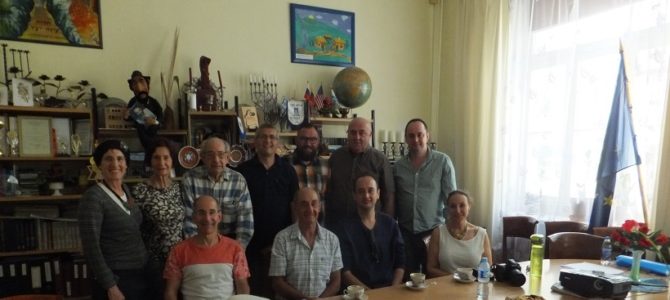
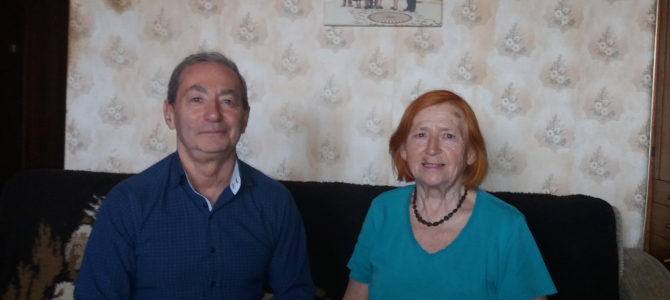
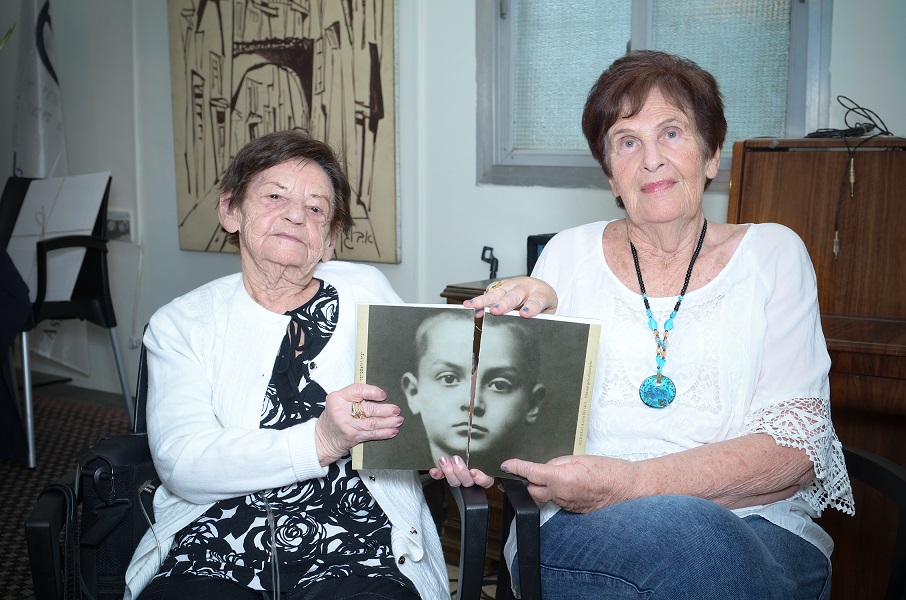
The Beit Vilna association of Litvak survivors from Vilnius hosted a presentation of the new Lithuanian translation of Yitzhak Rudashevski’s Vilnius ghetto diary in Tel Aviv May 16. Rudashevski’s two surviving cousins Sora Voloshin and Golda Rudashevsky attended the event. Voloshin escaped while her family and Ytizhak and his parents was being sent to Ponar to be executed. She later found the diary written in school notebooks in the ruins of a location where the Rudashevski family hid.
The Lithuanian translation was the initiative of the Lithuanian Jewish Community. LJC chairwoman Faina Kukliansky and Lithuanian ambassador to Israel Edminas Bagdonas attended the event in Tel Aviv, as did Beit Vilna director Miki Kantor and Arie Ben-Ari Grozdensky, the chairman of the executive board of the Association of Lithuanian Jews in Isrsael.
Rudashevski’s diary is one of only a few Holocaust chronicles recorded as events happened, and one of even fewer such diaries written by children. He wrote the diary in Yiddish. The Lithuanian edition contains the same Yiddish text in the second half of the book.