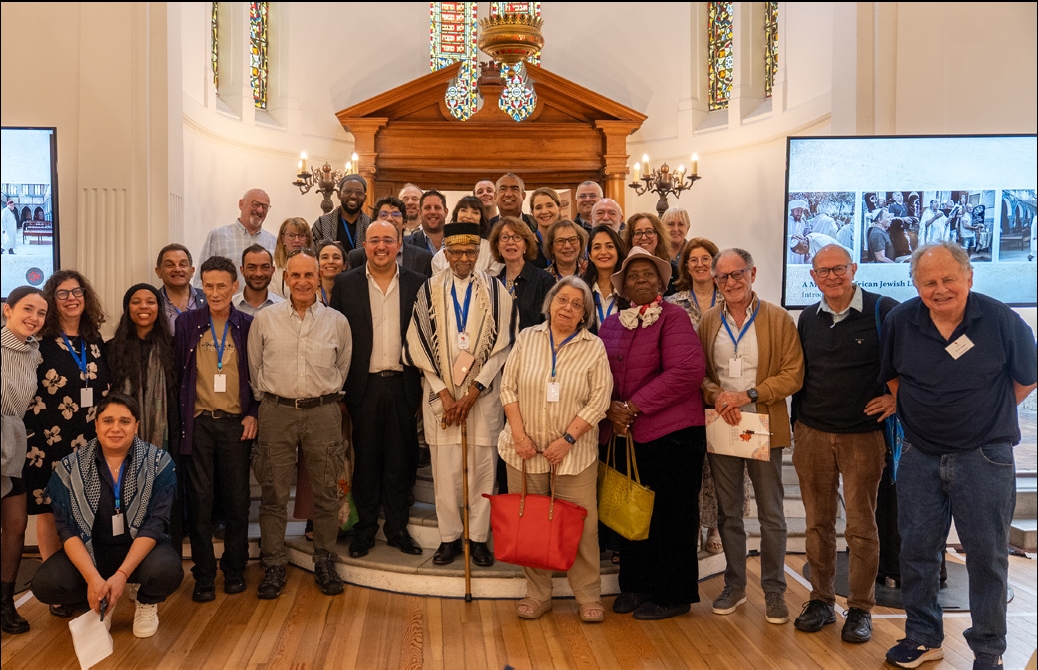
Photo: Delegates from around the world attended the Jewish Africa Conference
The third Jewish Africa Conference, an event spearheaded by the American Jewish Committee (AJC), Mimouna Association (Morocco) and the American Sephardi Federation (ASF), took place during April in Cape Town.
The conference was supported by the Cape SA Jewish Board of Deputies, with a welcome address by chair of the board Adrienne Jacobson. Predecessor conferences were held in New York in 2019 and in Rabat, Morocco, in 2022. The event took place at the Old Shul, the SA Jewish Museum and the Kaplan Centre for Jewish Studies at the University of Cape Town.
According to Wayne Sussman, director of the AJC Africa Institute who oversaw conference proceedings, “We all know that the South African Jewish community has made a rich contribution to Jewish life around the world. This is also true with other African Jewish communities. They have strong traditions and customs. Many made a huge impact on their respective countries. This conference allowed Jews from across Africa and scholars interested in Jewish African life today to come together and make sense of how we carry on building our respective communities and ensure we preserve our past properly.”
While we in South Africa tend to think of Jewish life from an Eastern European bias–because the bulk of our community is of Ashkenazi origin–Jewish life in fact traces a great deal back to Africa. With roots in ancient Egypt, Jewish religious and cultural practice are certainly a significant feature of the African continent.
The 2025 conference which brought together delegates from numerous countries both within Africa and beyond took on the themes of identity, resilience and hope. The Cape Jewish Chronicle highlights below some interesting information brought out at the conference.
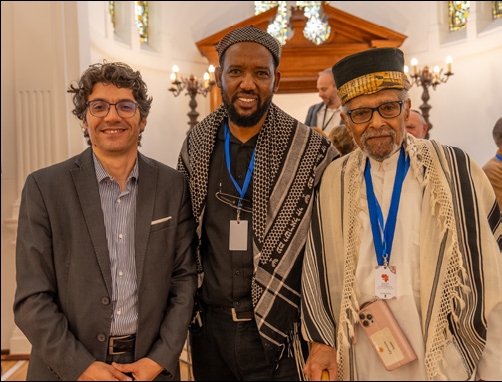
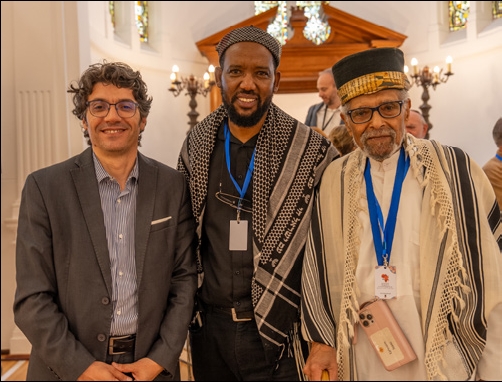
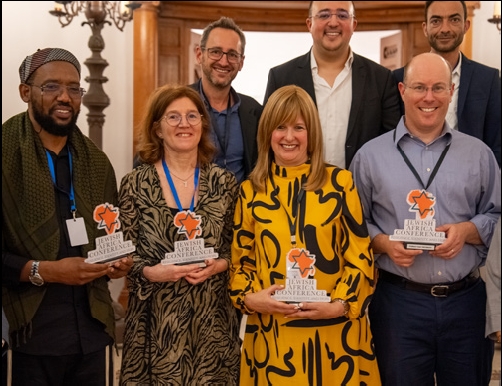
Photo: Moses Awards winners.The Moses Awards recognize Jewish leadership
Countries Represented at the Conference
Cabo Verde, Morocco, Egypt, Zambia, Zimbabwe, Namibia, Ethiopia, South Africa, Tanzania, Tunisia and Kenya.
Delegates from Uganda, Cameroon and Côte d’Ivoire were unable to get their visas on time.
The Lemba of South Africa and Zimbabwe
The Lemba of South Africa and Zimbabwe practise a variety of religions, including Judaism Their cultural practices have been passed on via oral tradition for over 2,000 years, and genetic testing in recent times confirms that there is evidence of a Jewish heritage, although some academics have questioned the validity of the genetic testing. A number of Lemba religious ceremonies are found in Jewish religious practice, e.g., kosher eating habits, the ceremony for the New Moon, their burial practices and circumcision.
The Lemba have largely conducted their religious and cultural practices in secret, which is ironically why the culture and practices have been preserved for so many years. In South Africa this was particularly marked during our apartheid past. As a result of the secrecy, this group has not been recognised as a distinct ethnic group within wider South African society, a goal they long to achieve at some point.
The Lemba Cultural Association is an active body and engages regularly with the Jewish community in South Africa. They are currently involved in a number of interesting projects, including producing their own tallith, and establishing a Lemba museum in the area where most of them live, Sweetwaters, which is near the town of Elim in Limpopo Province.
Morocco
Under the current leadership of King Mohammed VI, Morocco is undertaking many projects geared to preserve the Jewish heritage of North Africa. A recent example is the funding of a project to restore Jewish cemeteries on Cape Verde and other islands in the area. This project is known as the Cape Verde Jewish Heritage Project.
There is little anti-Semitism in Morocco today, at least, from an official stance. In fact, the constitution of the country protects Moroccan Jewish culture and heritage.
The recognition of the contribution of Jews to Morocco is highlighted through the establishment of the Mimouna Association by Muslim students in 2007. They were keen “to promote and preserve the Jewish-Moroccan heritage”.
“The name Mimouna symbolizes a common heritage of Moroccans. Traditionally celebrated at the end of Passover, Mimouna is a traditional Jewish Moroccan celebration. Jewish families often invite their Muslim neighbors to join the festivities.”
“The conference plays a really important role in connecting people from across the continent with other Jewish communities both in Africa and beyond. The contacts made provide a great deal of support to communities that may be struggling with identity and acceptance issues, as well as with political pressures. Through our activities at the conference itself and beyond, we can help limit the isolation that a small Jewish community located in a remote rural environment would otherwise face,” Wayne concludes.
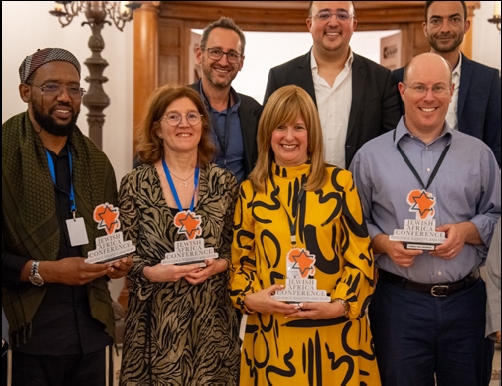
Photo: Delegates from various African countries at the Jewish Africa Conference
From the May 25, 2025, issue of the Cape Jewish Chronicle. Full text here and here.