
Learning

Vilnius Jewish Religious Community Chairman Visits Great Synagogue Archaeological Site

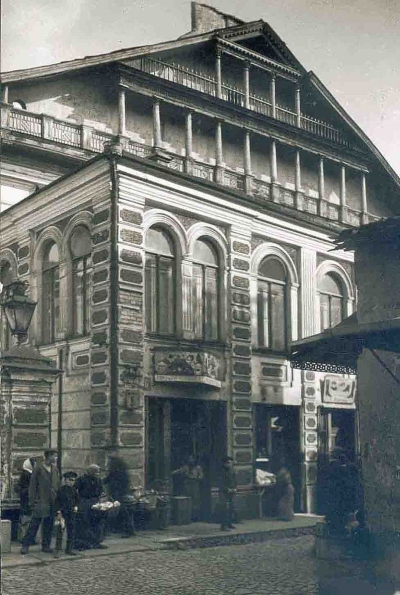
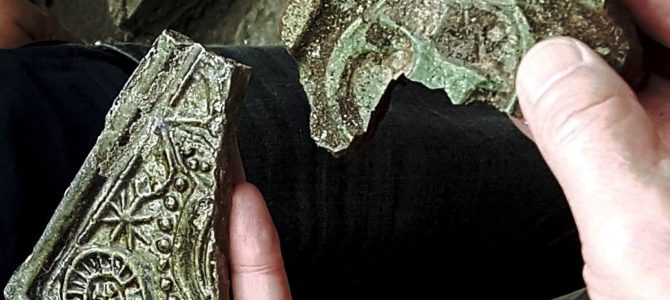
Vilnius Jewish Religious Community chairman Shmuel (Simas) Levinas visited the site of the Great Synagogue July 18 where an international team of archaeologists are now working for their second summer. Dr. Jon Seligman acquainted the chairman with current work, including the discovery of two well-preserved ritual baths with original tiles and a well-developed water system. The pieces discovered are washed by volunteers and excavated earth is sent through sieves to find smaller items. Some of the volunteers, mainly from the USA and Israel, and Dr. Seligman have Litvak roots.
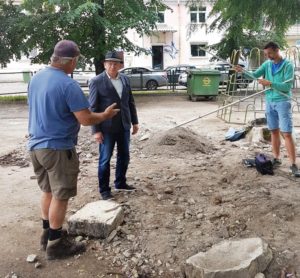
On July 19 Dr. Seligman and fellow archaeological dig director professor Freund visited the Choral Synagogue in Vilnius and had a chance to see for themselves the revival of Jewish religious life taking place there.
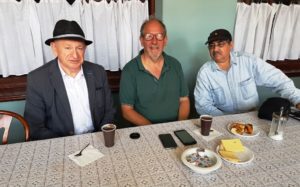
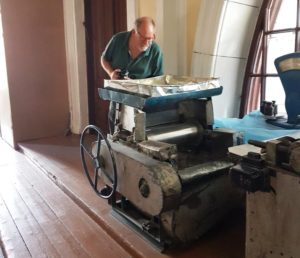
The visitors saw the synagogue’s Torah scrolls and were especially interested in the scroll donated by Judah Passow which originates in the time of the Vilna Gaon. They were impressed by a matzo-making machine contrived after World War II at the synagogue and were most interested in fragments of the former Great Synagogue preserved at the Choral Synagogue, including plaques with prayers. The two visitors donated Vladimir Levin’s book History of the Synagogues of Vilnius to the library at the Choral Synagogue.
Fate of Central European University: Educational Issue, or Anti-Semitism?

by Gintarė Kubiliūtė
bernardinai.lt

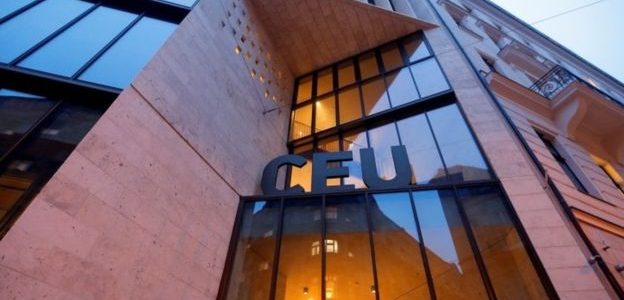
The existence of the Central European University in the Hungarian capital Budapest is now under threat after Hungarian prime minister Viktor Orban’s government announced amendments to the education law.

The CEU was established by Hungarian Jewish businessman in 1991. It is accredited in the United States and Hungary, but only operates in Hungary. The right-wing government led by Orban wants the CEU to open a branch in New York state, and if they don’t, the university in Hungary will be shut down. Furthermore, under the new legislation the university would be forced to issue diplomas valid in the US and Hungary.

The possible new requirements by Orban’s government could be fatal to the Central European University because there is not enough funding to open a branch campus in New York state and coordination the issuing of diplomas between governments would be slow, complicated and, one can say, the university wouldn’t have very much influence on the process. Therefore the legislative amendments would make the CEU completely dependant on the Hungarian ruling party.

Full story in Lithuanian here.

NOVA Documentary Holocaust Escape Tunnel Screened at Vilna Gaon Museum

The Tolerance Center of the Vilna Gaon State Jewish Museum screened the NOVA documentary about Jewish Vilna which aired earlier in the spring on the PBS network in the United States on July 18. The event space was filled with audience members and staff had to find additional chairs for the large crowd. Many sat in the upstairs balcony overlooking the space. Also in attendance were current and former staff from the Vilna Gaon museum and MP Emanuelis Zingeris. The audience was mainly interested members of the Lithuanian public including a large number of young Lithuanians.

Speaking before the film, museum director Markas Zingeris praised the documentary about archaeological digs at the site of the former Great Synagogue in Vilnius and at the Holocaust mass murder site Ponar just outside the Lithuanian capital.

Deputy chief of mission at the United States embassy to Lithuania Howard Solomon also called the film important and reiterated long-standing US support for the Lithuanian Jewish community.

Israeli ambassador to Lithuania Amir Maimon noted Israelis remember the heroes as well as the victims during Holocaust commemorations, and said his personal hero was Fania Brancovskaja, the FPO partisan present in the audience. He also expressed the hope the documentary would be shown throughout Lithuania.

Lithuanian Makabi Makes Successful Showing at Maccabiah Games

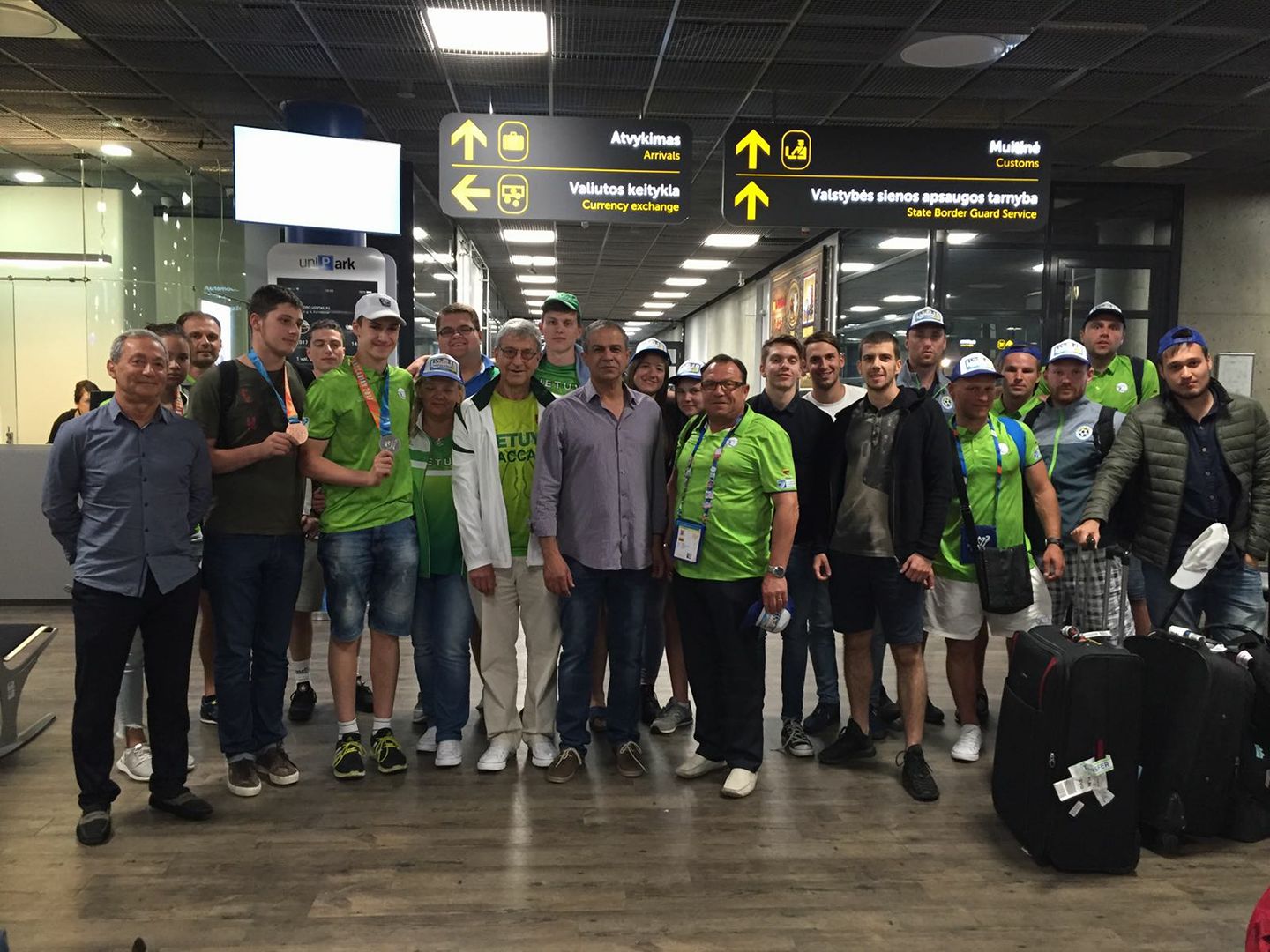
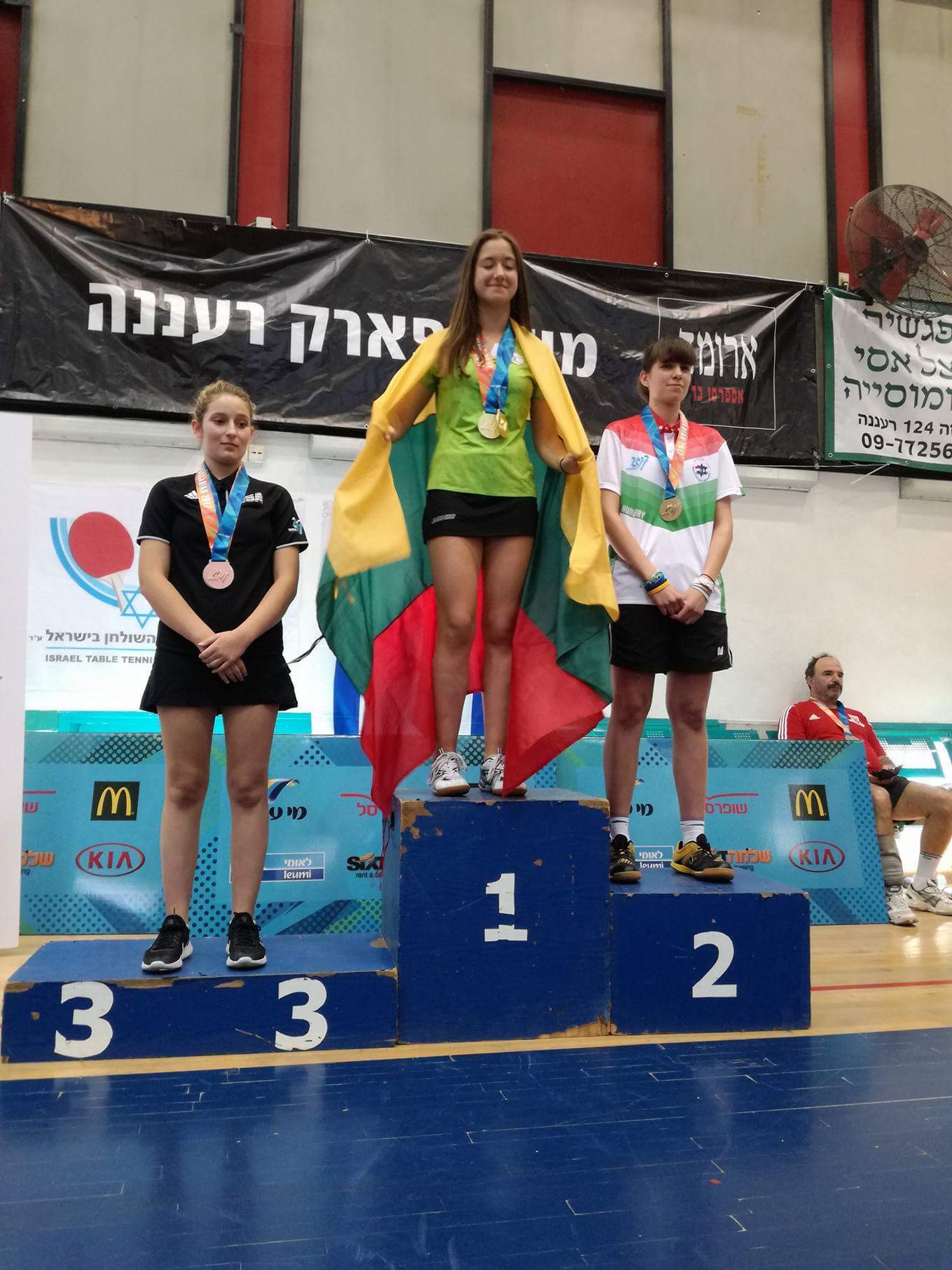
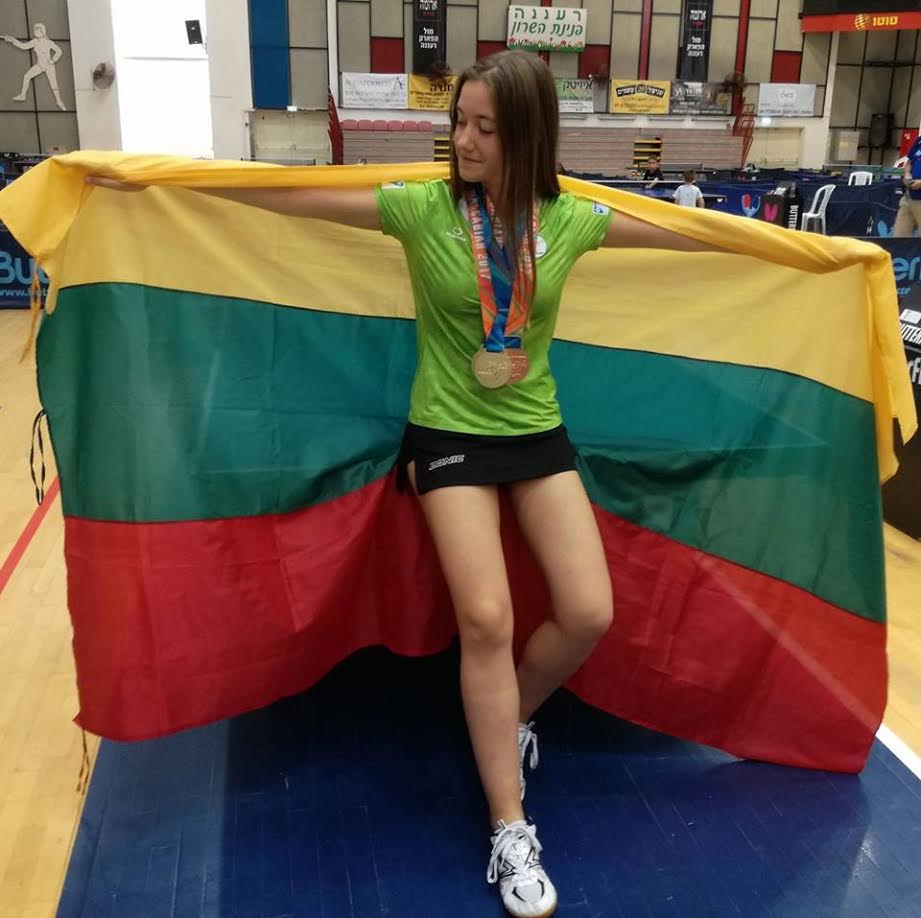
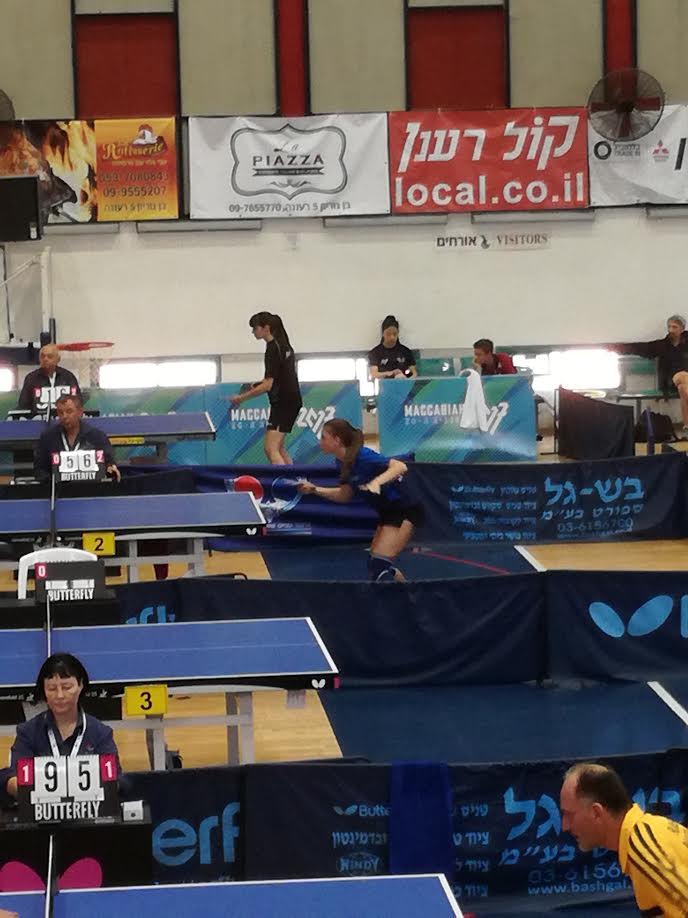
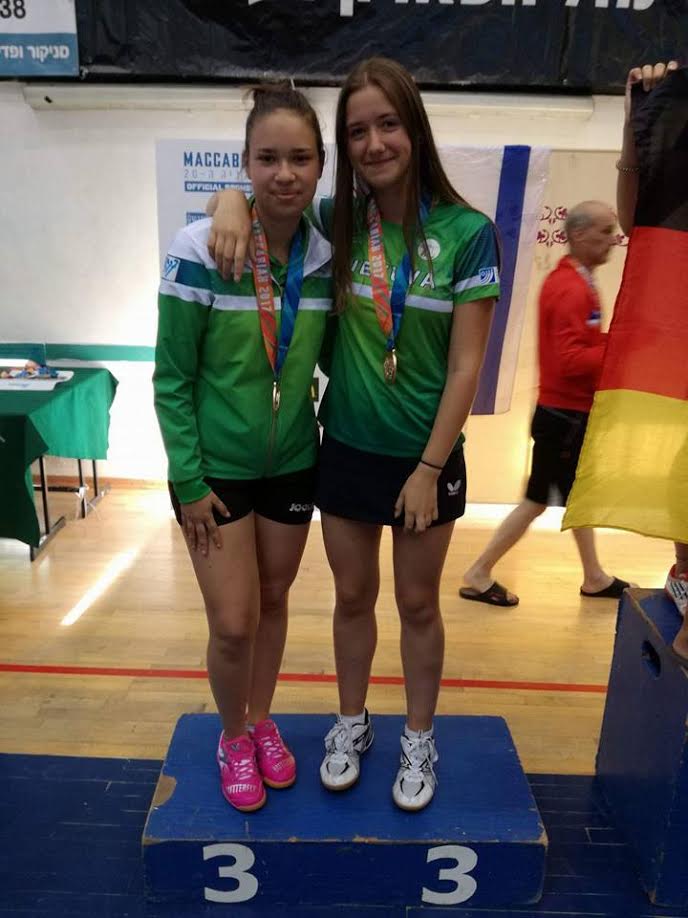
A delegation of 28 athletes from the Lithuanian Makabi Athletics Club participated at the 20th quadrennial Maccabiah Games in Israel from July 4 to July 18. The Lithuanian team took part in 7 different sports and won six medals, two gold in the youth singles competitions and with Israeli table tennis athlete Janin Karmazin in doubles, won by Lithuanian table tennis player Neta Alon. She won another bronze medal in women’s doubles matches with teammate Vanesa Ražanskytė.

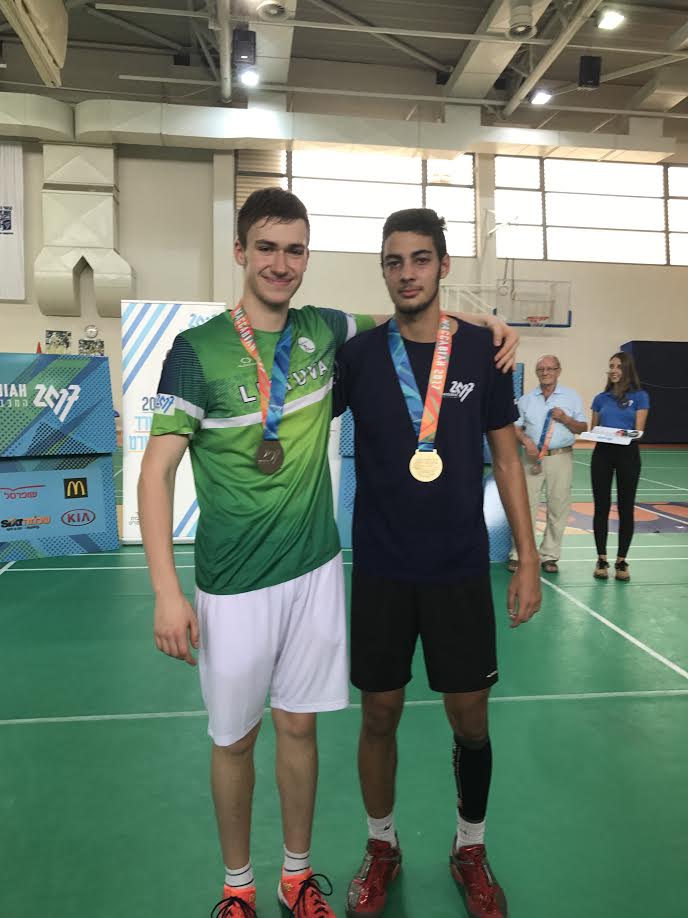
In badminton Mark Šames took silver in singles matches and Daniel Tarachovskij with Ukraine’s Natalija Ruzgaizer won bronze in mixed doubles matches.

Chess master Eduardas Rozentalis won another bronze for Lithuanian Makabi.

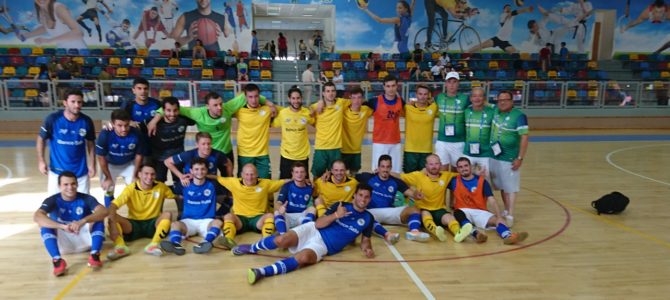
Our mini-soccer team (top rated among European teams) took a very respectable fifth place, defeating Mexico 6:6 due to a penalty on July 16. During matches the Lithuanian Makabi mini-soccer team beat Cuba, Gibraltar and Sweden, lost to Australia and tied with Brasil but failed to secure the right to compete for bronze because of an overall worse proportion of goals.

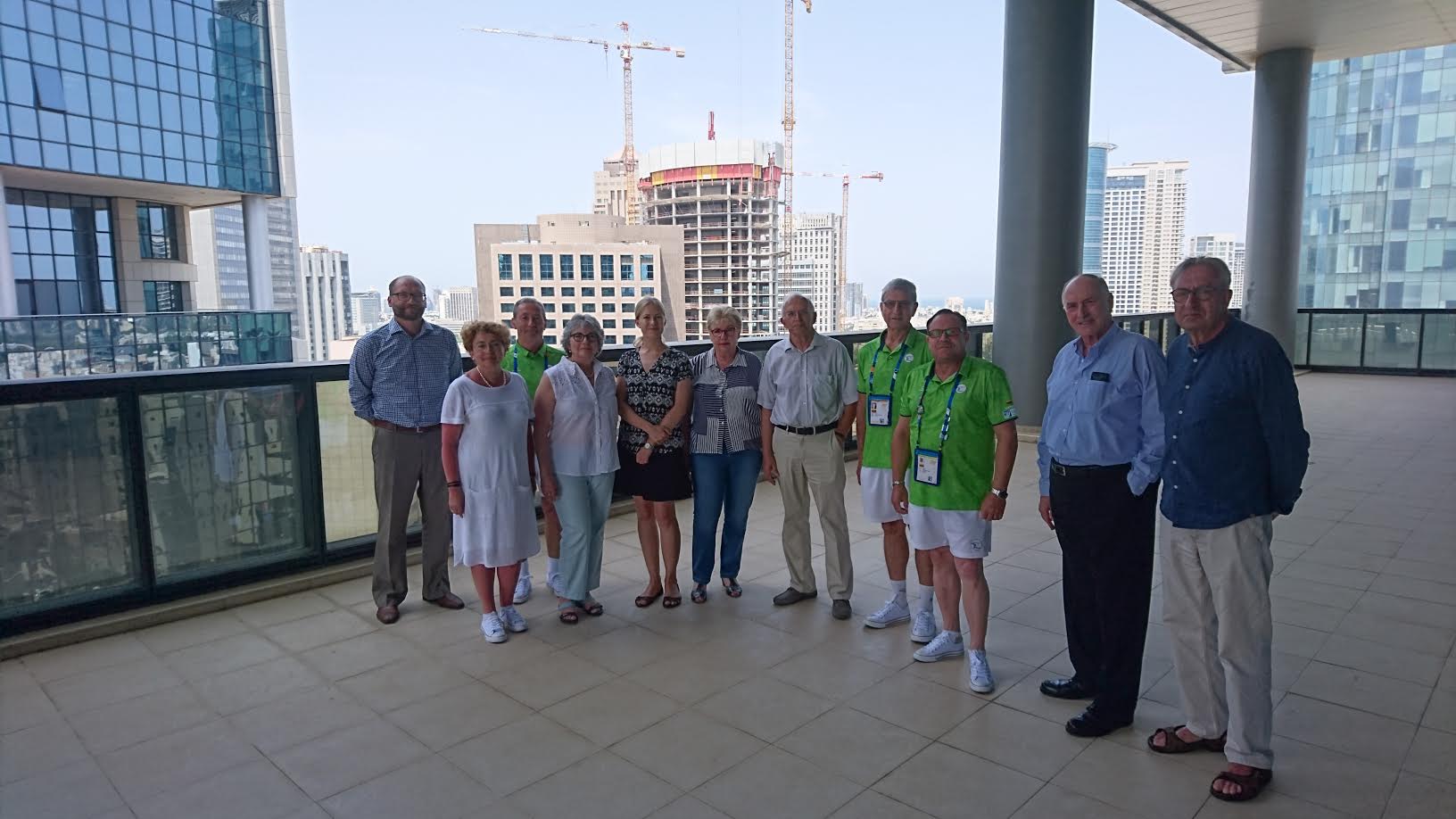
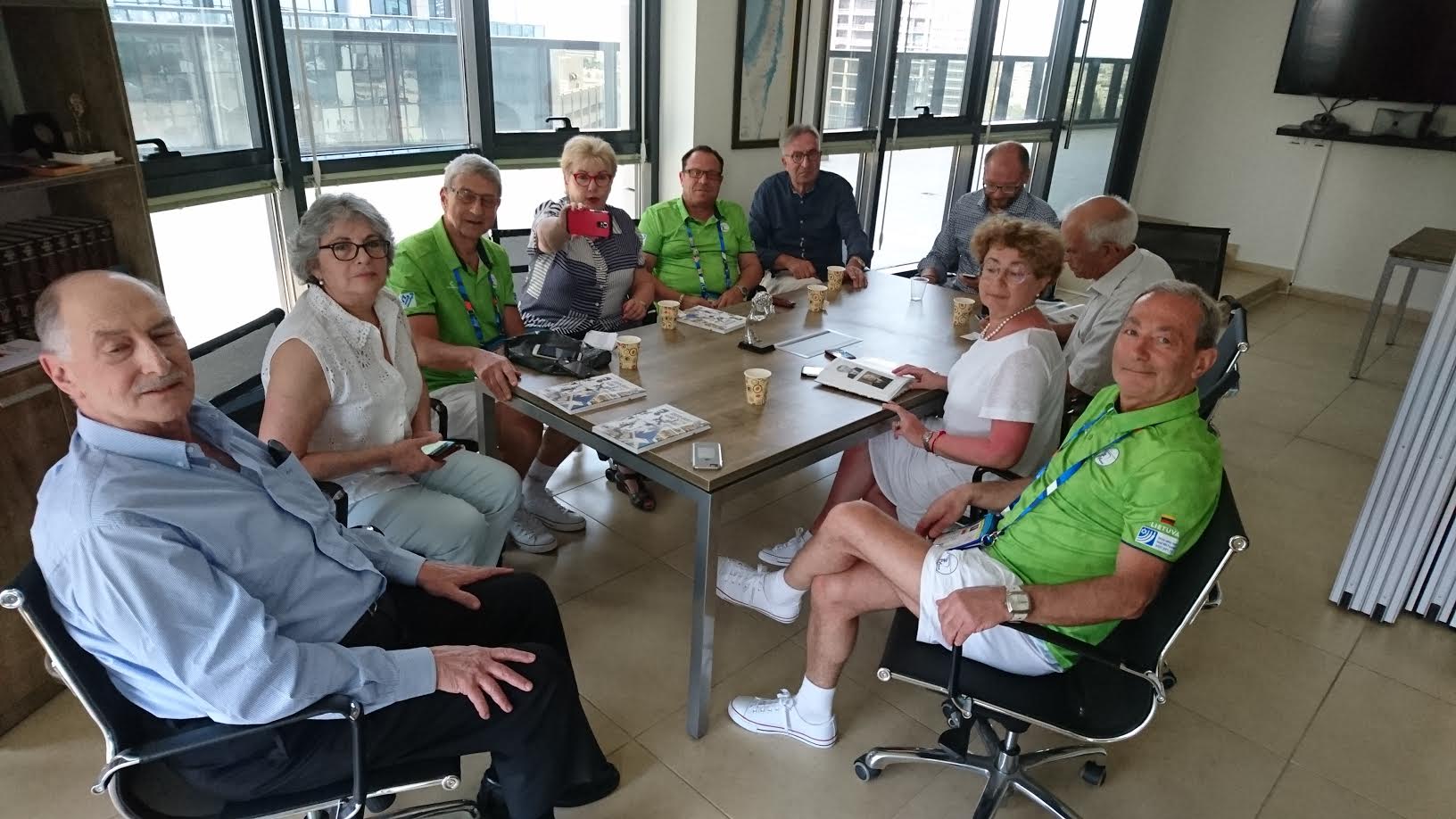
During the Maccabiah Games members of the delegation, Lithuanian Jewish Community chairwoman Faina Kukliansky and leaders of Litvak organizations in Israel participated in a meeting with Lithuanian embassy consular officer Aleksandras Kubada.

The official closing ceremony for the 20th Maccabiah Games takes place July 17.

Semionas Finkelšteinas, president
Lithuanian Makabi Athletics Club

OSE Part 1

It seems the French social welfare system has no equal. We visited one of the oldest Jewish social support organizations, the OSE (Œuvre de Secours aux Enfants), whose origins extend back to St. Petersburg, Russia in 1912, when the Interior Ministry of the Russian Empire granted permission for the establishment of the OZE (Obshchestvo Zdravookhraneniya Evreev), the Jewish health-protection association. Russia was enveloped in heavy anti-Semitism at the time and pogroms were frequent. The granting of permission for the organization coincided in time with the beginning of the movement for Jewish cultural autonomy. The main goal of OZE was to establish a modern social welfare and health-care system for Jews for whom medical care was inaccessible in the Russian Empire. The organization established a branch in France in 1933.

During the Nazi occupation Jewish children were ruthlessly murdered. Various ways to save them were found, either sending them out of the country, or hiding them. One of the more active players in rescuing Jewish children was the Œuvre de Secours aux Enfants organization, or OSE, who saved hundreds of children.

Jews of Vilkomir on Lietuvos Rytas TV

The Lietuvos Rytas television program Travel with a Reporter features Ukmergė (Vilkomir) Jewish Community chairman Artūras Taicas and discusses the former Jewish community in the Lithuanian town.

Watch the program in Lithuanian here.

Social Programs Client-Family Needs Computer

Dear Community member,

One family with children who are clients of the LJC Social Department need your help.

Recently the family lost their computer and television. Thanks to members who have already responded, the family now has a television, but the children still need a computer for school and are unable to afford one.

If you can help or know someone who can, please contact the LJC Social Programs Department Family Program coordinator by telephone at 865213146 or by email at rasheles@sc.lzb.lt

Thank you for caring!

Lithuanian Makabi Mini-Soccer Team Ties with Mexico July 16

In the battle for fifth place, the Lithuanian Makabi Athletics Club mini-soccer team won against Mexico in penalty kicks July 16, repeating their achievement back in 1989. Falling behind 1:4, the boys rallied and Mexico was tied with Lithuania 6:6. Markas Plineris made the winning goal in penalty kicks.

Educational Plein Air Outdoor Painting Workshop, July 31-August 4

Dear Community member,

If you have a yearning to paint, like art, enjoy nature and good company, you won’t want to miss this year’s educational plein air outdoor painting workshop, our third in as many years.

The plein air painting workshop will last 5 days and 4 nights at an inspiring rural location under the direction of the famous painters Raimondas Savickas from Lithuania and Alexander Ganelin and Anna Khodorkovski, both from Israel.

The workshop will be held at the Įlanka farm on Bebrusas Lake in the Molėtai region where participants will spend four nights. Three meals per day will be provided (with vegetarian options). Daily work includes practical activities and one-on-one consultation with teachers, painting and other media, and an education/free-time program including a ride on the Švyturys recreational ferry across the lake, a sauna, cultural events and a Sabbath ceremony.

The cost for Community members is 150 euros. Please register by noon, July 18, because space is limited.

After sending the sum by bank transfer please send a copy of the payment form to zanas@sc.lzb.l

For more information and registration, contact:
Žana Skudovičienė by email at zanas@sc.lzb.lt or by telephone at + 370 67881514.

Details for payment:

to: Lietuvos žydų (litvakų) bendruomenė [Lithuanian Jewish Community]
company code 190722117
tax code: LT100010504214
bank account number: LT09 7044 0600 0090 7953
bank: AB SEB bankas

Please indicate the payment is for “Edukacinis pleneras 2017” [Educational Plein Air 2017] (and indicate the name of the person for whom payment is made).

The Educational Plein Air Outdoor Painting Worskhop 2017 is made possible by the Lithuanian Jewish Community, the Goodwill Foundation and the Joint Distribution Committee

Archaeologists Return to Digs at Shulhoyf, Ponar

from Jewish Heritage Europe

The second season of archaeological excavations is under way at the site of the destroyed Great Synagogue in Vilnius and the surrounding Shulhoyf complex of Jewish buildings. A team of Israeli, Lithuanian and American volunteers began work on July 10 and will continue until July 21.

The objective is to continue last year’s work  researching the water system of the complex developed in the 18th century and two mikvaot, ritual baths. Plans are to open “an area … probably near the entrance staircase descending into the synagogue and around the area of the bimah.”

Screening of NOVA Documentary about Ponar

Dear all,

The Vilna Gaon State Jewish Museum and the embassy of the United States of America in Vilnius kindly invite you to a screening of the documentary film “Holocaust Escape Tunnel” at the museum’s Tolerance Center (Naugarduko St. 10/2, Vilnius) on Tuesday, July 18, at 5:30 P.M. The screening will be followed by a discussion with the archaeologists featured in the film.

On Issues Surrounding the Protection and Conservation of Anti-Semites


by Sergejus Kanovičius

bernardinai.lt
July 29, 2016

Recently members of the City of Vilnius’s Commission of Names, Monuments and Memorial Plaques (hereinafter the City Commission) visited these issues.

Members of the Commission apparently didn’t feel a lack of expertise in the matters at hand and didn’t seek the advice of the Lithuanian Language Commission on how to write Washington Square (there is no W in Lithuanian, but in any case it wasn’t Wrocław), didn’t ask for public input on Ukraine Square and felt confident enough to deliberate on issues related to commemorating Jonas Basanavičius.

But one question was the subject of much–how to say it precisely–profound avoidance of responsibility and competence. This was the issue connected with Vilnius City Council member Mark Harold’s statement in which he argued for renaming Kazys Škirpa Alley the Alley of the Righteous Gentiles. What did the Commission do? The Commission said they didn’t know what to do. They asked for help from another institution which, also not knowing what to do, issued historical reports on Škirpa full of evasions (he didn’t take part in mass murder because the Germans wouldn’t allow him to travel, he didn’t murder anyone personally, he was just the head of the anti-Semitic LAF and called for getting rid of the Jews in this manner: “Having examined the anti-Semitic statements encountered in texts prepared by the Berlin LAF organization, it can be stated its members proposed solving ‘the Jewish problem’ not through genocide, but by means of driving them out of Lithuania.” This is a quote [translated] from Center for the Study of the Genocide and Resistance of Lithuanian Residents director T. B. Burauskaitė’s history report sent to the head of the municipal administration of Kaunas).

An Ugly Monument and the Ugly Truth


by Geoff Vasil

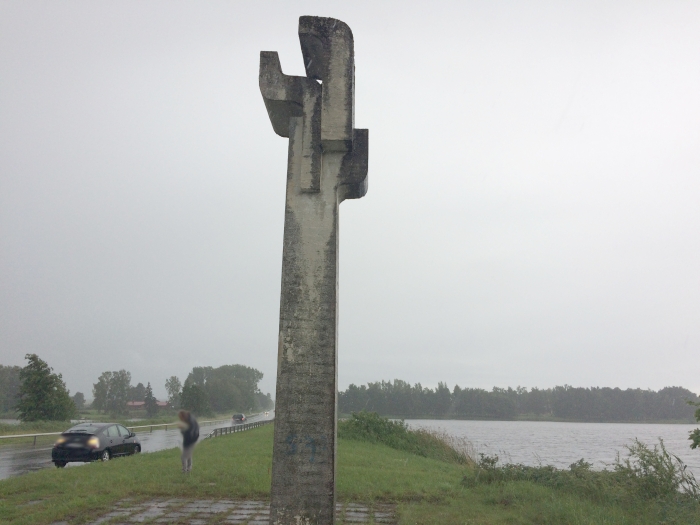
I entered Kaišiadorys in a pounding rain to see the Soviet monument the local residents want removed.

Visibility was perhaps 10 feet as I passed what seemed to be farmsteads and fields. Up ahead the road bisected a rather beautiful little lake. A weird light enveloped the scene, black clouds on one side and open blue sky on the other, with cattails, a bright green made neon against dark gray.

The monument appeared there on the other side of the lake right by the road, looking for all the world like a broken-down chimney of an abandoned factory, but surrounded by a natural idyll the summer squall was unable to diminish.

The monument itself has no inscription. It might have, once upon a time, but there was no evidence even of a stolen metal plaque, no holes for bolts, no tell-tale metal stains dripping down from an empty space anywhere on its face. The only thing close to an inscription was some faded graffiti, some message left in blue spray-paint but now illegible.

Majority of Residents of Kaišiadorys Want Monument Removed

by Daiva Baronienė
daivabaro@lzinios.lt
www.lzinios.lt

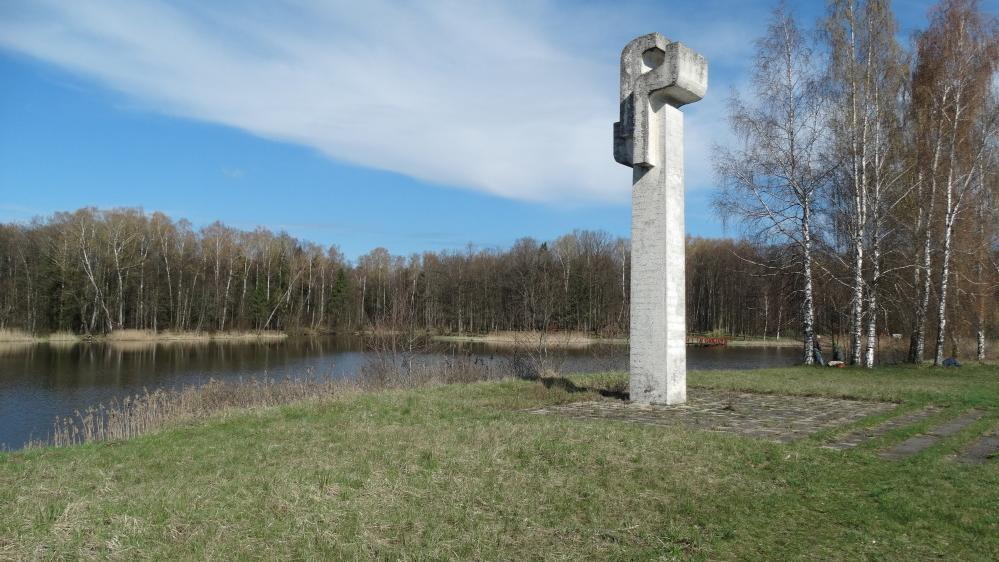
A survey of people living in Kaišiadorys, Lithuania, or hailing from there found the majority don’t want an obelisk commemorating Nazi victims, a Soviet relic. Photo: www.kaisiarodys.lt

A public opinion survey in Kaišiadorys determined the majority of residents and people from the town who are currently abroad or living abroad no longer want the obelisk to victims of the Nazis to stand at the entrance to the town.

Kaišiadorys regional administration head Vytenis Tomkus’s wish to greet the 100th anniversary of Lithuanian independence next year after having removed from the region sites and constructions which don’t correspond to the ideological values of today is gaining momentum. A poll of residents over the period of one month asking whether they need to monument to victims of the Nazis to remain standing in Kaišiadorys or not found that the majority of informants in the rather active survey are convinced the town does not need this sort of monument.

Lithuanian Makabi Take Silver, Bronze at Maccabiah Games


Table tennis team-play competition medal winners Neta Alon and Vanesa Ražanskytė.


Markas Sames took silver in one-on-one youth badminton competitions.


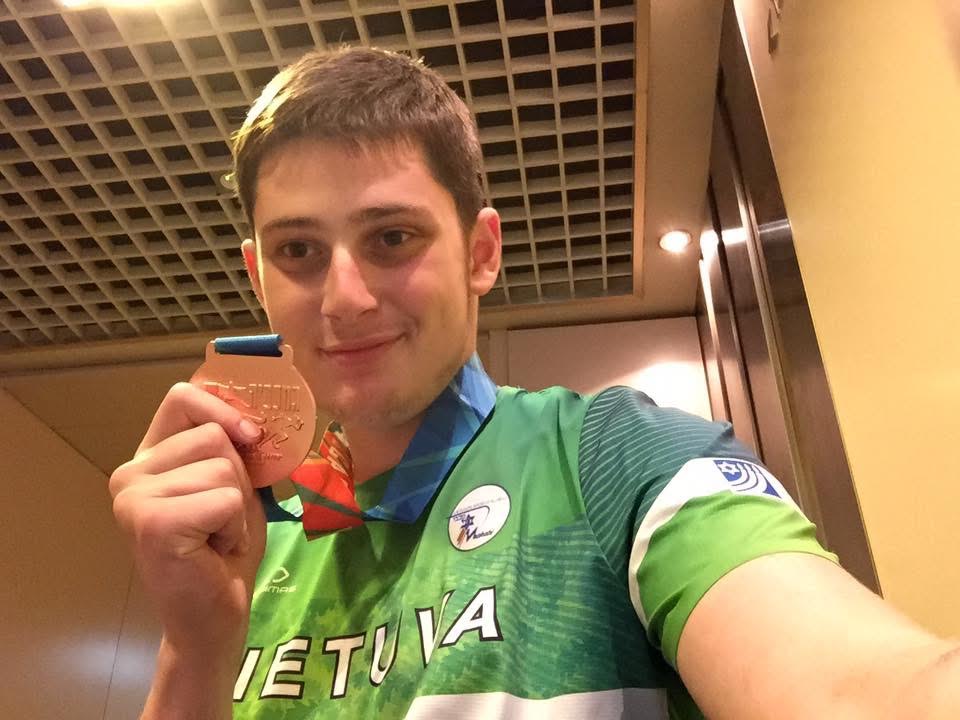
Danielius Tarachovskism won a bronze medal in mixed doubles youth badminton.


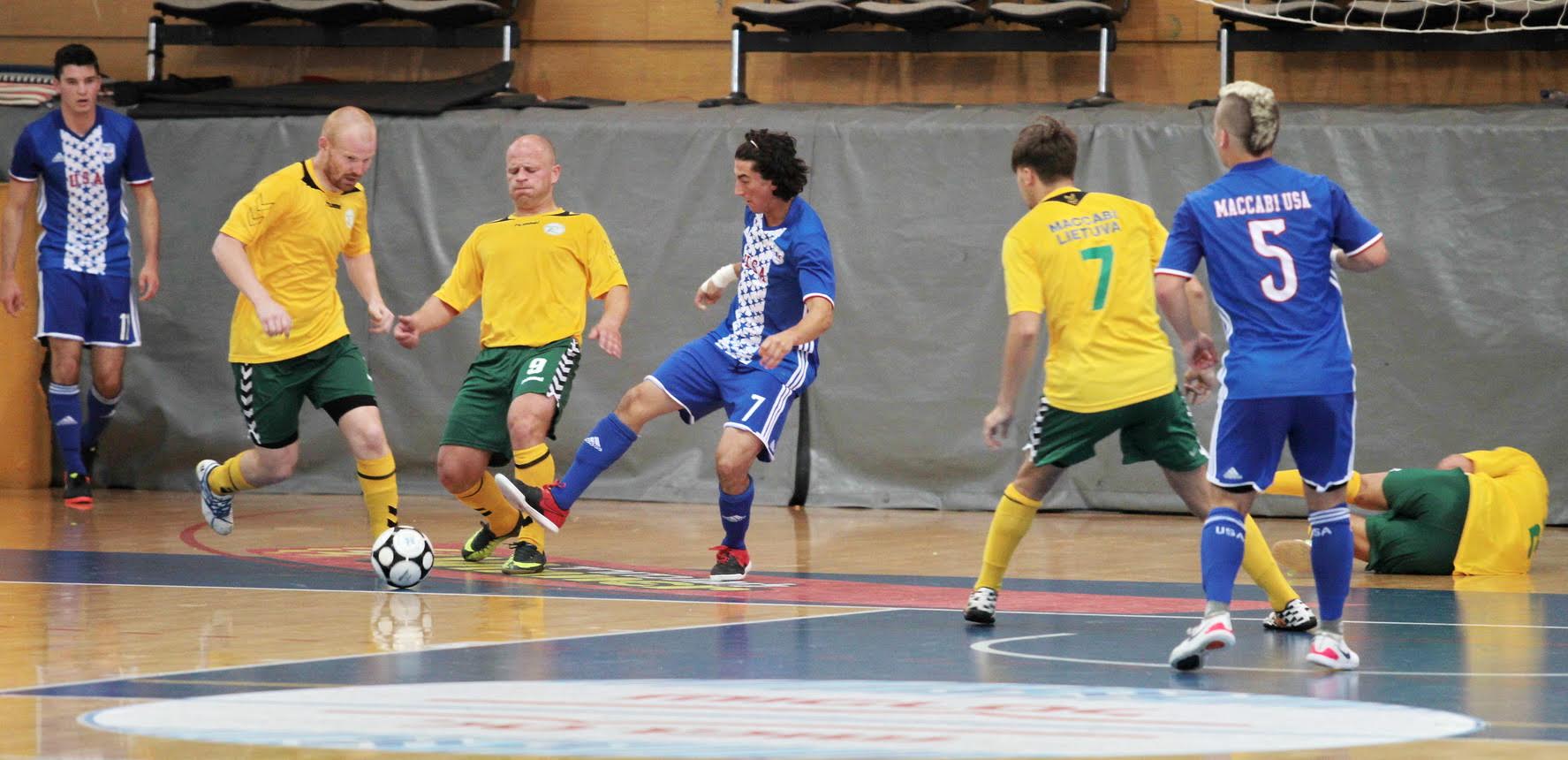
Photographer Dovydas Fligelis captured a moment from a mini-soccer match between Lithuania and the USA (3:1).

Lithuanian Makabi Carries Lithuanian, LJC Flags at Maccabiah Games

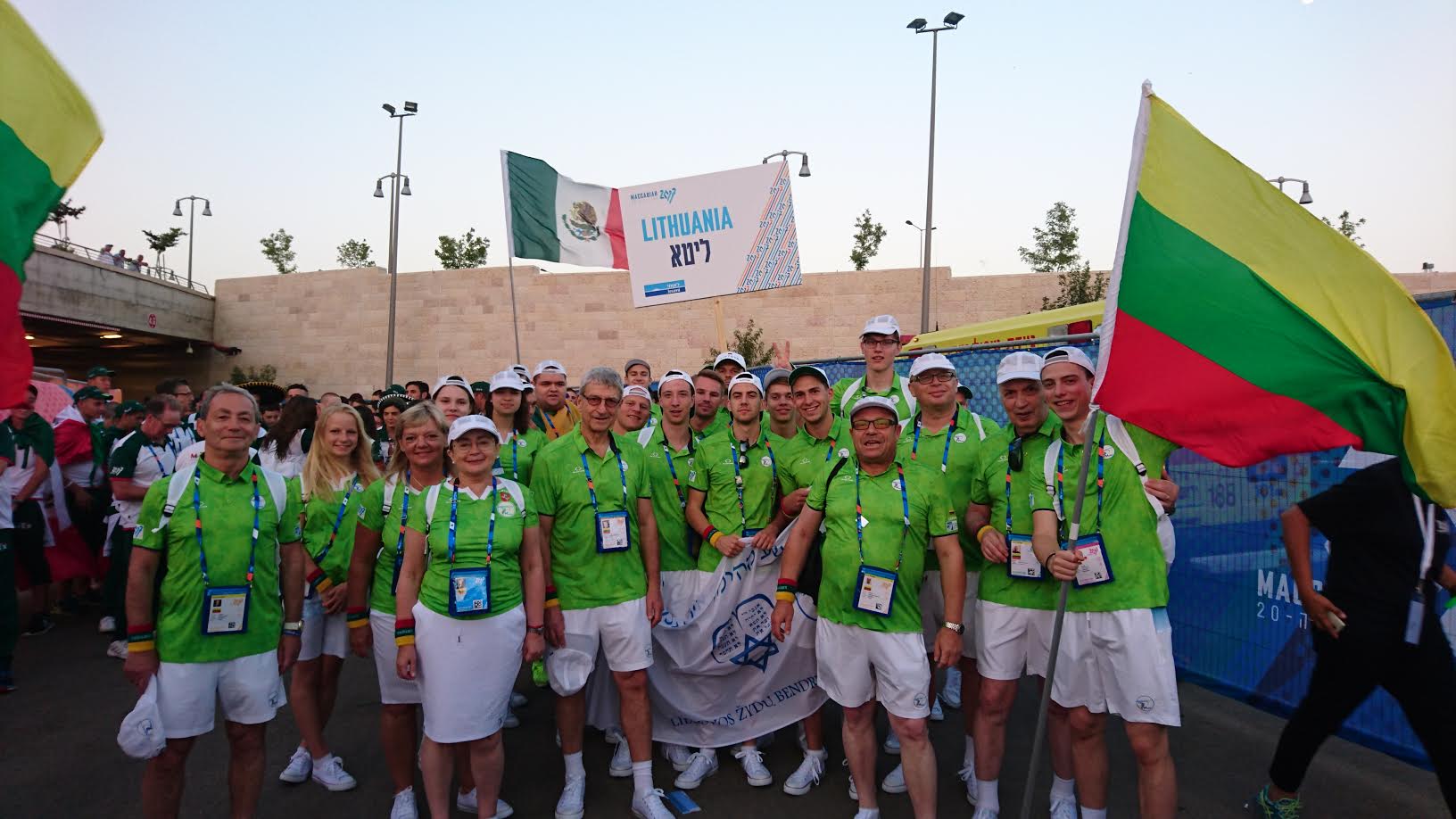
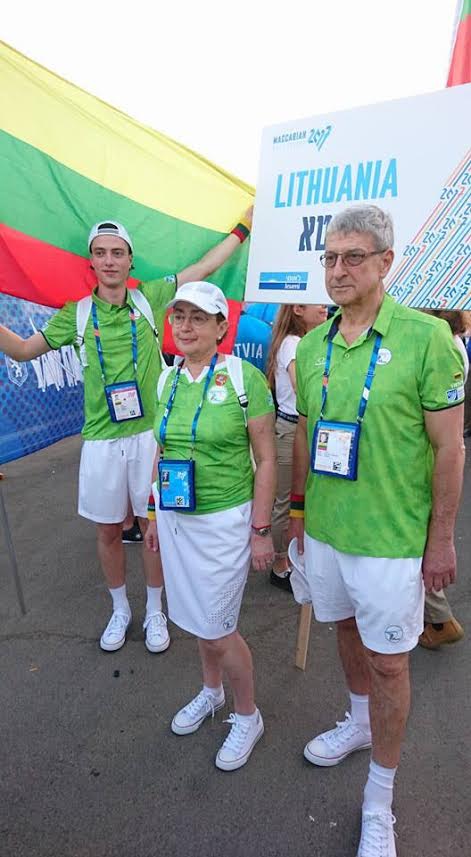
On Lithuanian Statehood Day, the Lithuanian Makabi Athletics Club delegation carried the flags of the Republic of Lithuania and the Lithuanian Jewish Community at the 20th Maccabiah Games in Israel.

The “Jewish Olympics” opened Thursday, July 6, with 10,000 Jewish athletes from 80 countries. The opening ceremony at the Teddy Stadium in Jerusalem was watched by 30,000 fans in the stands.

This is the eighth Maccabiah Games to which the Lithuanian Makabi club has sent a delegation. Back in 1989, at the 13th Maccabiah Games, Lithuanian Makabi carried the flag of the Republic of Lithuania, which was only then beginning to break away from the Soviet Union. Club president Semionas Finkelšteinas and club athletes remember the event well.