Jewish Cuisine

Remembering the Holocaust Victims of Panevėžys

virselis1

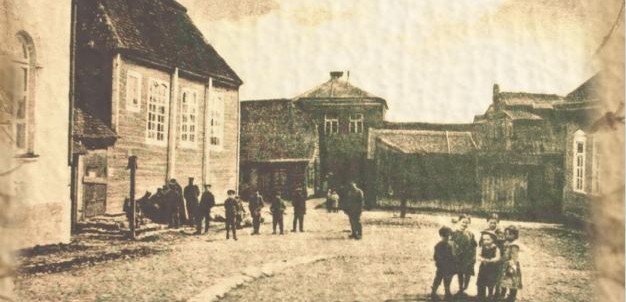
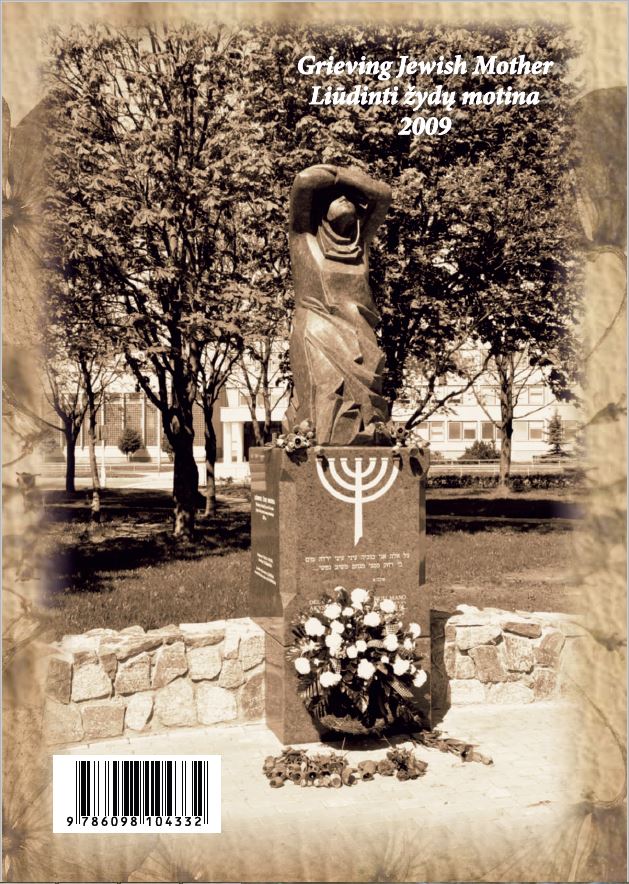
The Panevėžys (Ponevezh) Jewish Community has compiled a small book called “Nežudysi” [“You Will Not Kill Us”]. It contains information gathered from issues of the newspaper “Išlaisvintas Panevėžietis” [“Liberated Ponevezher”] published in the early years of World War II. The surviving articles allow us to reconstruct images from the tragic moments the Ponevezh Jewish community experienced at that time. A new city administration was formed in June, 1941, which was led by a commandant and the Nazis. Very quickly a so-called Jewish Quarter was established through which passed more than 13,000 Jews. The ghetto lasted 40 days. All of its inmates were murdered so quickly and efficiently that even now it is impossible to make complete lists of the victims. The book also discusses the small portion of the Jewish population which managed to escape during the first days of war. It also details Jewish property in Panevėžys and its seizure, mass murder sites and Jewish cemeteries. The chapter called “Gatvės vaiduokliai” [“Ghosts of the Street”] tells the story of Joint Street, which the new city administration renamed June 22nd Street in the desire of pleasing the Nazi occupiers. There is also much space devoted to the Righteous Gentiles of Panevėžys who risked their lives to save entire families of Jews. The last part of the book provides a list of documents and articles at Lithuanian archives and libraries awaiting scholarly attention. The text is printed on a red background symbolizing the spilling of the blood of innocents to focus the reader’s attention on the meaning of the text. A ceremony to present the new book is scheduled for January 29, 2016 in Panevėžys.

  • virselis2

Review of Mini Limmud Conference 2015

2. sestadienis (340)
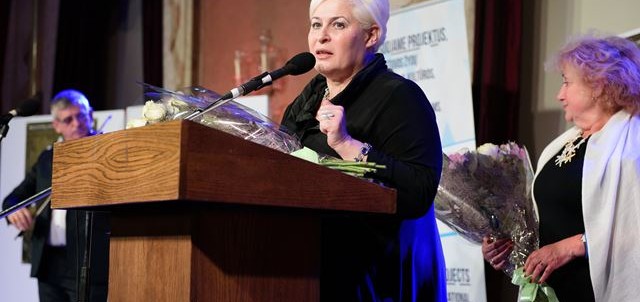
Organizer Žana Skudovičienė at the podium at Mini Limmud 2015.

The Mini Limmud conference is a large educational and entertainment event for Jewish families. The three-day program with overnight stays and entertainment at a hotel was instituted so that everyone might find something of interest and importance in learning about Jewish history, traditions, religion, Yiddish culture and current events. This year the organizer was Žana Skudovičienė. Responses by participants were positive and they expressed their thanks as well as a preference for more interesting speakers next year. Organizer Skudovičienė said they hadn’t been able to invite all the speakers they wanted this year.

“It’s hard for me to evaluate my success because this was the first year I was the organizer,” Skudovičienė said. “Junona Berznitski organized all the earlier Limmuds and I just participated as an MC, and I just had to worry about my clothes and appearance, create some scenes and write a text. But now it was a great challenge for me. I met all the potential speakers and selected only the most interesting people. These all agreed to participate, but there were others who wanted to participate but couldn’t because of plans made earlier. People requested we get reporter Viktor Topaller but everything was limited by funding. We were in touch with Viktoras Šenderovičius who wanted to come but couldn’t, but plans to next time. I wanted to find more Judaism and Jewish history experts, not necessarily from outside the country. Giedrius Jakubauskis delivered an extremely interesting presentation. Attendees were happy with the presentation of Saulius Šaltenis’s new book “Žydų Karalaitės dienoraštis” [“Diary of a Jewish Princess”]. They bought up all the copies of the book brought to Limmud, and we might have brought more from the publisher.”

Conference participants enjoyed meeting Israel’s ambassador to Lithuania Amir Maimon and were eager to learn about Israeli current events. There was a real discussion and people were concerned with why Israel always seems to be at the losing end of the propaganda war in the media. There wasn’t enough time for a comprehensive answer from the ambassador, but we hope to continue this discussion at the Community.


New Bagel Shop Magazine On-Line

The Bagel Shop newsletter is now a magazine and is available on-line in three languages, Lithuanian, English and Russian.

In this issue we present an interview with Laurina Todesaitė about Jewish cuisine, an excursion through the world of Jewish botanists in the inter-war period, a tour of Jewish Vilna, a new questions section and a new Mystery Photograph contest as well as all the usual columns.